Exploring Miyajidake Shrine: A Great Day for a Walk!
January 31, 2026
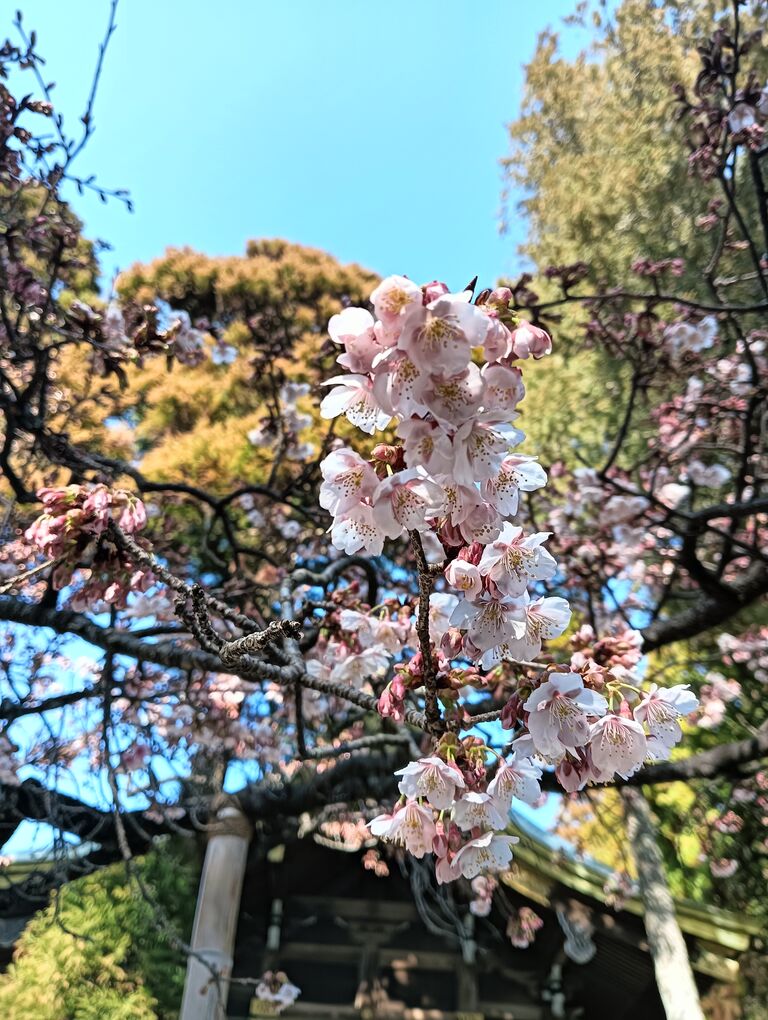
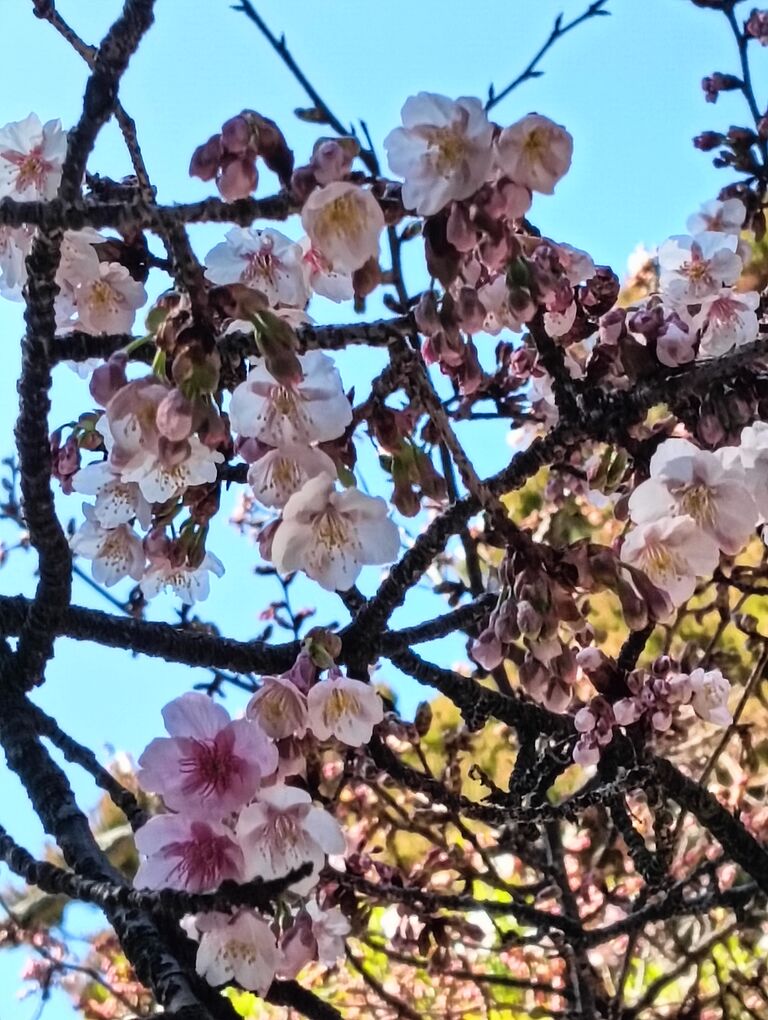
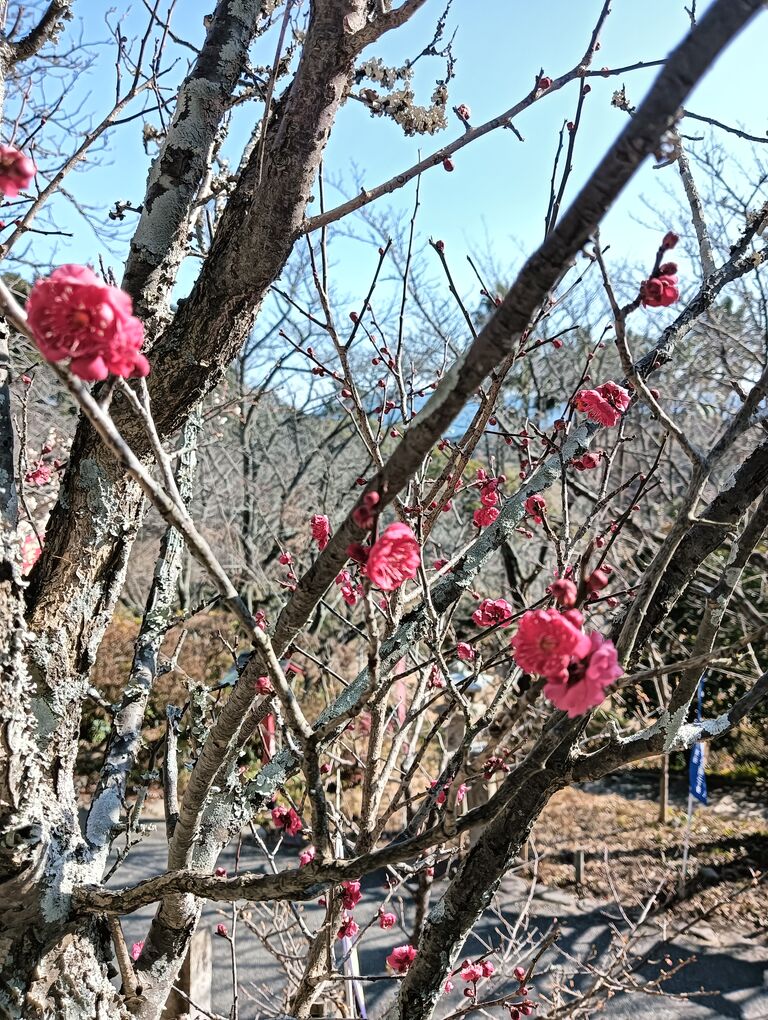
I wanted to see the early cherry blossoms at Miyajidake Shrine before the Lunar New Year arrived.
I practiced a traditional Japanese walking style called "Namba walk." It really works!
Walking up the steep stone steps and slopes was very easy this time. ❤️
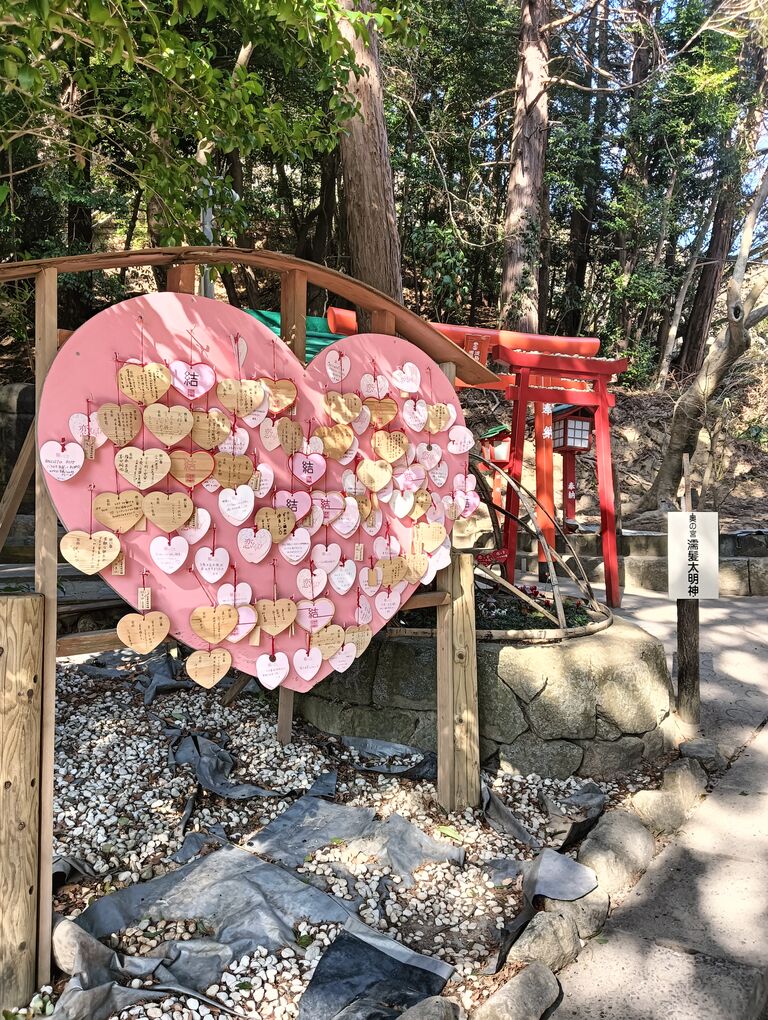
I visited the main shrine, the smaller "hidden" shrines in the back, and even a small zoo called "Miya-Zoo."
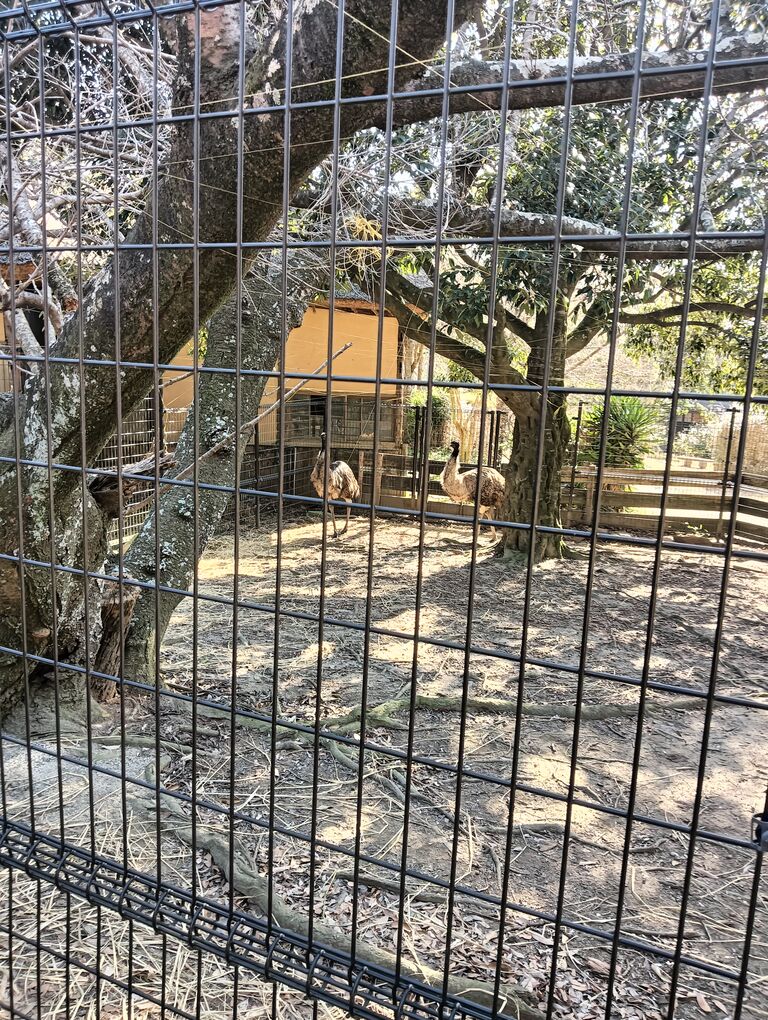
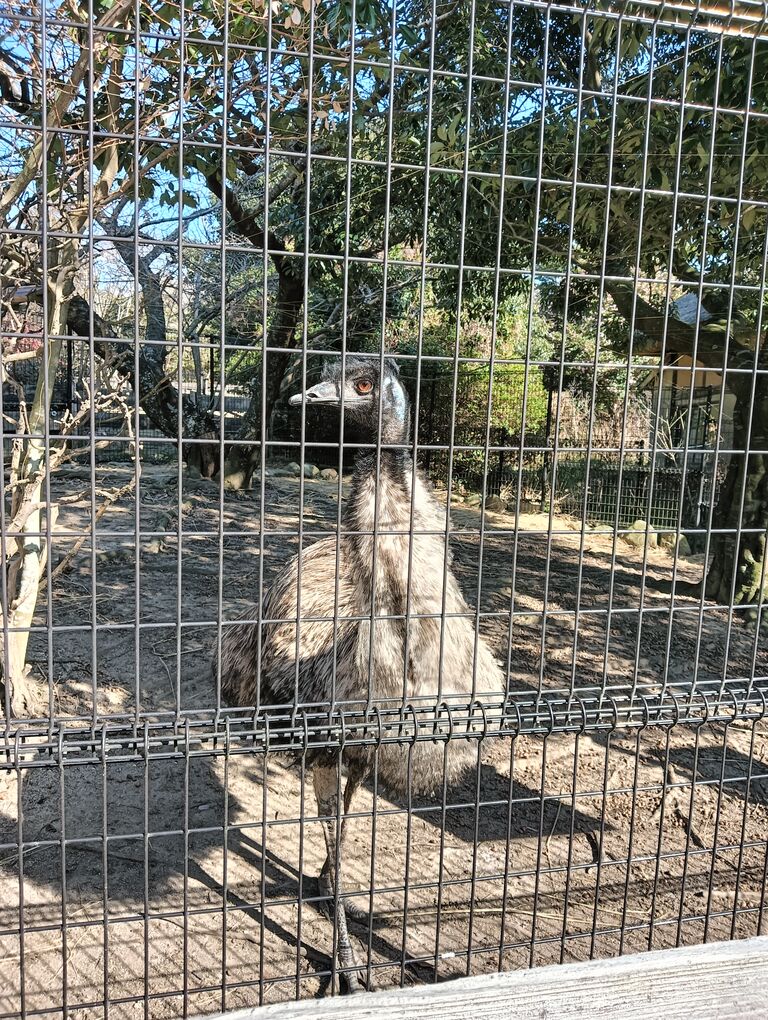
The emus there greeted me with their strange, deep voices.
The shrine was very busy because of the upcoming "Setsubun" festival (the bean-throwing tradition to welcome spring).
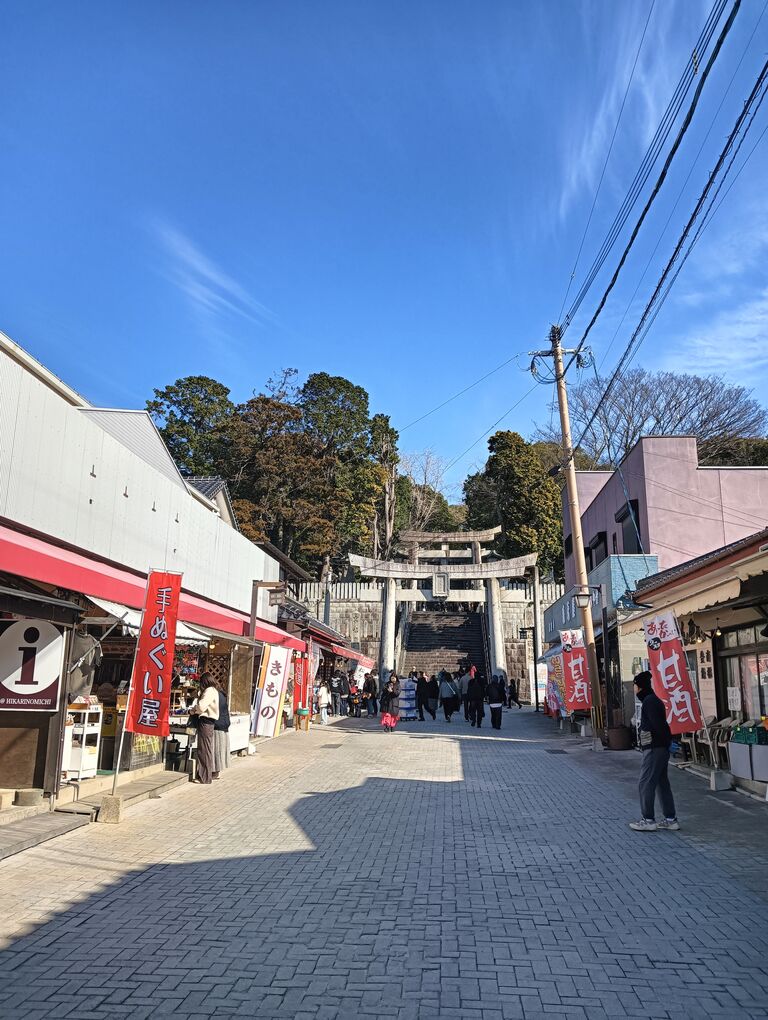
The parking lot was full, and the shops on the street leading to the shrine were very lively.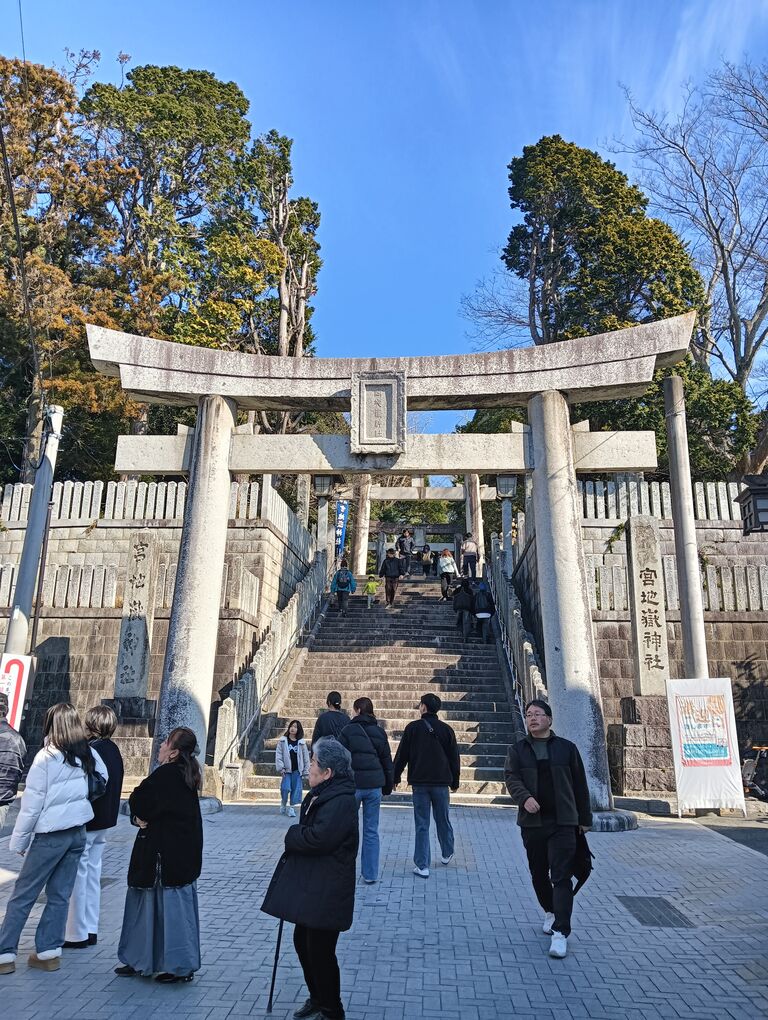
Usually, I have to stop many times to catch my breath, but thanks to my new walking style, I reached the top easily!
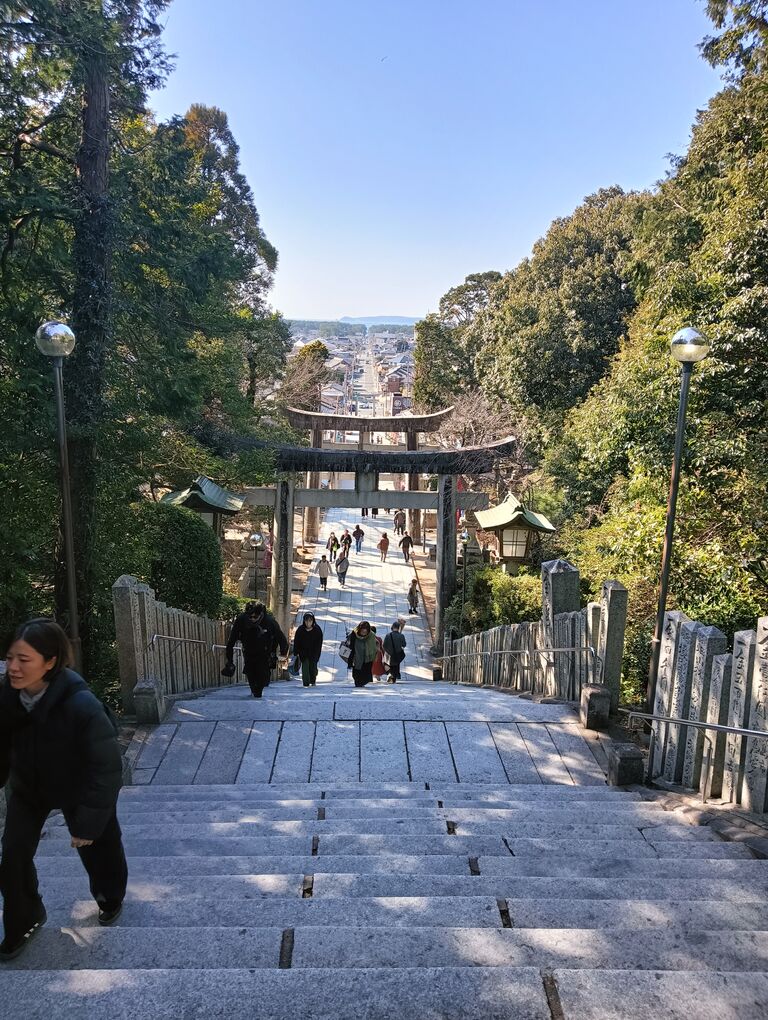
Miyajidake is famous for its "Path of Light," which looks straight out toward the sea.
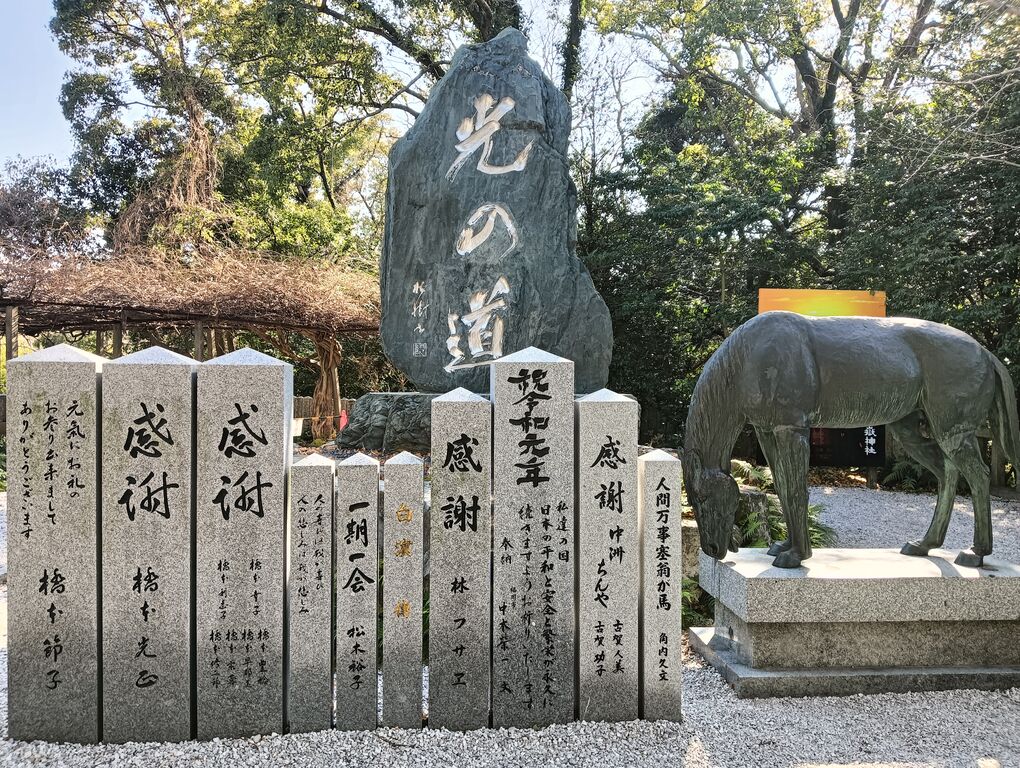
I also noticed a horse statue that looks like it is eating grass.
Because many people touch it for good luck, one specific part of its belly is shining like gold!
The crowd wasn’t just because it was Saturday;
everyone is getting ready for Setsubun.
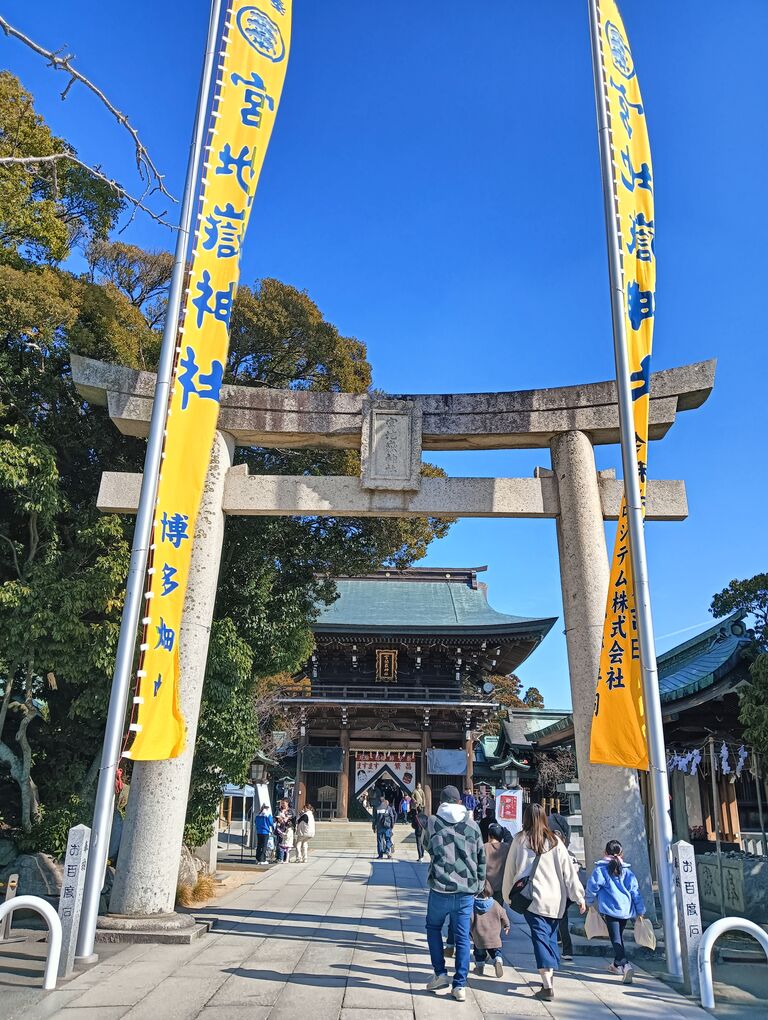
While many places use a giant
"Otafuku" mask (the Goddess of Mirth) with a gaping mouth for
visitors to walk through, here they had a traditional square wooden box (masu)
style setup.

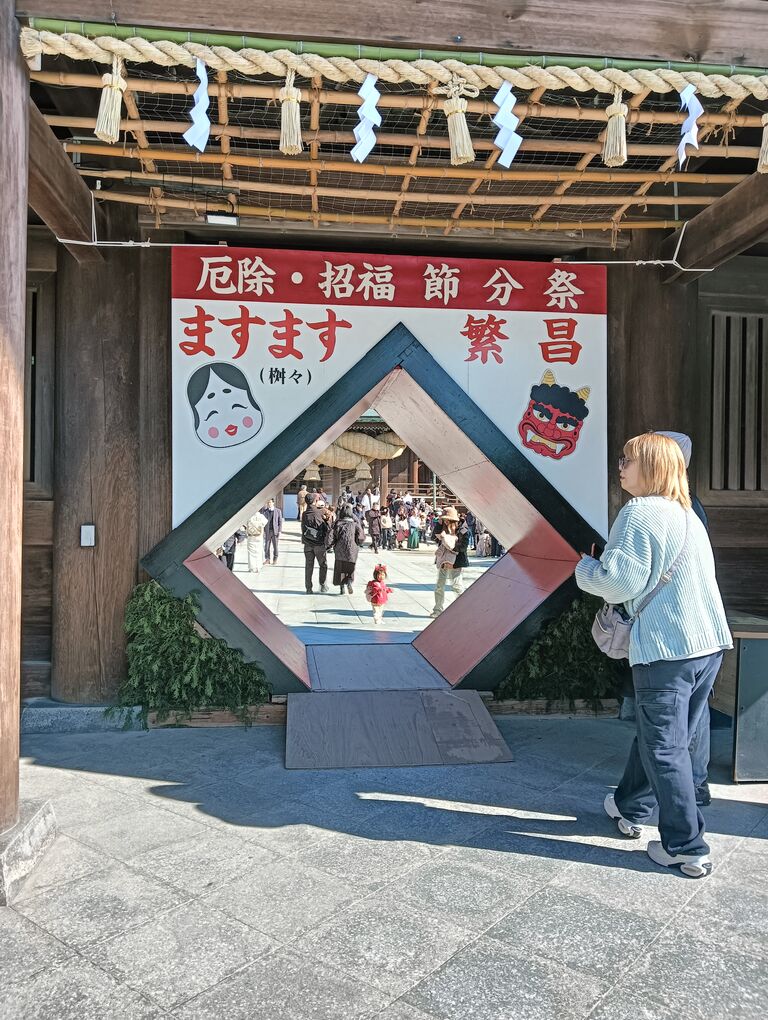
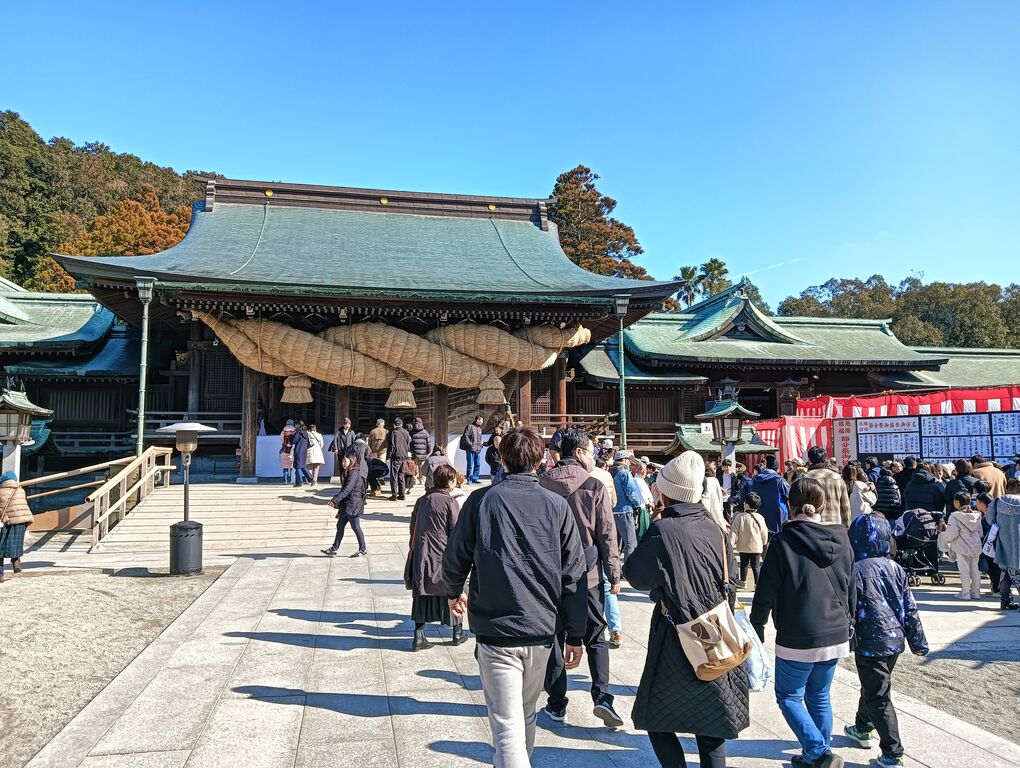
In front of the main hall, they were preparing a bean-throwing event for children.
The announcements were very strict—telling parents not to put kids on their shoulders and checking everyone's height.
It was a bit funny to hear so many rules!
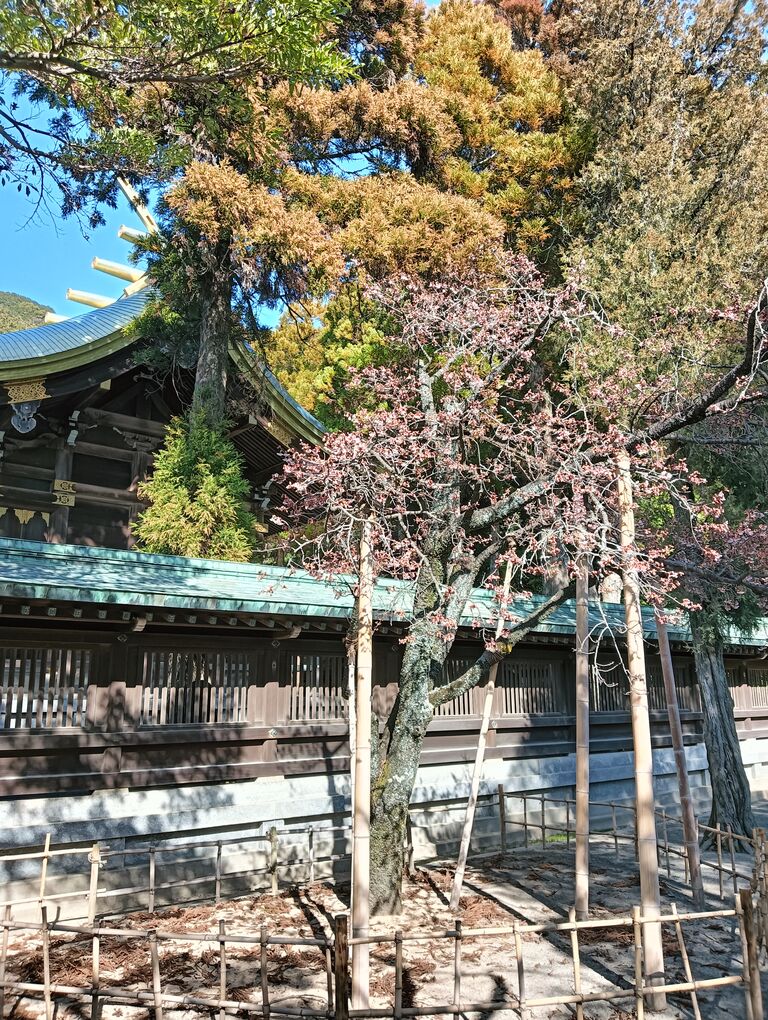
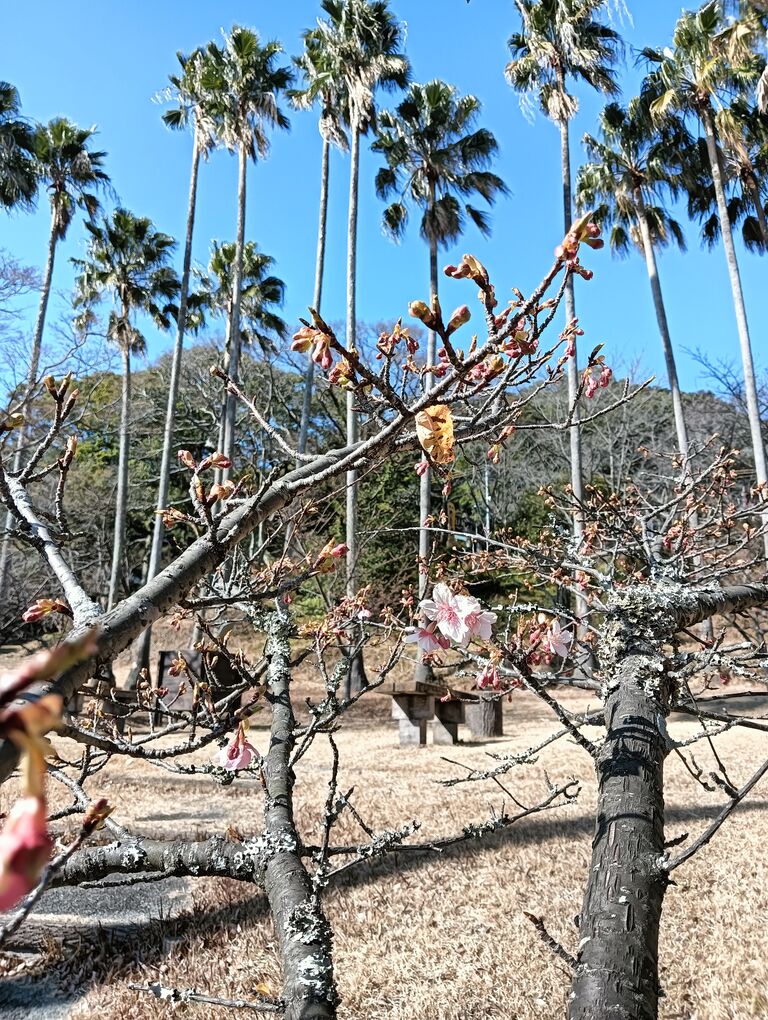
But my real mission wasn't just the rituals—it was to
see those early cherry blossoms.
I was so happy to see that they have started to bloom! 🌸
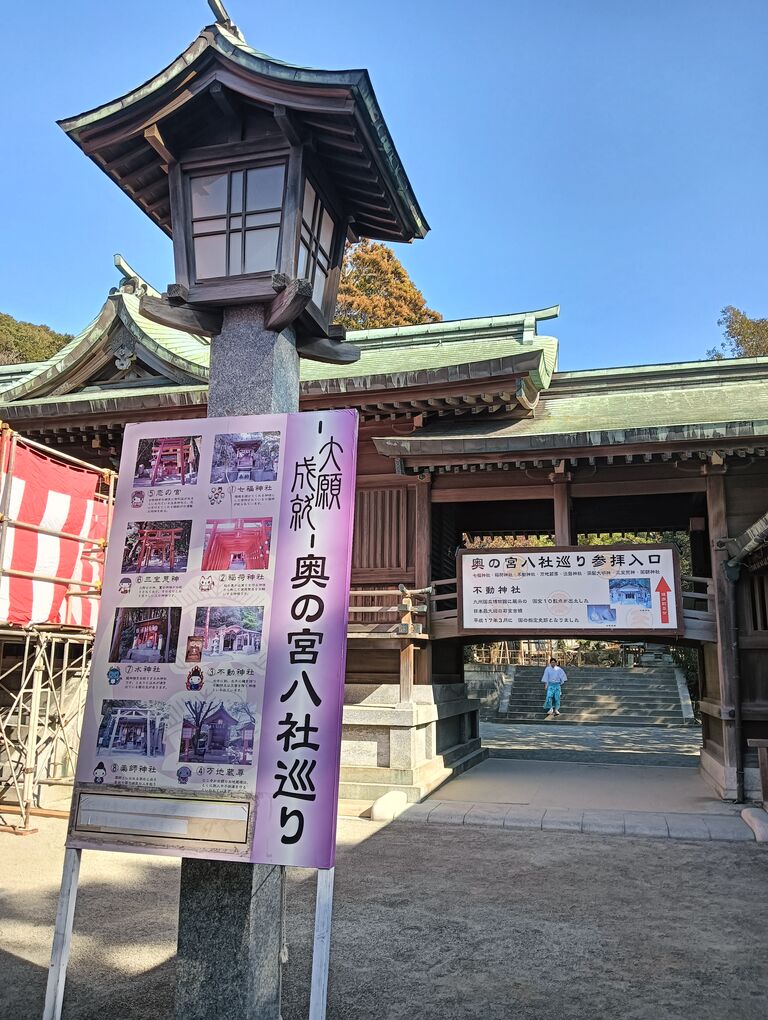
The Back Shrines and the Zoo
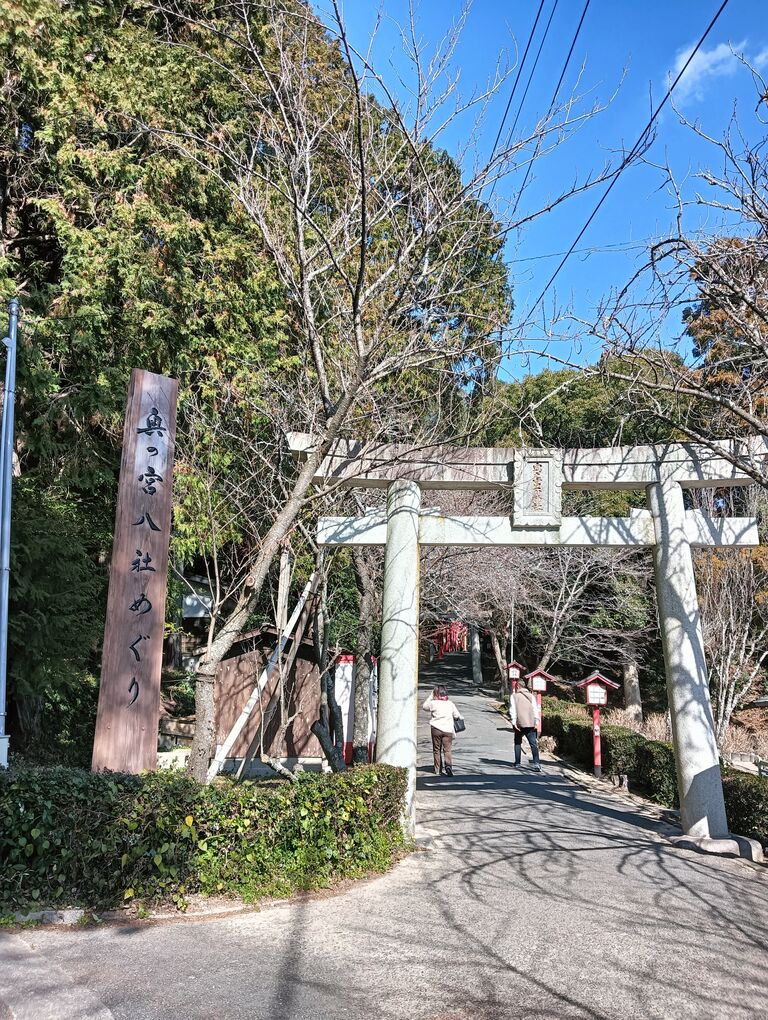
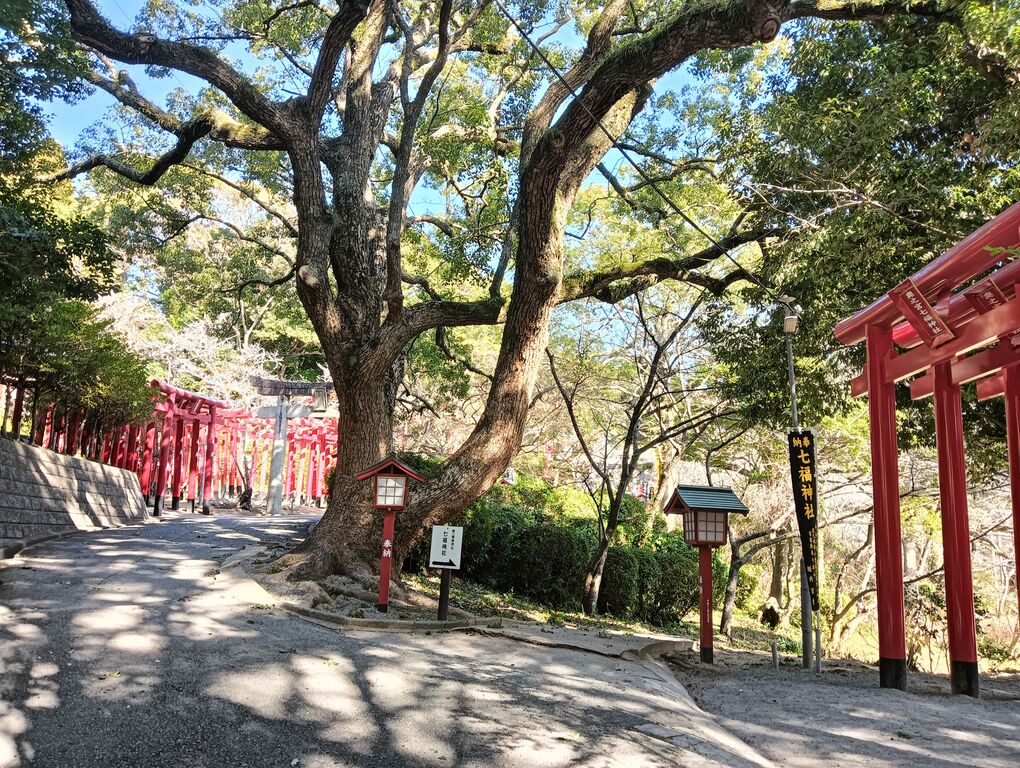
The red gates (Torii) always make me feel energetic.
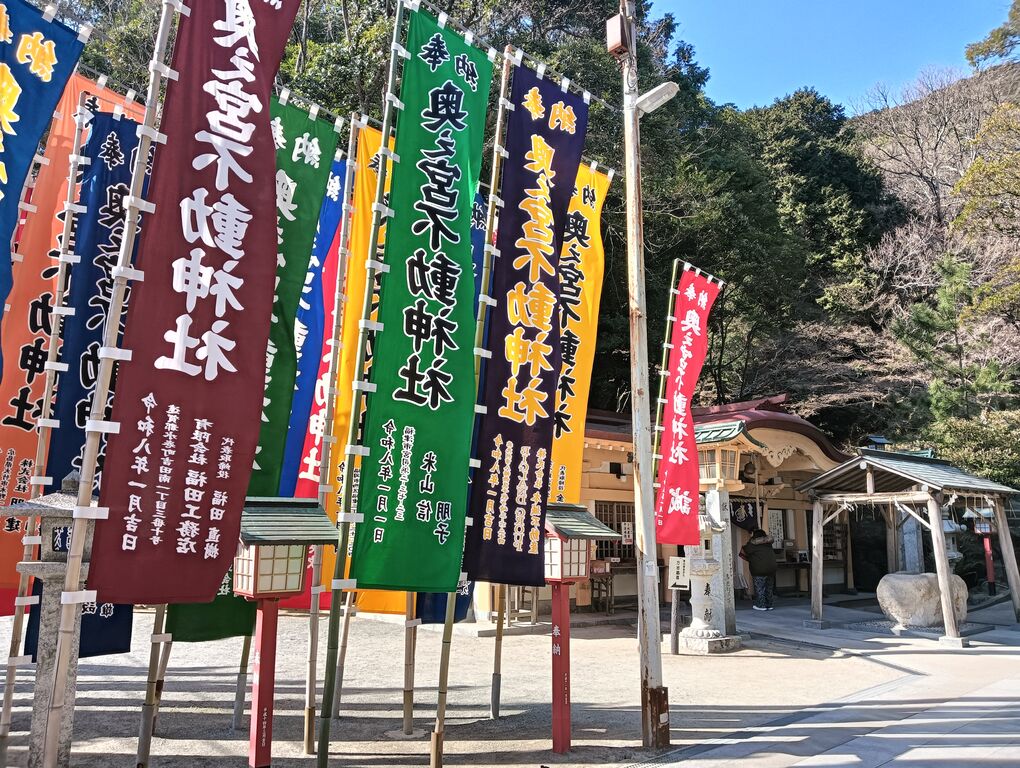
I visited the Fudo Shrine, which is actually built inside an ancient burial mound with a massive stone chamber.
Right nearby is the trailhead for Mount Miyajidake,
usually reserved for the "pro" hikers with strong legs.
I am still a beginner at my new walking style, so I decided to skip the mountain climb this time!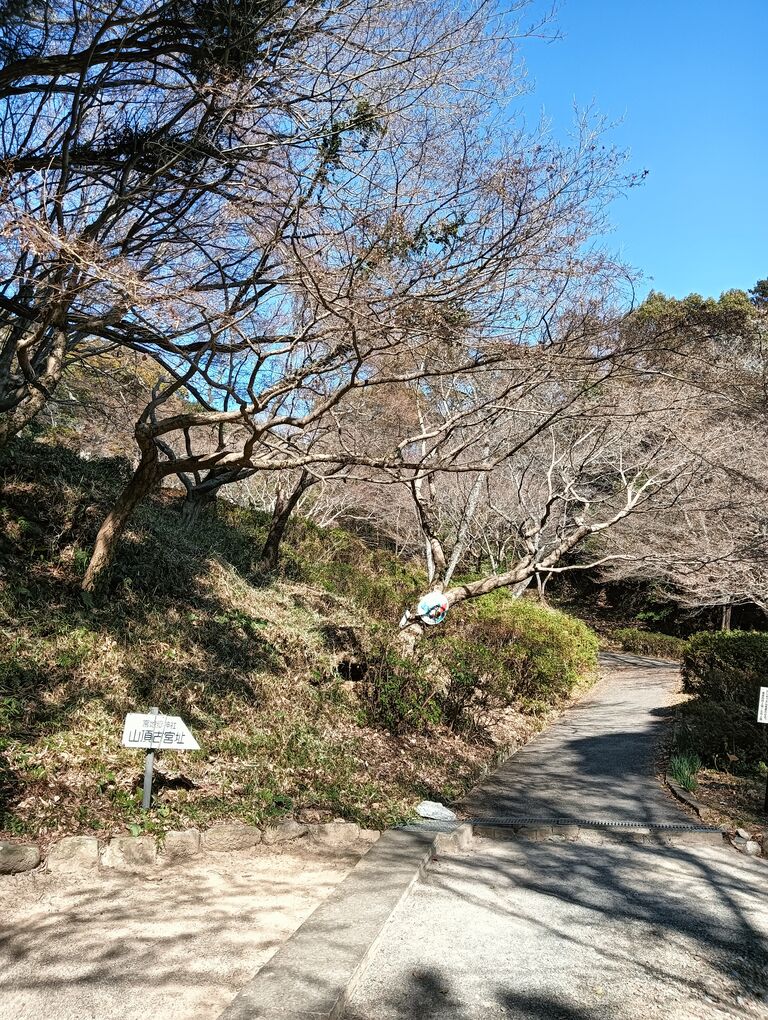
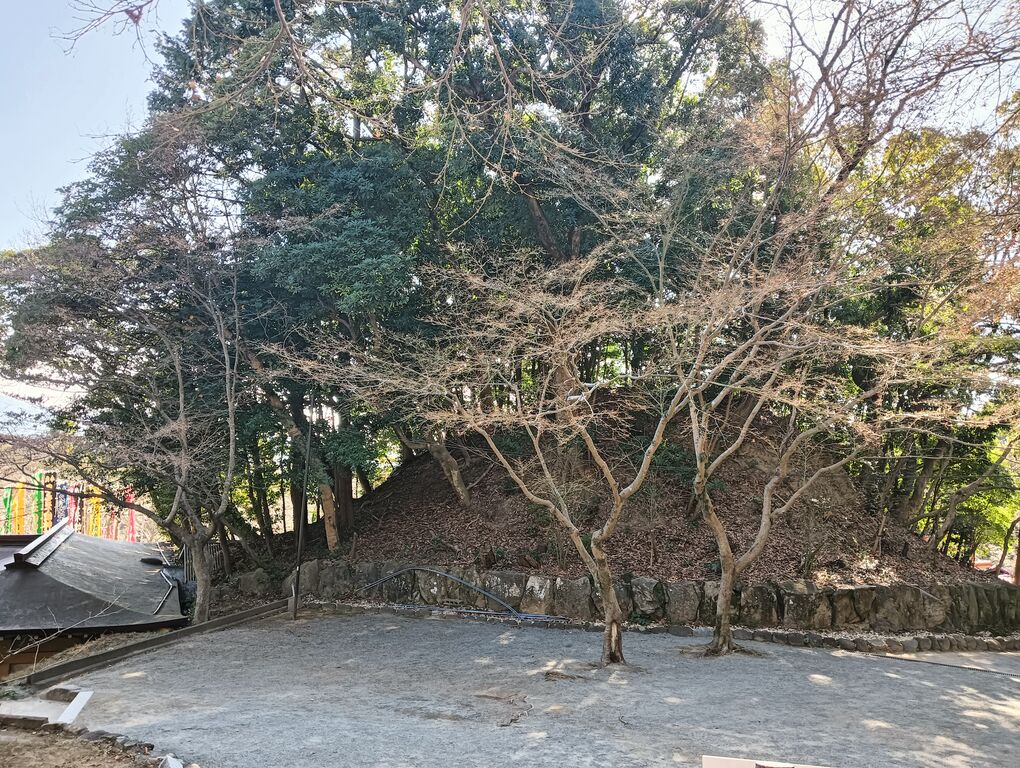
I saw many people praying there.
It reminded me of a Japanese saying that "believing leads to profit."
Even if you don't have a specific wish, it feels good to visit.
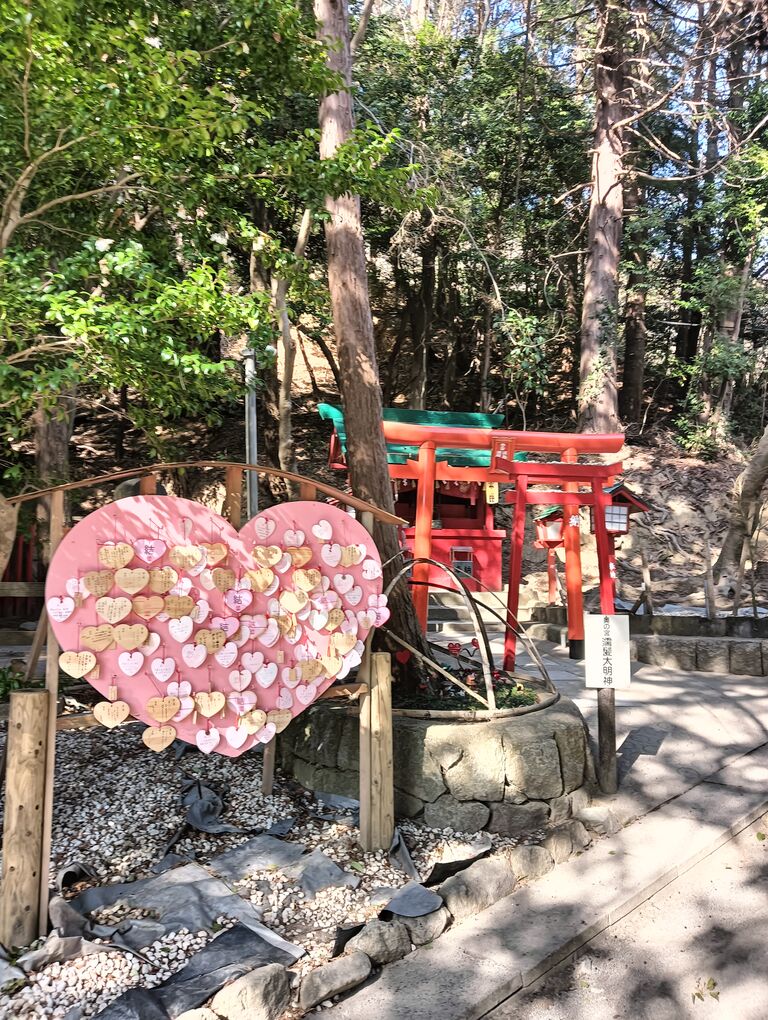
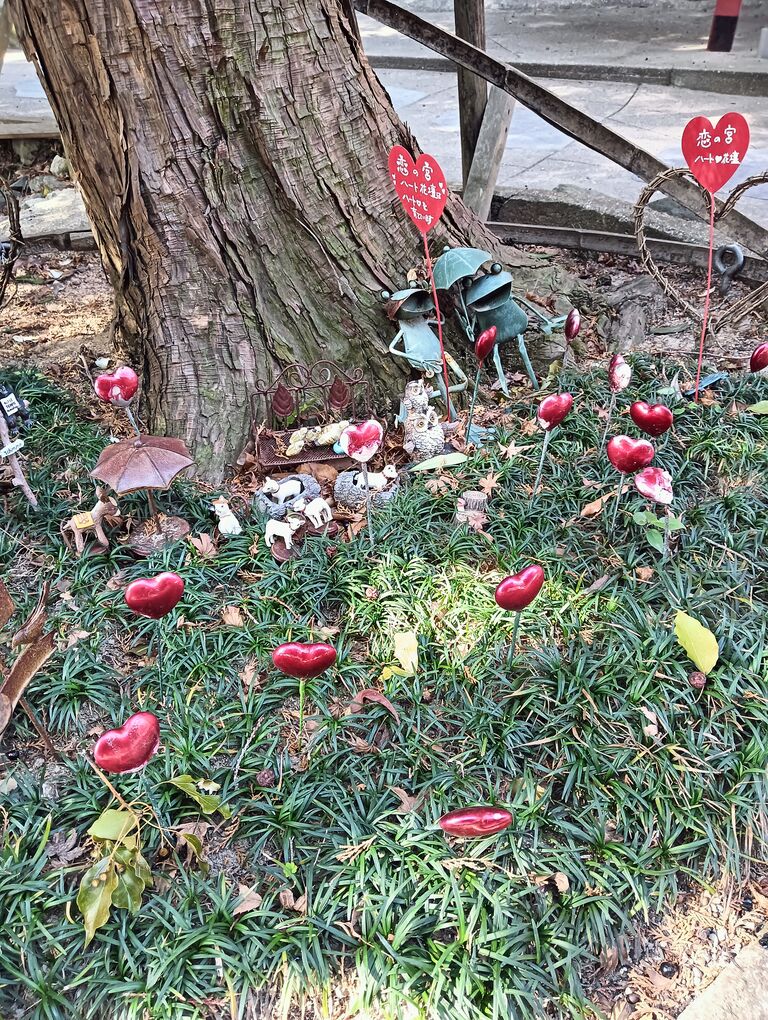
Though, I have to admit,
standing there with absolutely nothing to wish for felt a little bit cheeky.
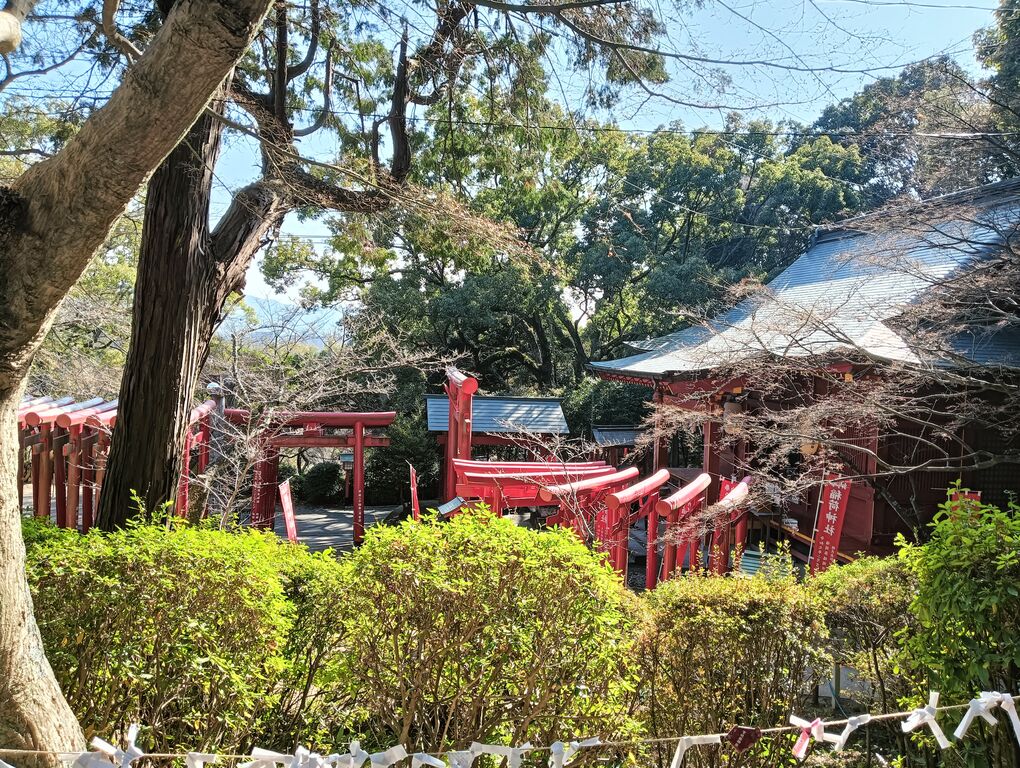
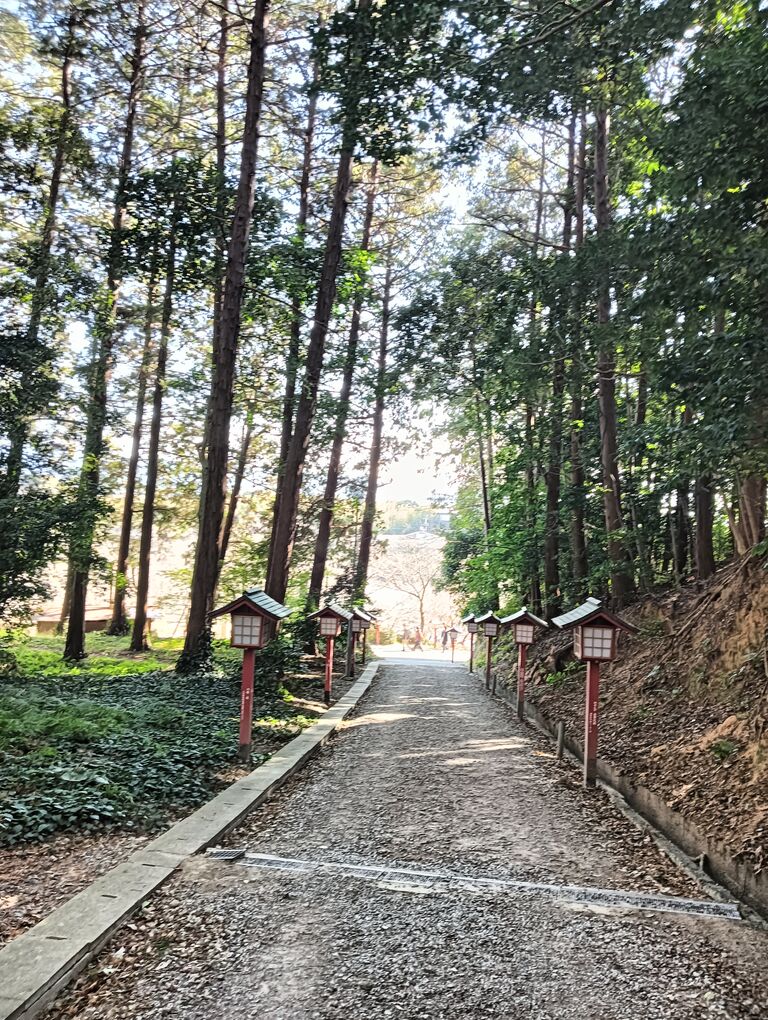
After finishing the shrine
circuit, I spotted some palm trees that looked a bit overgrown and slightly out
of place.
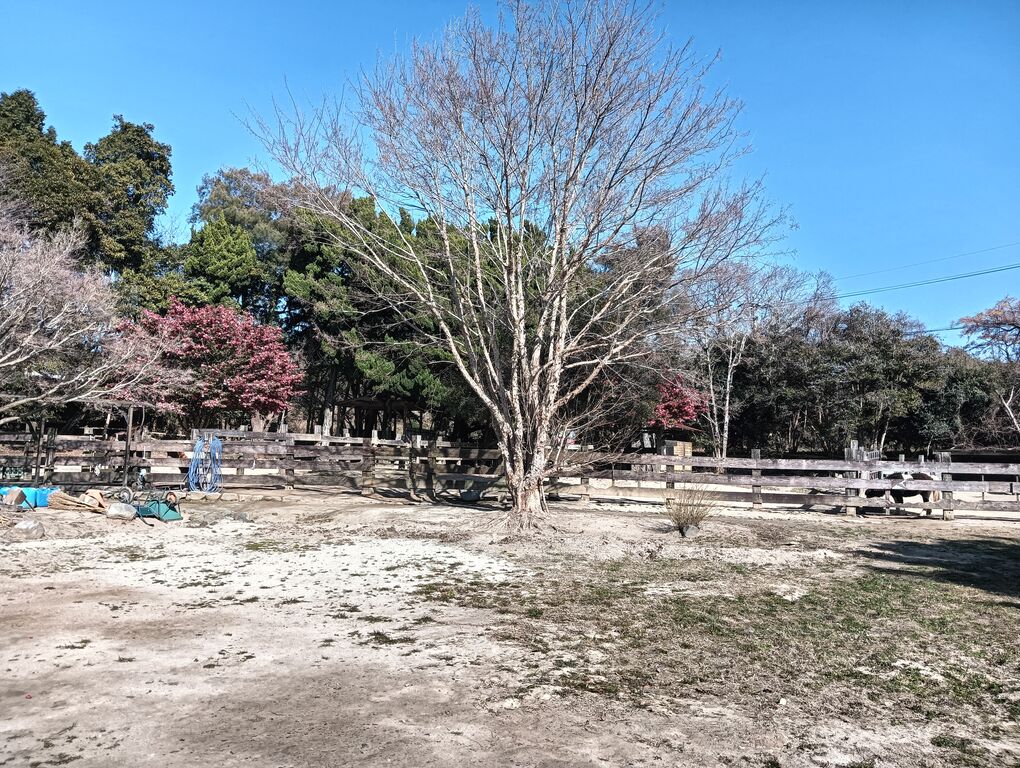
Finally, I went to Miya-ZOO.
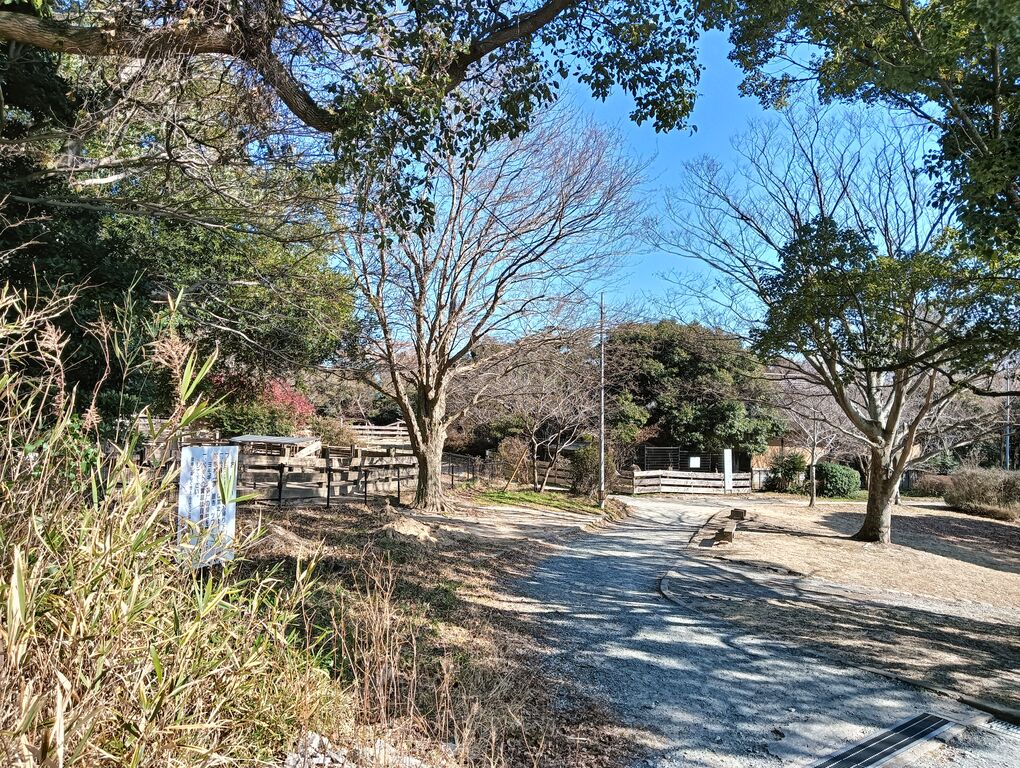
Wait... is everyone hibernating?
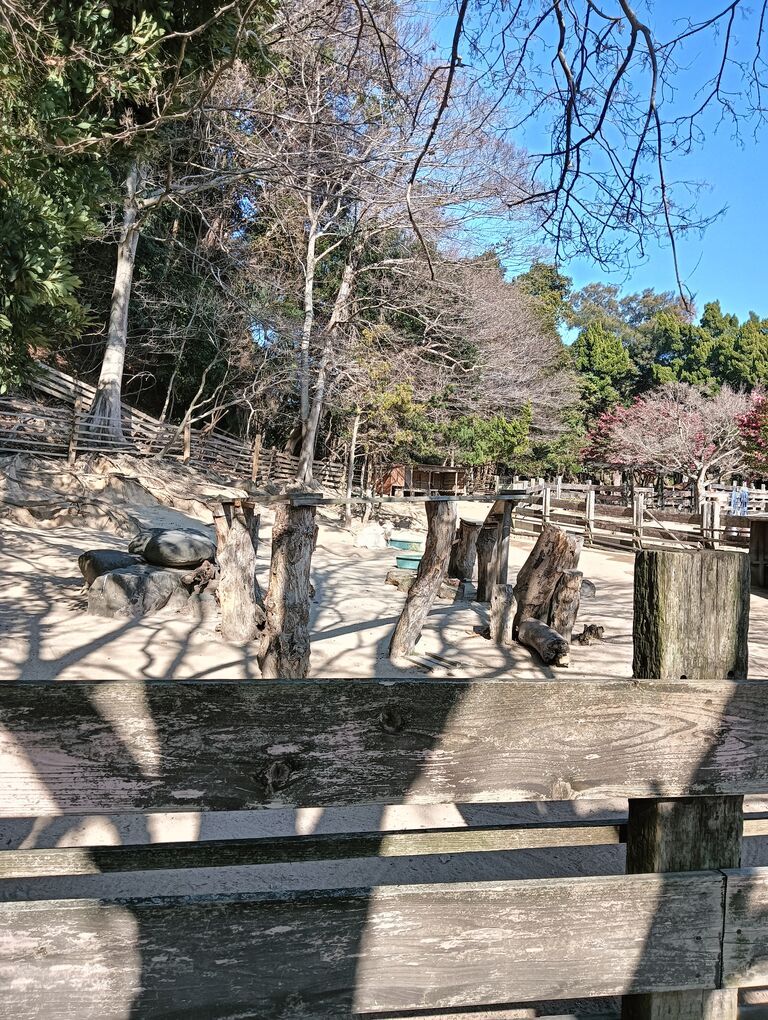
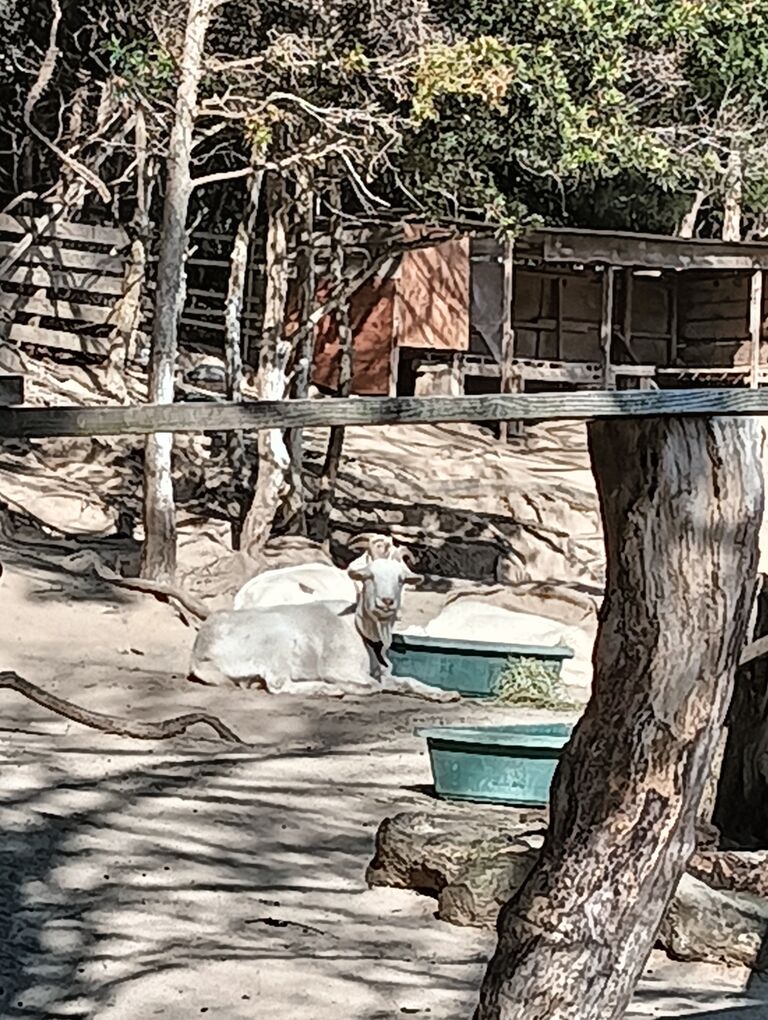
Ah, there we go—found the goats!
And the emus!
When I lived in Perth, I once saw them running alongside the highway in the suburbs -seeing emus made me feel nostalgic.
However, they looked a bit cold in the Japanese winter!
I also saw some traditional architecture called
"Kagiya-zukuri"—old folk houses moved here for display.
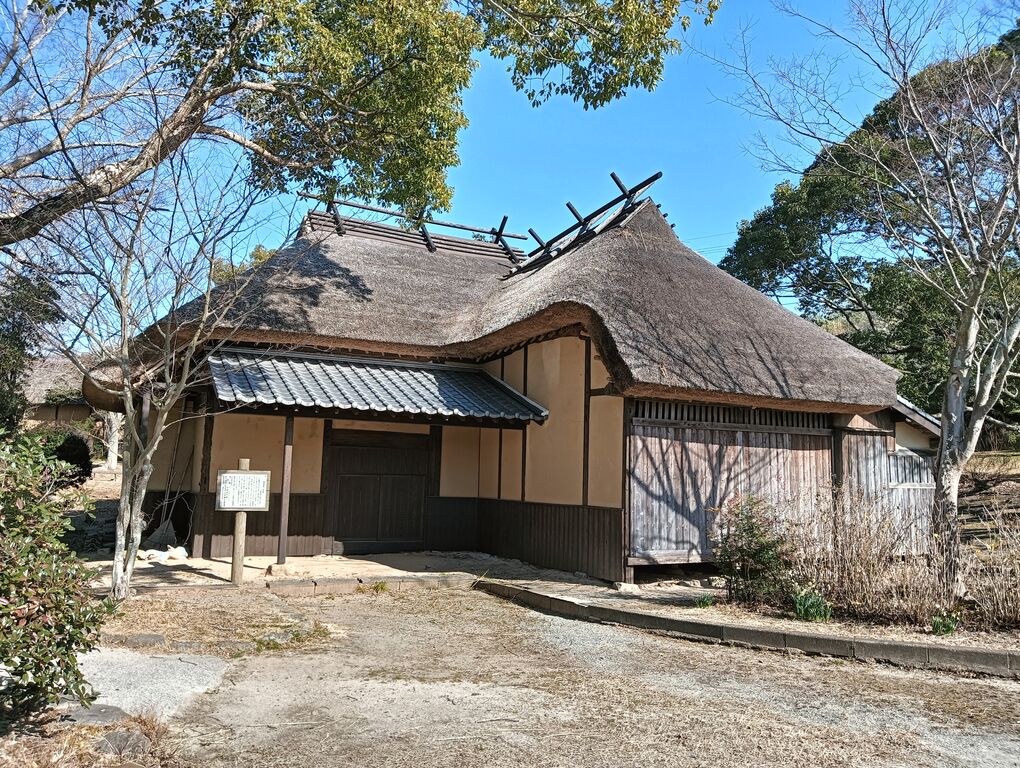
One looked great, but I’m a bit worried about the
upkeep of the one across from it. 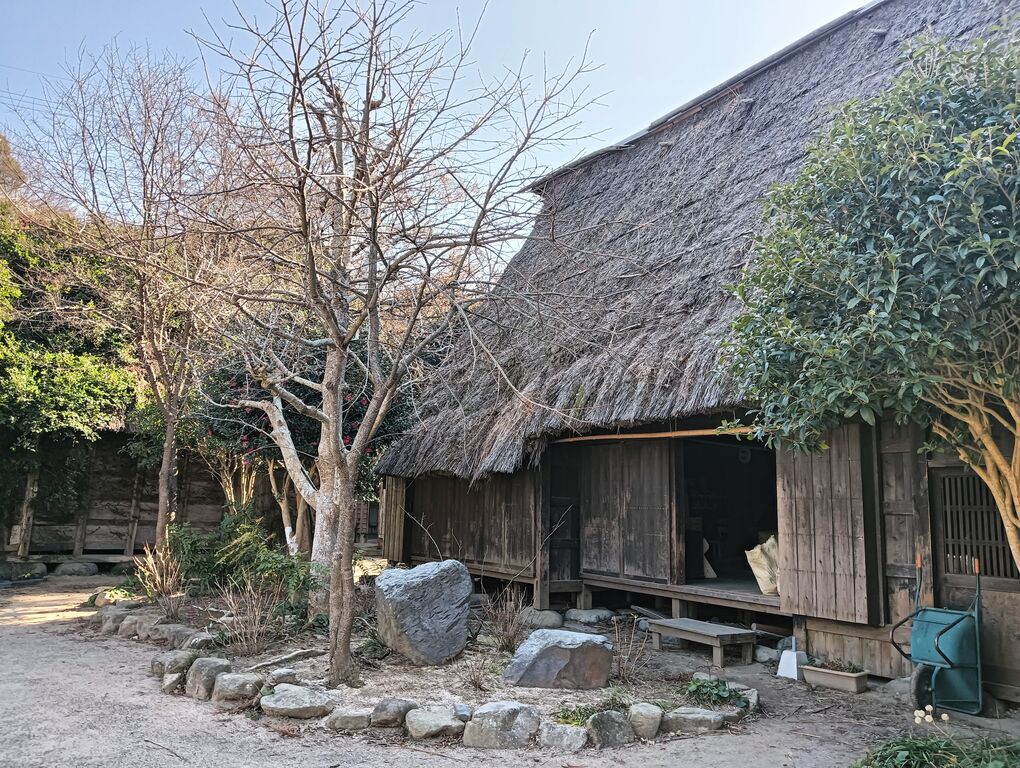
The iris garden is still tucked away in its winter
sleep.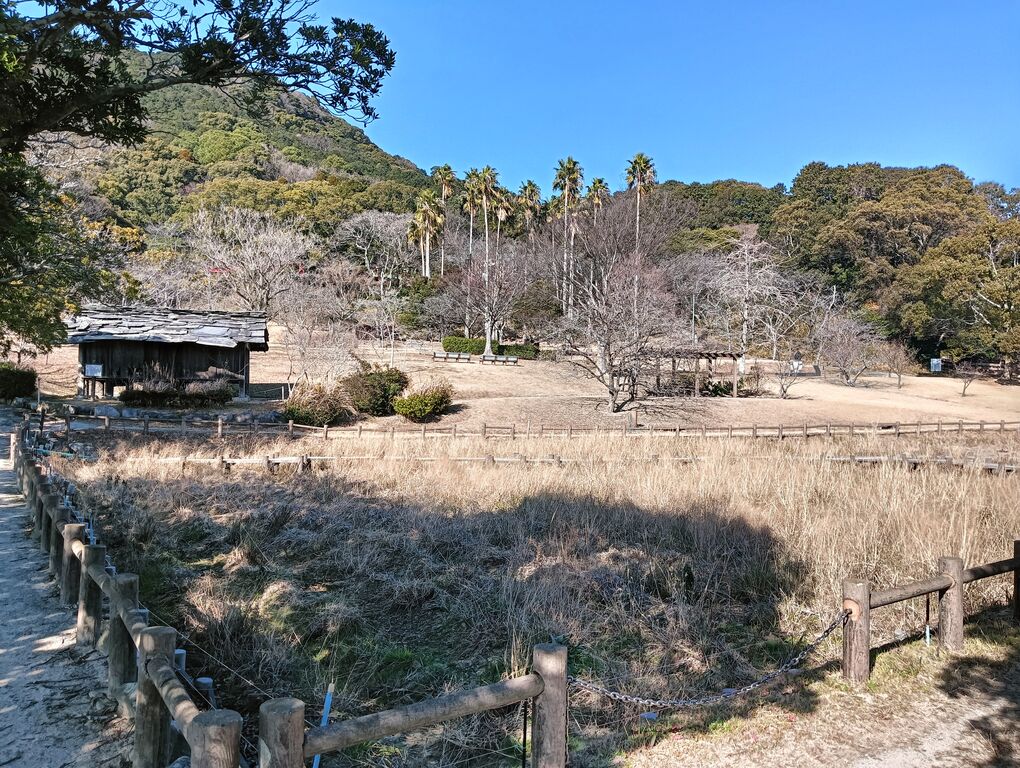
Back in the main shrine area, I realized there are
horse statues everywhere.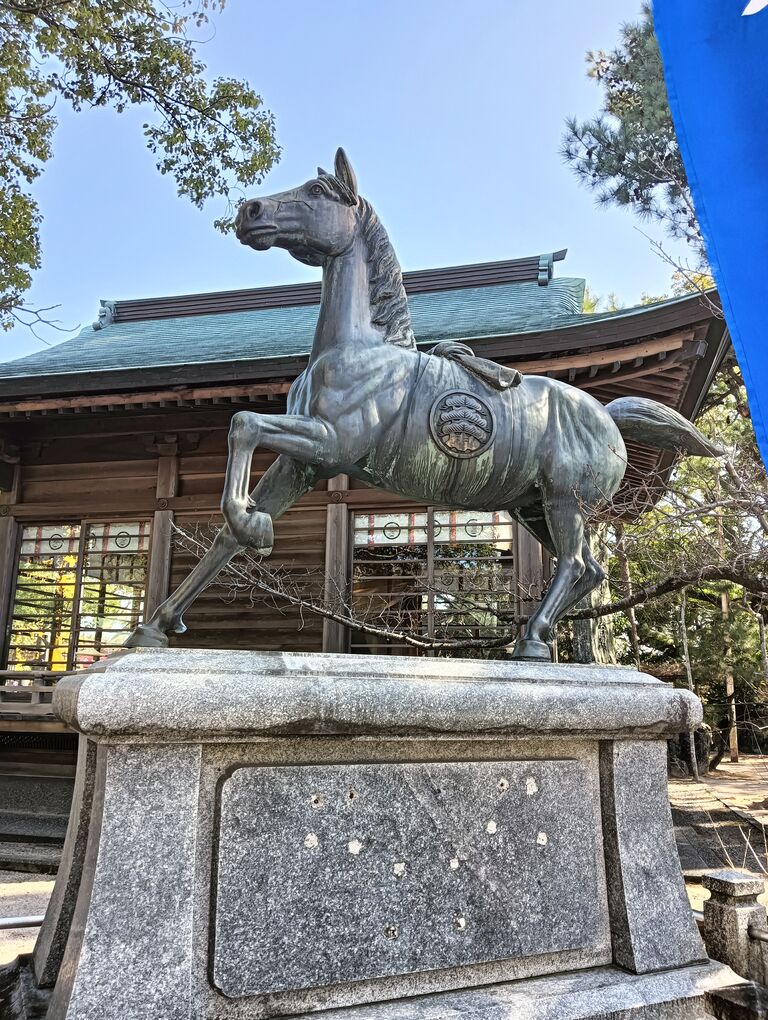
But judging by how shiny and polished the ox statues are, it seems the oxen are the real crowd favorites!
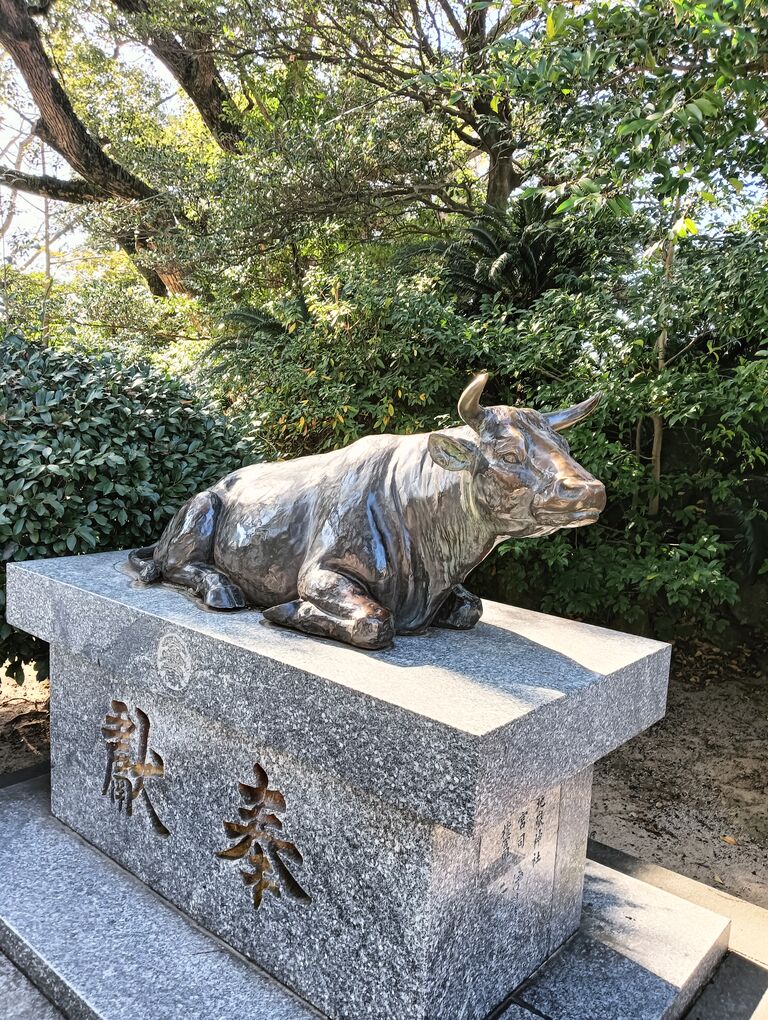
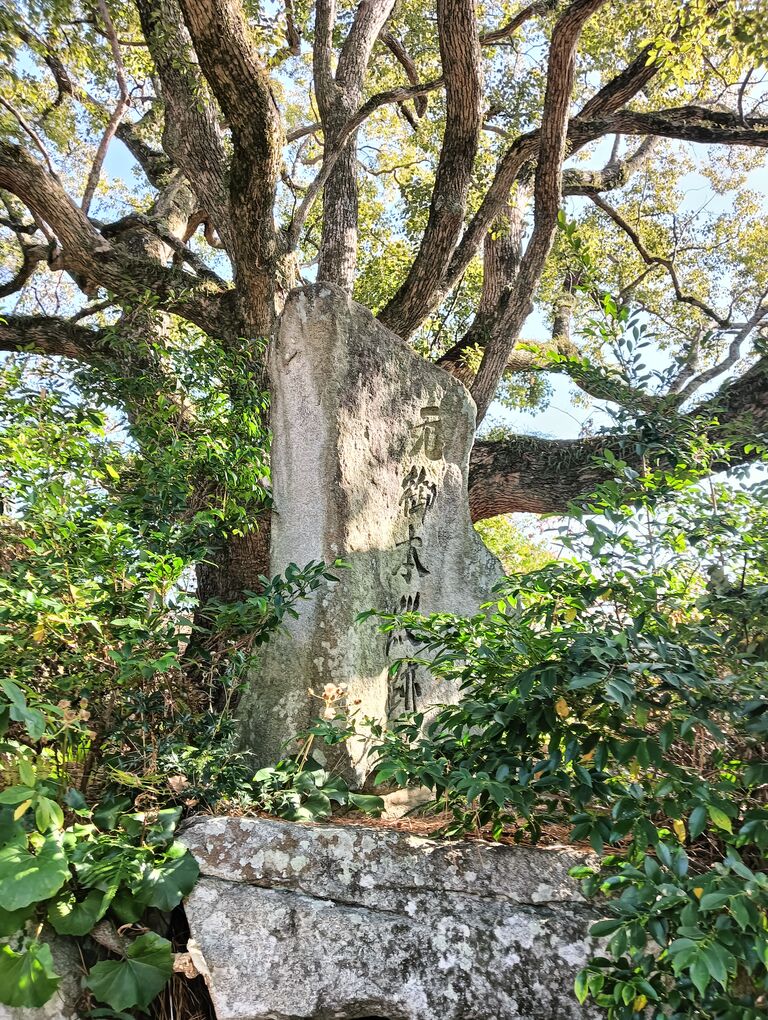
Most people walk right past it, but at the very top of
the stone steps, there’s the site where the original main shrine used to
stand. 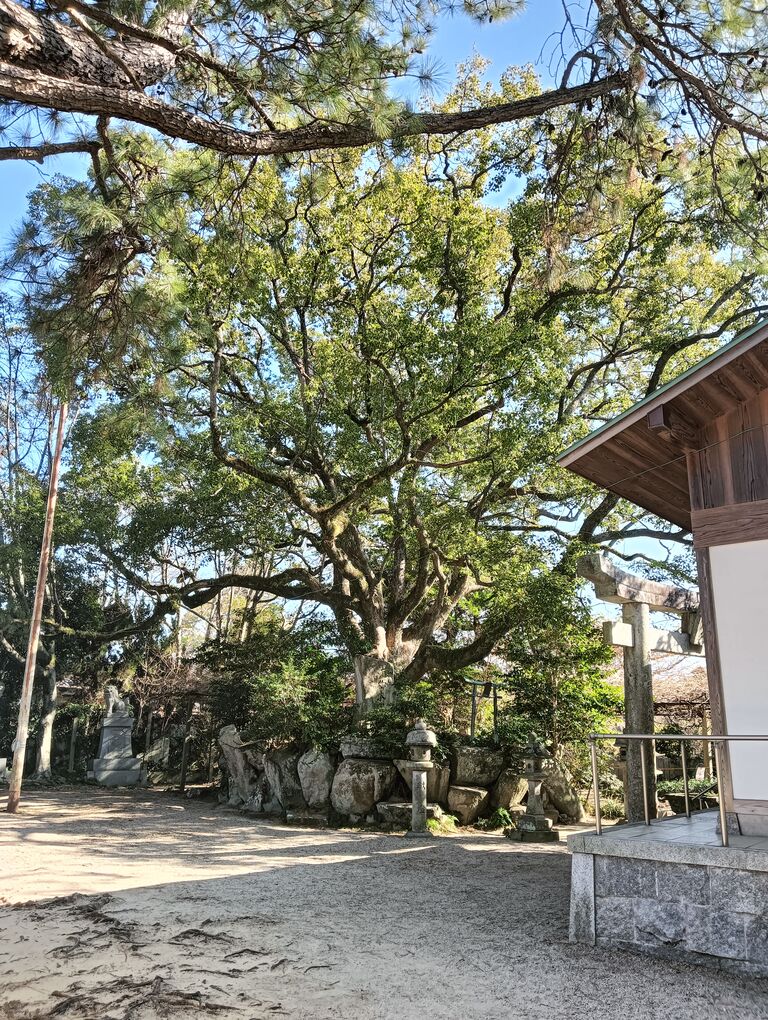
Just imagining the shrine as it was back then, standing tall at the end of that long climb, really gives you a sense of what these sacred spaces are all about.
On my way home, I bought some local oranges and "Matsugae-mochi" (rice cakes).
I also bought a bag of candied ginger.
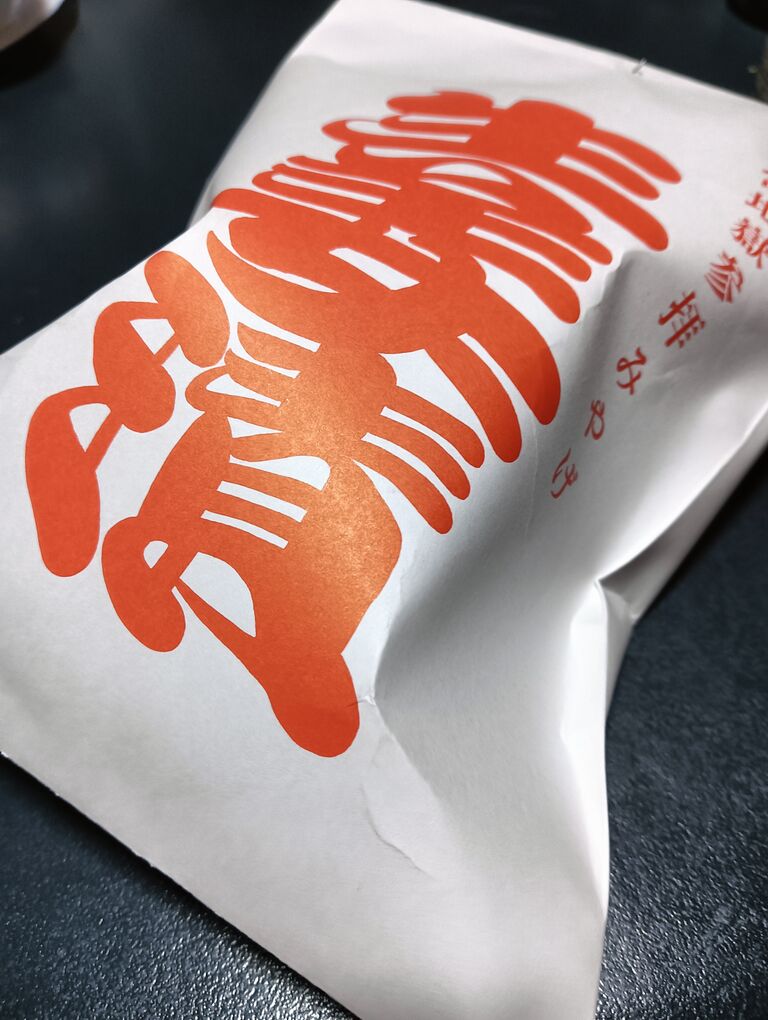
The bag looked very big and full, but when I opened it at home, there was only a little bit of ginger inside!
The paper was just very thick to make it look bigger.
A very clever way to sell "happiness" through packaging, I suppose!
I laughed and thought, "Oh well, that’s just how it is!"
In Japanese, we say when something can't be helped: "sho-ga-nai", which is a funny pun because shoga means ginger! and nai (not available).


Comments
Post a Comment