Restored Aso Shrine and Mt. Aso Nakadake Crater
By October, it suddenly started to feel like autumn.
My son invited me on a drive to Mt. Aso, so off we went.
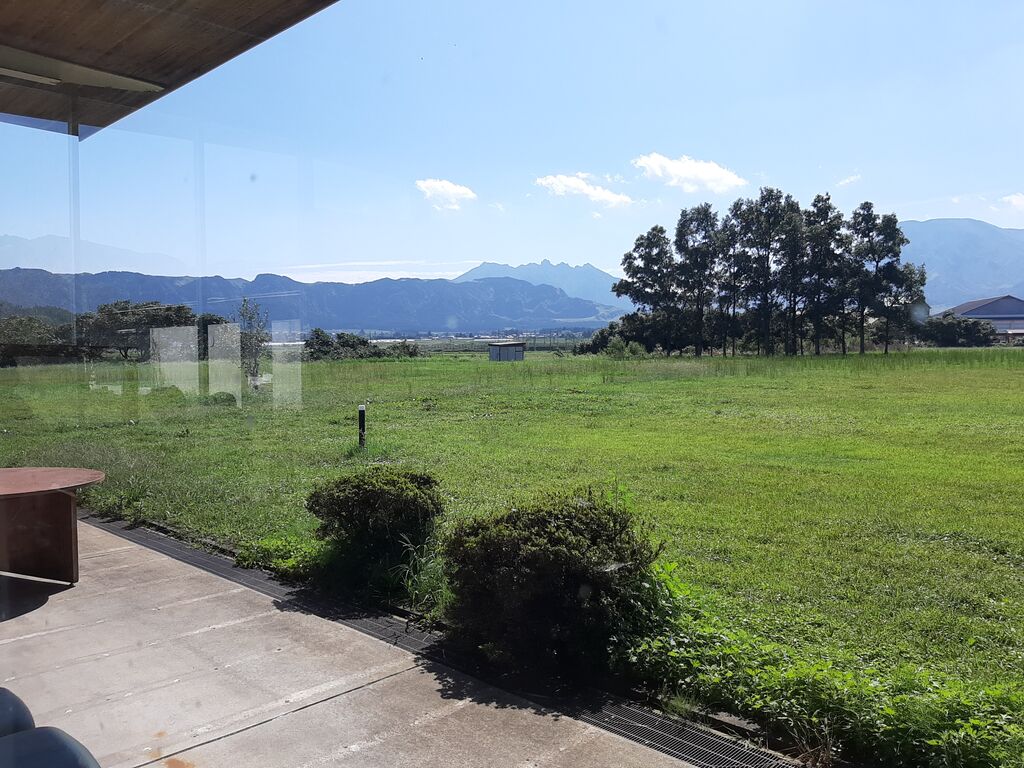
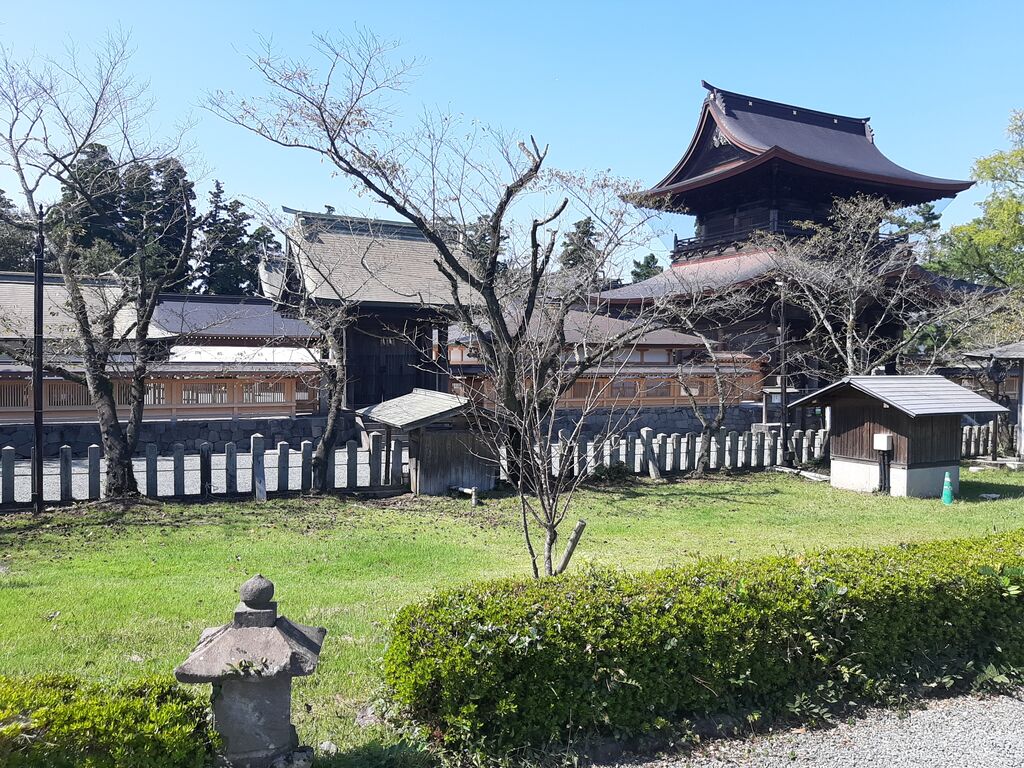
We had a hearty lunch at a restaurant near Aso Shrine, then made our way to the shrine itself, now finally restored after the devastation of the big earthquake.
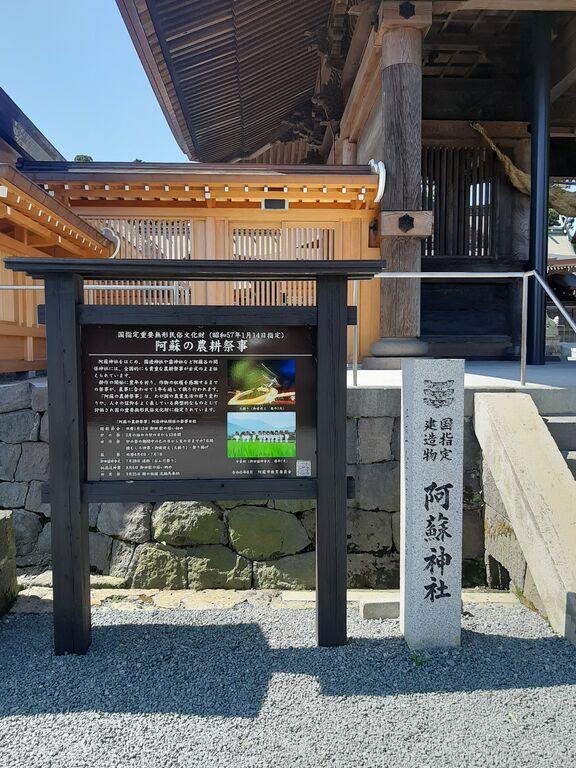
Standing there, it was hard to imagine the scale of damage the shrine once suffered.
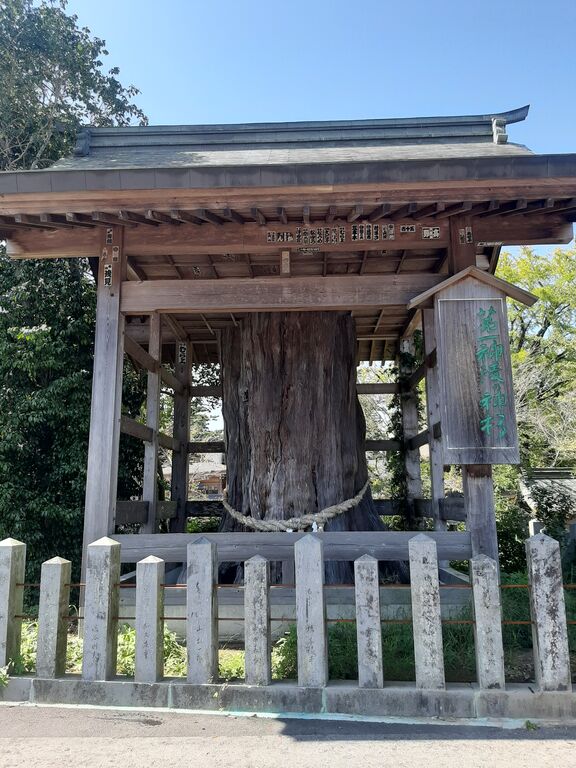
The towering sacred trees that used to dominate the caldera plain must have been magnificent.
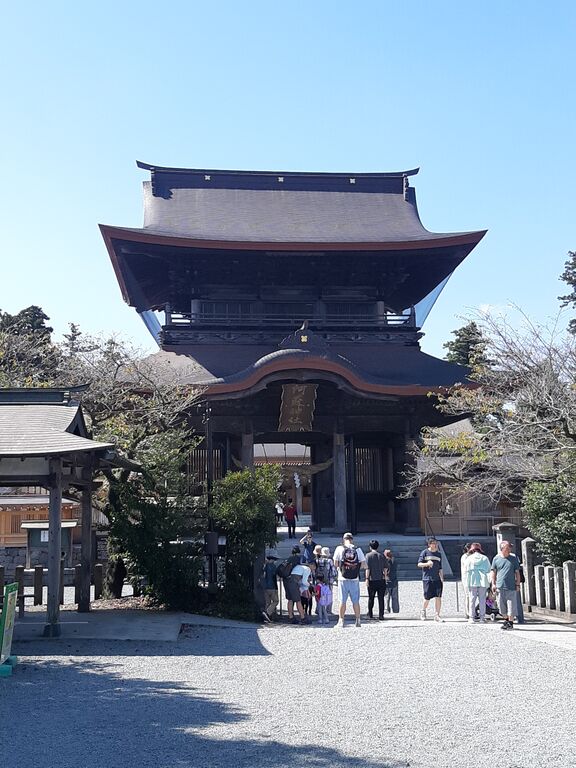
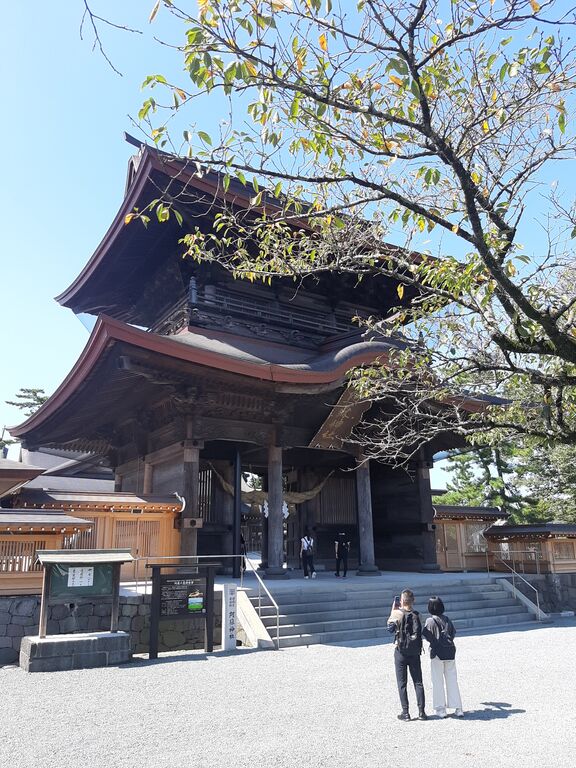
The rebuilt rōmon (tower gate) looks as imposing as ever, showing no trace of the destruction.
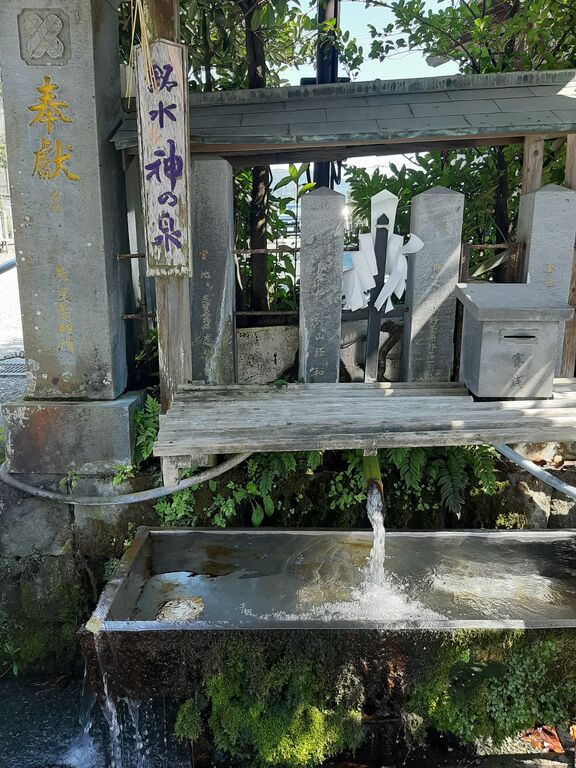
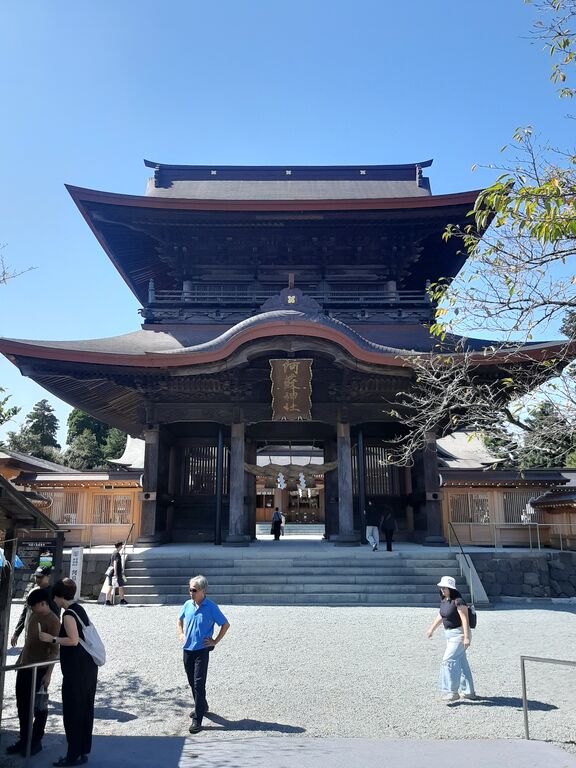
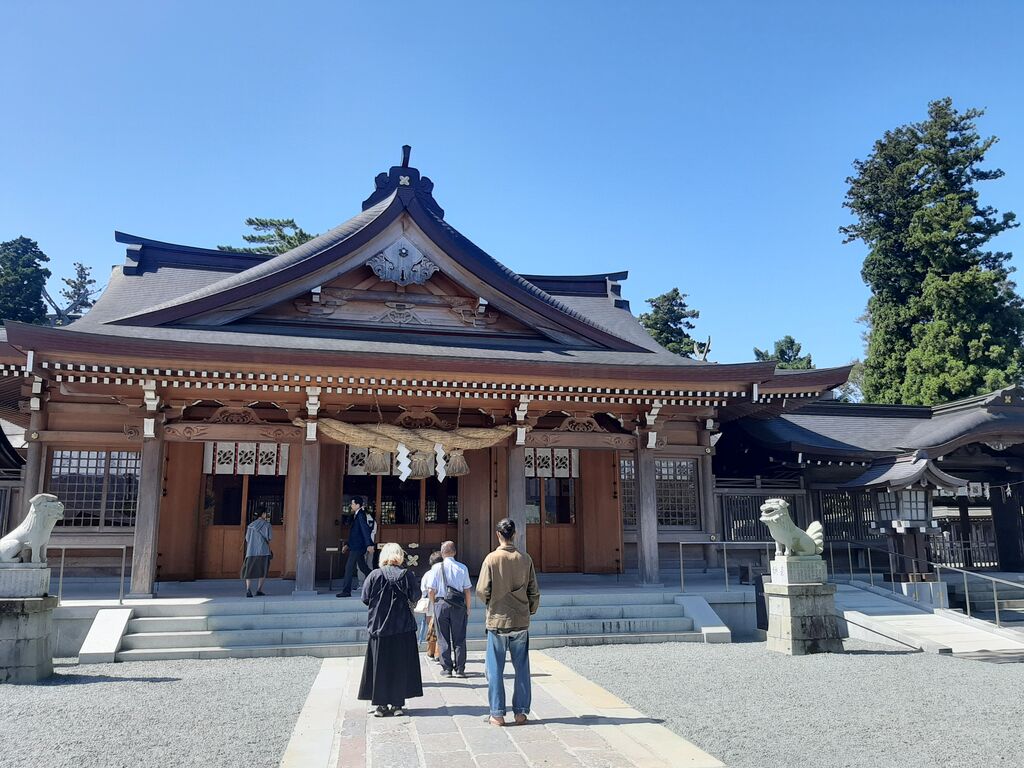
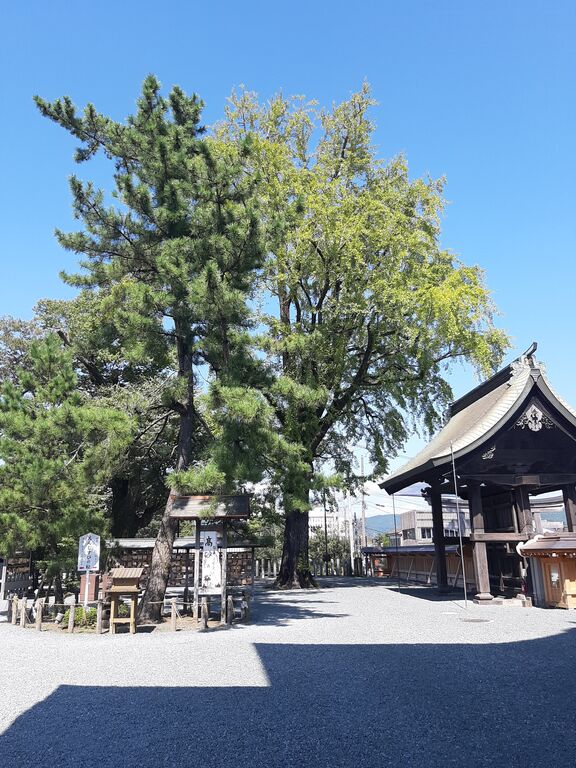
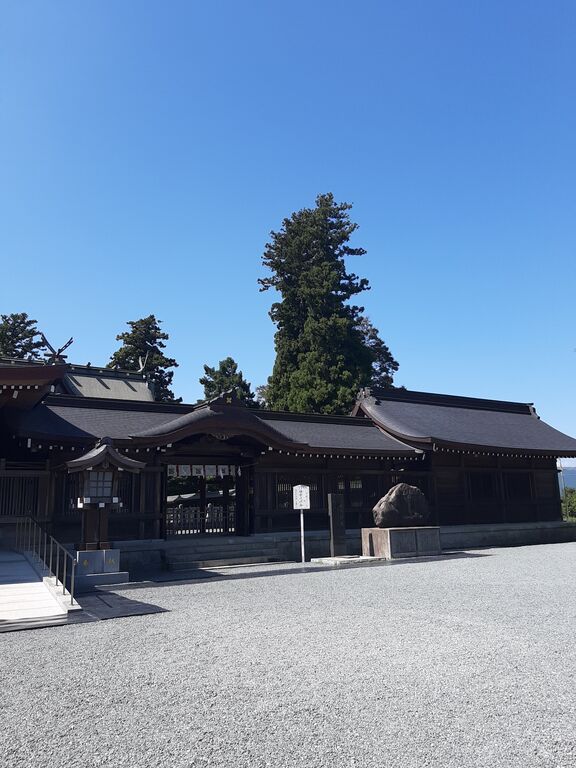
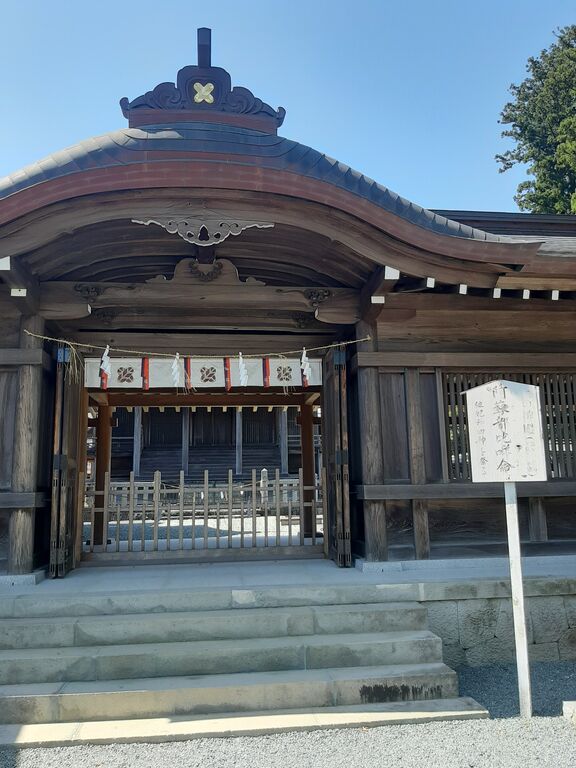
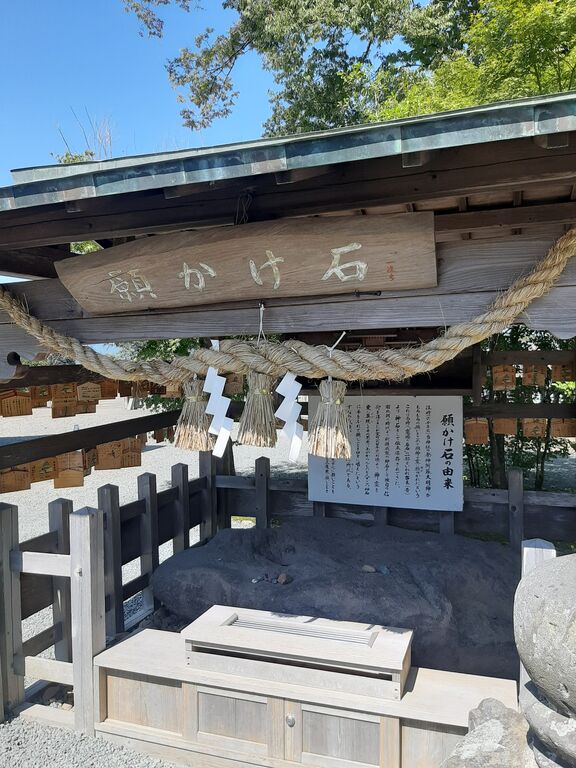
Visitors from overseas were quietly circling the shrine buildings, following the custom of making three rounds. It was a solemn sight.
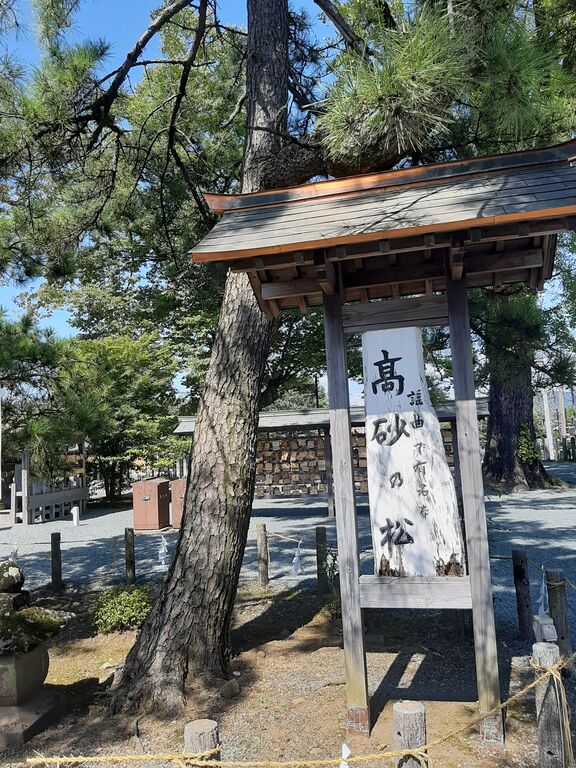
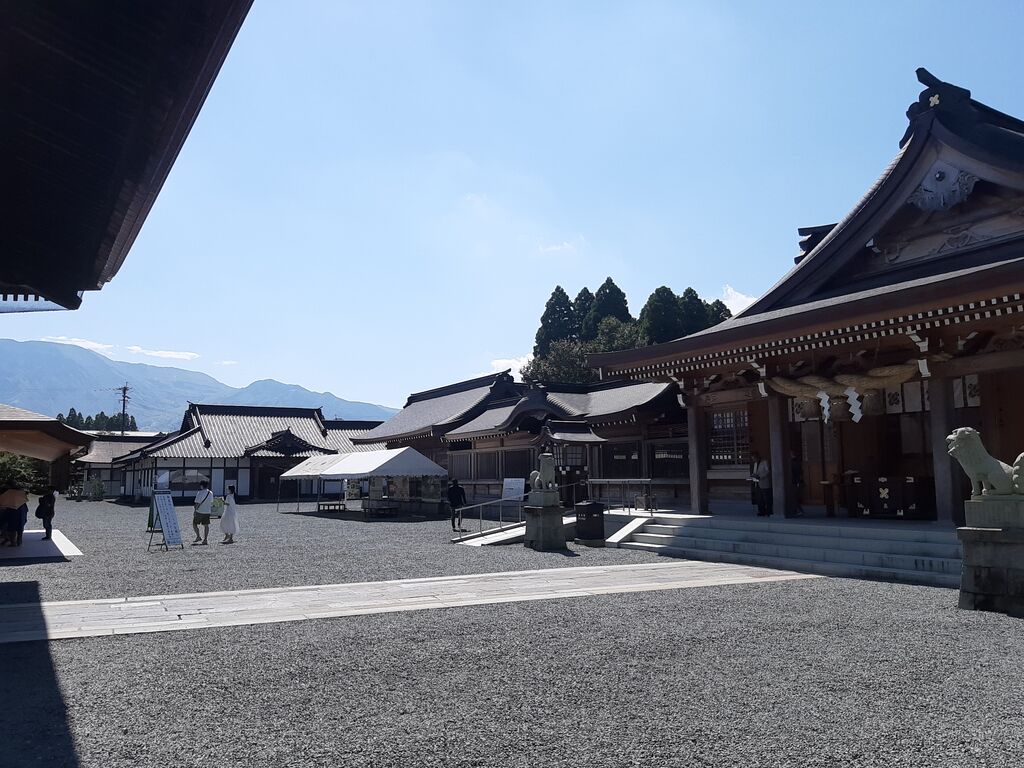
Panels along the approach explained the ongoing restoration of the shrine’s main sanctuaries, designated as Important Cultural Properties.

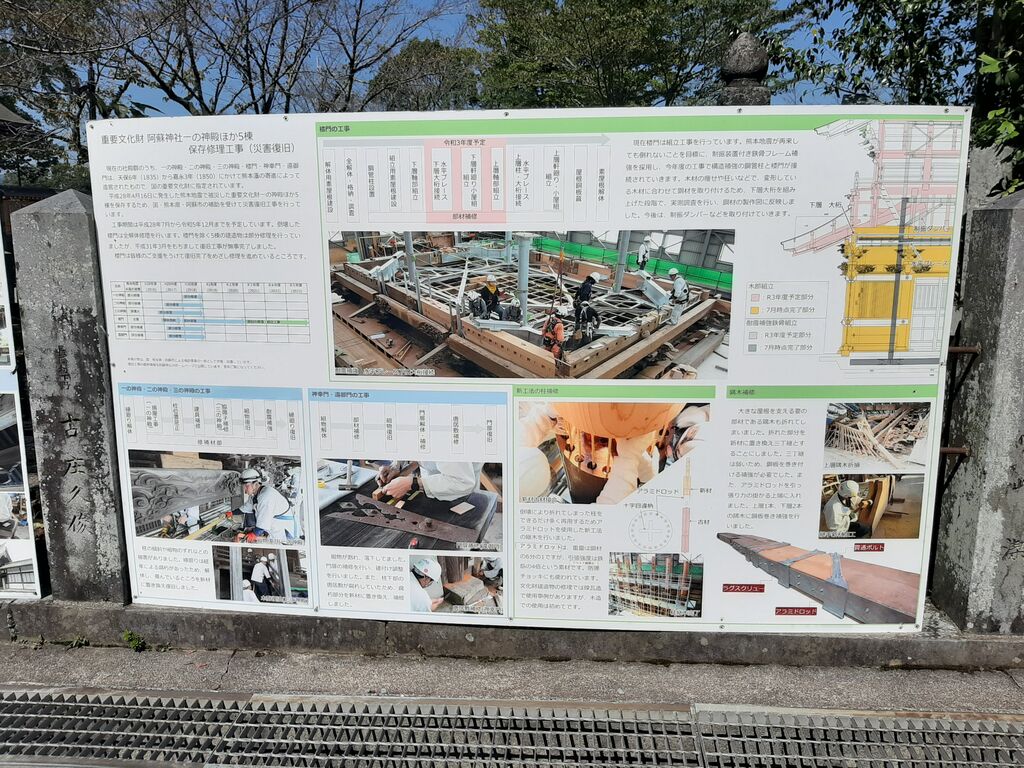
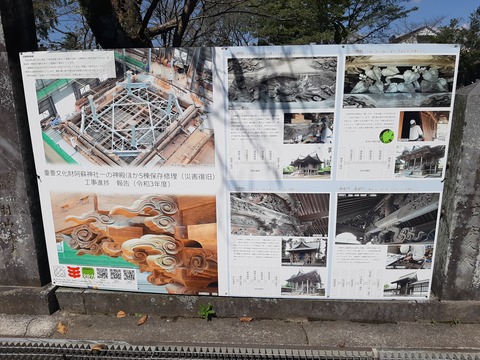
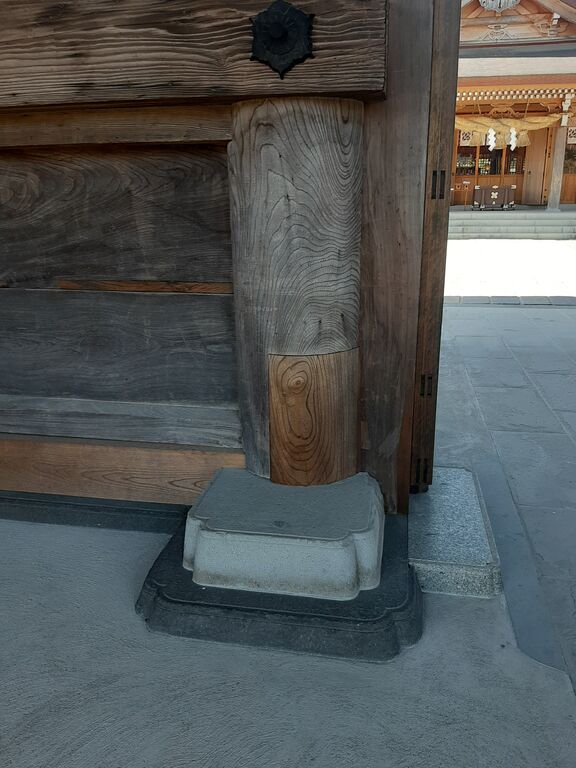
The craftsmanship of the carpenters—especially the shrine builders—is truly impressive.

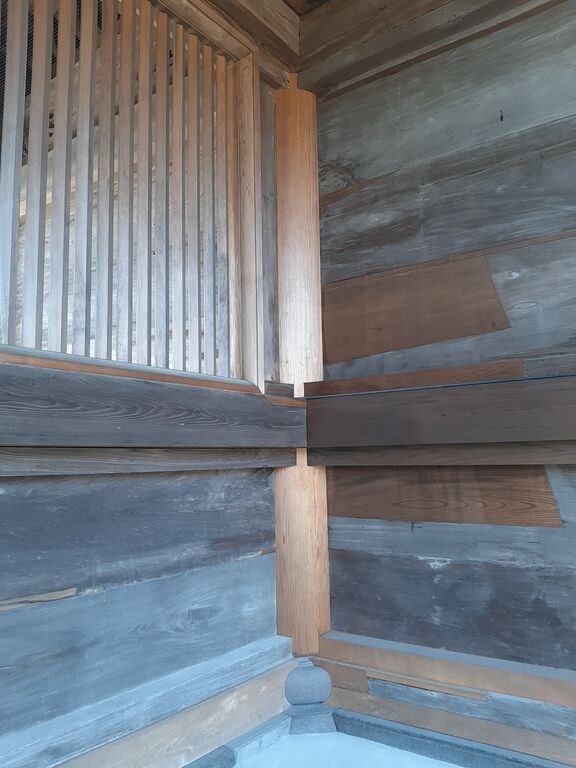
Wherever possible, original materials were reused, with new wood brought in only where absolutely necessary. That’s part of what makes the repairs so faithful to the original.

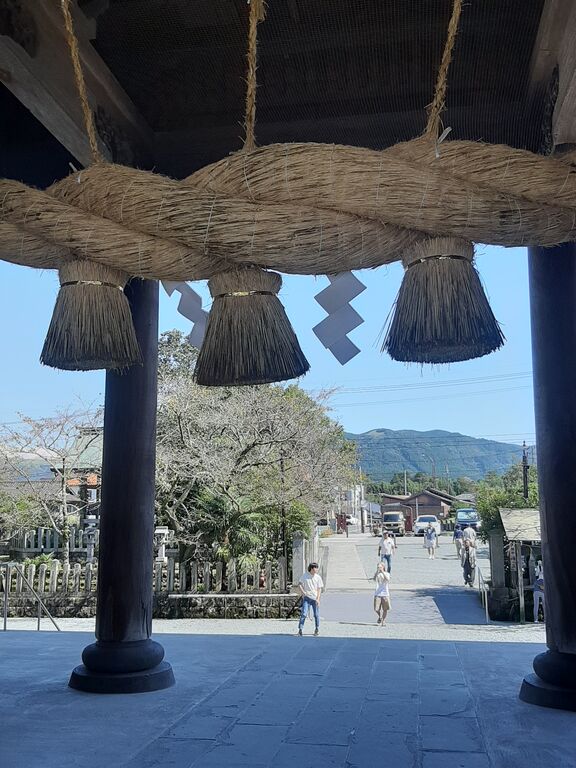
Looking past the giant shimenawa rope, we could see the Aso outer rim rising in the distance.
It felt right to pause for another look before moving on to the drive around the caldera.
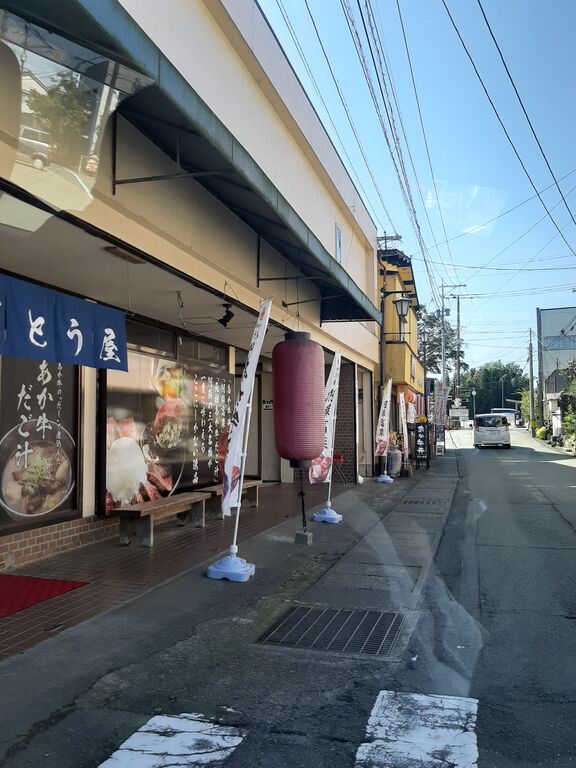
This area is famous for Aso Akaushi beef, but nature also put on a show:
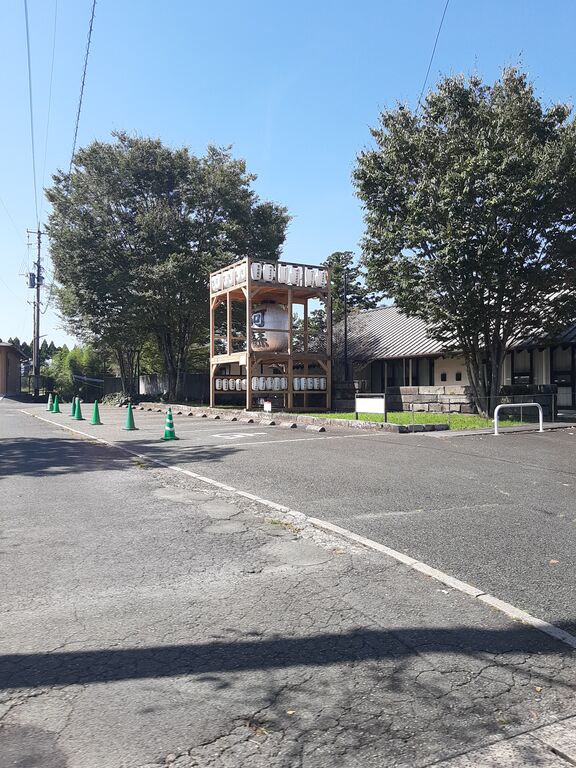
silver grass shimmering in the sunlight,
red cluster amaryllis splashed across the fields,
and woodlands just beginning to turn yellow.
red cluster amaryllis splashed across the fields,
and woodlands just beginning to turn yellow.
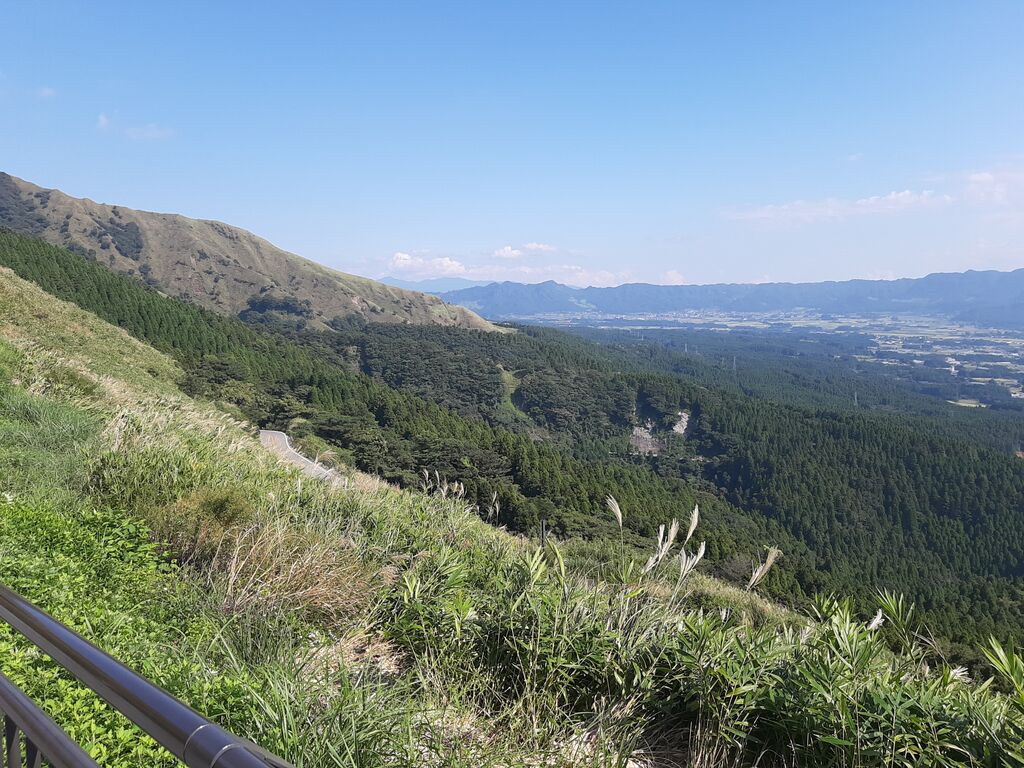
The whole outer rim was wrapped in the mood of autumn.
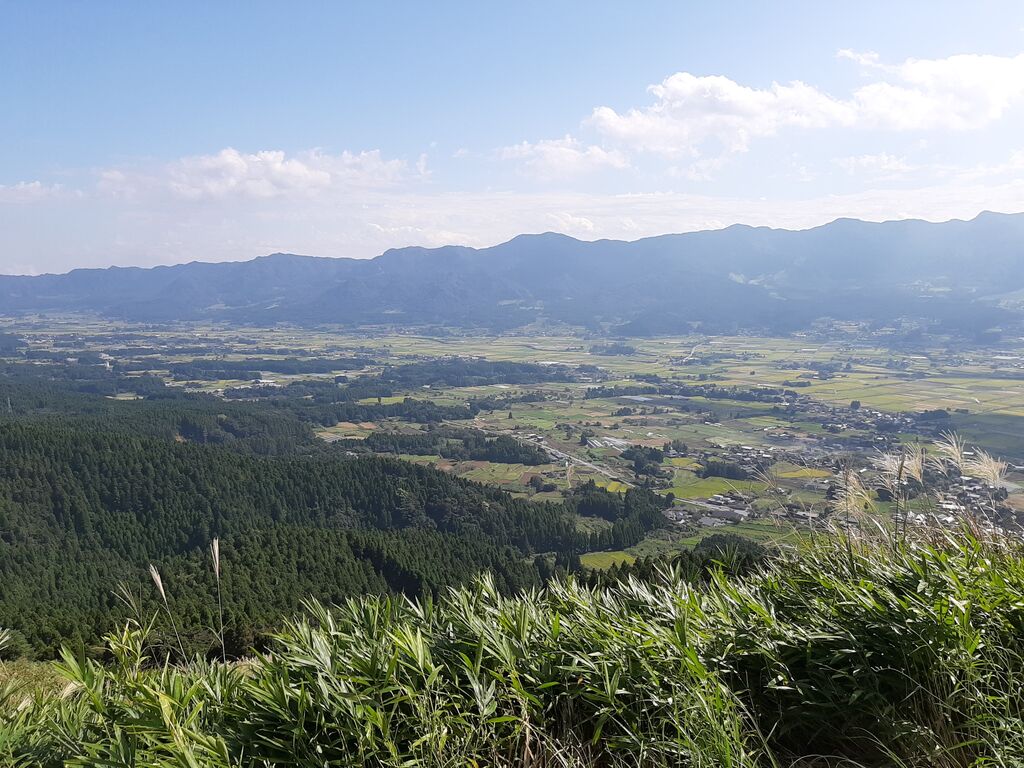
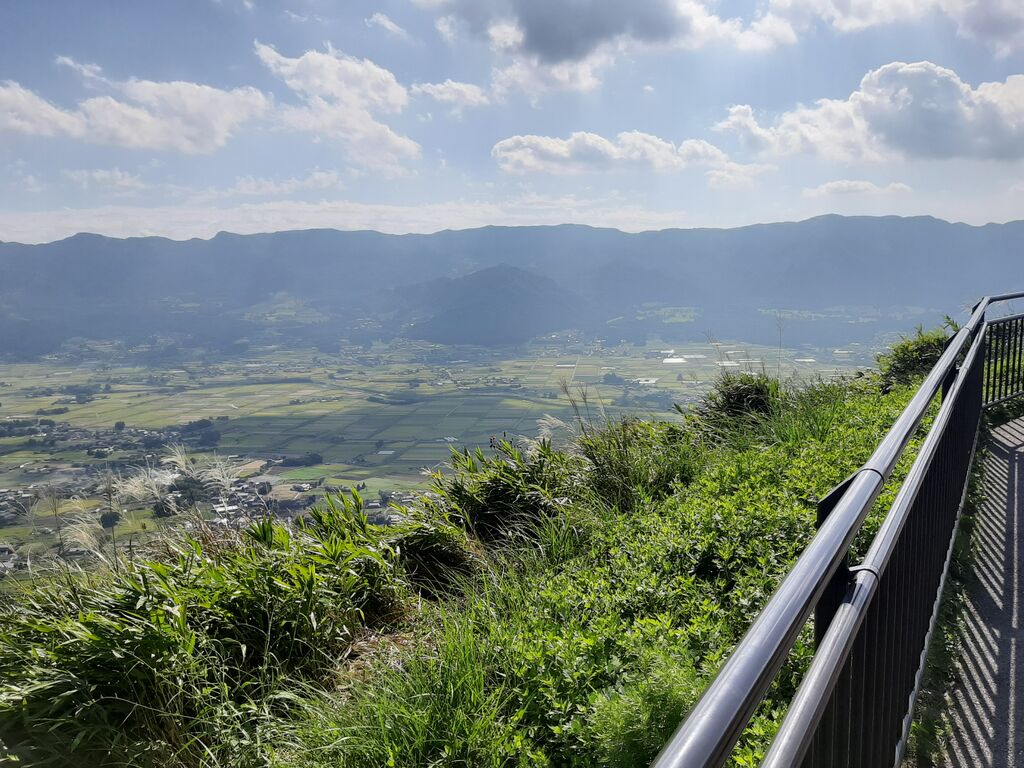
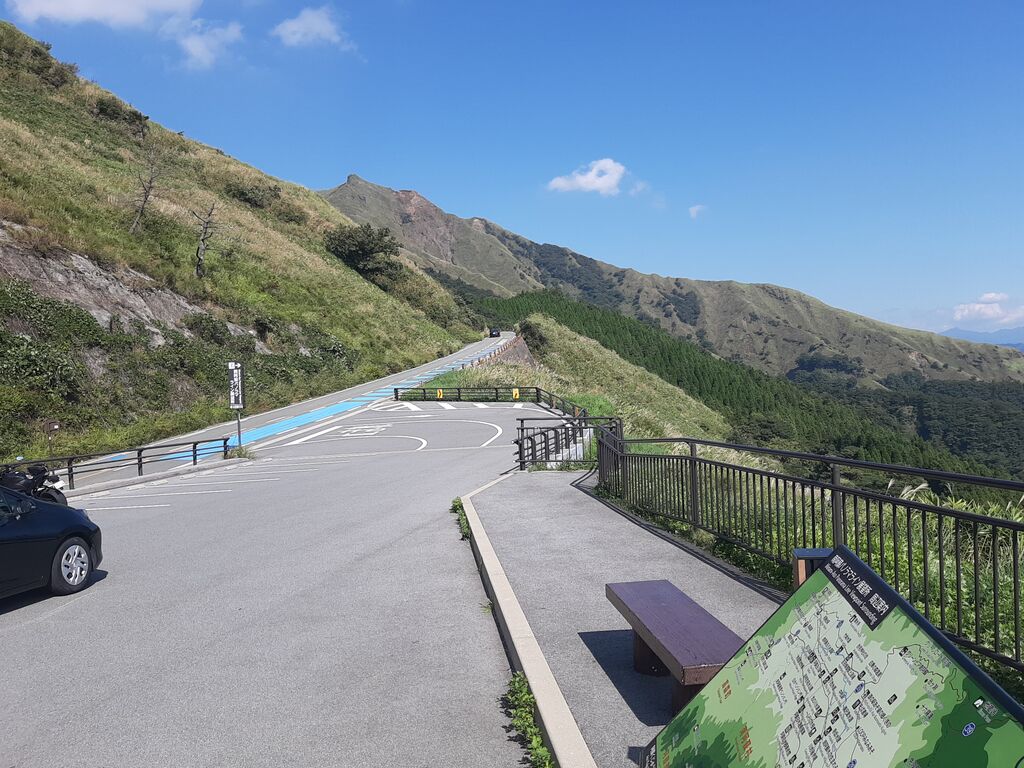
We were lucky—no climbing restrictions this time—so we drove up from the old ropeway station toward Nakadake Crater.
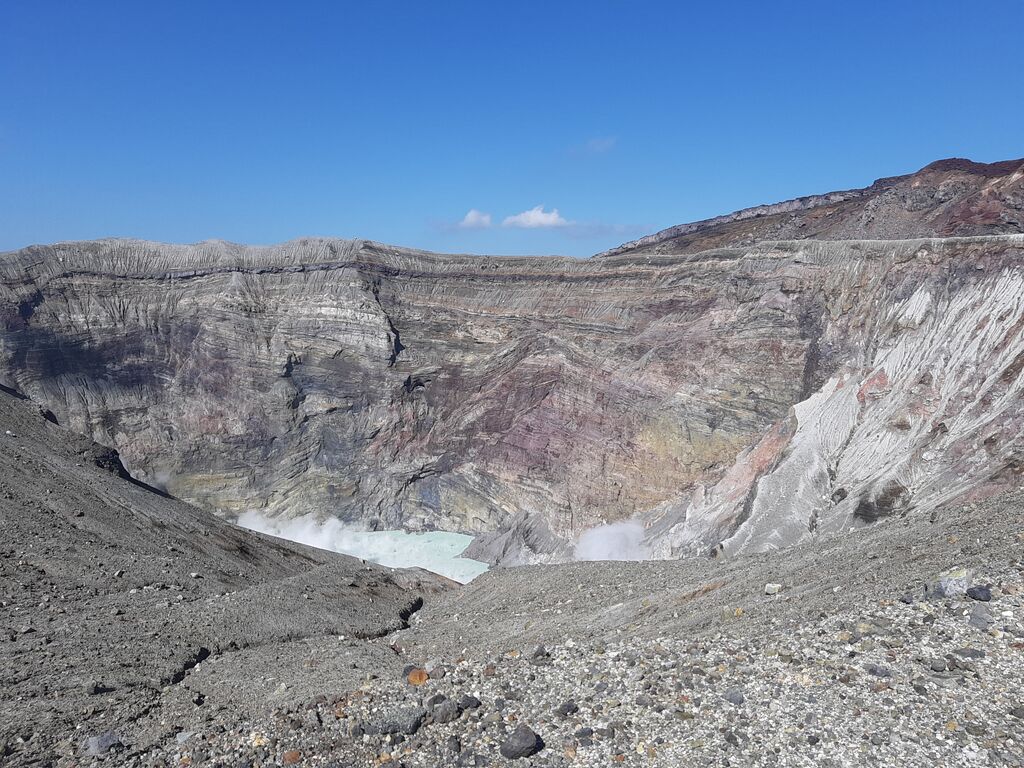
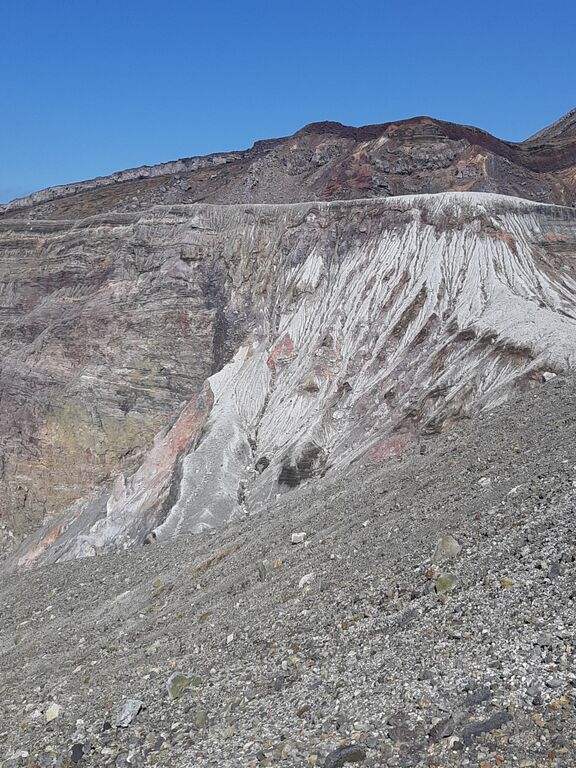
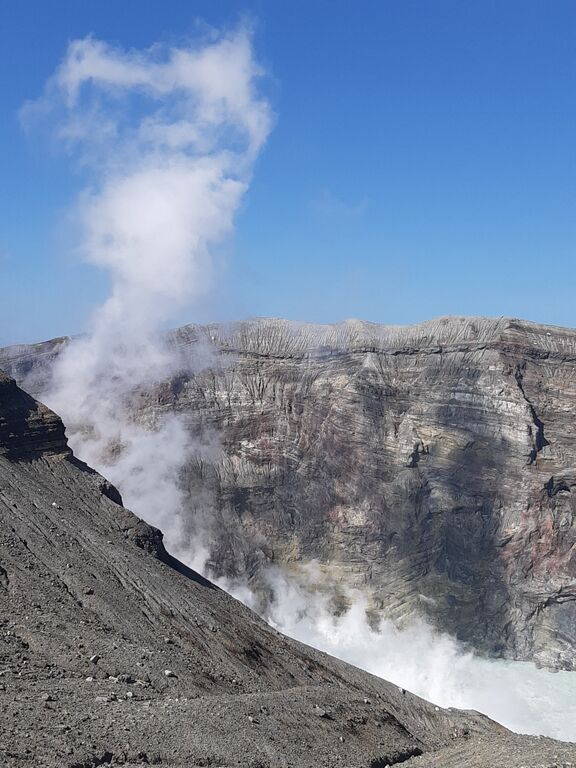
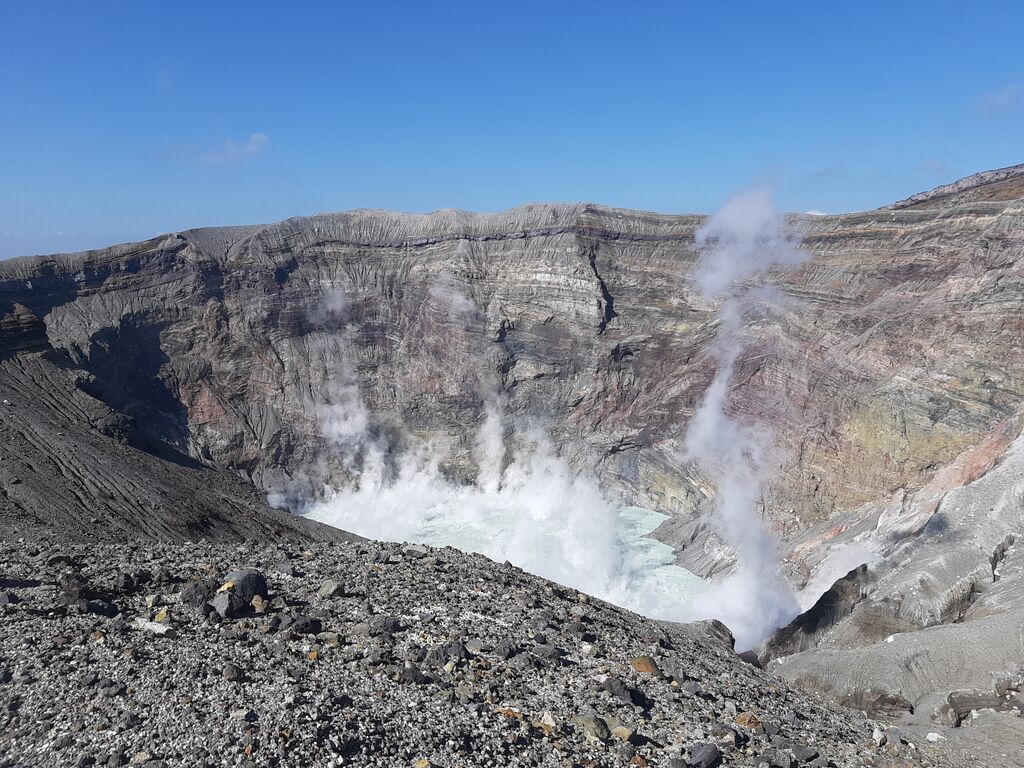
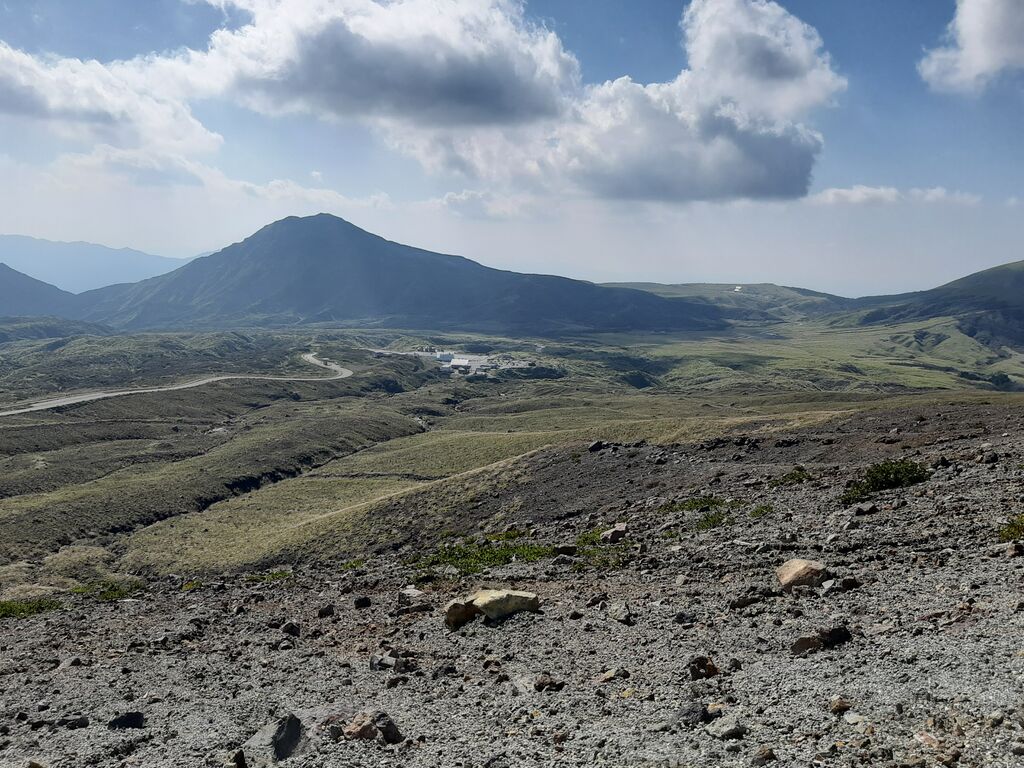
It brought back memories: about 50 years ago, during my high school trip, we students stood here in silence, offering prayers.
That was in remembrance of the 1953 eruption, when fellow students on their own school trip were caught by flying rocks and lost their lives.
Now, sturdy shelters dot the crater rim—built as a direct lesson from those tragedies.
That was in remembrance of the 1953 eruption, when fellow students on their own school trip were caught by flying rocks and lost their lives.
Now, sturdy shelters dot the crater rim—built as a direct lesson from those tragedies.
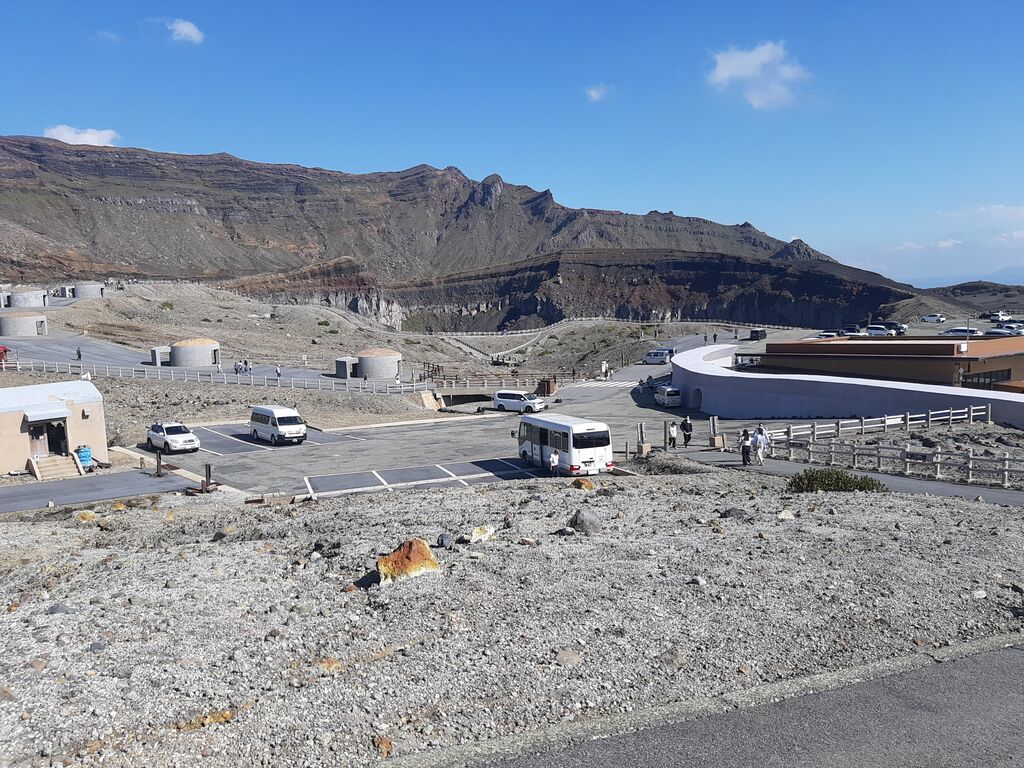
I tried to recall where a memorial might have stood, but when I asked an attendant, they said they didn’t know.
Telling my son about those memories of my own youth, I realized how much time has passed, and how old I’ve become.
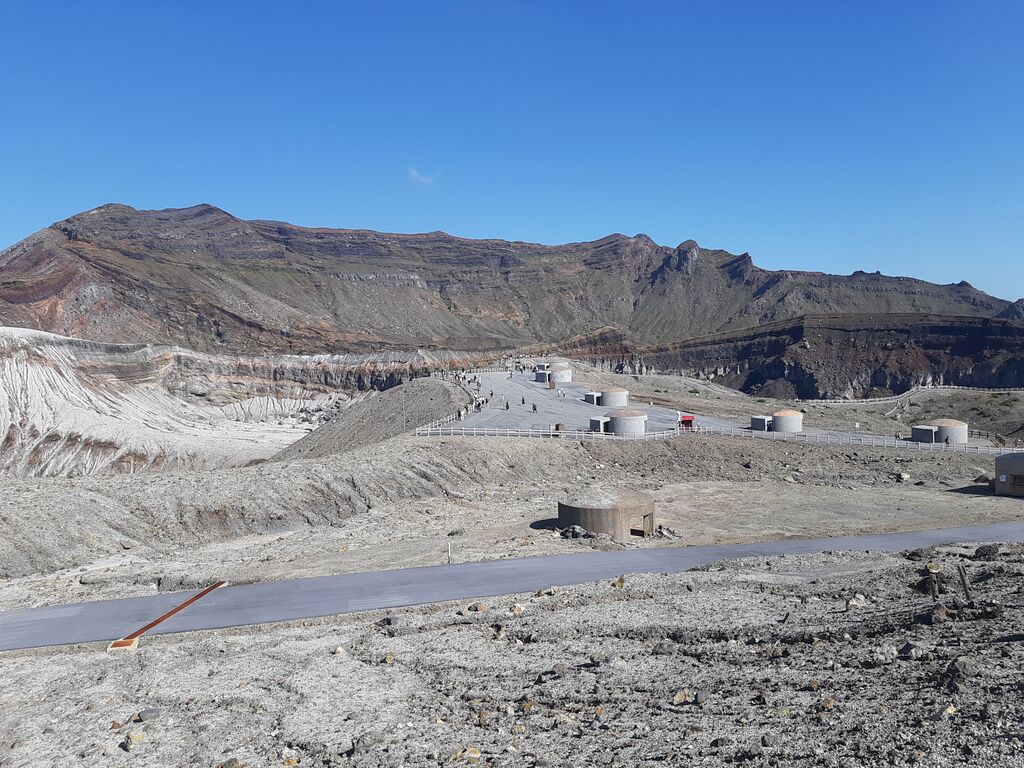
From there we looked out across Kusasenri.
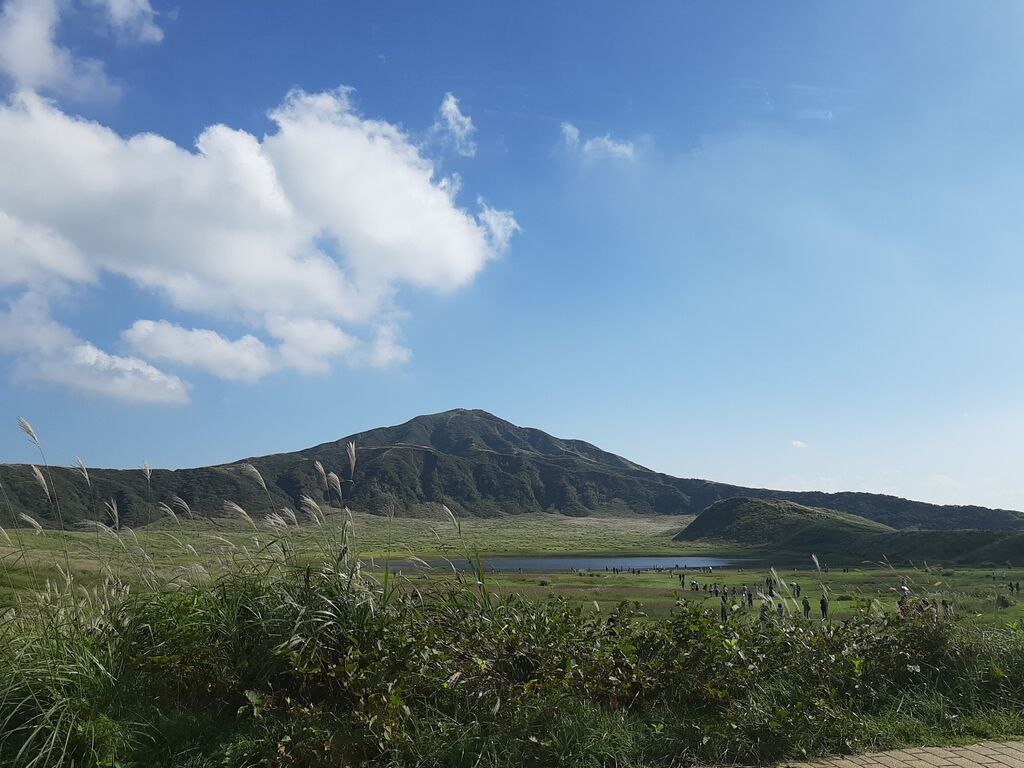
My memory played tricks—I felt as if I were seeing it for the first time.
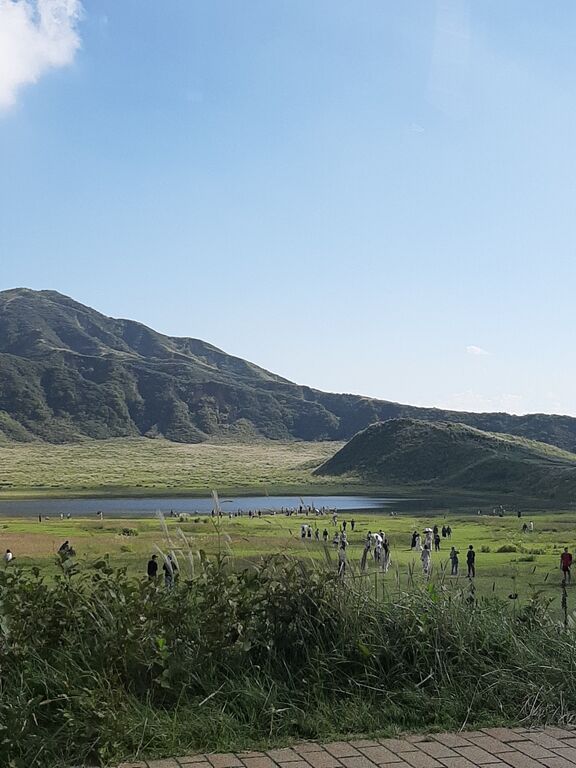
And then, that familiar poem came back to me, from when we learned it in school:
“In the rain, a horse stands still …”
Tatatsuji Miyoshi’s verse, tied forever to the image of Aso’s grasslands.
These days, you can even go for a horseback ride there—perhaps inspired by that very scene.
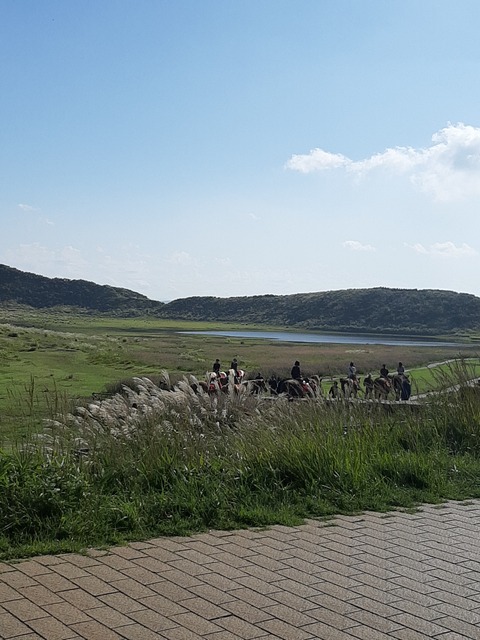
A day full of autumn air, memories, and rediscovery.


Comments
Post a Comment