On 13 January ・・・
Two Fresh Candles:
When you light two pristine candles at the same time, they each burn in their own subtle way.
The flame flickers in the wind, melting the wax, which drips down, sticks, and hardens again, sometimes reshaping the candle’s appearance.
Wax may pool at the base of the candlestick, too.
Even if their lengths and shapes end up different, all the wax burns out at nearly the same time.
A chilly Morning with the Candle:
One chilly morning, I tried to relight a candle that had gone out halfway, but it wouldn’t stay lit.
It seemed the wax around the wick hadn’t melted enough.
I checked the instructions on the candle box:
“In cold weather, warm the wax around the wick before relighting.”
Lesson learned.
*
A Sudden Burn:
After a winter in Japan, I returned to the scorching summer of Perth.
On 13 January 2003, at night during a drive, I felt an intense discomfort in my upper back—like a heavy, hot metal plate pressing against me.
Out of nowhere, I remembered a chain email about heart attacks that said, “Cough deeply and repeatedly in emergencies.”
I pulled over, coughed hard a few times, and managed to make it home.
I thought it was just my usual shoulder stiffness acting up.
So, I cranked up my low-frequency therapy device to max and toughed it out overnight.
I headed to work the next morning, but my coworkers insisted I go straight to the hospital.
At the reception desk, as I explained my symptoms, they rushed me onto a gurney, attached electrodes all over me, and wheeled me into an exam room.
The doctor’s verdict: a heart attack.
When they asked why I hadn’t called an ambulance immediately, I said I thought I needed a GP referral first.
The response was blunt: “For heart attacks, skip the GP! Immediate treatment is critical.”
Because of the delay, they warned, the damage to my heart muscle might be worse.
I signed consent forms for various procedures.
It felt surreal—I’d only ever seen heart attack scenes in dramas, with actors clutching their chests before collapsing.
Was this really happening to me?
In the operating room, the nurse explained that when the contrast dye was injected, it might feel like I’d wet myself.
She reassured me, “Don’t worry; it’s normal.”
Under local anesthesia, I was awake and could chat with the doctors.
I joked, “People say I’ve got a heart of steel—can you see any hair growing on it?”
Thankfully, the affected area was just barely manageable without a major operation.
Recovery and Life After:
Post-surgery, I started rehab in a gym-like centre.
With guidance from specialists, I worked up a sweat cycling, walking with resistance, lifting weights, and even rowing.
For six weeks, I followed this routine.
When I returned to Japan, I brought my surgery records and a DVD of the procedure to a top hospital in Nara.
The doctors there were fascinated—it turned out the technique used in Perth wasn’t yet available in Japan. They even asked to copy the DVD for training purposes.
*
Two Decades Later:
Over 20 years have passed since that day.
I’ve seen my granddaughter, born after my return to Japan, grow up and celebrate her coming-of-age ceremony on 13 January 2025.
Like a relit candle that continues to burn steadily, my life’s flame is still flickering, thanks to timely care and a little ingenuity.
Like a relit candle that continues to burn steadily, my life’s flame is still flickering, thanks to timely care and a little ingenuity.
*
The National Geographic magazine and other books my coworkers brought to my hospital room that day?
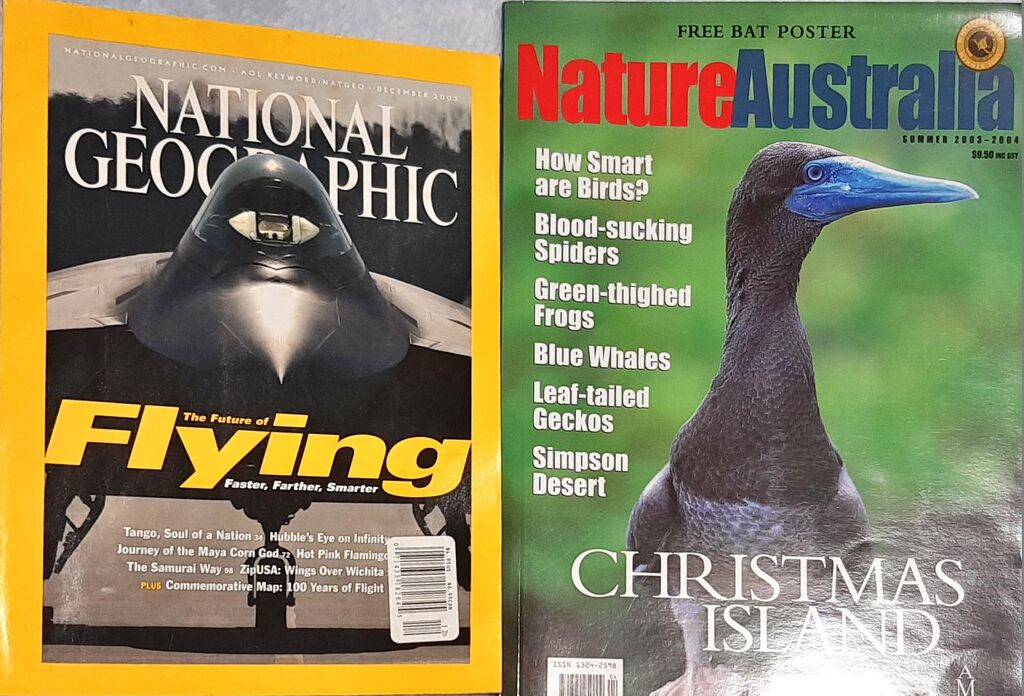
They’re still on my shelf.
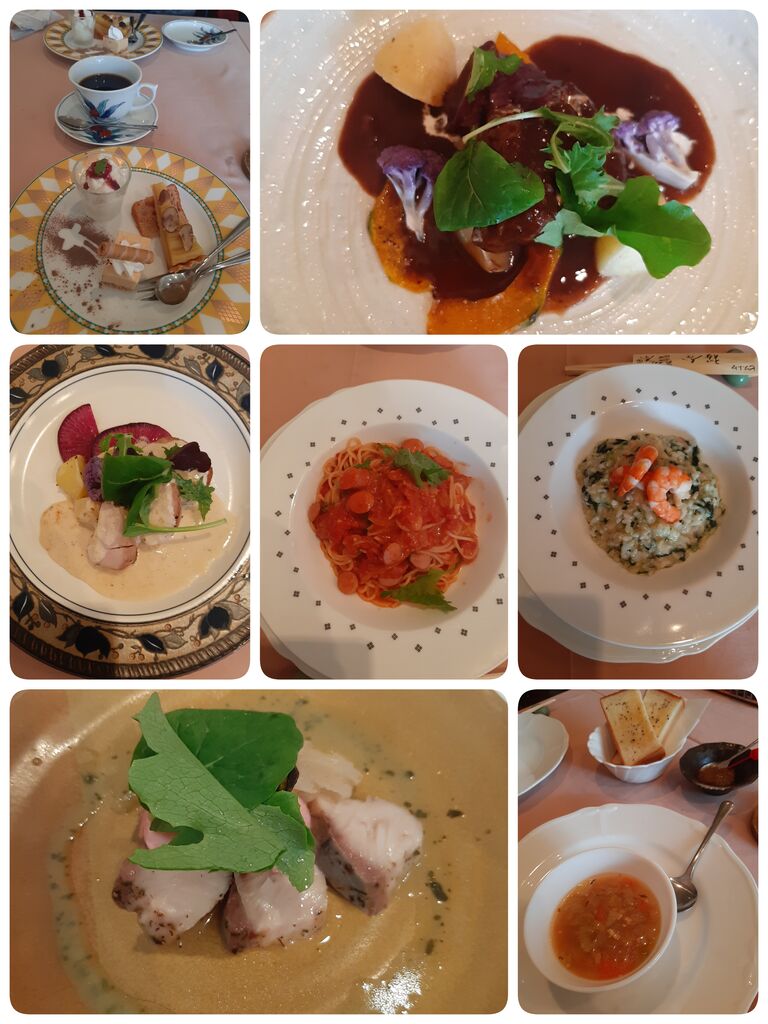
Oh, and 13 January? That’s also my wedding anniversary. (Yes, really!)


Comments
Post a Comment