Another "Umi-no-Naka-Michi (Midway of the Sea)" – "Koi-no-Ura (Love Bay)"
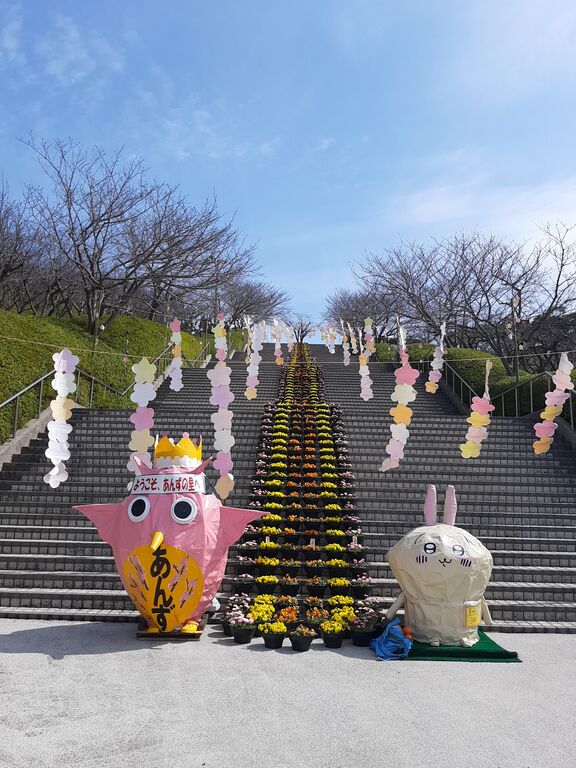
The unpredictable spring weather,
Said to turn rainy by evening,
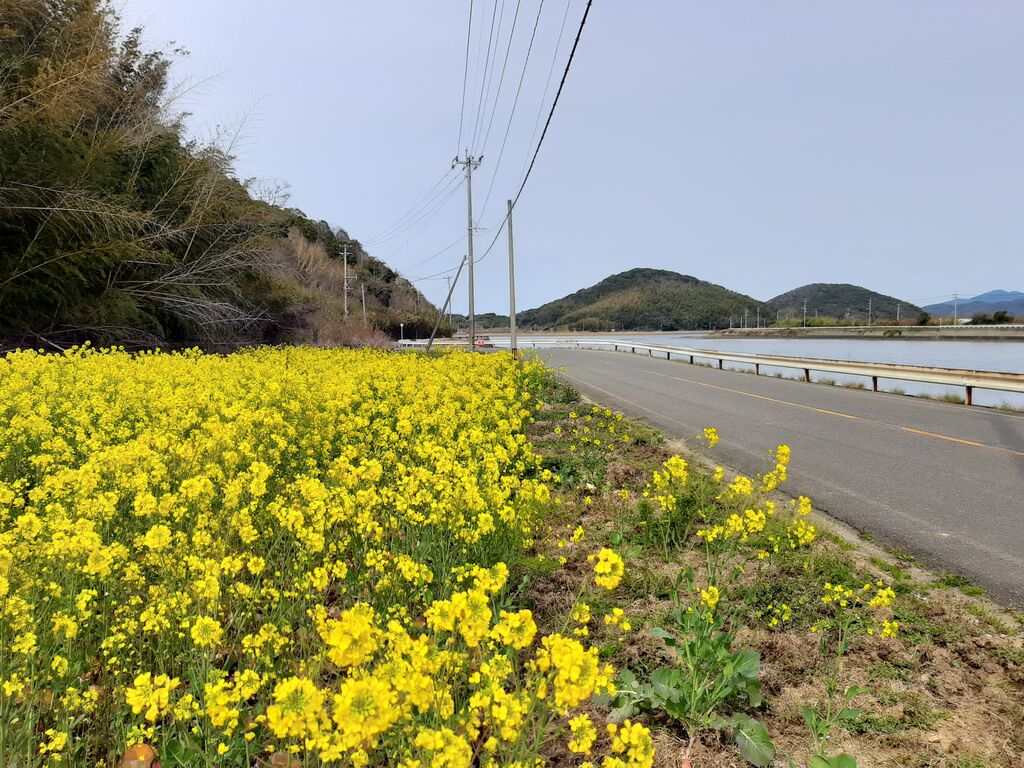
Recently, passing by,
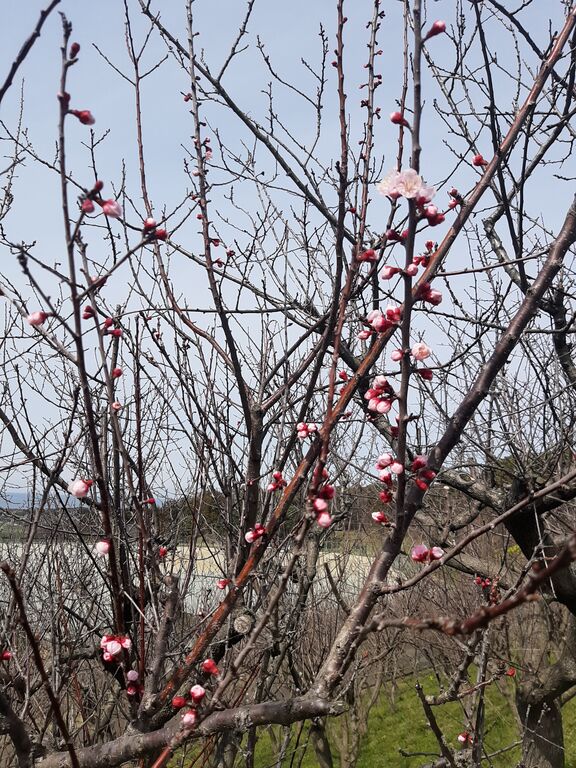
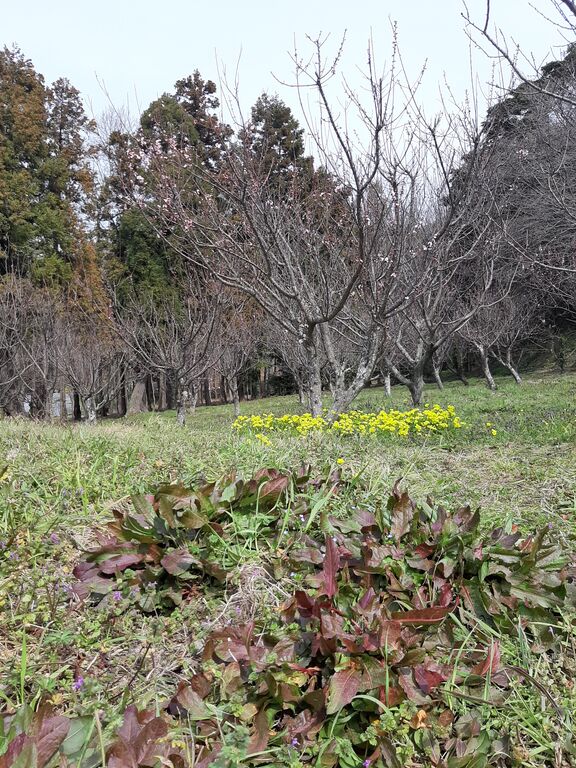
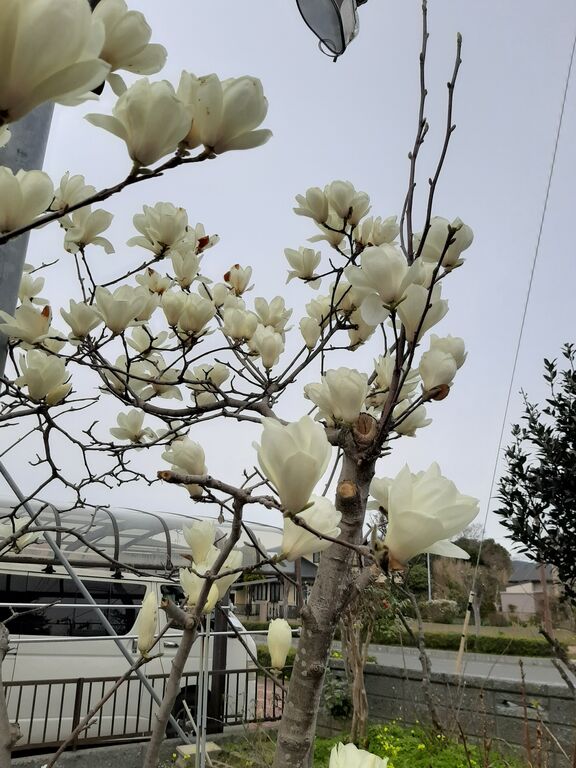
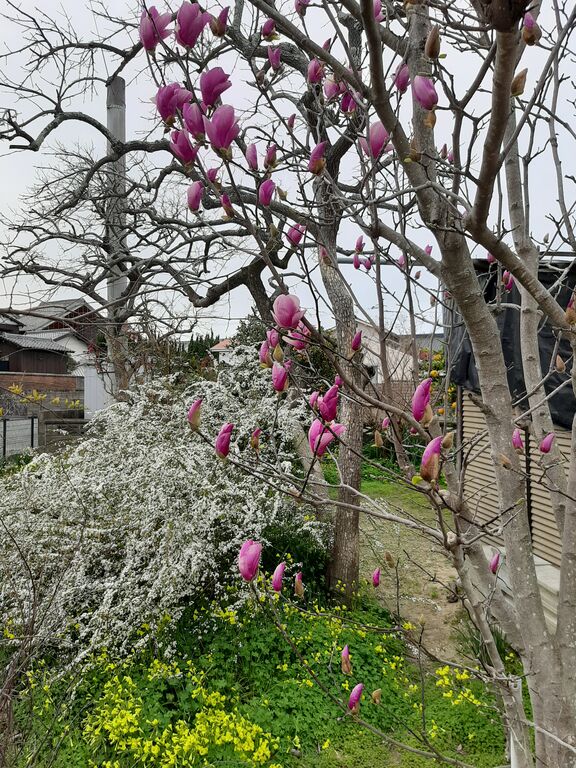
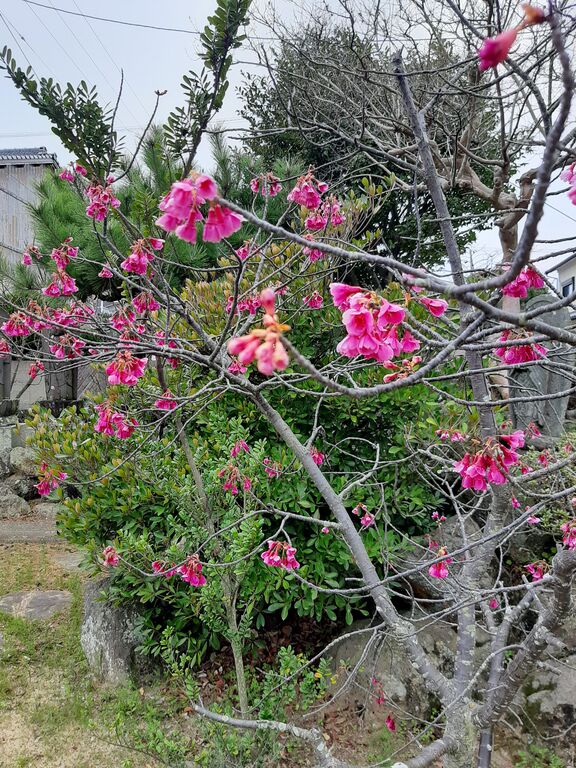
I noticed a few flowers blooming.
Said to turn rainy by evening,
Recently, passing by,
I noticed a few flowers blooming.
Thinking it might be about time, I came to "Anzu-no-Sato (Apricot Village) Park."
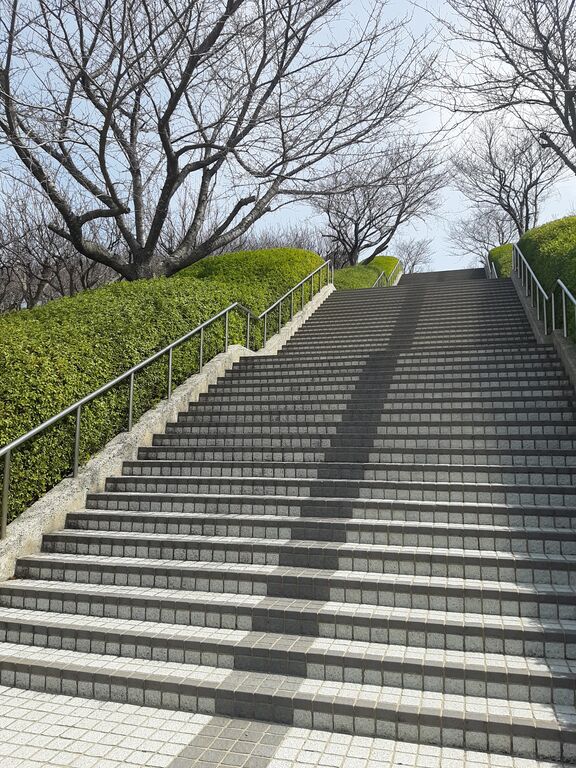
Looking up at these daunting stone steps, I remembered seeing high school students in uniforms sprinting up and down energetically.
Looking up at these daunting stone steps, I remembered seeing high school students in uniforms sprinting up and down energetically.
Though I had no intention of doing repetitive stair exercises, I felt like climbing up to shake off my usual lack of physical activity.
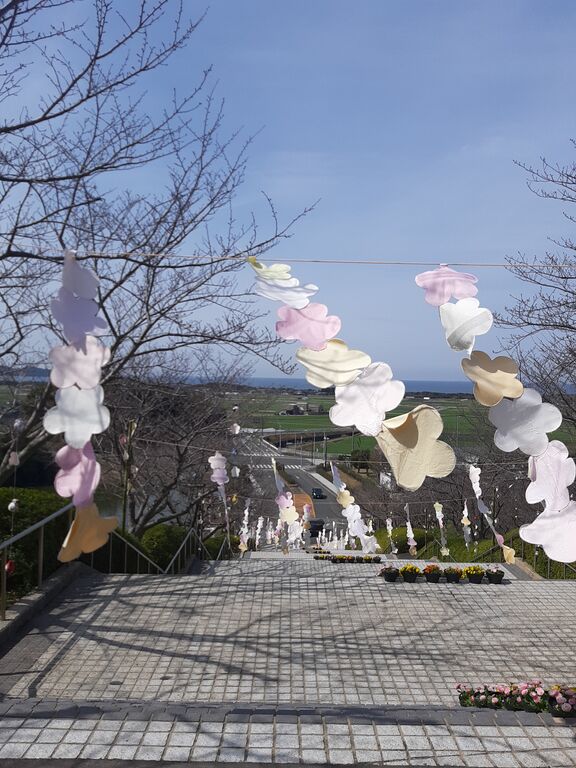
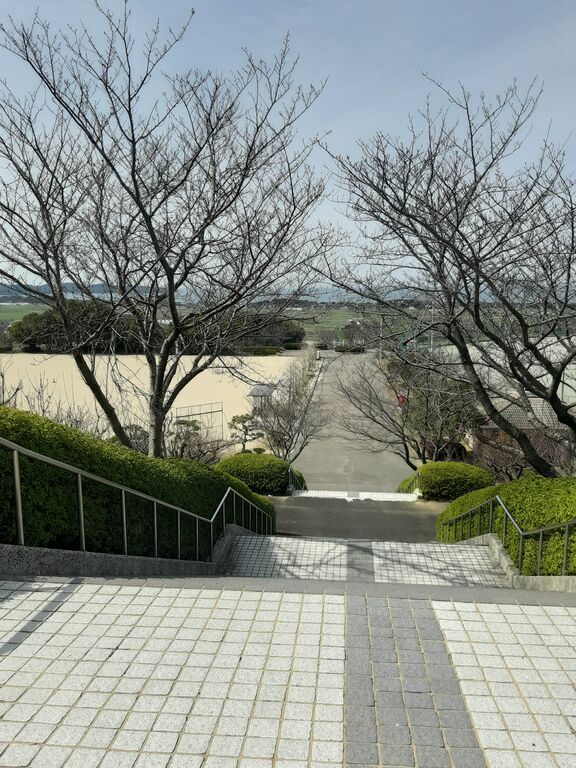
Glancing back,
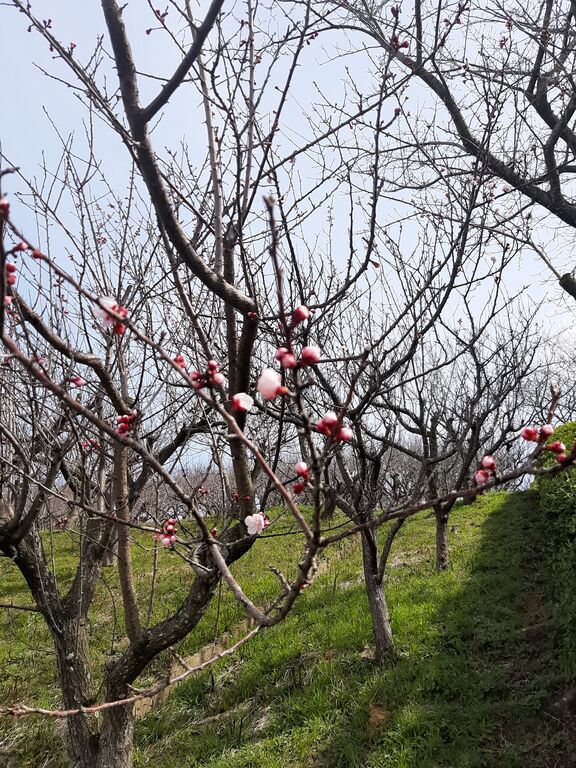
Admiring the blossoming apricot flowers,
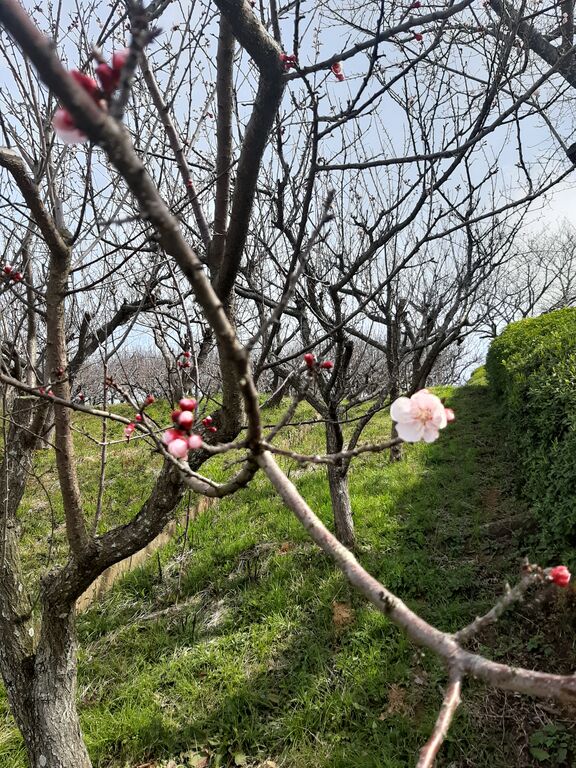
I just took it easy, ascending slowly.
There's still more to go.
1, 2, 3, 1, 2, 3,
I should have stopped...!
Alright! Made it this far!
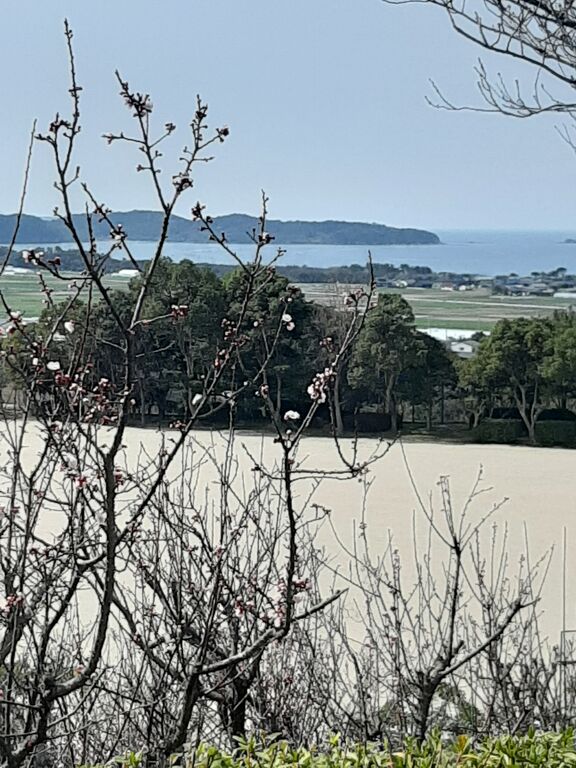
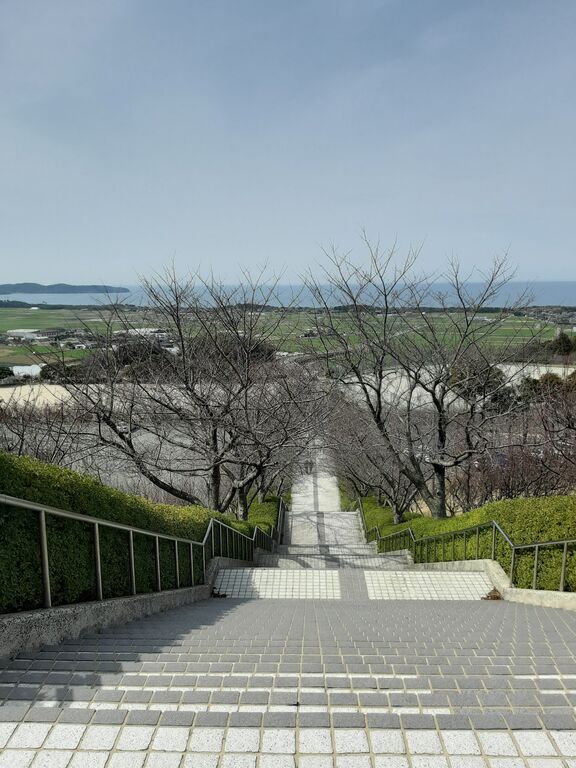
You can see the Genkai Sea and even the distant Watari Peninsula.
Oh no! There's still a way to go.
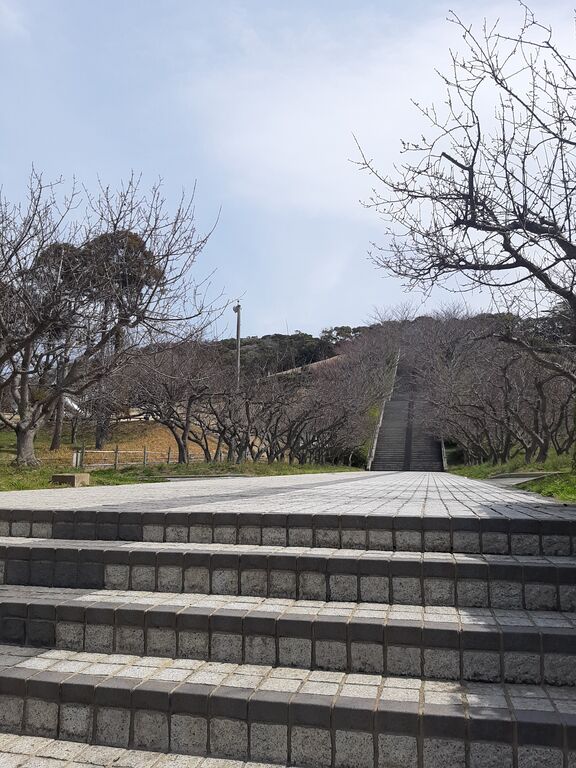
Knowing there's a park up here means these steps must be the last.
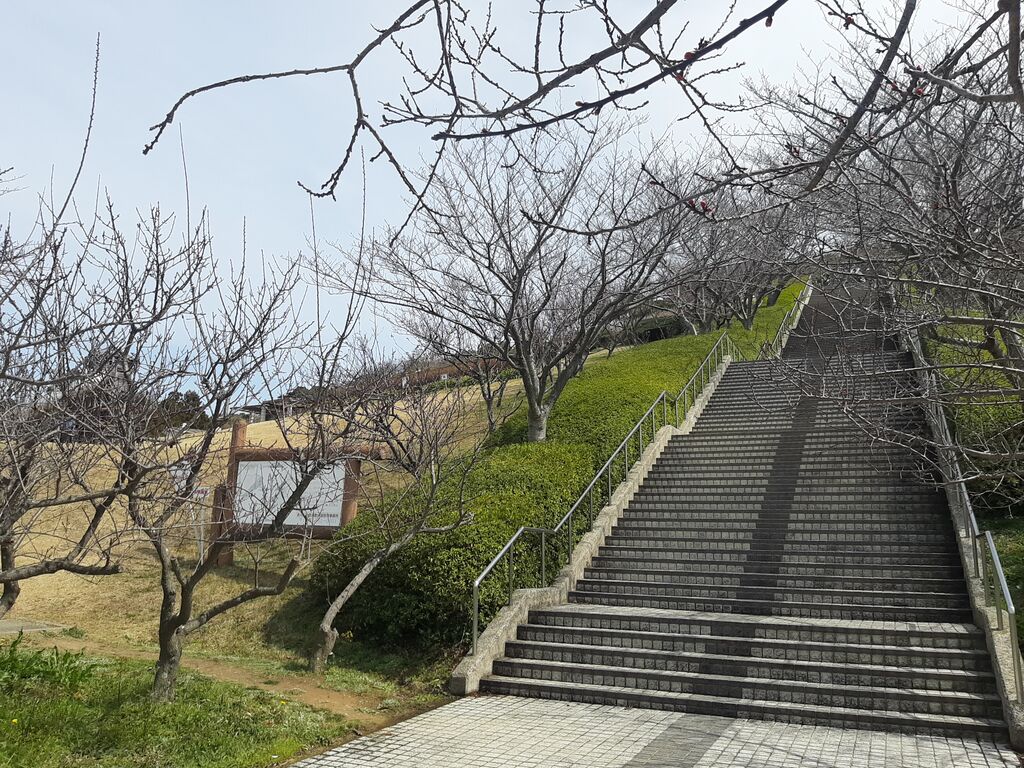
Finally, made it!
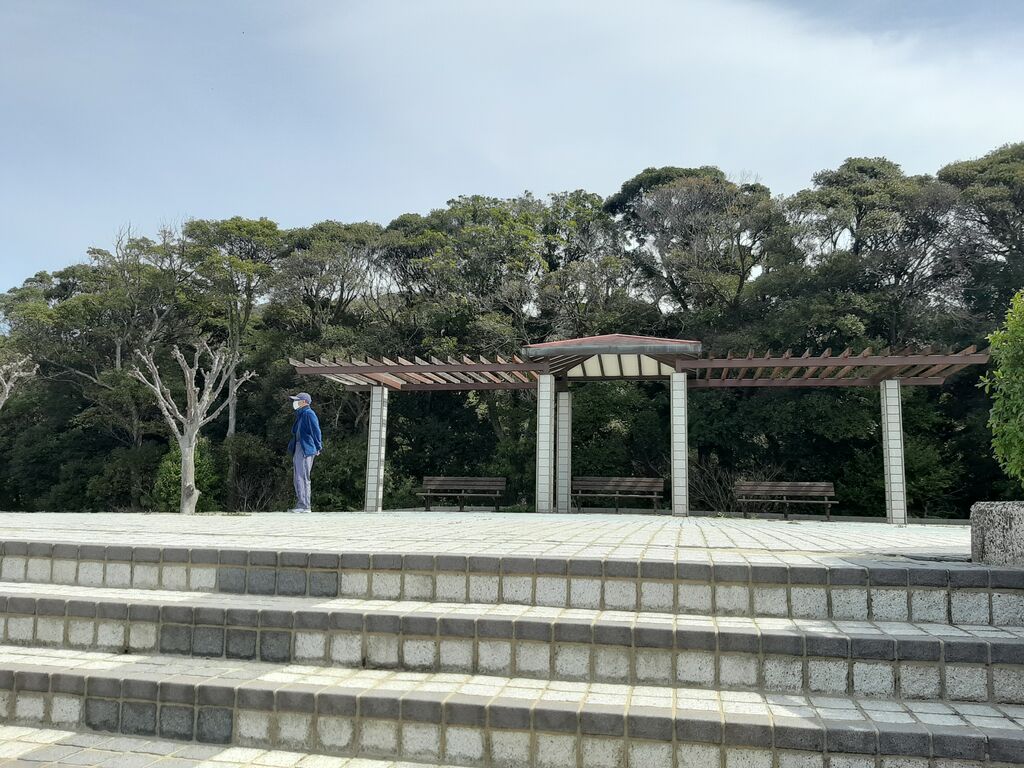
The young folks climb up without showing much fatigue, chatting along the way.
I sat on a bench, stretched out on the grass, looking for some hydration,
But my water bottle was still in the bike's holder. Darn it!
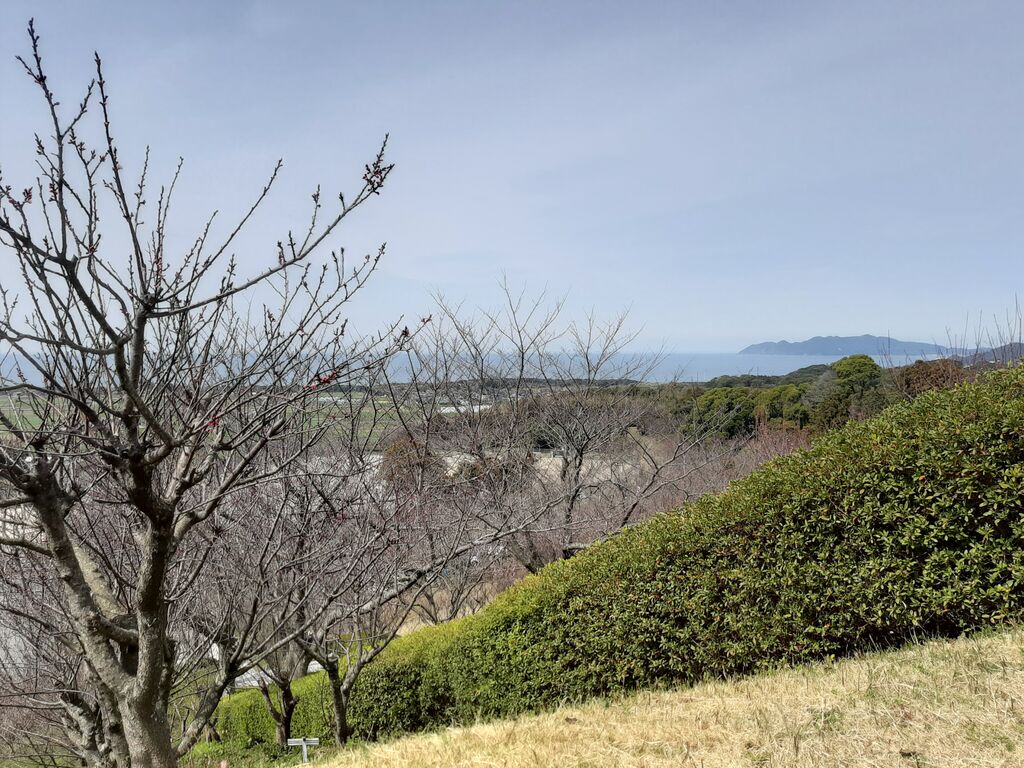
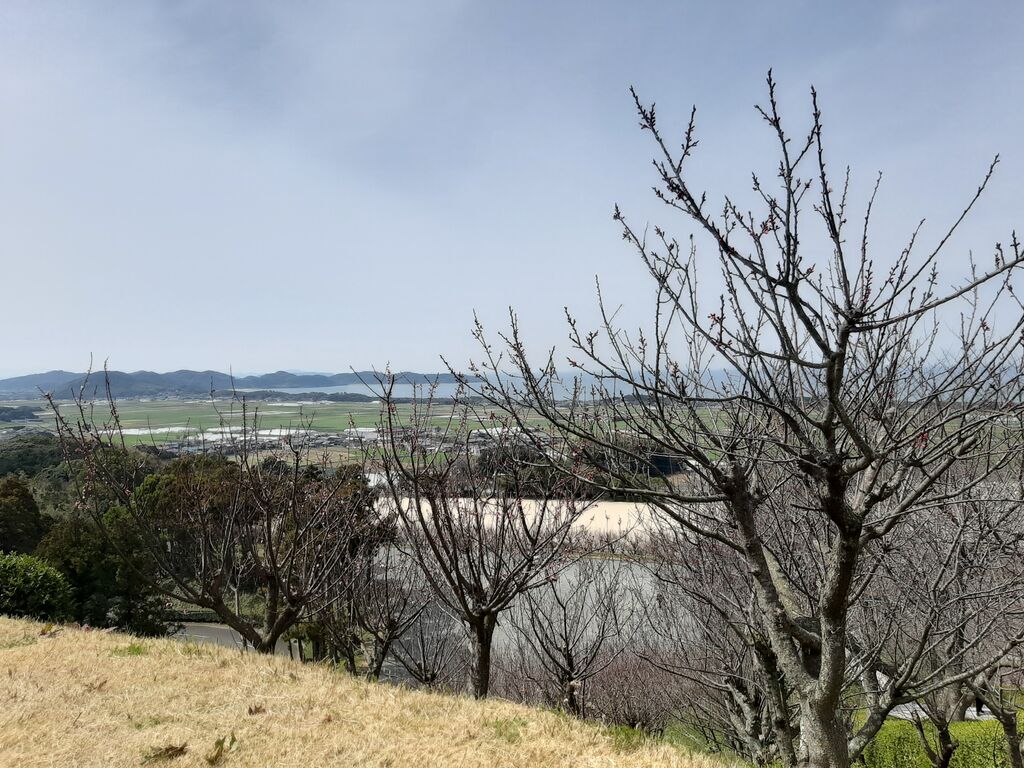
The view is amazing.
There's a slightly out-of-place monument here.
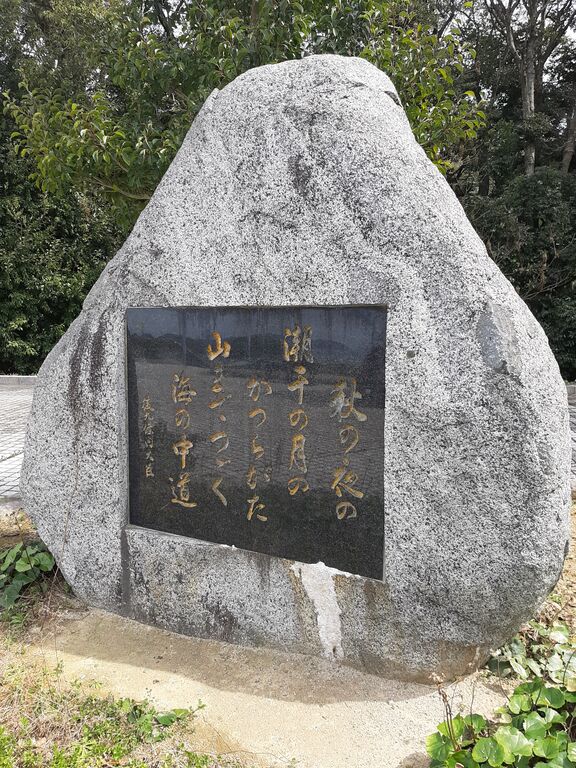
It reads: "...The "Umi-no-Nakamichi (Midway of the Sea)" continues to the mountains.
For those living in Fukuoka, "Umi-no-Nakamichi (Midway of the Sea)" typically refers to the sandy spit jutting from Wajio towards the Genkai Sea, towards Shika-no-Shima.
However, in ancient times, the coastline extended up to the Shinbaru Nuyama Kofun group, creating a long inlet,
The hilly area between the inlet and the Genkai Sea, along with the plains along the inlet, was referred to as the "Umi-no-Nakamichi (Midway of the Sea)."
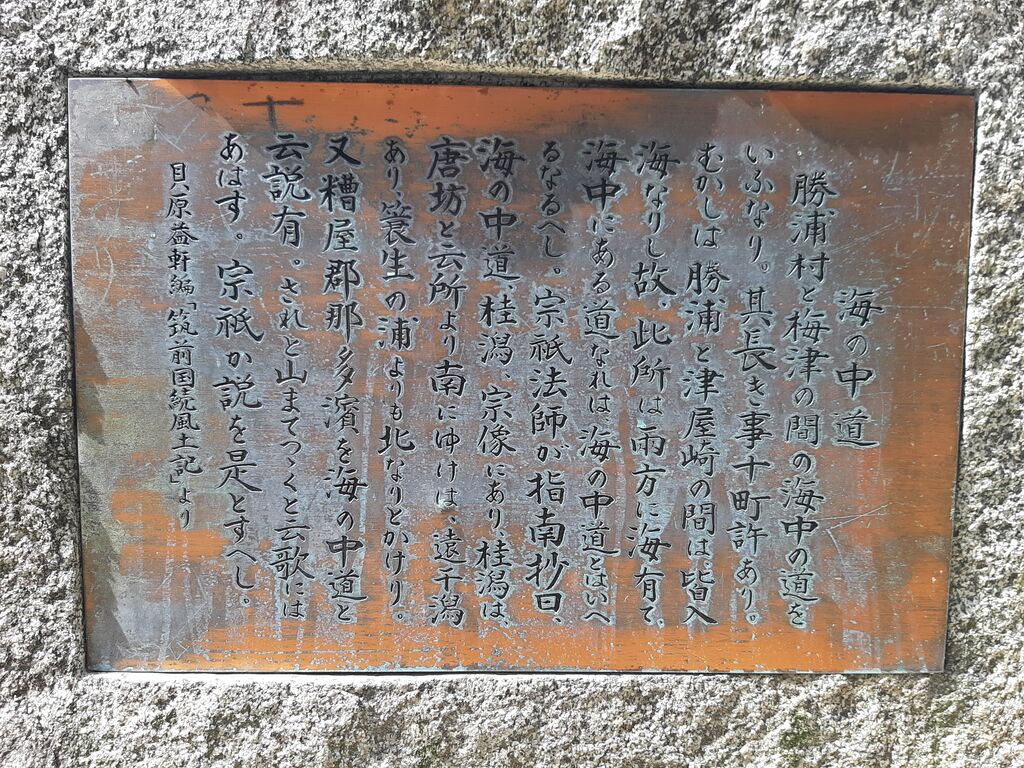
On the back of the monument, it's mentioned that the "Umi-no-Nakamichi (Midway of the Sea)" described in this poem "extends to the mountains."
Therefore, it might be more appropriate to refer to the hilly area between the Genkai Sea and the inlet, preserving the former inlet as the Tsuya-zaki tideland, rather than Shikano-shima's "Umi-no-Nakamichi (Midway of the Sea)."
A passage from the Edo-period "Chikuzen Fudoki" is also introduced.
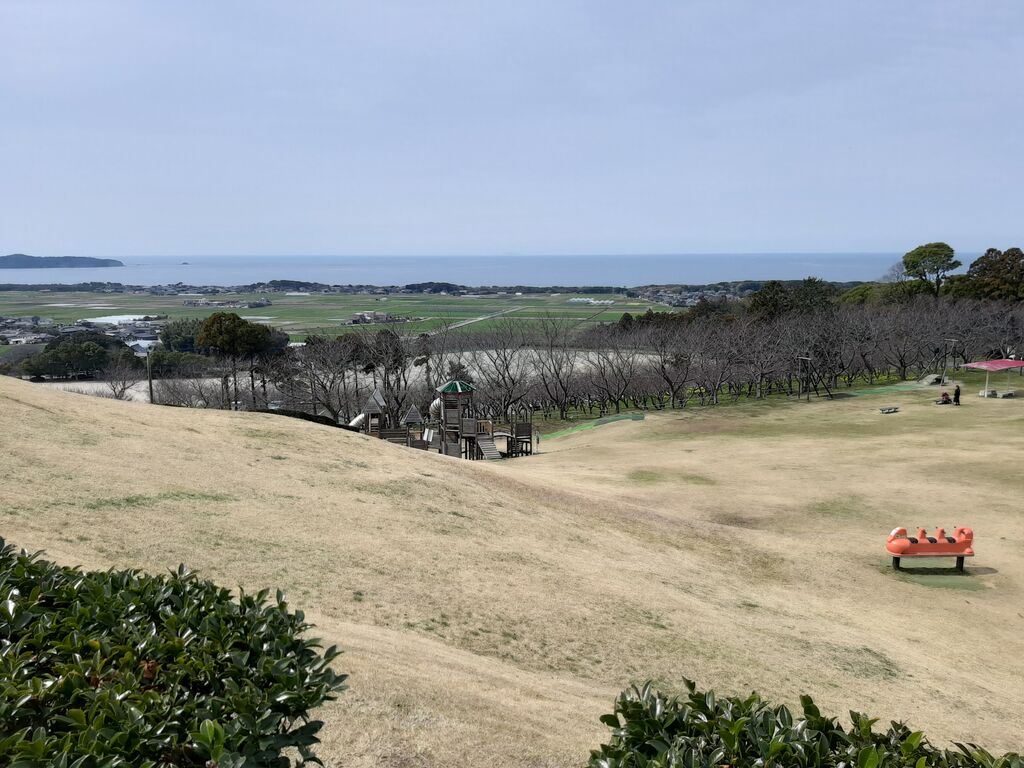
When my grandchildren were young, I used to bring them to this park and let them play to their heart's content...
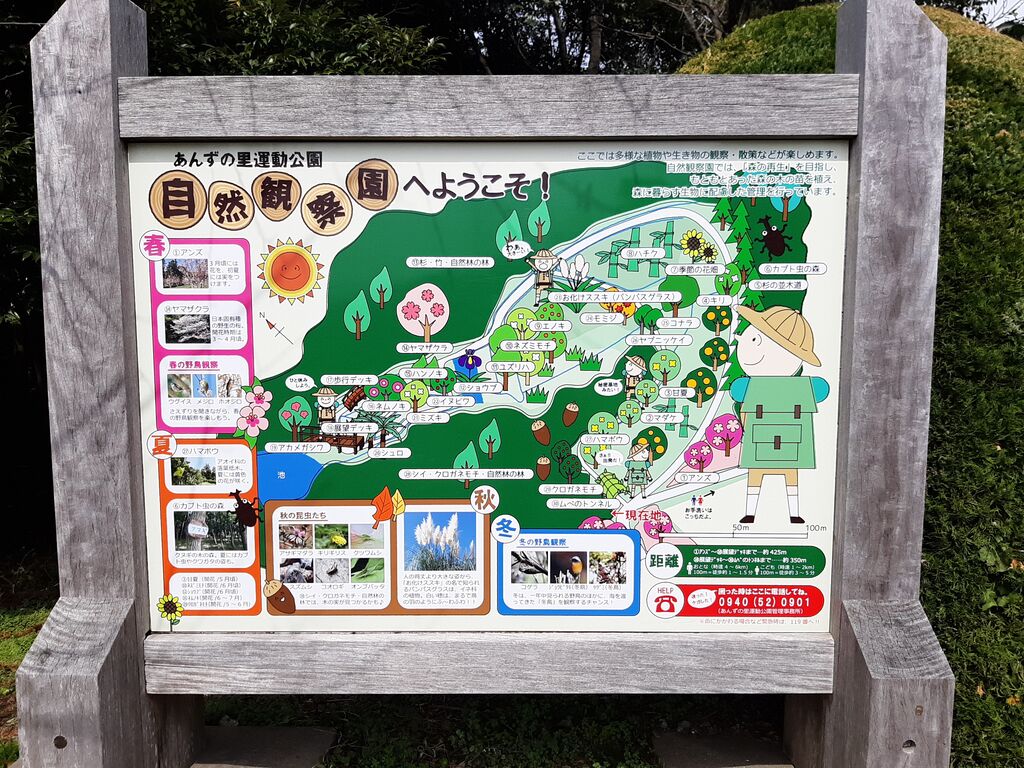
Time to trace another "Umi-no-Nakamichi (Midway of the Sea)" – so I've come to Tsuya-zaki.
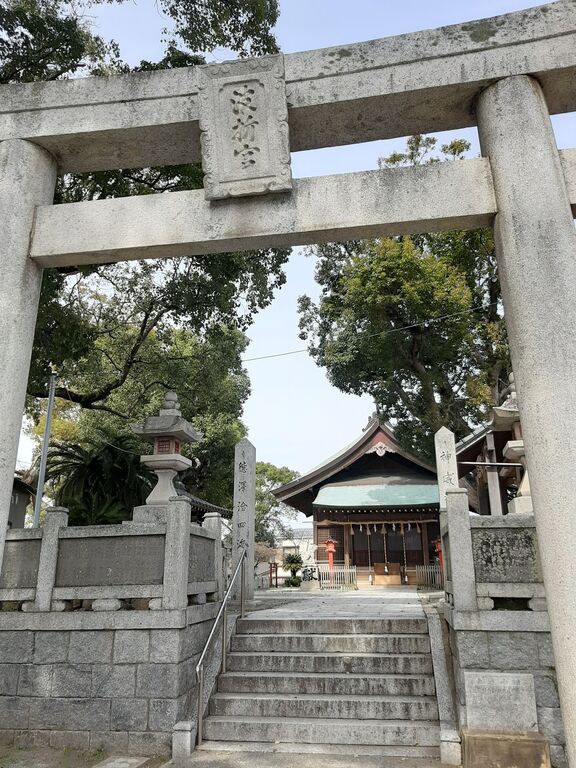
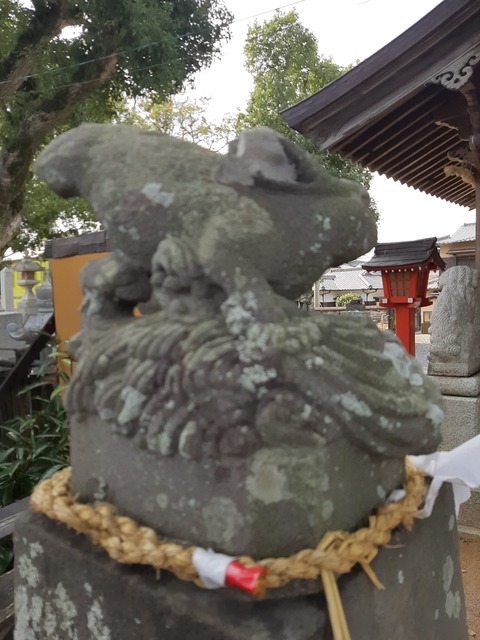
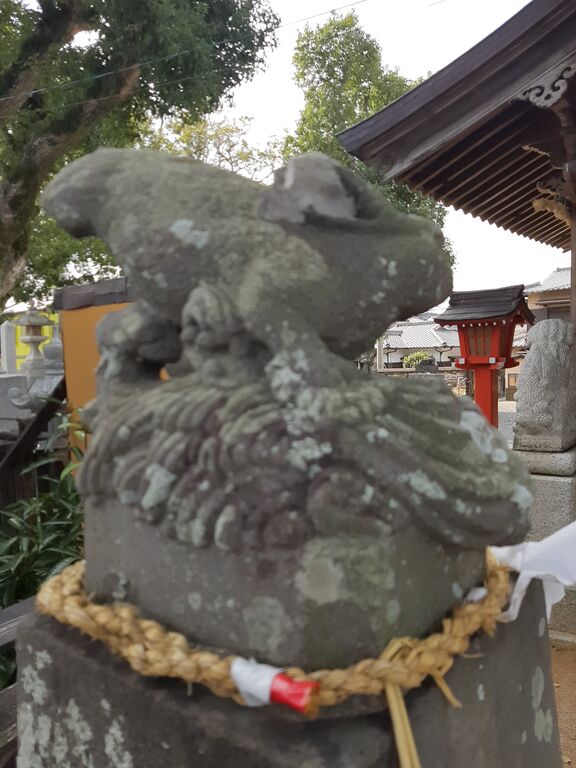
I didn't come to pray, just wanted to see the "Surfing Rabbit."
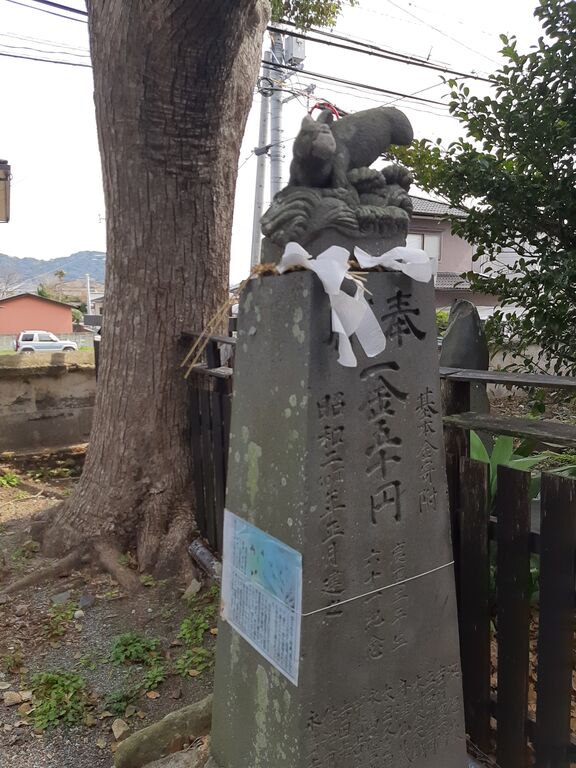
Unfortunately, the focus is blurred.
Although the damaged part has been repaired, it's still not quite right.
How can they get it done properly?
It's painful.
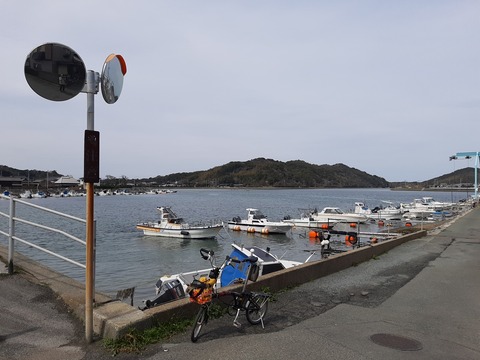
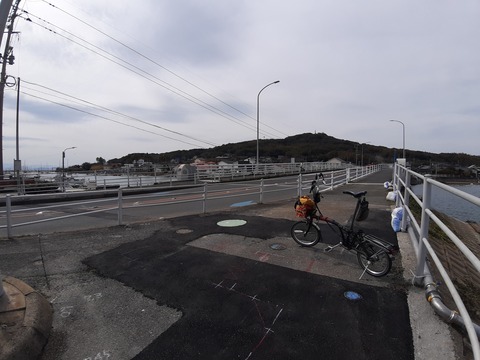
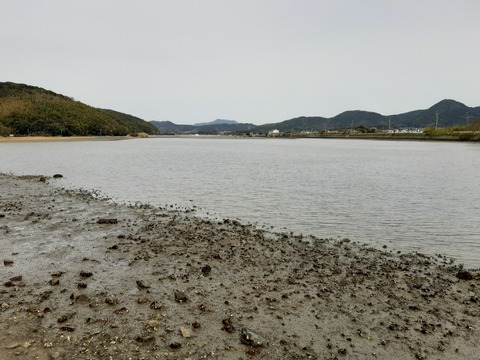
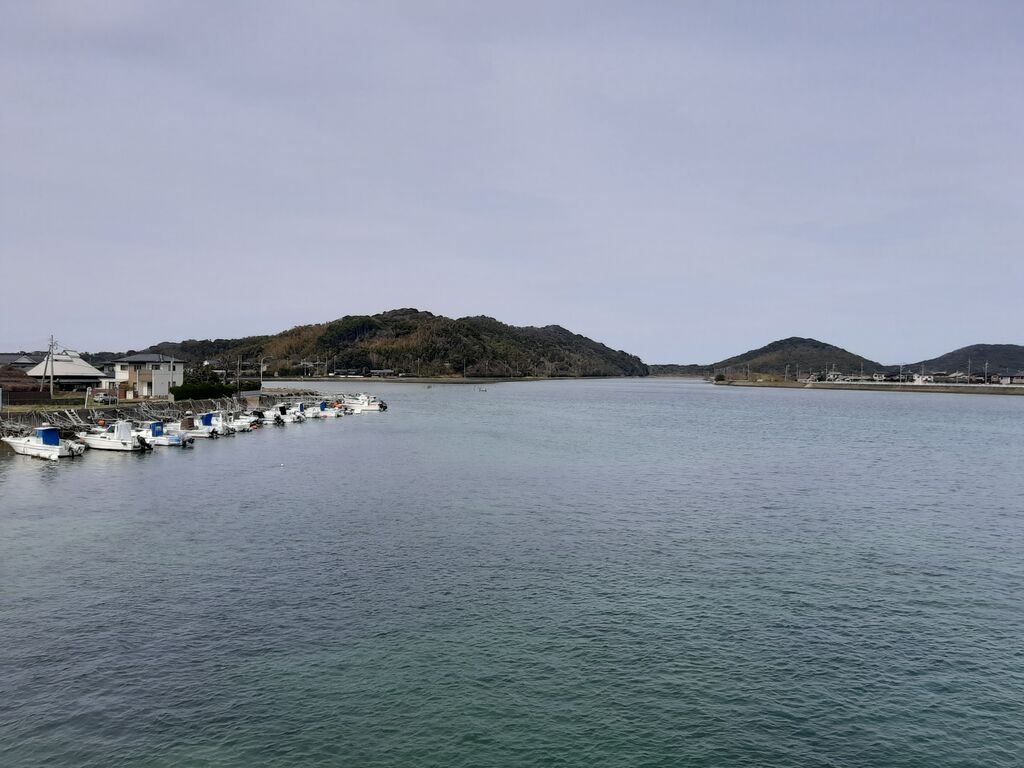
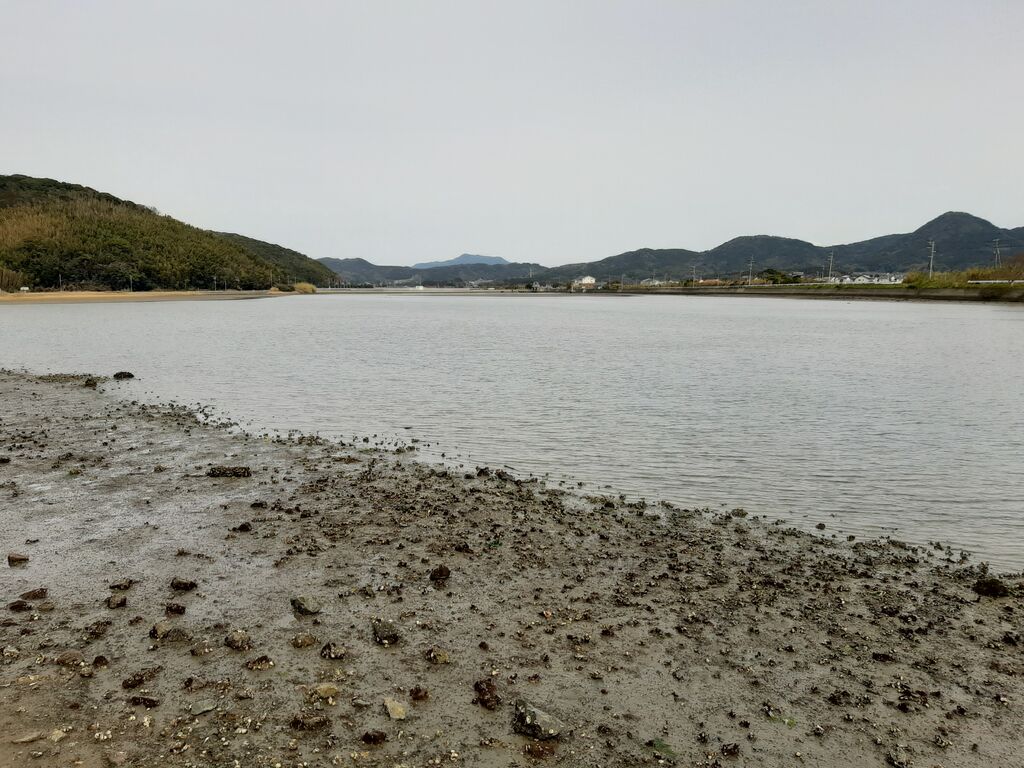
You can see Tsuya-zaki tideland stretching far into the right distance.
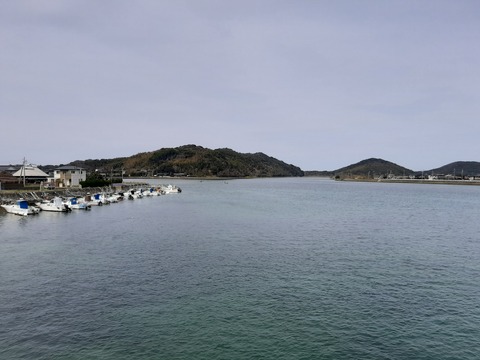
While wandering around, I started feeling hungry.
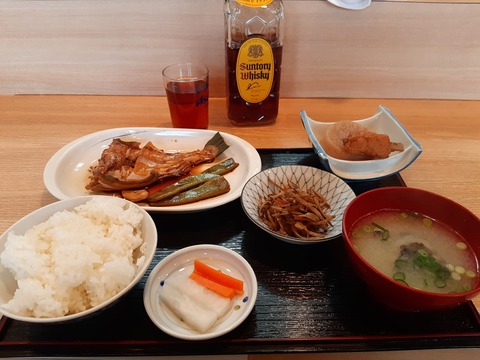
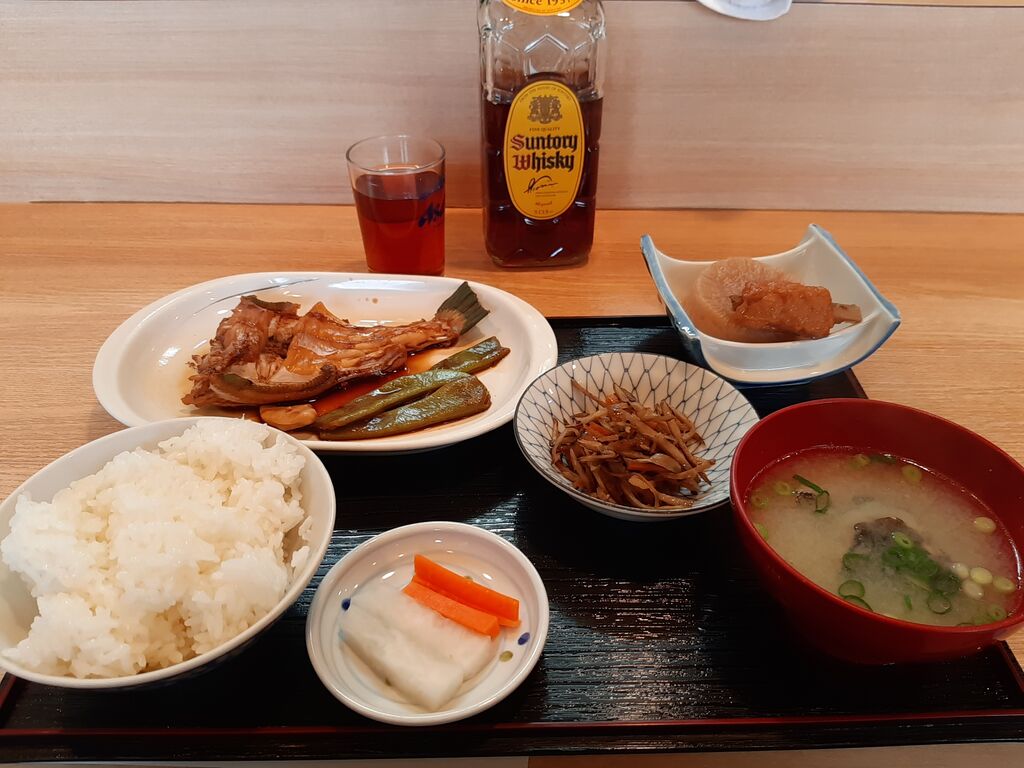
When it comes to eating casual in Tsuya-zaki, "Kadoya" is the place.
At night, it's a drinking spot popular with locals.
No wonder they serve barley tea in glass whisky bottles.
I had the Kawahagi simmered set meal.
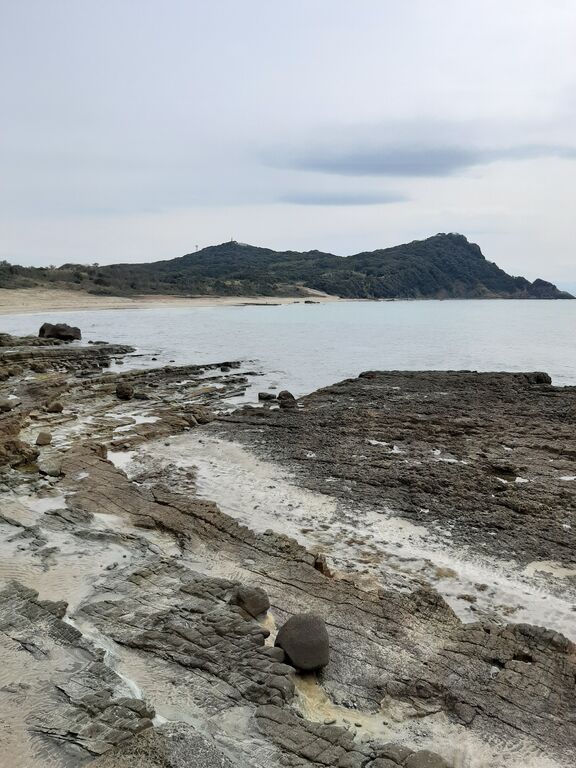
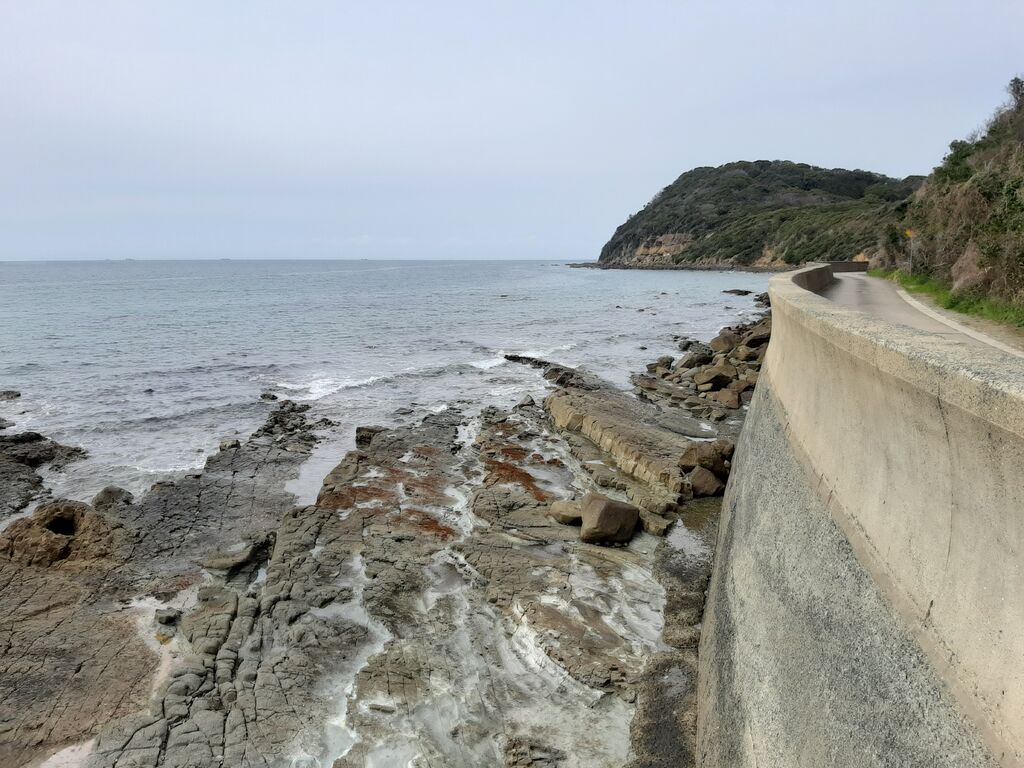
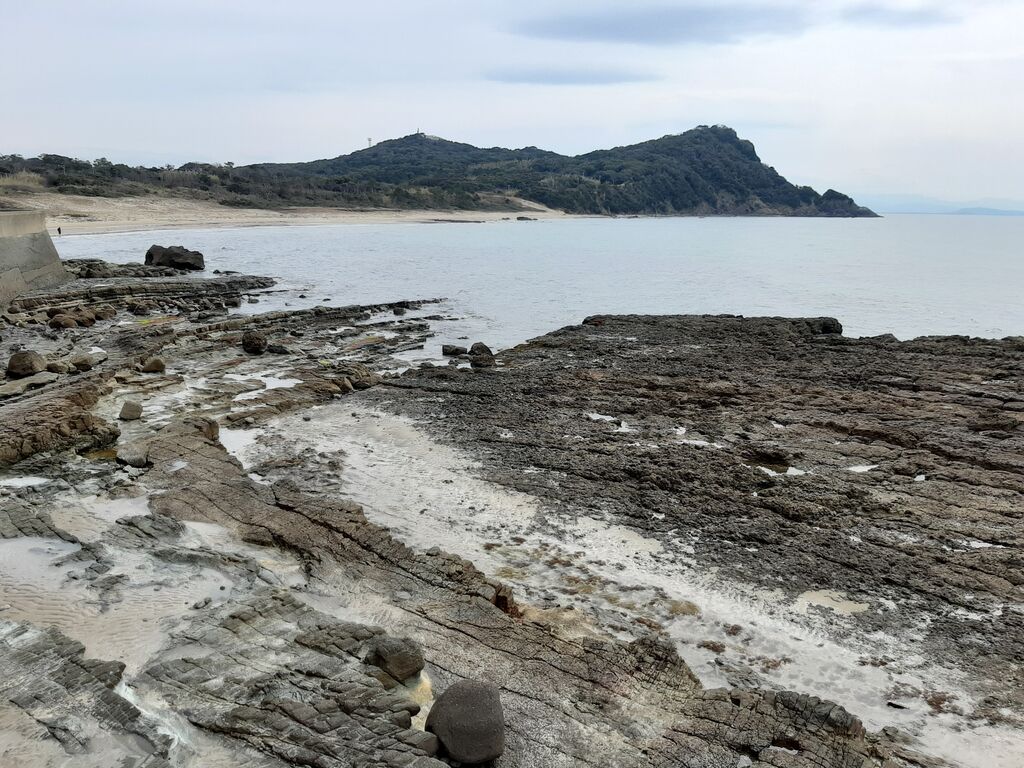
As a digestif, I ran to "Koi no Ura (Love Bay) Coast" on the Watari Peninsula.
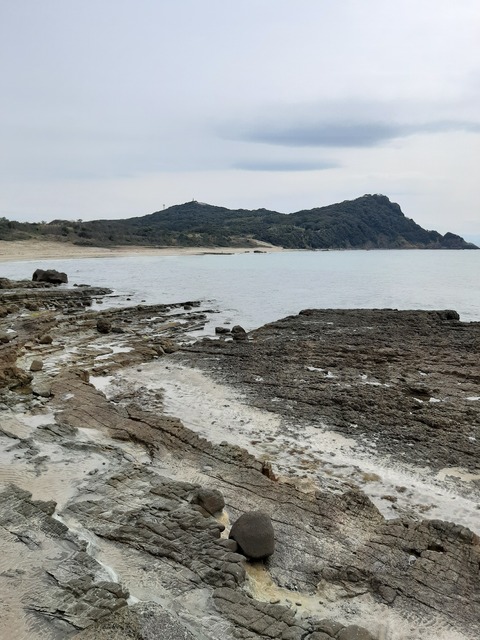
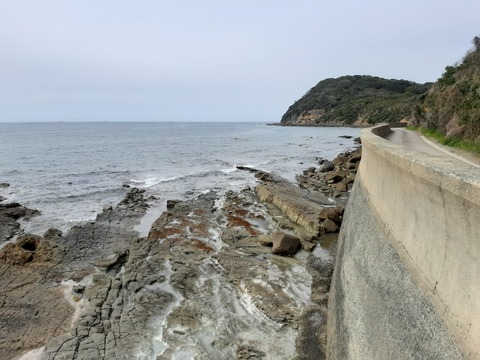
"Koi no Ura (Love Bay)" has such a beautiful name,
But knowing the folklore behind it, it's not as romantic as it sounds.
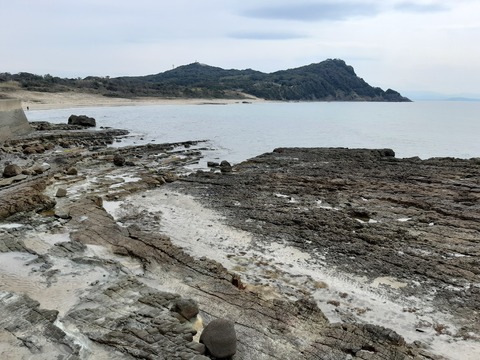
They both threw themselves into the sea, and only the boat washed up on the shore.
The coastal name comes from this folklore.
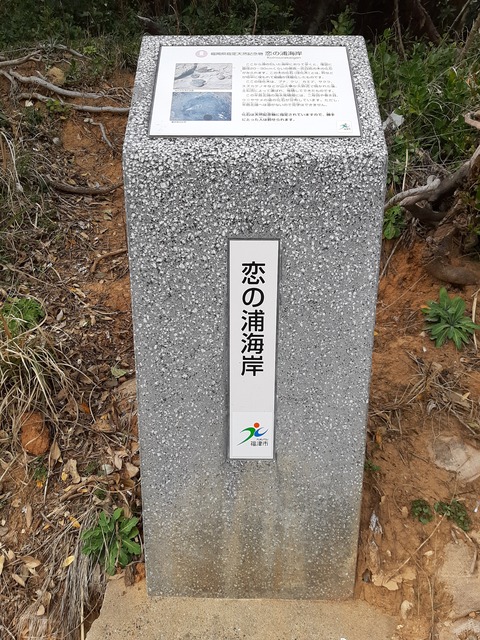
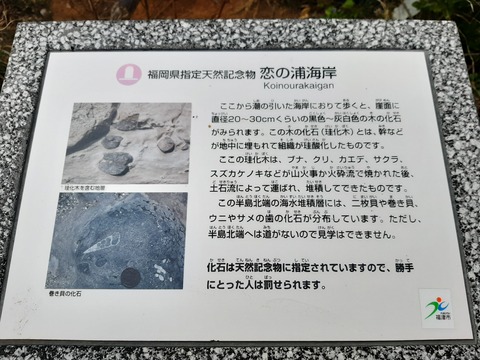
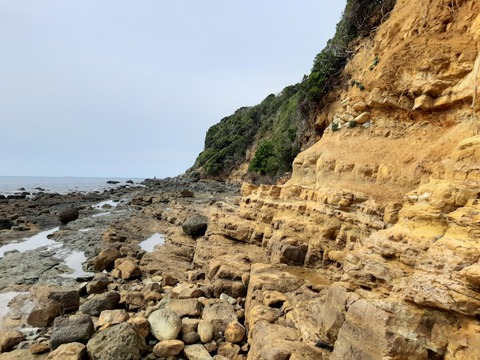
I tried searching for fossils and petrified wood but gave up quickly as the rocks seemed about to tumble down.
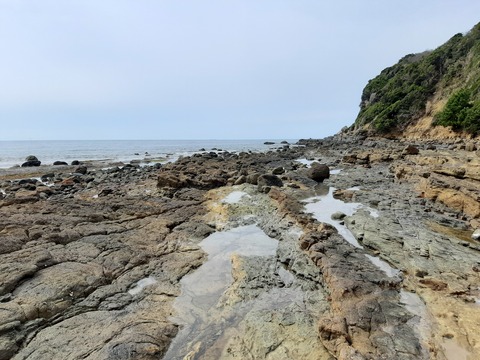
I went a bit deeper into Tsuya-zaki tideland, saw the sluice gates, and returned to Tsuya-zaki Sengen district.
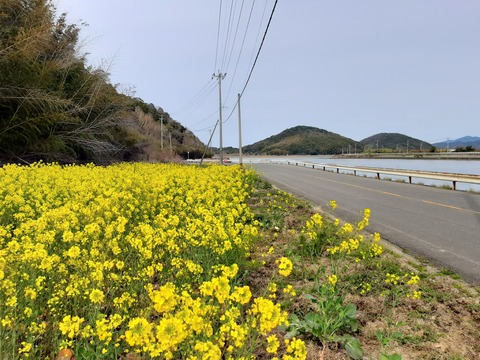
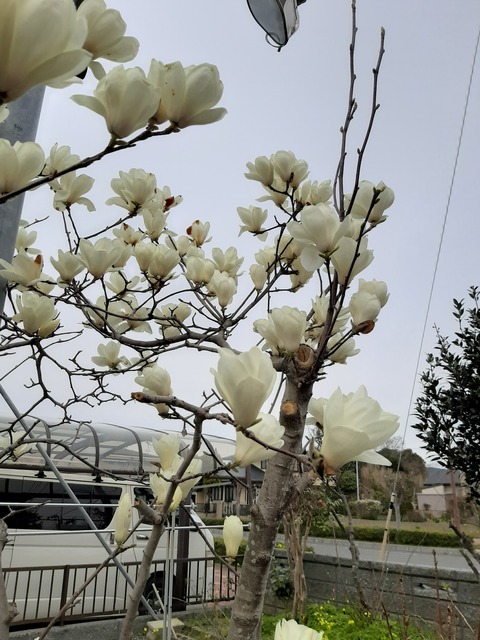
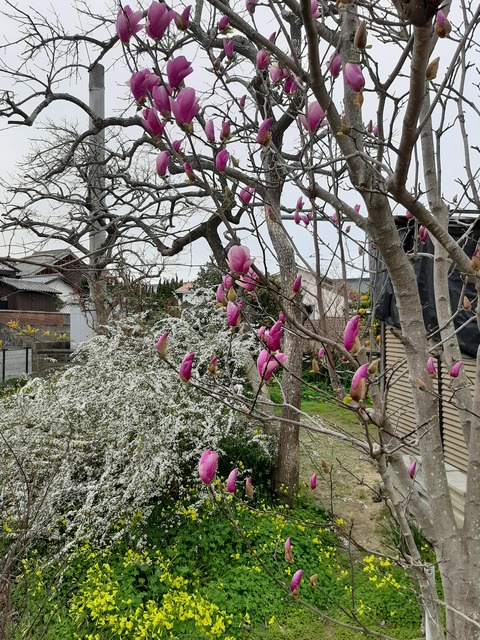
Here's another "Another"...
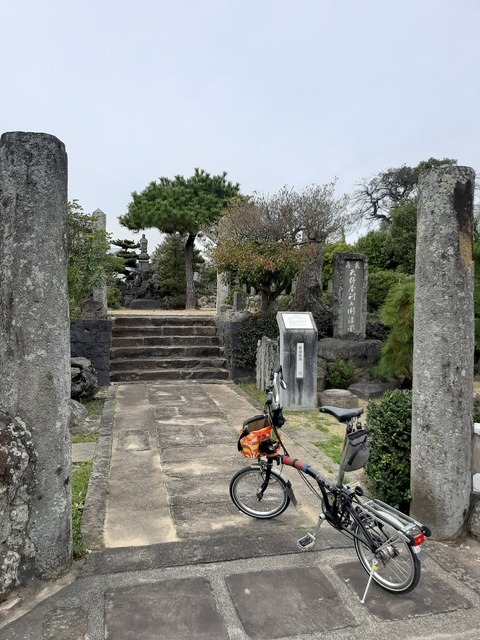
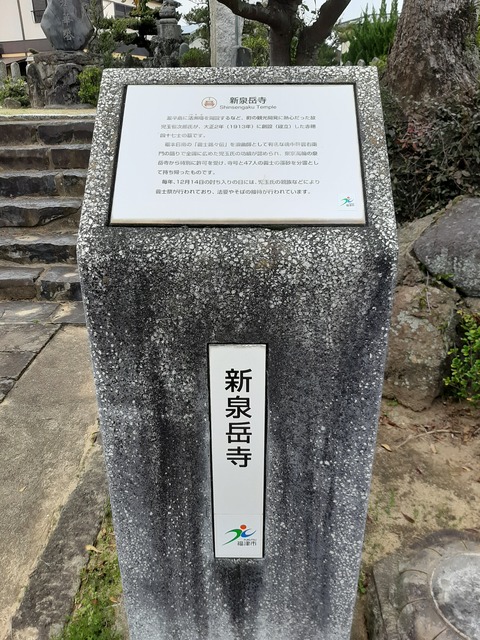
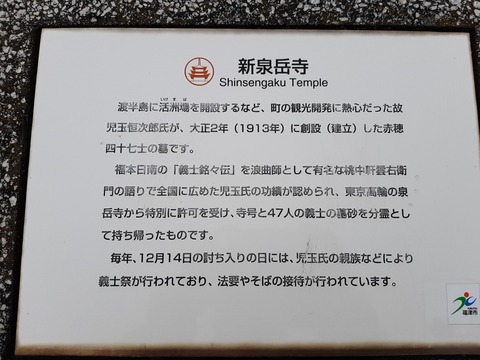
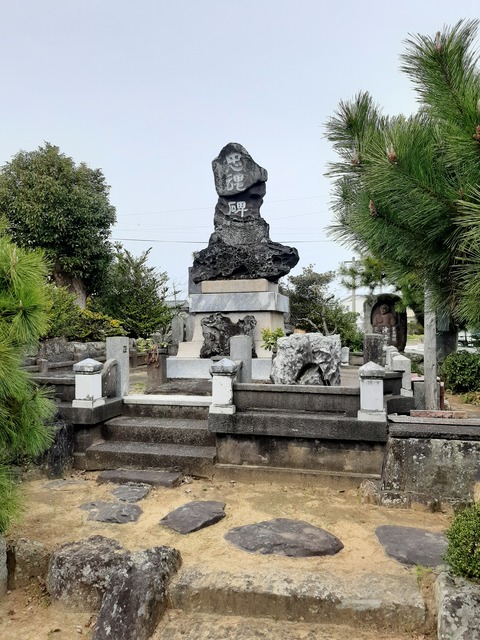
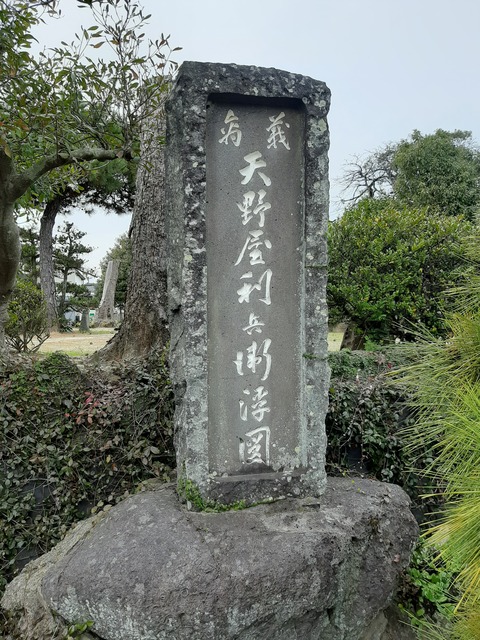
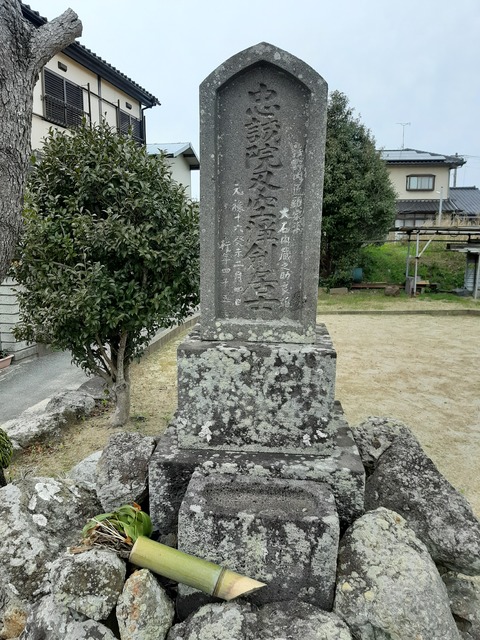
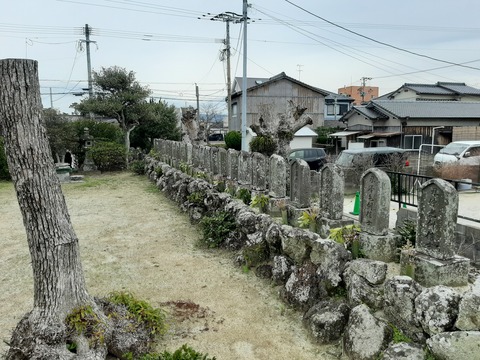
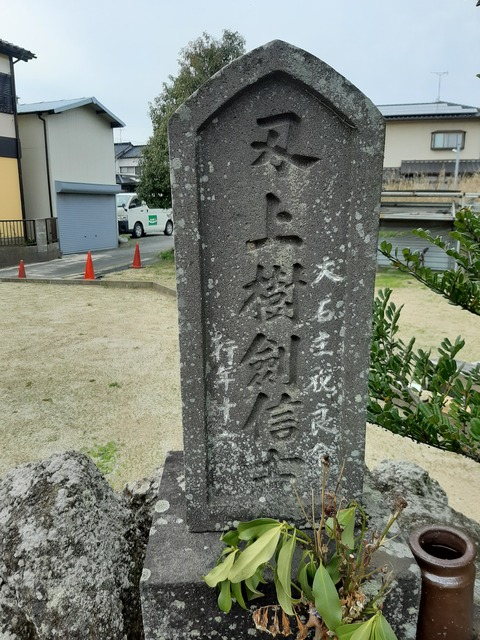
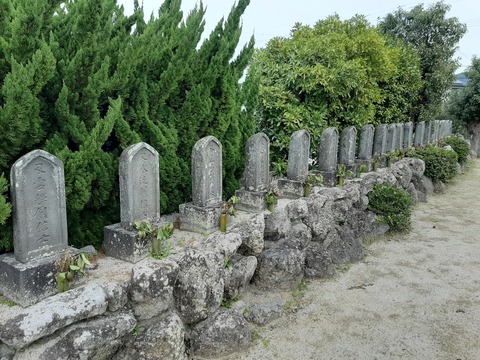
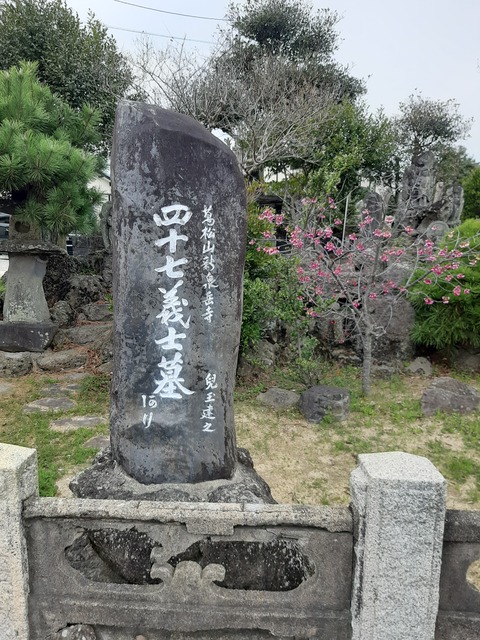
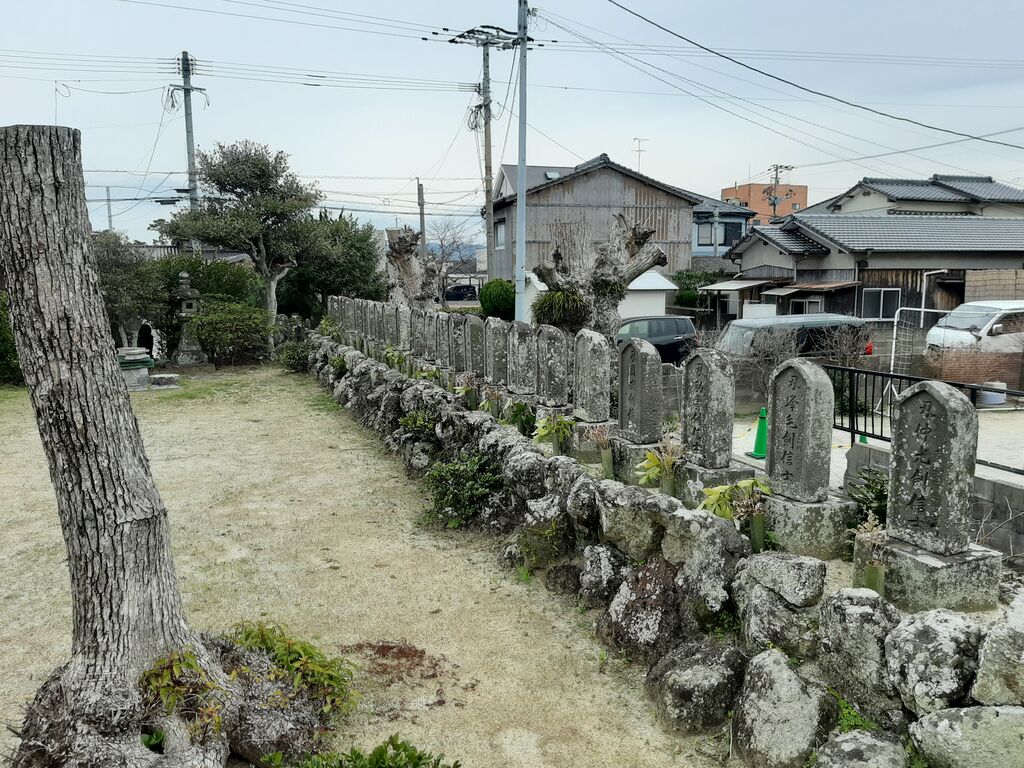
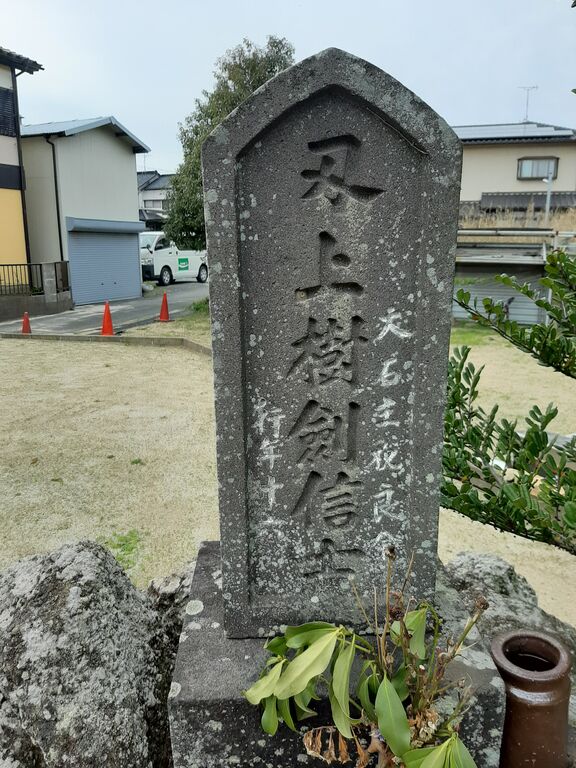
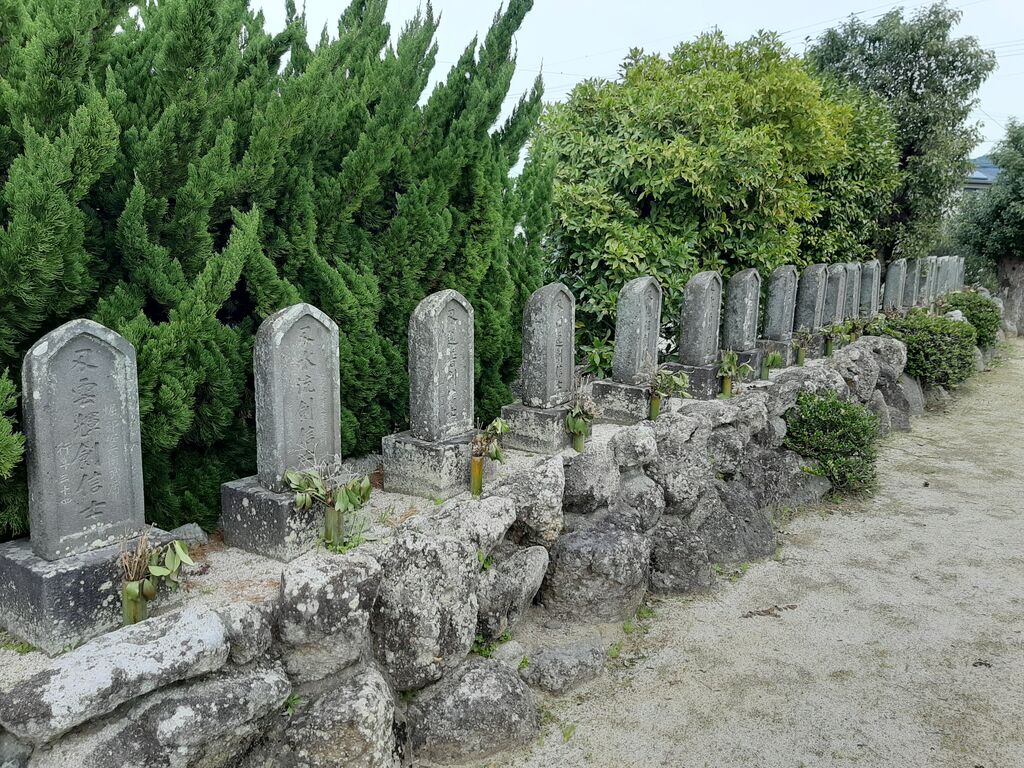
The graves of the 47 Akō rōshi (lordless samurai).
They were enshrined here with permission from Tokyo's Sengaku-ji Temple, with the temple's name and a portion of the rōshi's grave soil.
Ōishi Kuranosuke.
Ōishi Chikara.
It's painful.
You can see Tsuya-zaki tideland stretching far into the right distance.
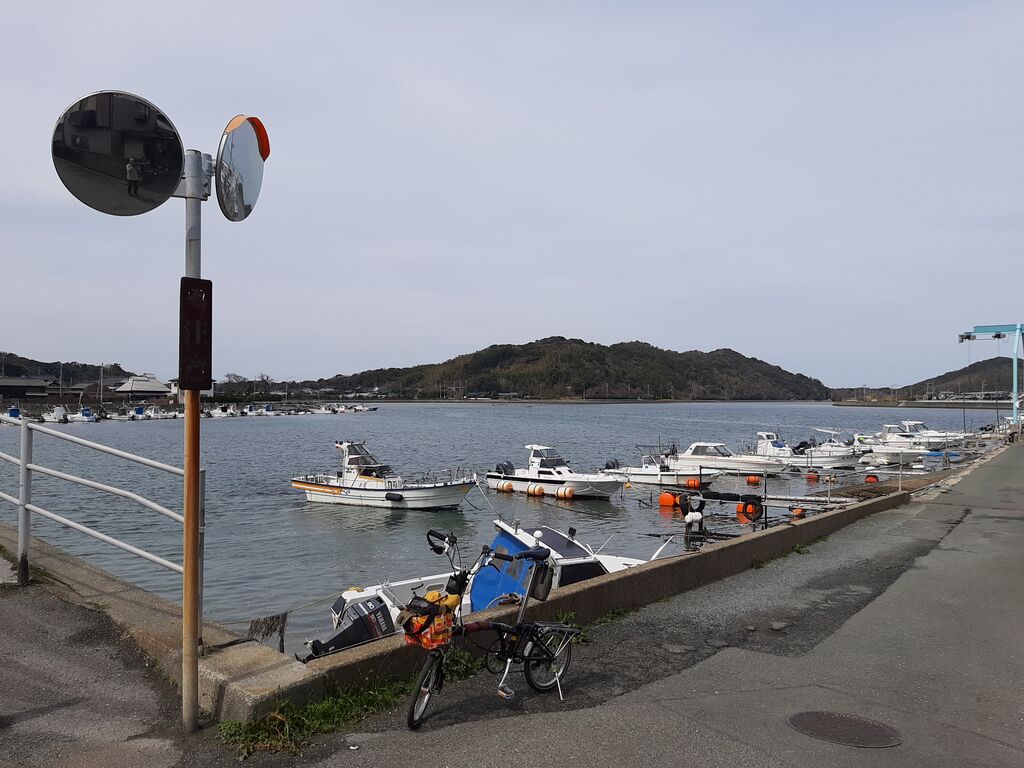
To the left is the Genkai Sea.
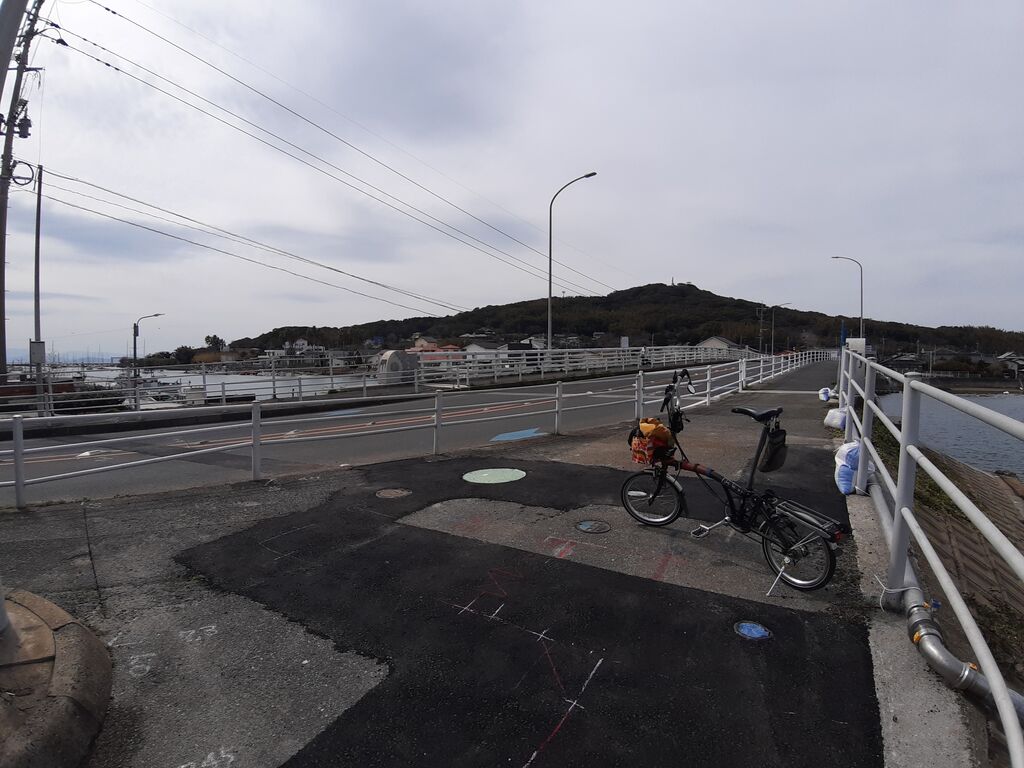
Way back there, you can see the sluice gates.
Currently, the tideland only goes up to there.
During the clamming season, it's bustling with families.
During the clamming season, it's bustling with families.
While wandering around, I started feeling hungry.
When it comes to eating casual in Tsuya-zaki, "Kadoya" is the place.
At night, it's a drinking spot popular with locals.
No wonder they serve barley tea in glass whisky bottles.
I had the Kawahagi simmered set meal.
As a digestif, I ran to "Koi no Ura (Love Bay) Coast" on the Watari Peninsula.
"Koi no Ura (Love Bay)" has such a beautiful name,
But knowing the folklore behind it, it's not as romantic as it sounds.
It's a tragic love story between Kayo, the daughter of the local village headman, and Senkichi, the son of a merchant from Hakata.
Before their wedding, they were ordered by Kuroda Nagamasa's uncle, Yosin-kou, to part and let her serve the lord.
They both threw themselves into the sea, and only the boat washed up on the shore.
The coastal name comes from this folklore.
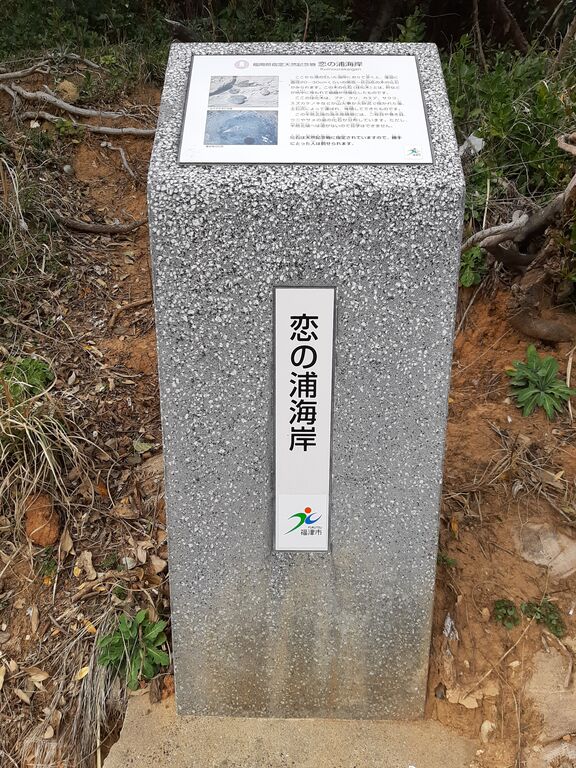
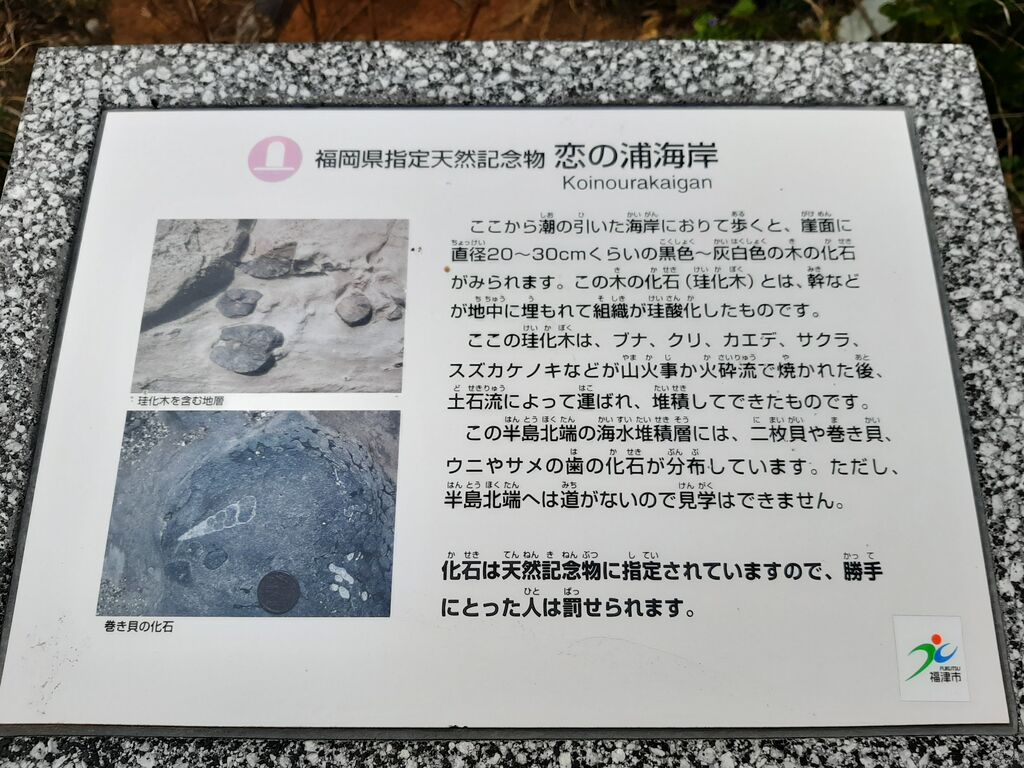
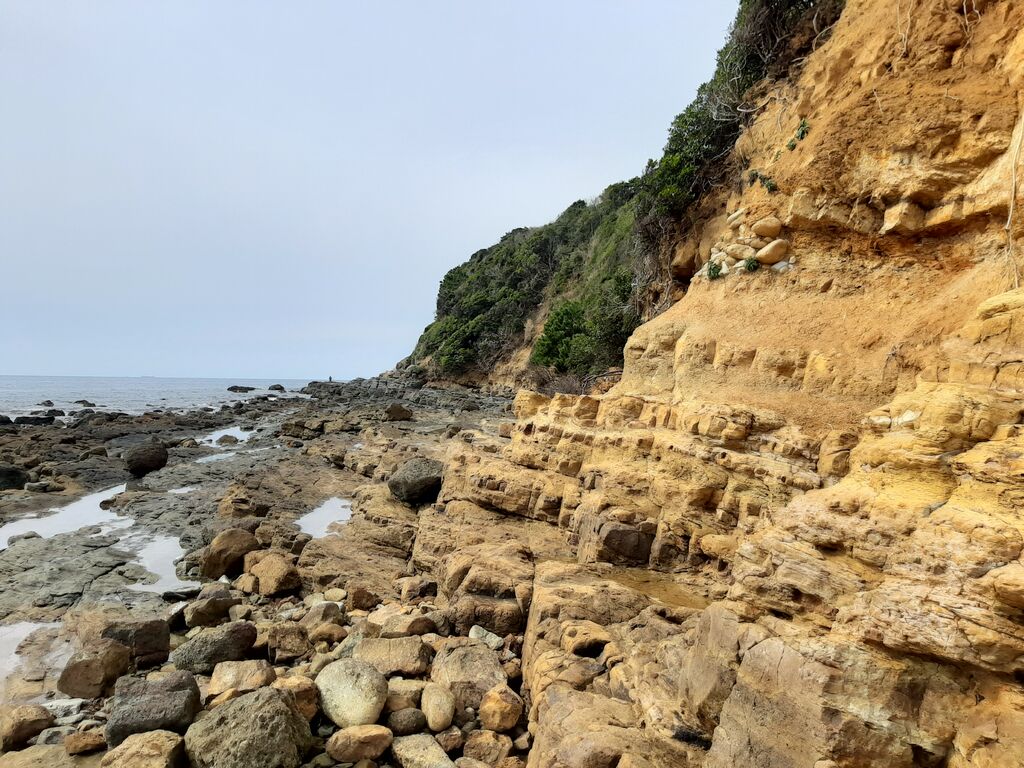
I tried searching for fossils and petrified wood but gave up quickly as the rocks seemed about to tumble down.
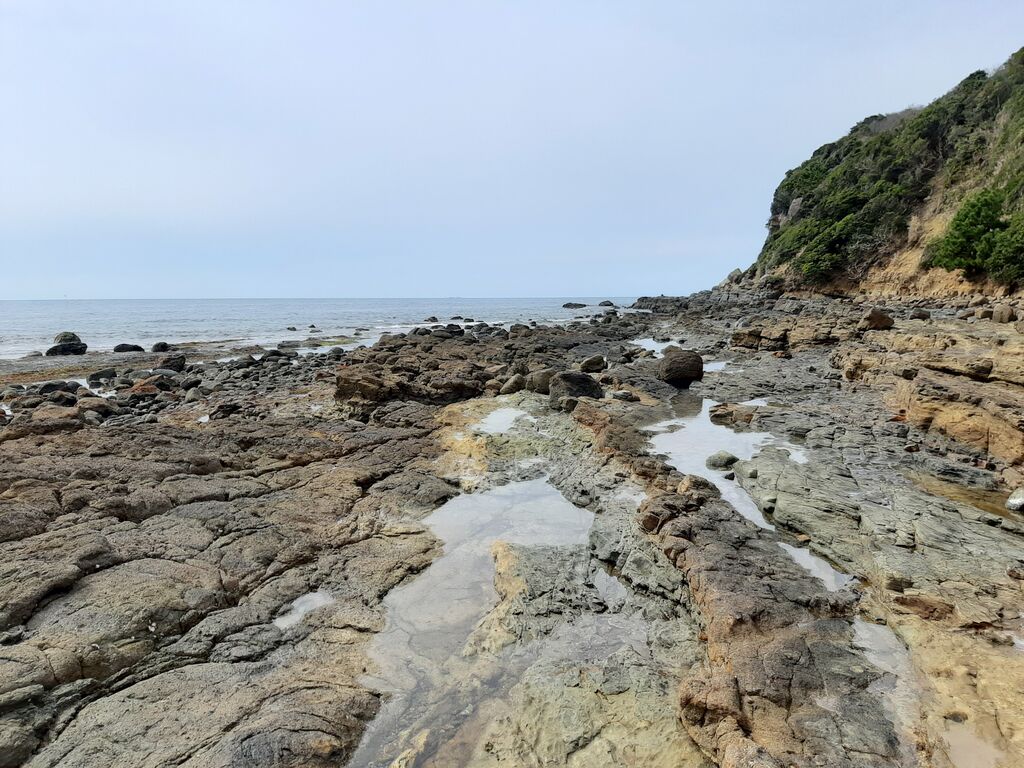
I went a bit deeper into Tsuya-zaki tideland, saw the sluice gates, and returned to Tsuya-zaki Sengen district.
Here's another "Another"...
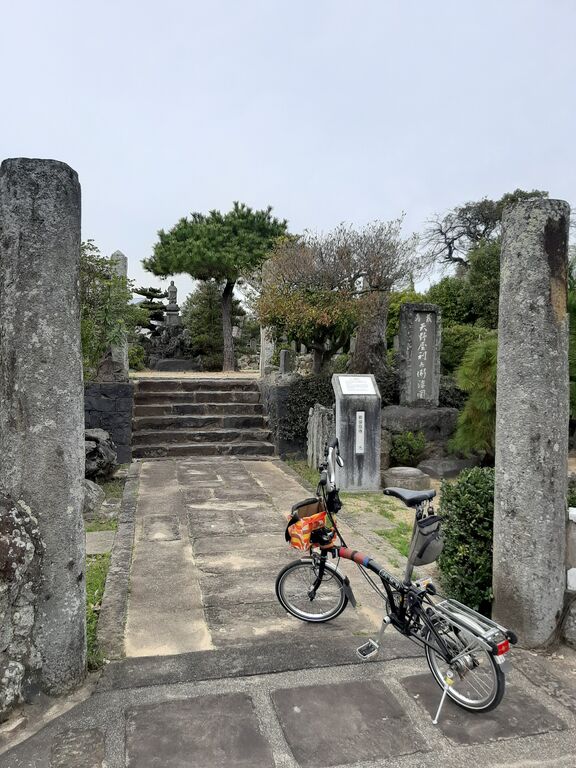
New Sengaku-ji Temple.
You can probably guess from the name alone.

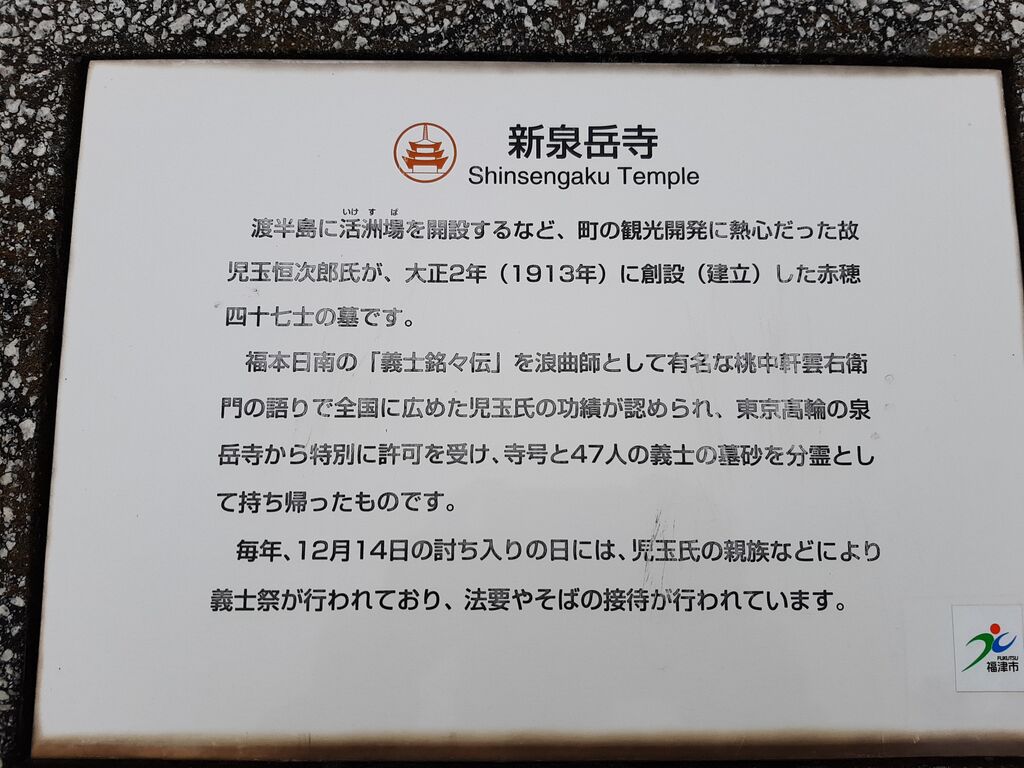
The graves of the 47 Akō rōshi (lordless samurai).
They were enshrined here with permission from Tokyo's Sengaku-ji Temple, with the temple's name and a portion of the rōshi's grave soil.
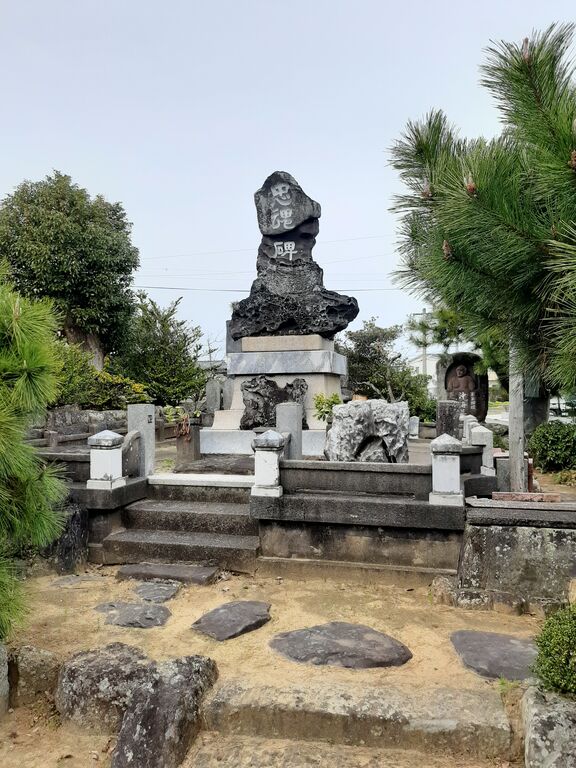
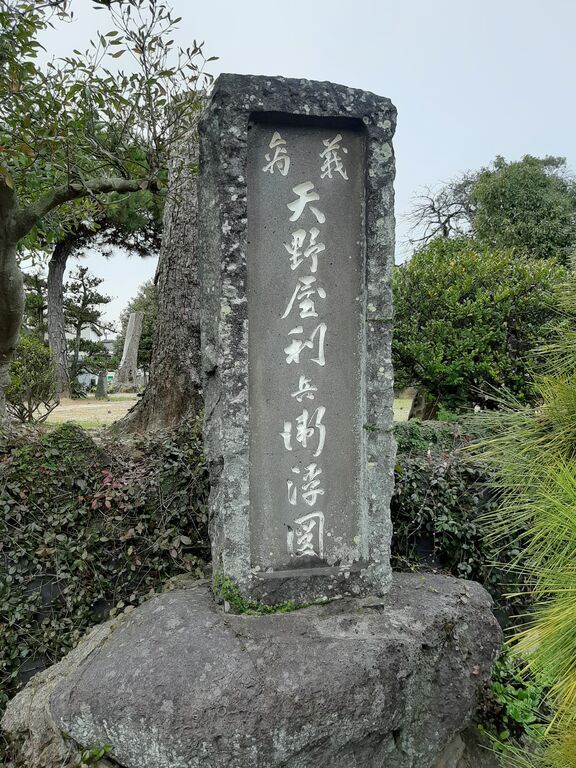
Ōishi Kuranosuke.

Ōishi Chikara.
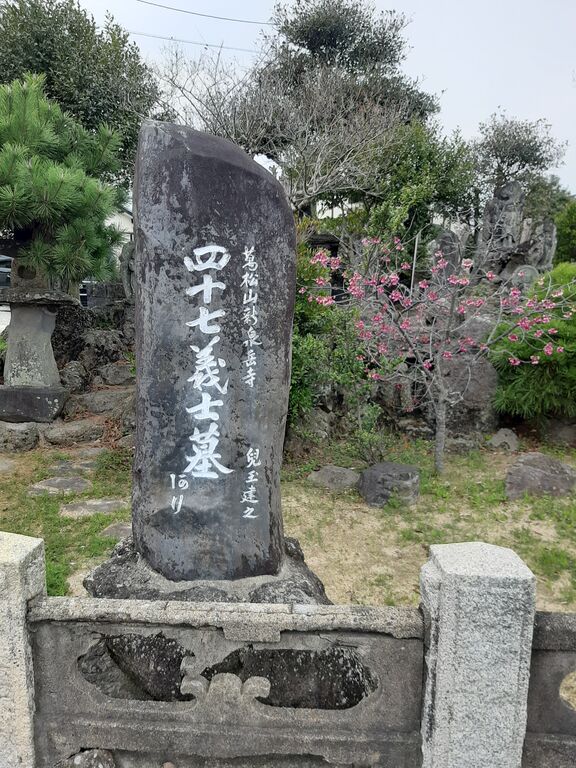
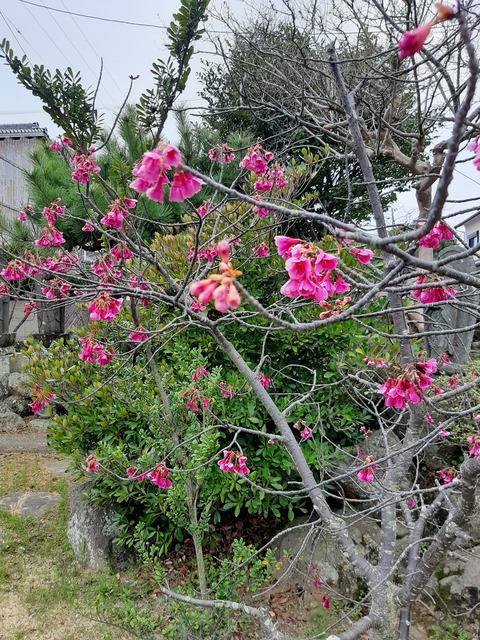
Budding double cherry blossoms.
More than the flowers, the wind beckons.
How shall I savour the remnants of spring?
- (farewell poem before Seppuku by the Load Asano)
How shall I savour the remnants of spring?
- (farewell poem before Seppuku by the Load Asano)


Comments
Post a Comment