The Shinbaru and Nuyama ancient tomb clusters & Flowery view
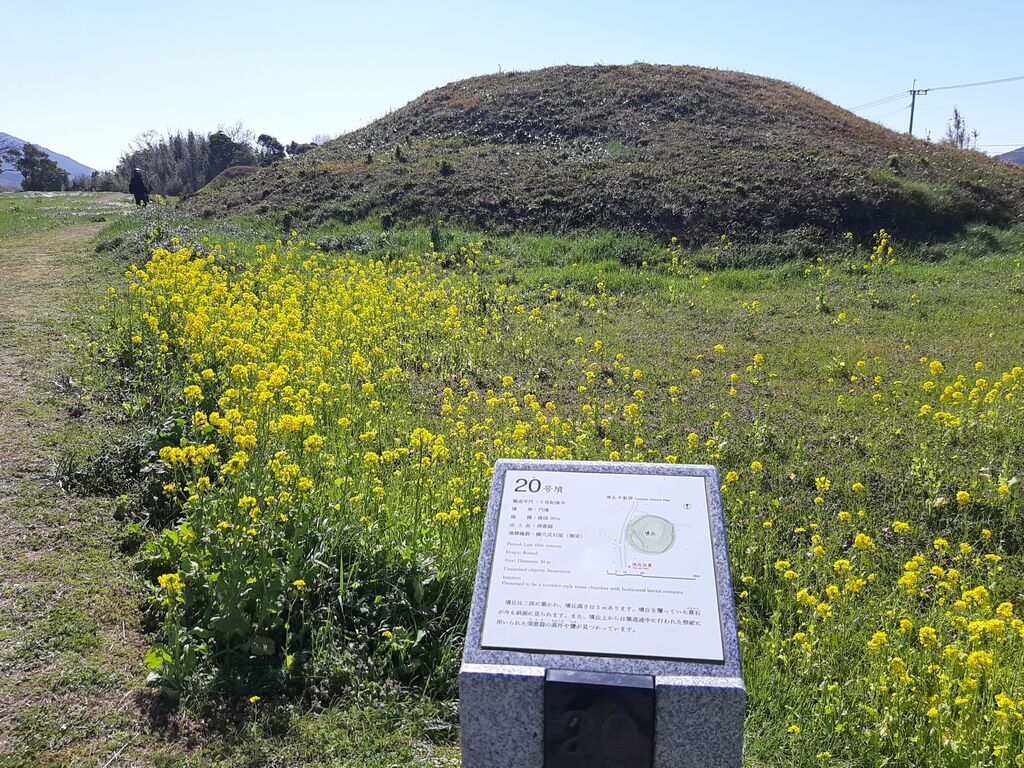
The other day, when I was passing by in my car, I decided to stop by at an ancient tomb where the rapeseed flowers were blooming.
I thought to myself that I'd like to take a closer look.
A long-awaited bike ride!
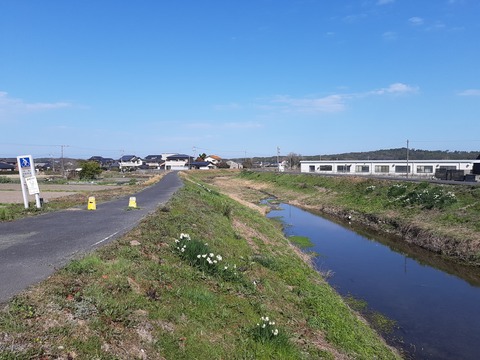
The Okagaki Town Cycling Path along the Shioiri River is my usual starting point for this ride.
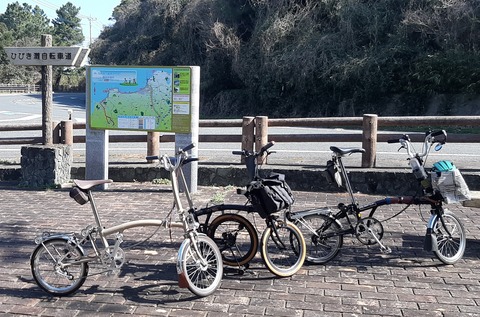
As I leisurely rode along the scenic seaside Cycling Path, taking my usual breather, I bumped into a stylish couple with Brompton bikes.
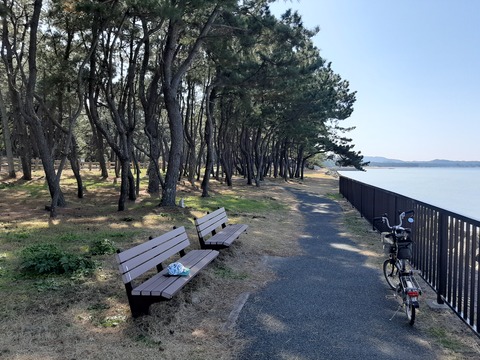
Although not the original bike path, I usually take this pine forest road when heading to the "Michi no Eki Munakata" (Roadside Station Munakata)
The reason is simple: If you follow the original bike path, you'll have to climb a gentle slope and take a roundabout route. Why bother avoiding this scenic route with a view of the sea and islands from the pine forest for the sake of a slightly easier ride?
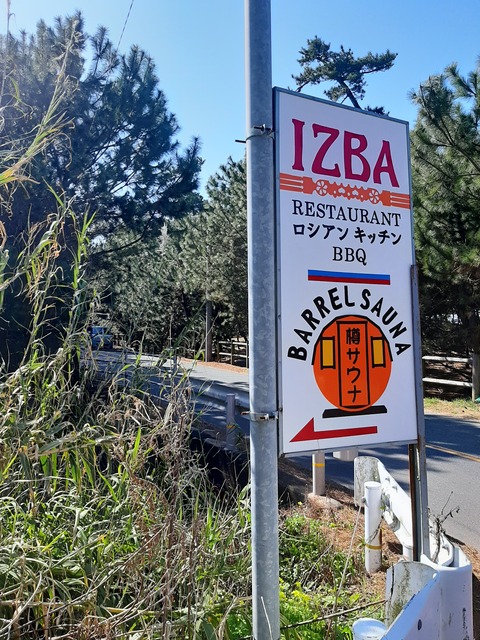
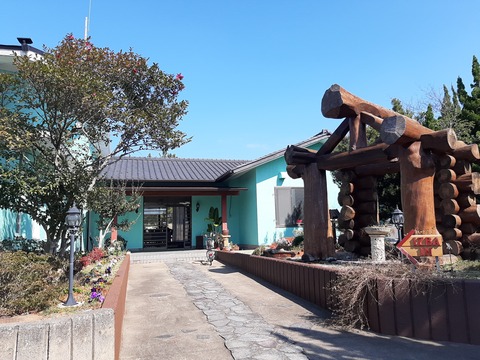
Along the way, there's a Russian restaurant called "IZBA," where they used to have handwritten lunch menus displayed during lunch hours, tempting passersby like me.
That's it!
¥350
Biking on a full stomach is tough.
When passing by, I couldn't help but nod in acknowledgment.
On the sidewalk, there are sometimes riders from the horse-riding club.
When encountering them, you have to watch out for droppings; otherwise, it could get messy.
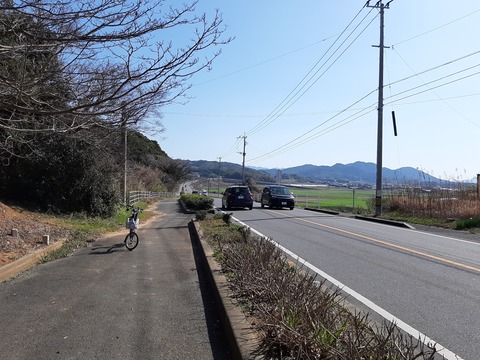
To reach the Shinbaru and Nuyama ancient tomb clusters, the shortest route is to continue straight on the national highway, but you'll have to climb a long, gradual uphill slope.
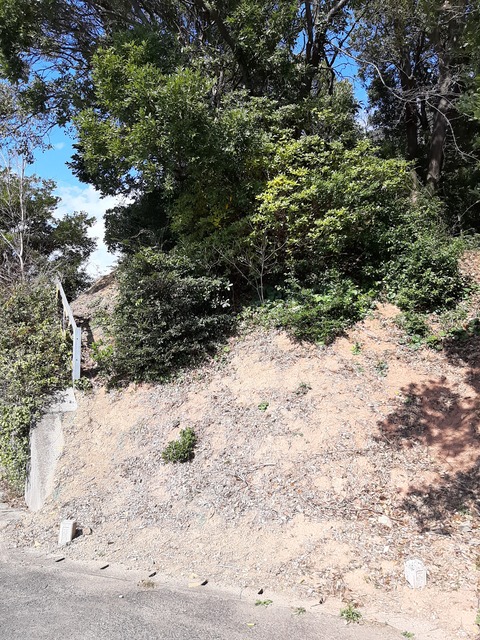
Around the top of the hill, there were several signs saying, "Historical Site Boundary."
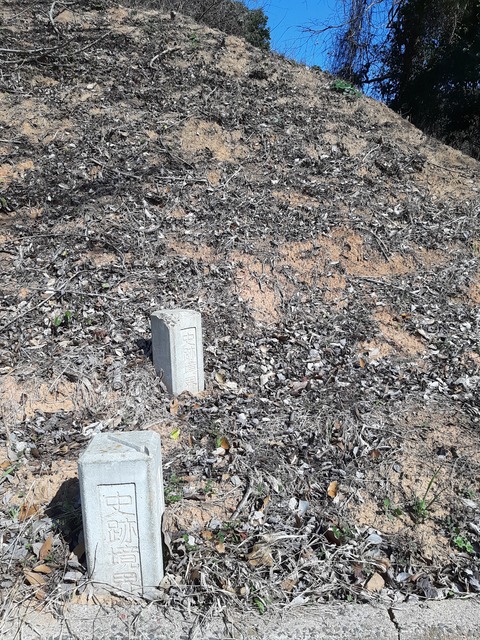
Although I've passed by here many times before, I never noticed them.
After cleaning the clay off my shoes, I returned to biking.
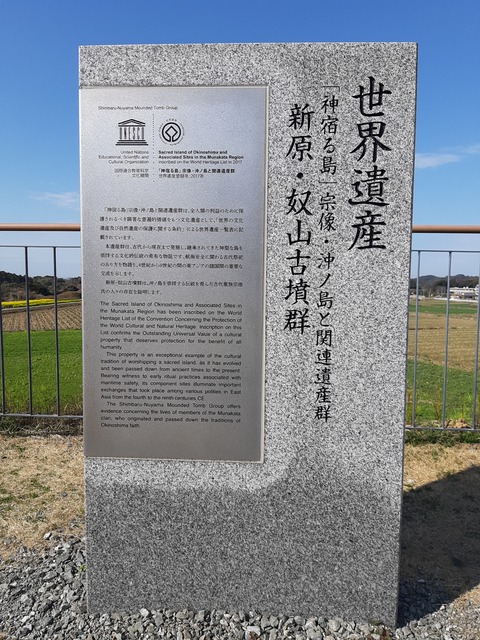
I climbed steadily to the observation point overlooking the ancient tomb cluster.
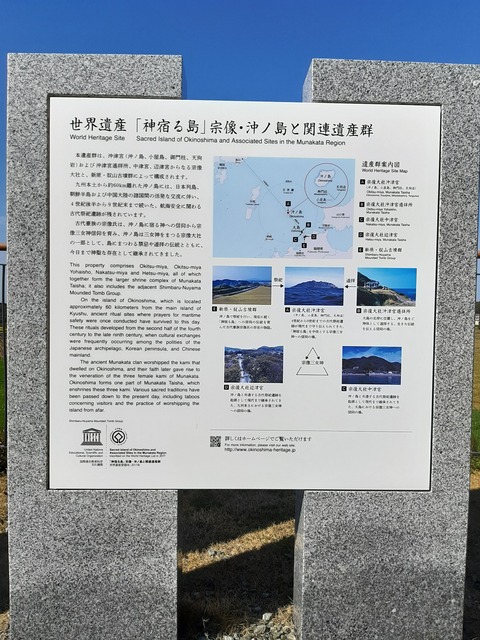
In Kansai, like in Nara, I've seen large keyhole-shaped burial mounds before, so when I first visited here after it was designated a UNESCO World Heritage Site, I couldn't help but wonder, "Why here?"
The Munakata Grand Shrine consists of the Okitsu Shrine on Okinoshima Island, the Nakatsu Shrine on Oshima Island, and the Hetsu Shrine in Munakata. It's a comprehensive shrine that enshrines the three goddesses.
Now, the relics of these rituals, totaling 80,000 items, are preserved and exhibited as national treasures.
I had a chat with a volunteer guide.
Since navigation was a matter of life and death for maritime tribes, the tattoos might have been for protection.
It was clearly written: 「男子無大小皆鯨面分身 自古以来」"All men, regardless of age, had whale tattoos on their faces from ancient times."
If that's the case, then just like the Ainu people, whose lives depended on fishing, hunting, and navigation, the appearance of the people who lived under the divine providence should come to mind.
They lived under the divine providence, relying on fishing, hunting, and navigation.
These people were deeply connected to the heavens.
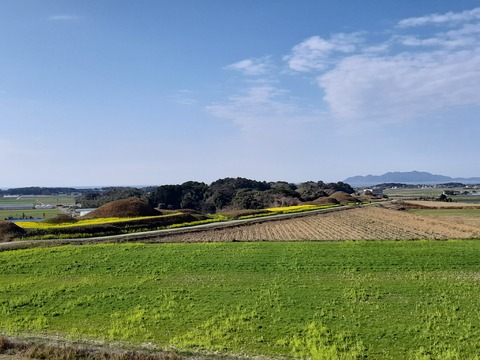
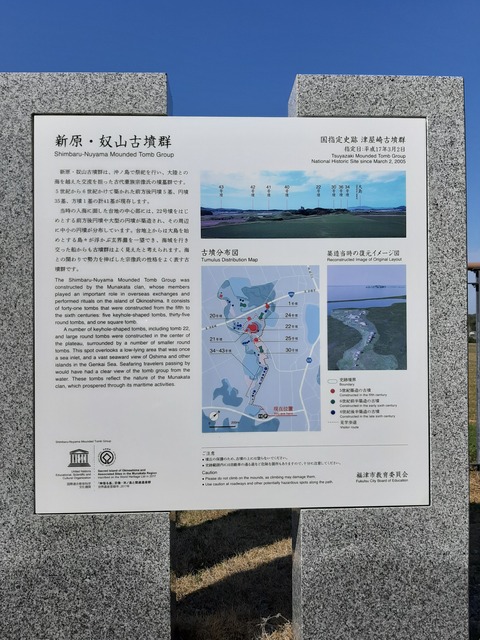
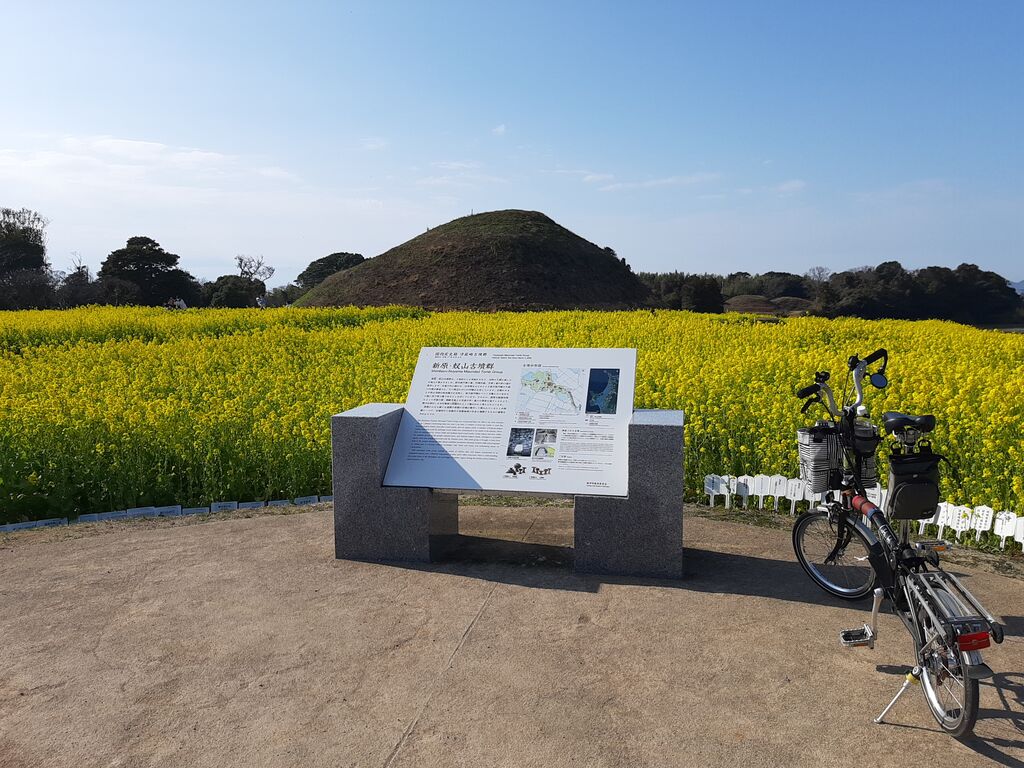
Down below, you can see a row of burial mounds stretching vertically along the low hills.
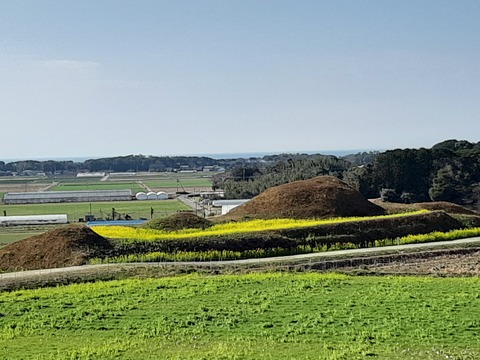
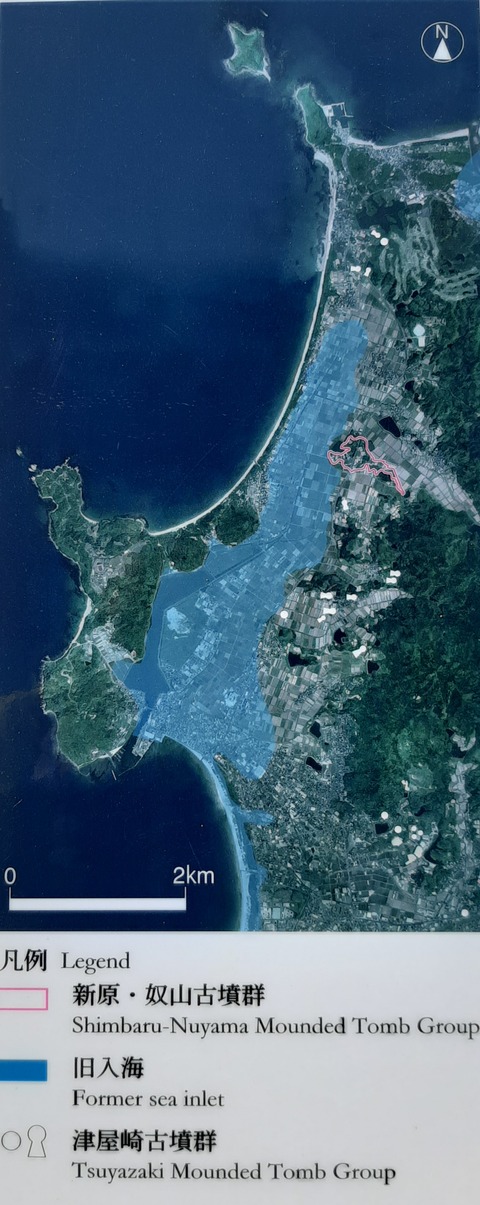
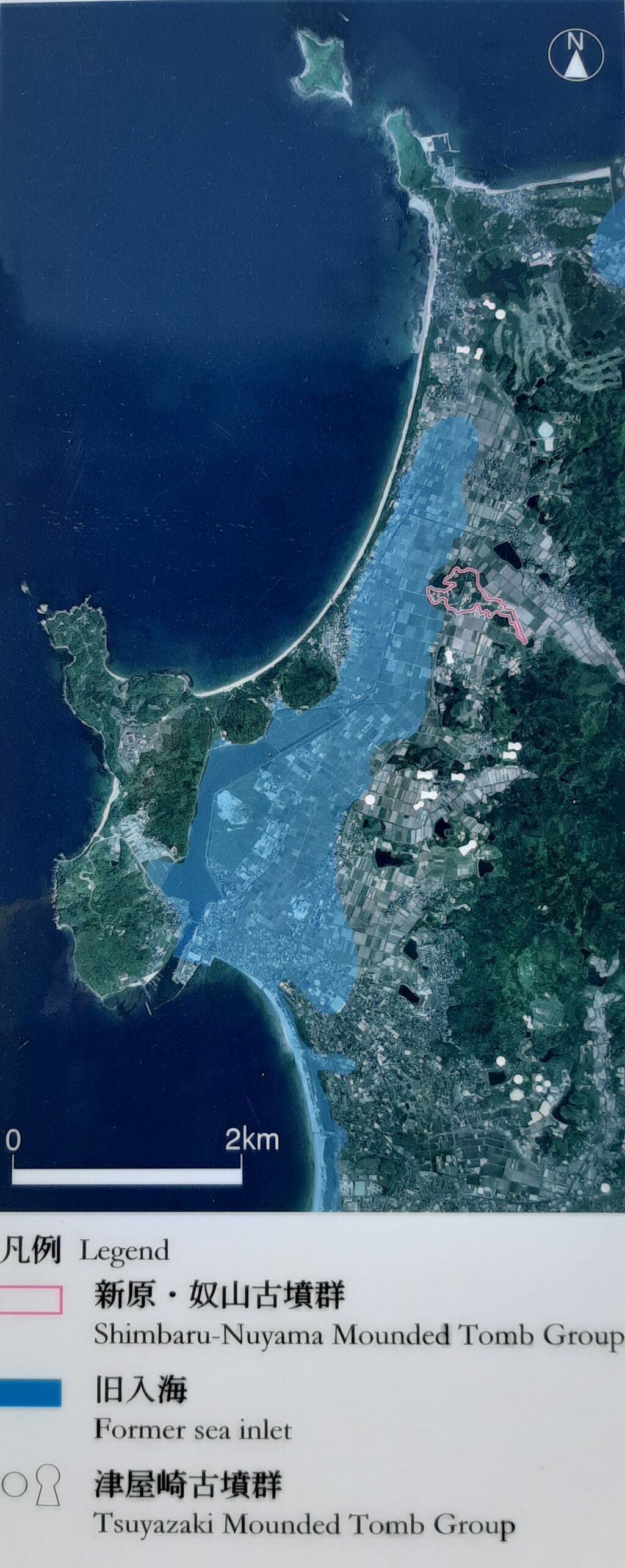
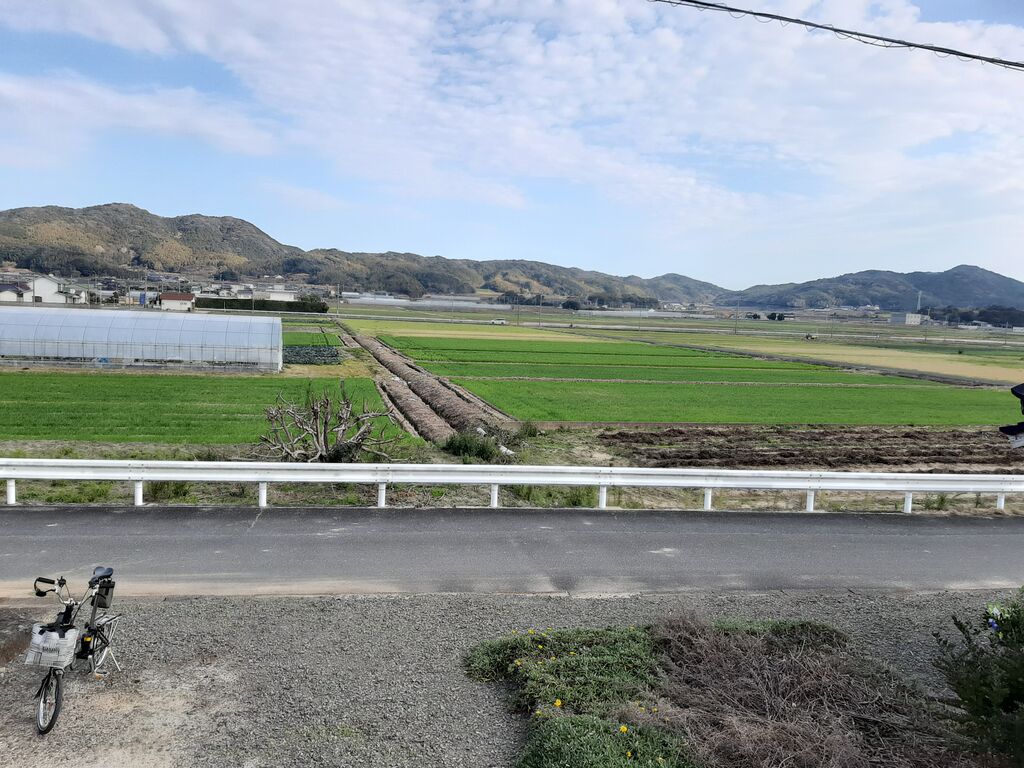
The flat land at the foot of the hills used to be an inlet, they say.
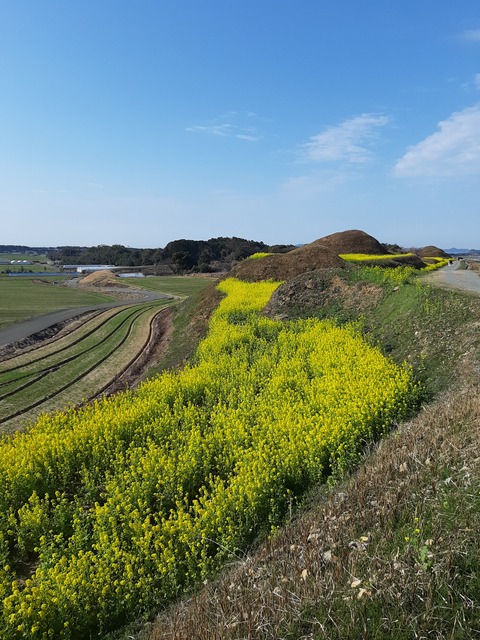
It's believed that visitors from the continent and the peninsula would travel by boat along the route to the Munakata clan's residence.
The numerous imposing burial mounds adorned with paving stones would have gleamed in the sunlight, resembling a modern architectural ensemble, surely attracting curious gazes from afar.
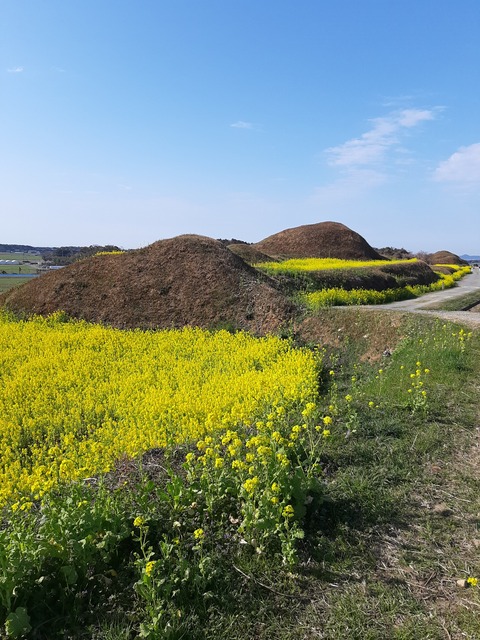
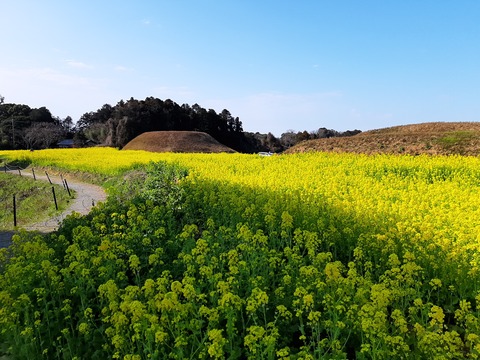
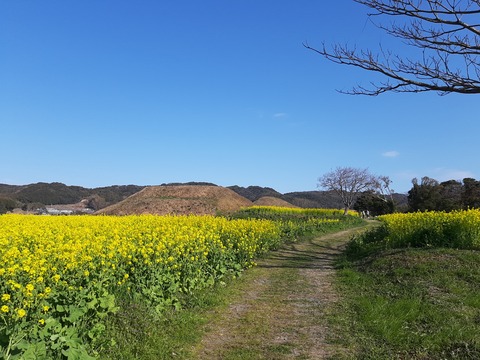
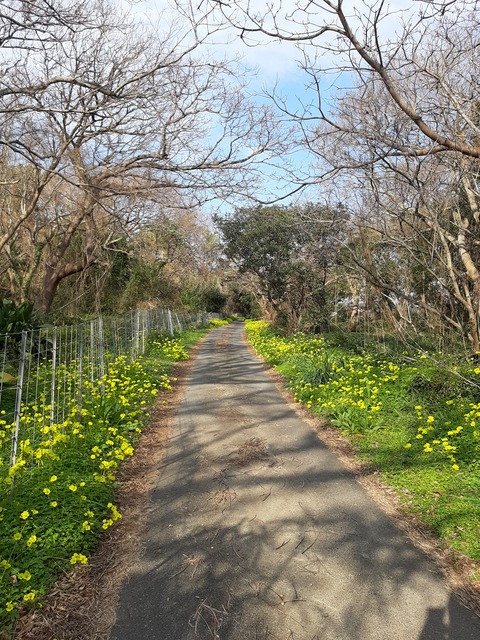
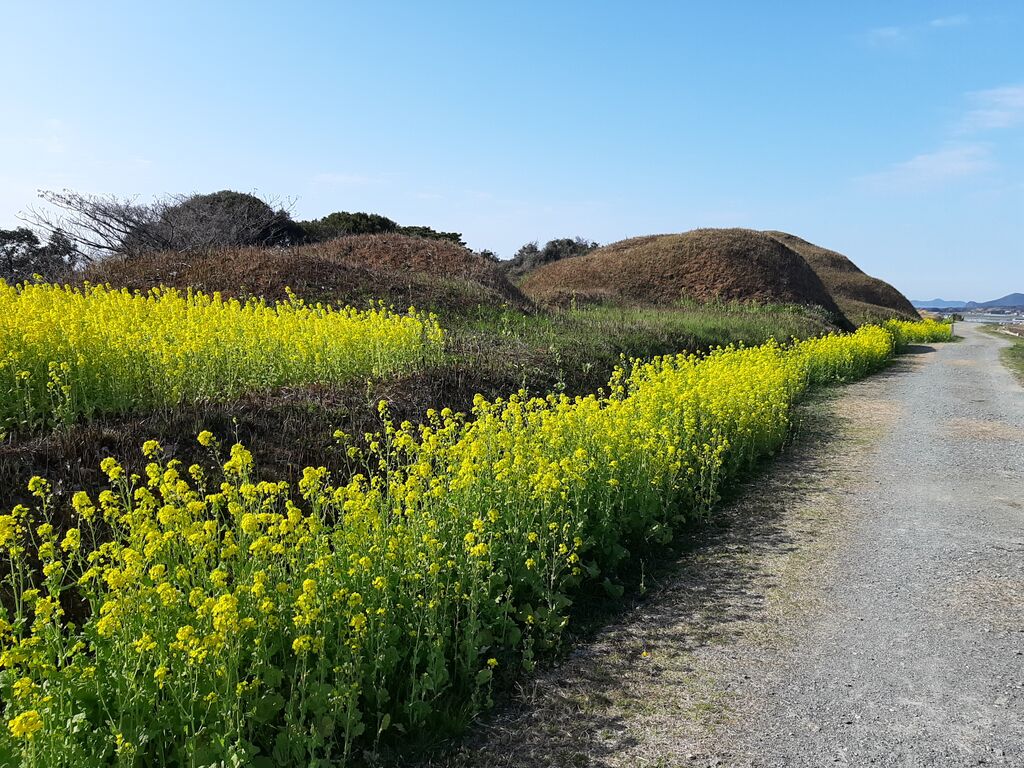
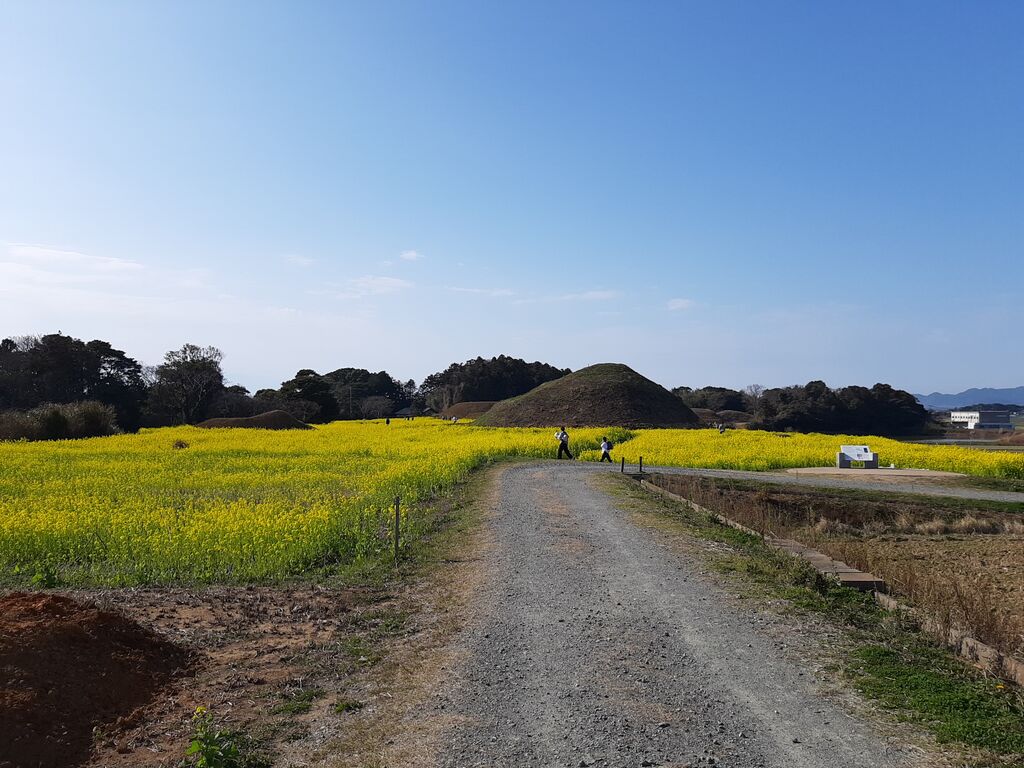
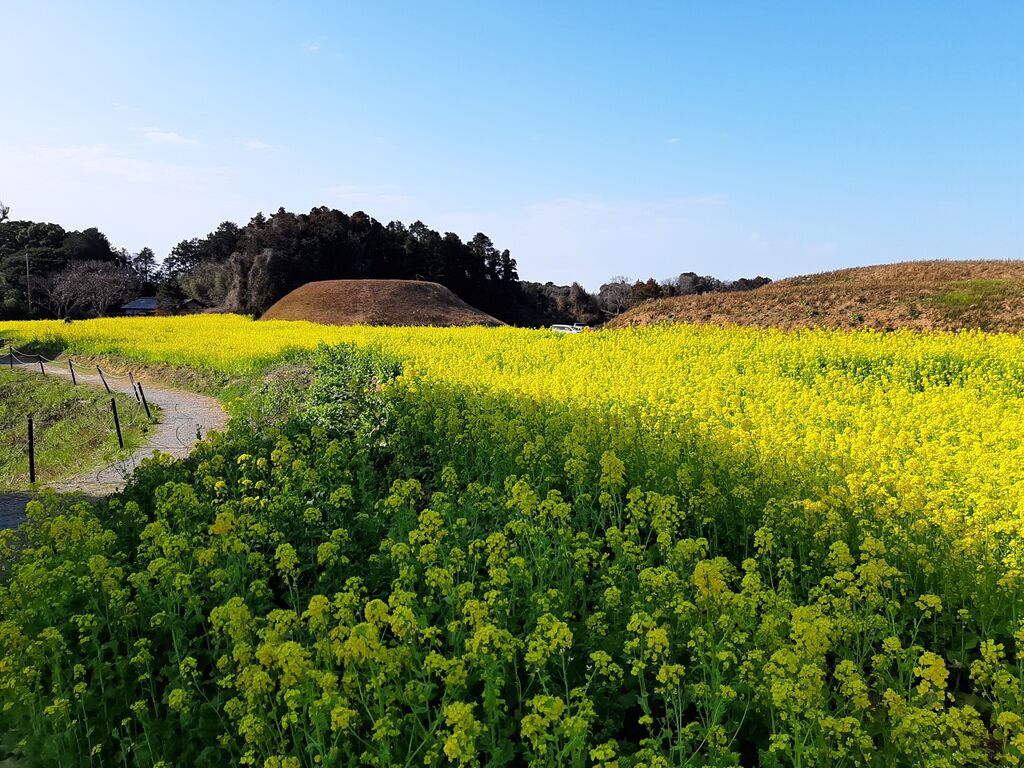
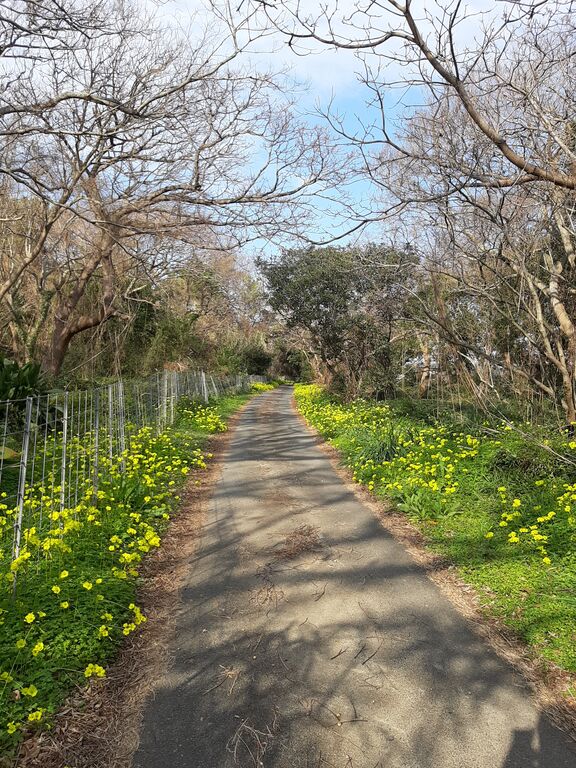
So, riding along this wild path bursting with rapeseed flowers feels quite delightful.
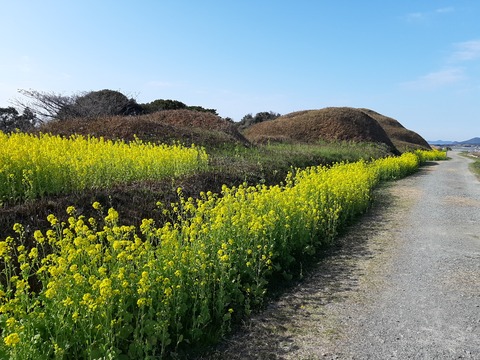
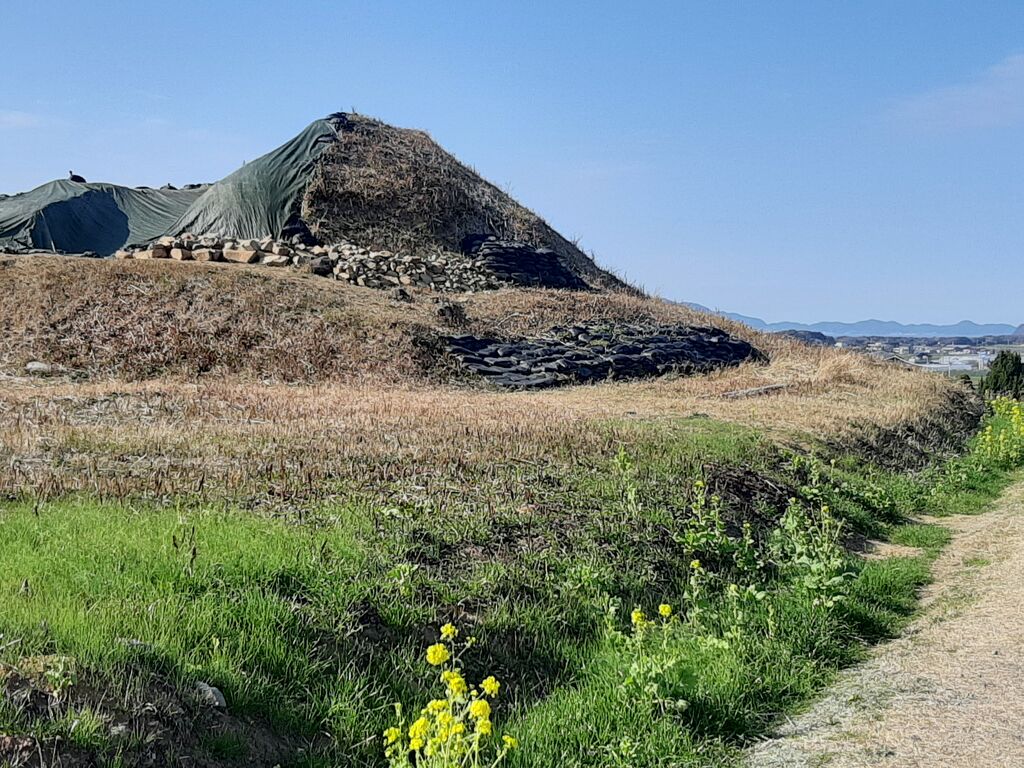
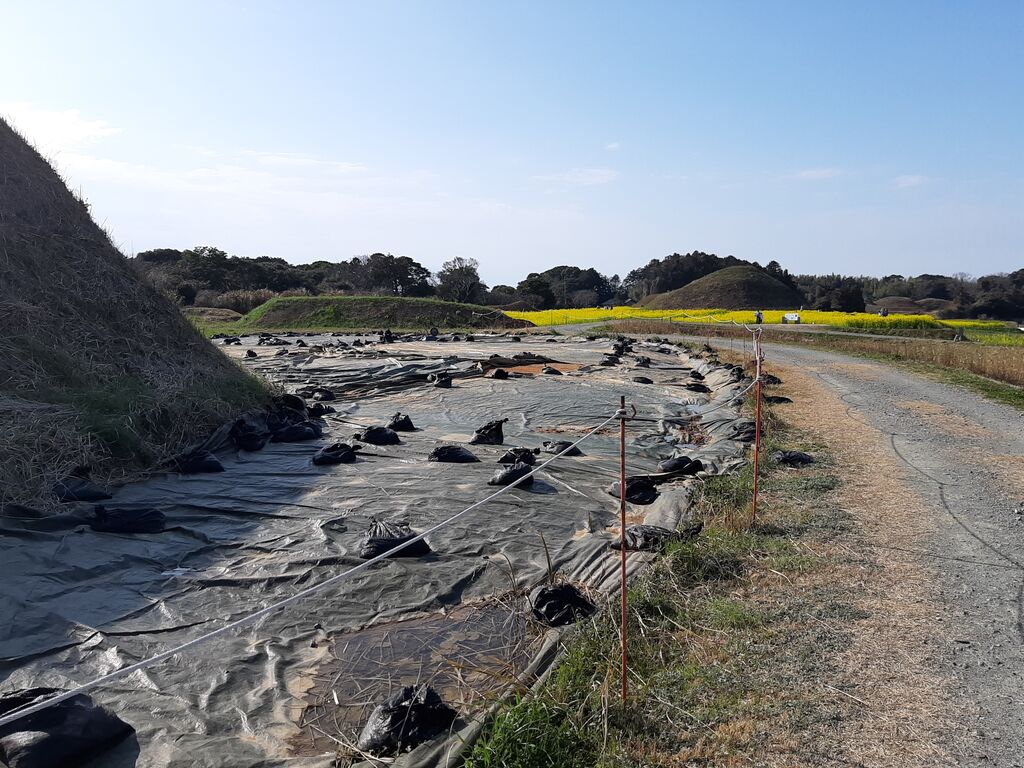
There are even some burial mounds under excavation.
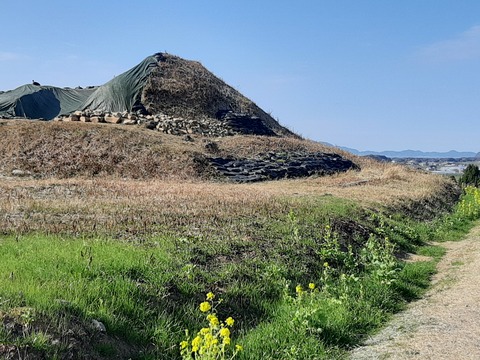
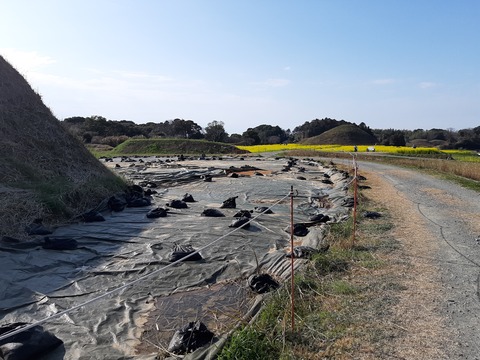
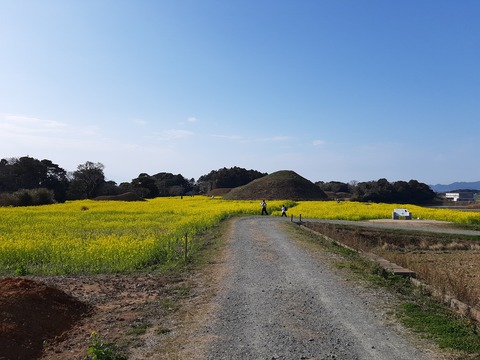
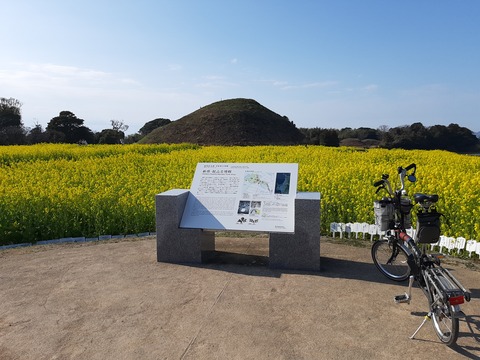
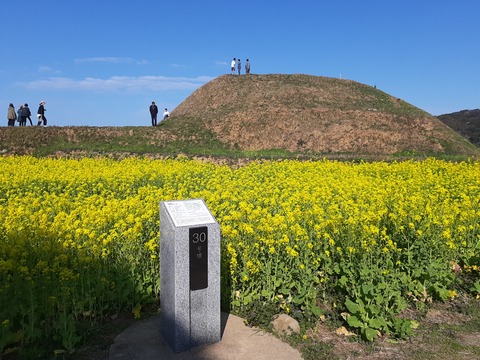
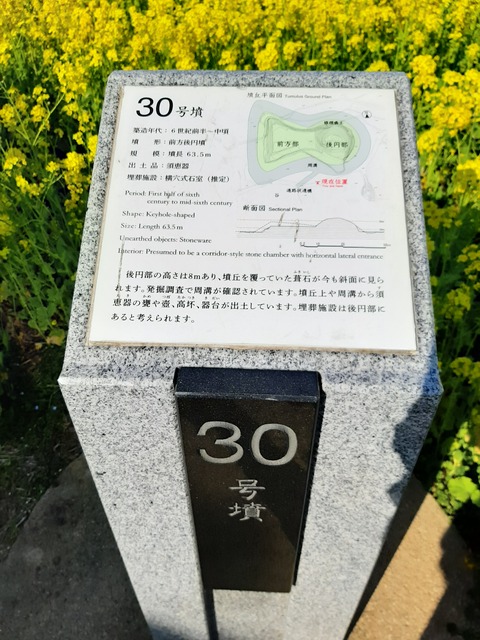
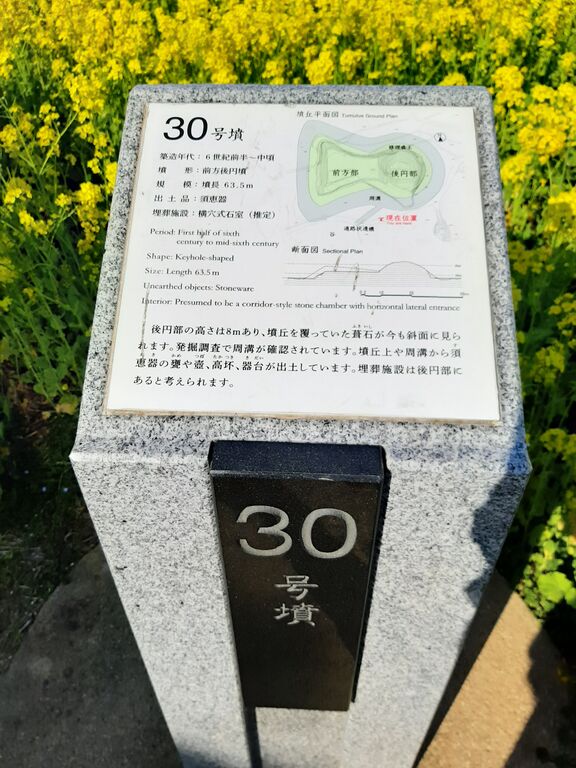
And here's the distinctive keyhole-shaped burial mound, Tomb No. 30, clearly visible among this burial mound cluster.
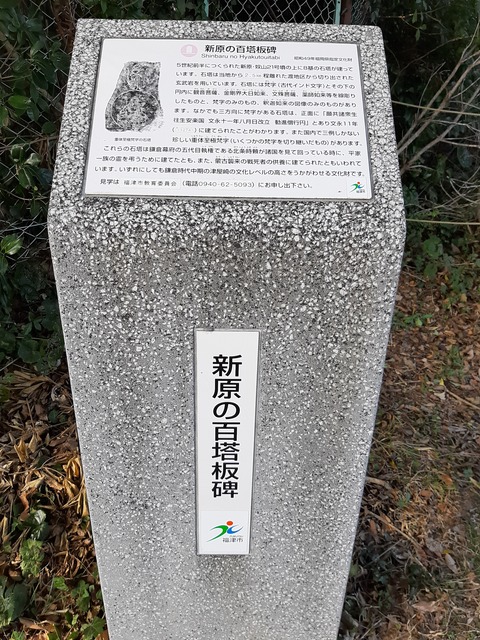
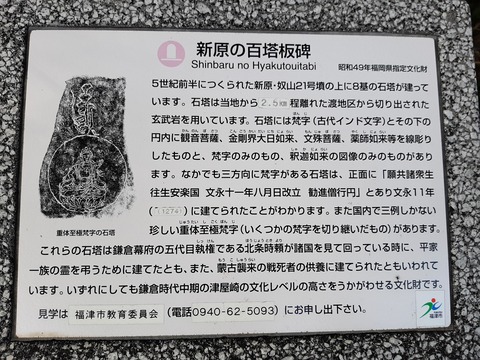
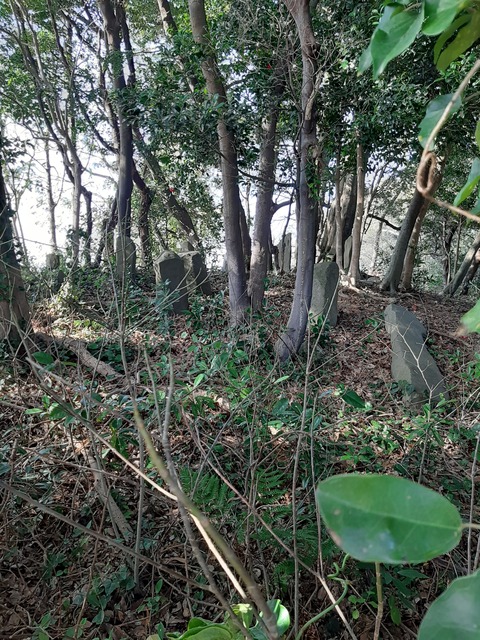
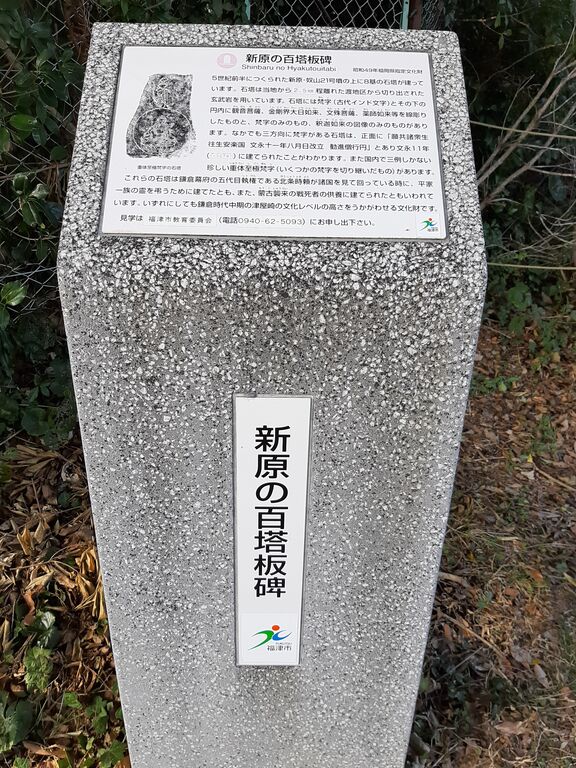
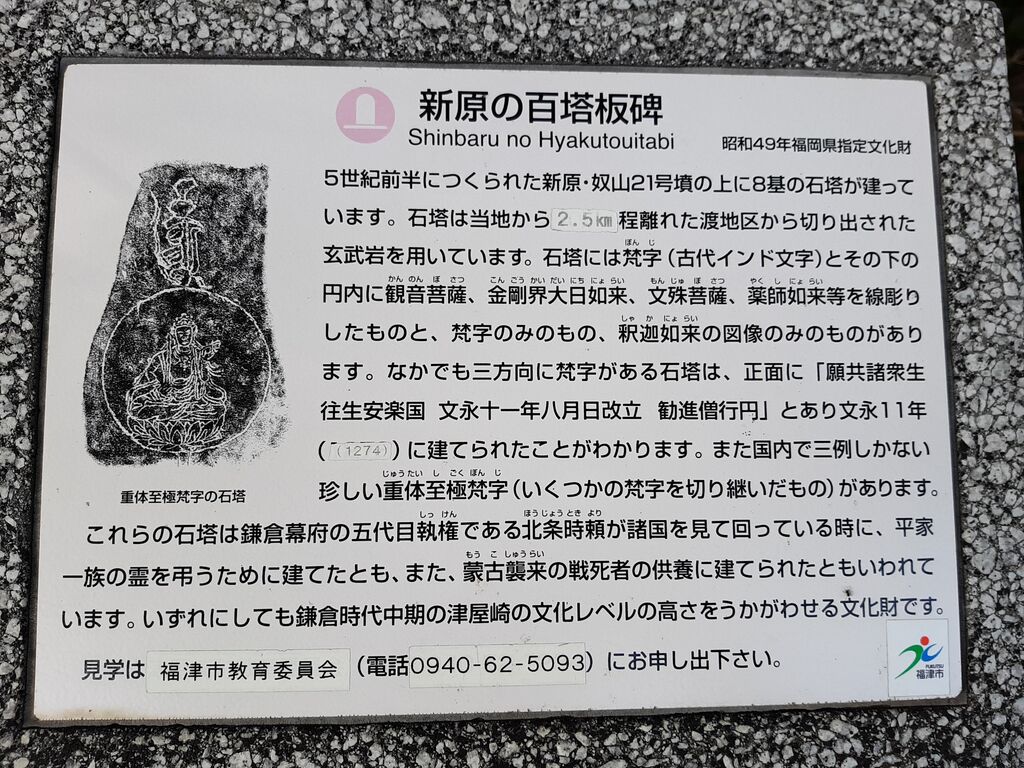
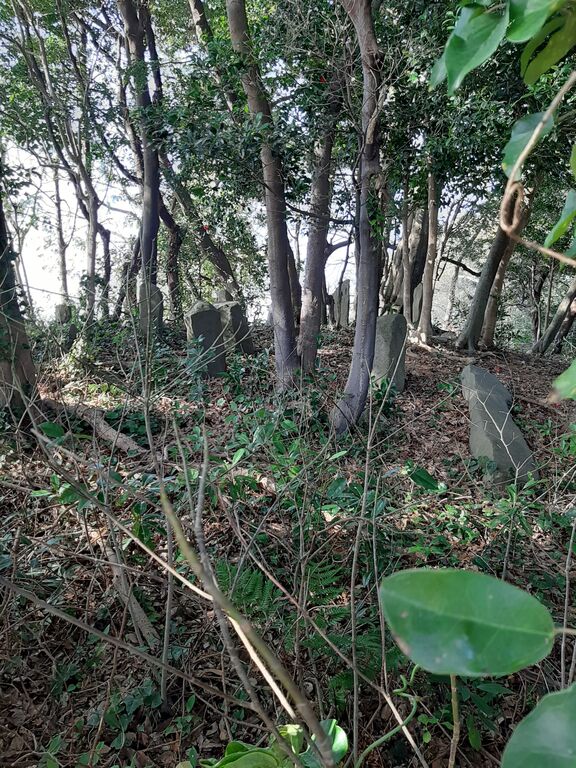
After completing the tour of the burial mounds and heading back towards the national highway, you'll come across something called the "Shinbaru Hyakuto Ita-hi" (Shinbaru's Hundred Tower Stone Tablet), enclosed within a wire fence atop one of the burial mounds.
It's said to date back to the Kamakura period, around the mid-1200s.
Deciding to take the leisurely village road in the Katsu-ura district instead of retracing the long uphill slope of the national highway on the way back.
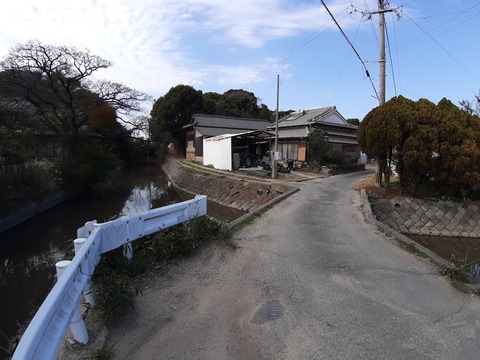
The road of flowers.
It was a spring day thoroughly enjoyed.
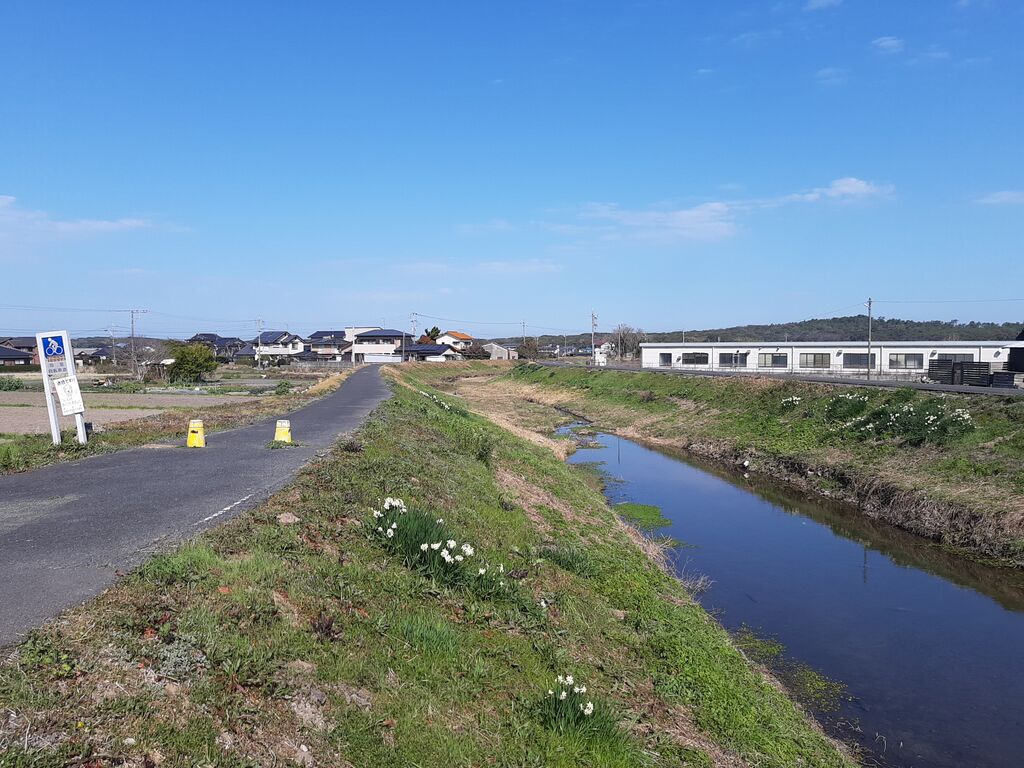
As I leisurely rode along the scenic seaside Cycling Path, taking my usual breather, I bumped into a stylish couple with Brompton bikes.
One had a classic, unmodified (or unmodifiable) Brompton original, while the other had a fully customized ones with high-quality parts.
They suggested taking a commemorative photo together, so we lined up our bikes.
Front bags included: a Brompton brand bag vs. an IKEA tote bag or a homemade small bag.
Front bags included: a Brompton brand bag vs. an IKEA tote bag or a homemade small bag.
This old bastard thinks of Bromptons as foldable mama-chari (Japanese-style bikes for moms), so my bike reflects that style.
Ah, memories!

With cheerful chatter, the couple briskly headed to their next destination.
Tried to stick to roads with fewer cars, following the coast and admiring the Pine Forest, Kanesaki Port, Chi-no-shima Island, Oshima Island, and the Genkainada Sea in the background.
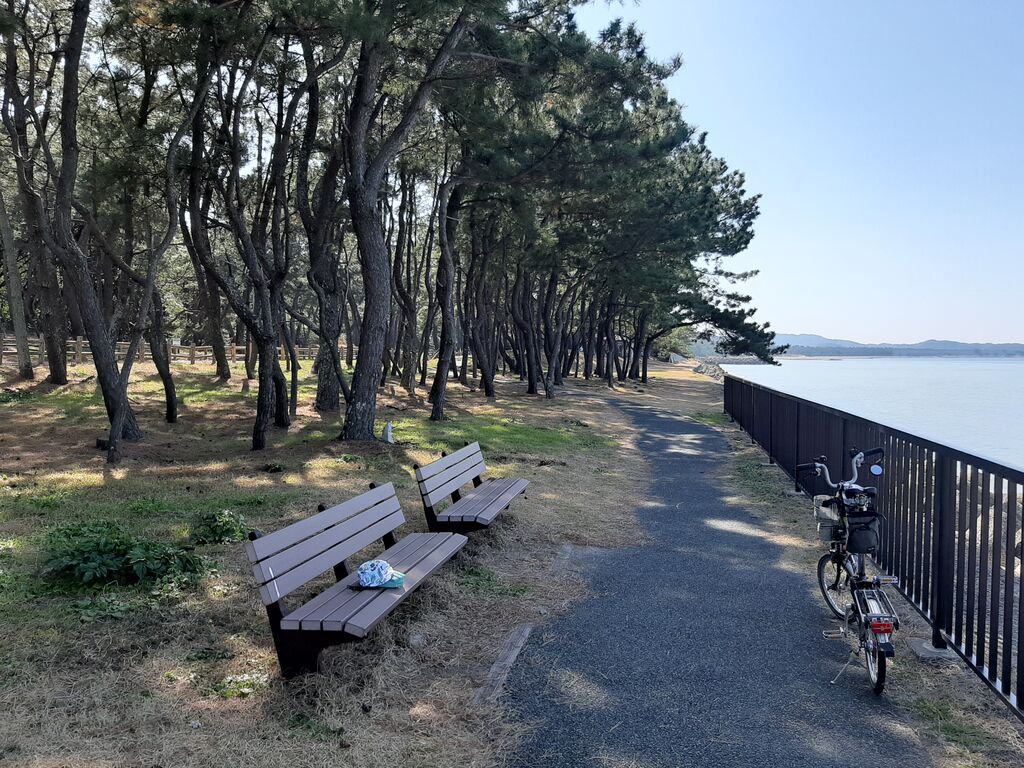
Although not the original bike path, I usually take this pine forest road when heading to the "Michi no Eki Munakata" (Roadside Station Munakata)
The reason is simple: If you follow the original bike path, you'll have to climb a gentle slope and take a roundabout route. Why bother avoiding this scenic route with a view of the sea and islands from the pine forest for the sake of a slightly easier ride?
Along the way, there's a Russian restaurant called "IZBA," where they used to have handwritten lunch menus displayed during lunch hours, tempting passersby like me.

But due to recent global events, they haven't been able to display their lunch menu for about two years, and the restaurant seems to be closed.
Now, they only have a few Russian products on display for sale...
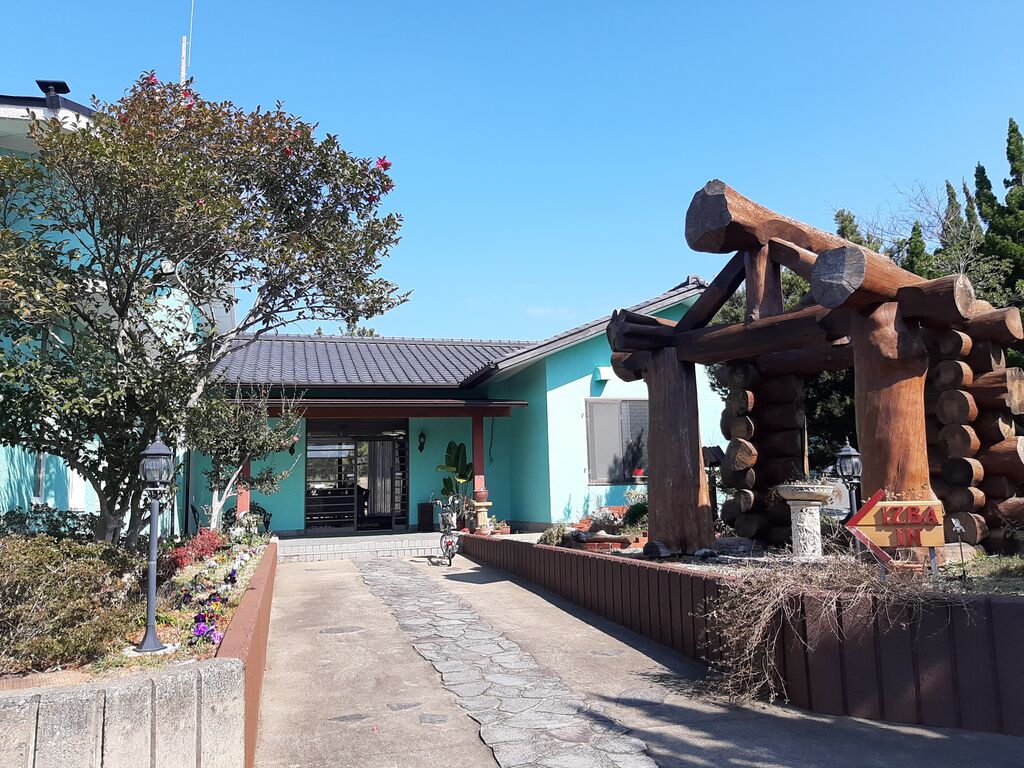
Confirming that I couldn't eat there after all, my hunger suddenly hit me.
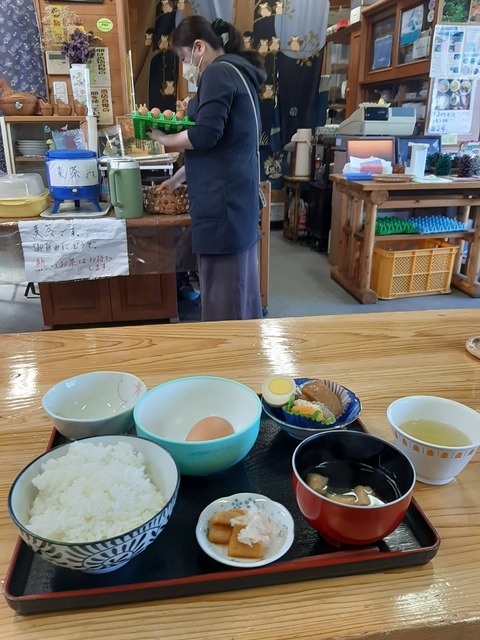
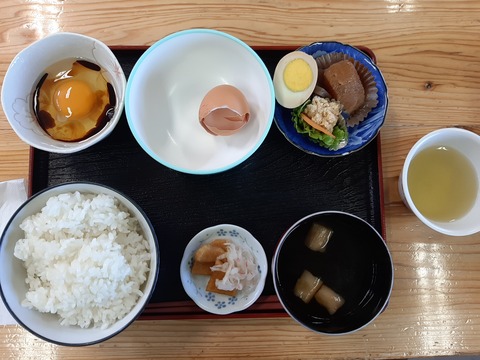
There was only one place left: Poppo-chan, the restaurant across the road at the Michi no Eki (Roadside Station), known for its "tamago-kake gohan" (raw egg over rice).
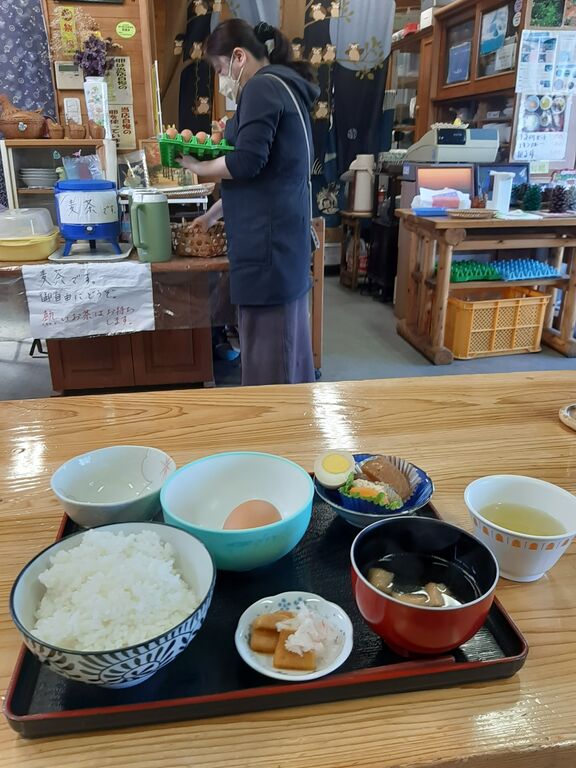
That's it!
Open only on Fridays, Saturdays, Sundays, and public holidays.
¥350
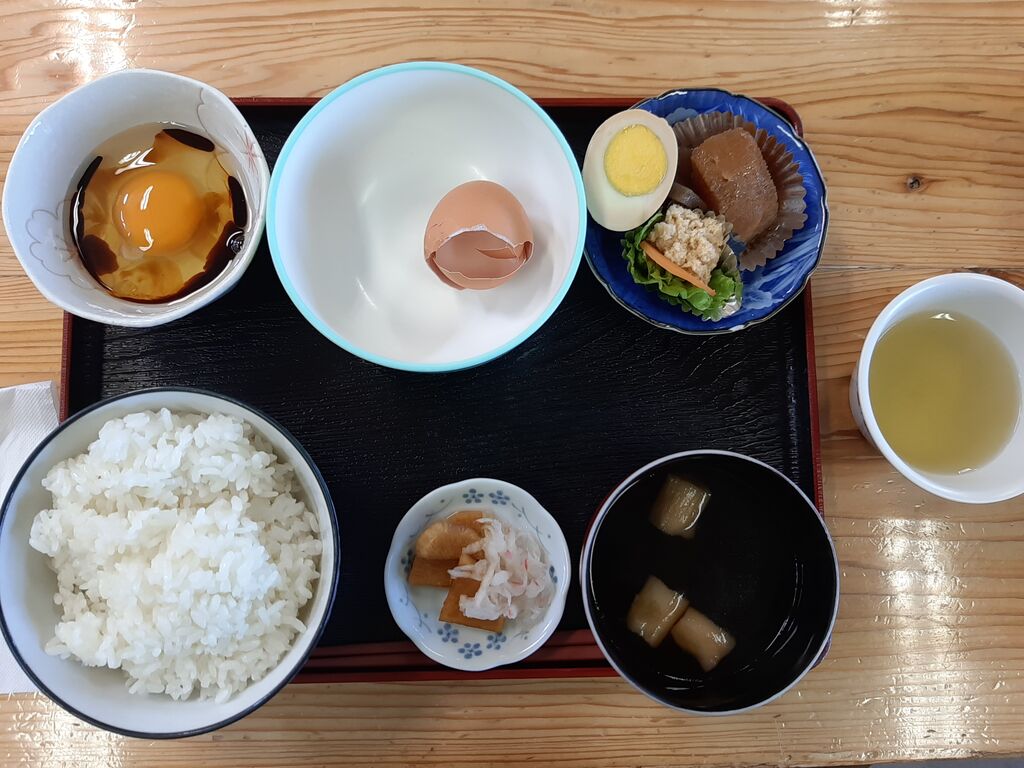
The young man at the table behind me had a healthy appetite, asking for seconds of rice.
Biking on a full stomach is tough.
I took another break after crossing the bridge.
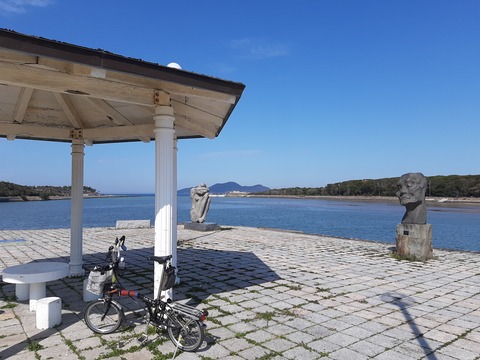
The expressions on the stone statues were indescribable.
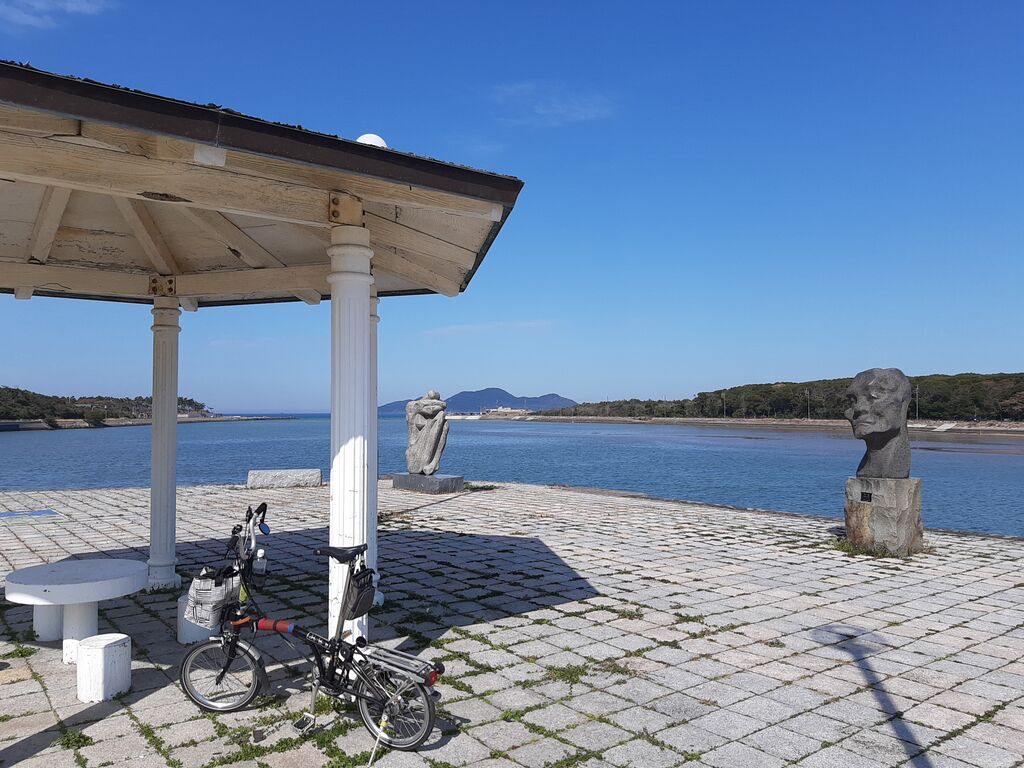
When passing by, I couldn't help but nod in acknowledgment.
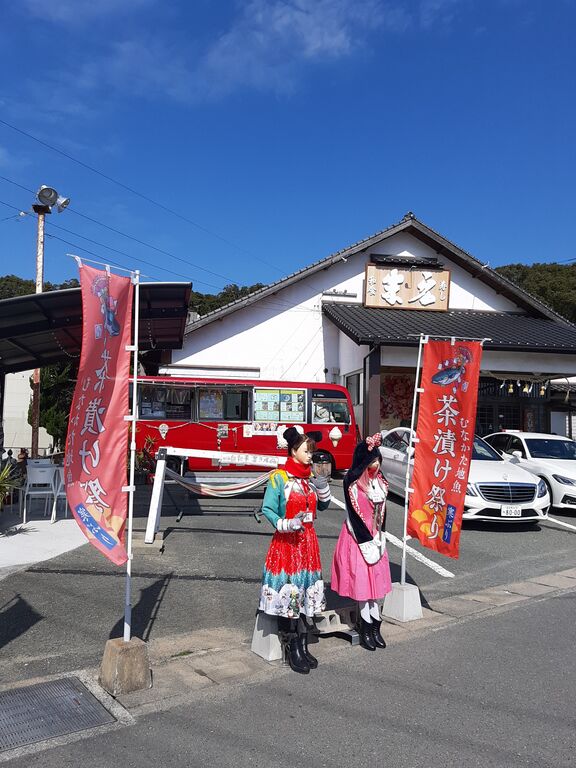
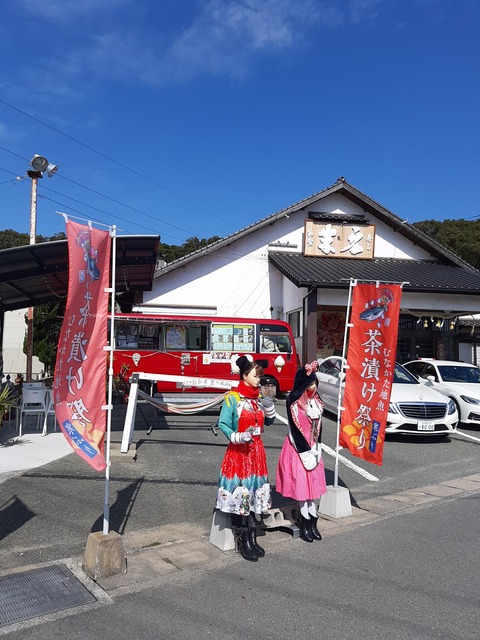
On the sidewalk, there are sometimes riders from the horse-riding club.
When encountering them, you have to watch out for droppings; otherwise, it could get messy.
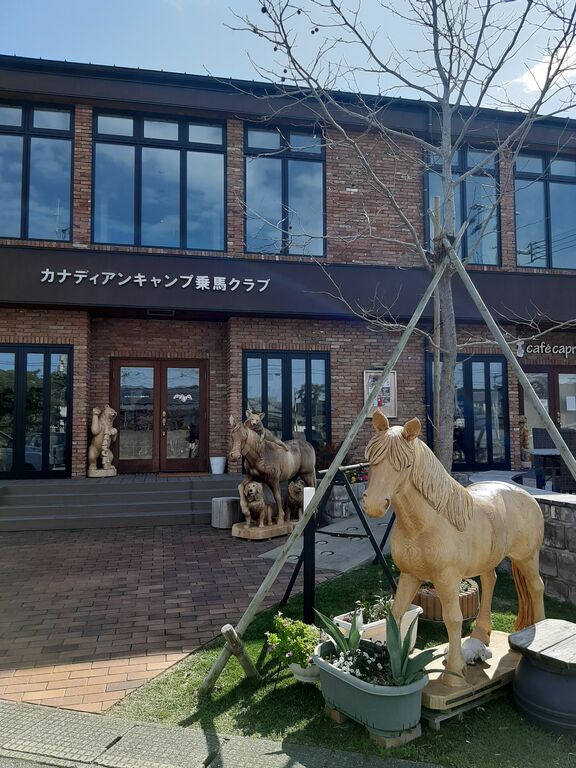
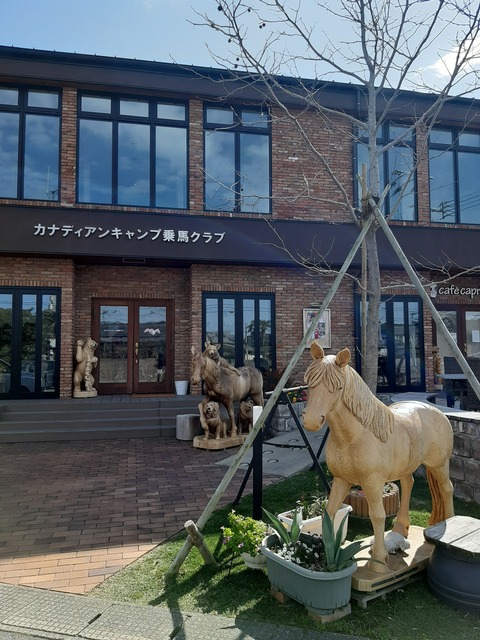
To reach the Shinbaru and Nuyama ancient tomb clusters, the shortest route is to continue straight on the national highway, but you'll have to climb a long, gradual uphill slope.
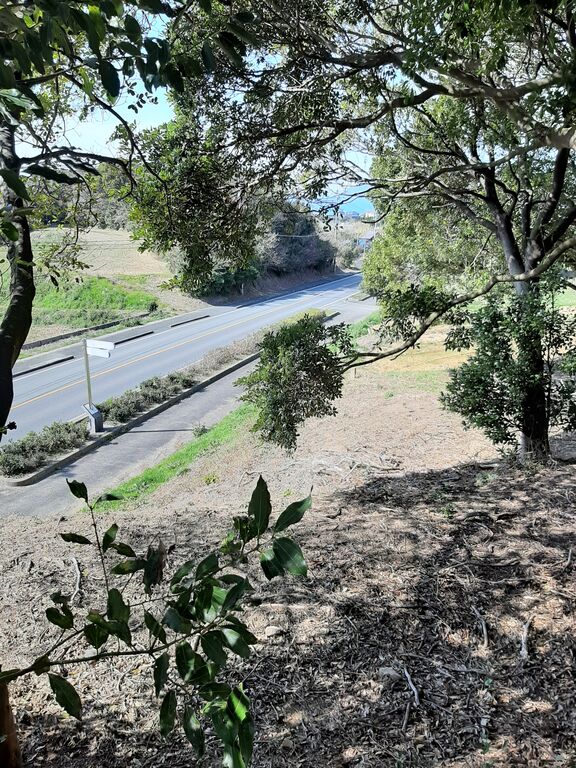
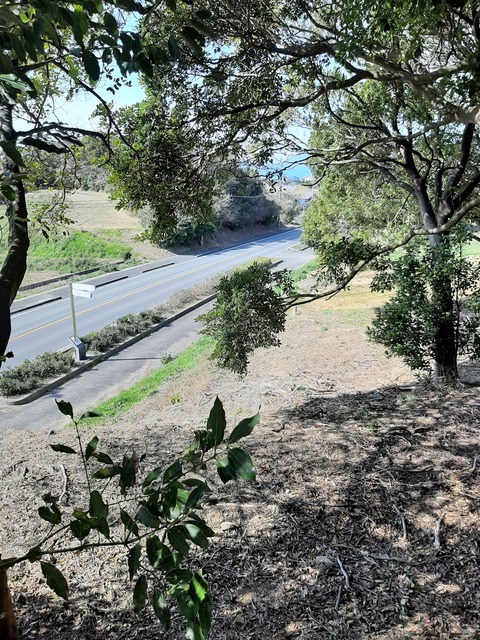
Around the top of the hill, there were several signs saying, "Historical Site Boundary."
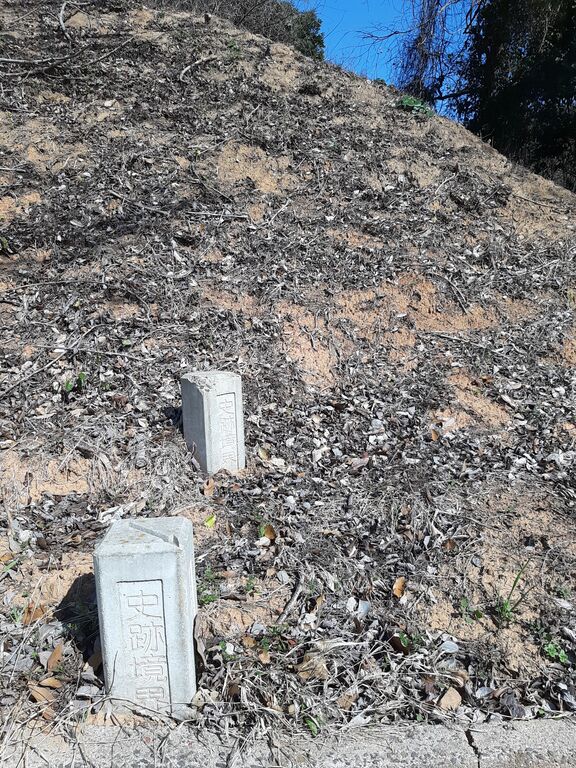
Although I've passed by here many times before, I never noticed them.
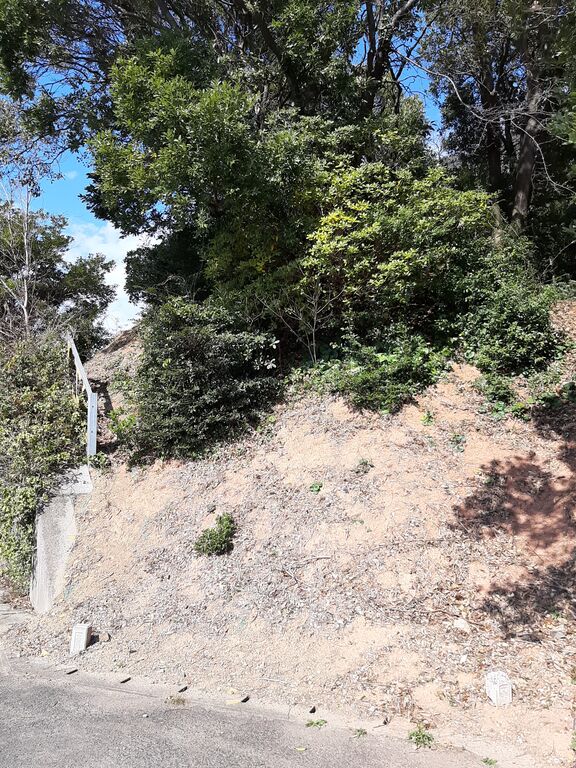
Out of curiosity, I climbed up the dirt path, and there were traces of about half a tennis court-sized area being excavated.
Although it wasn't muddy, the soles of my sneakers were covered in mud after walking around.
I couldn't figure out what it was all about in the end.
I couldn't figure out what it was all about in the end.
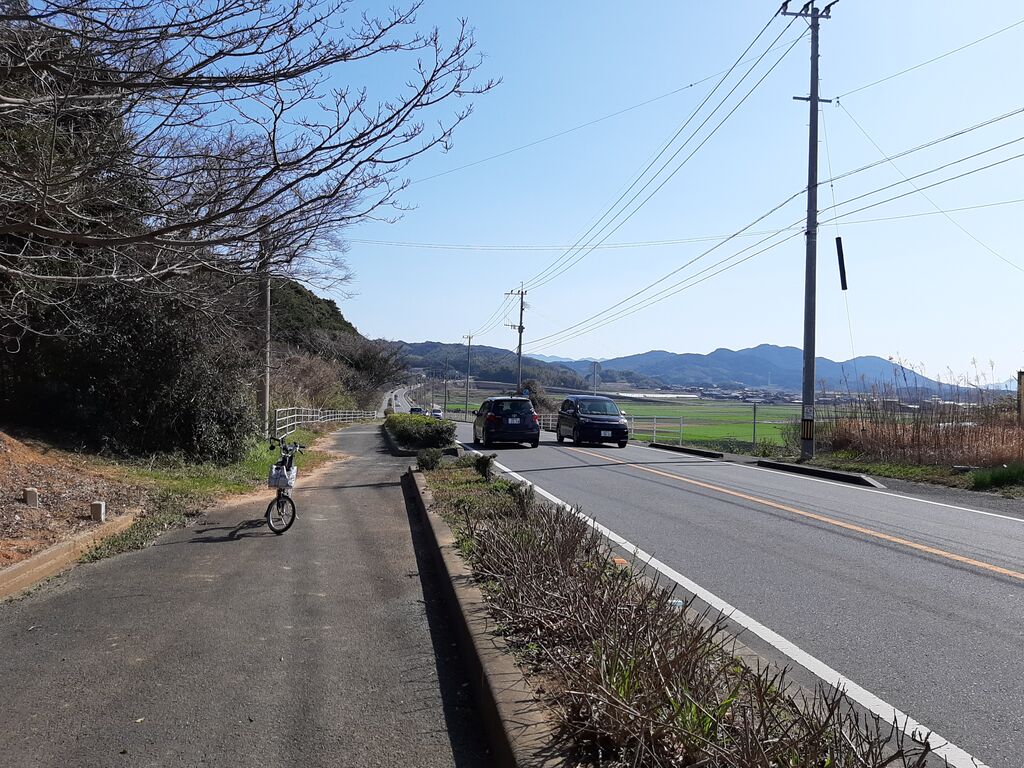
After cleaning the clay off my shoes, I returned to biking.
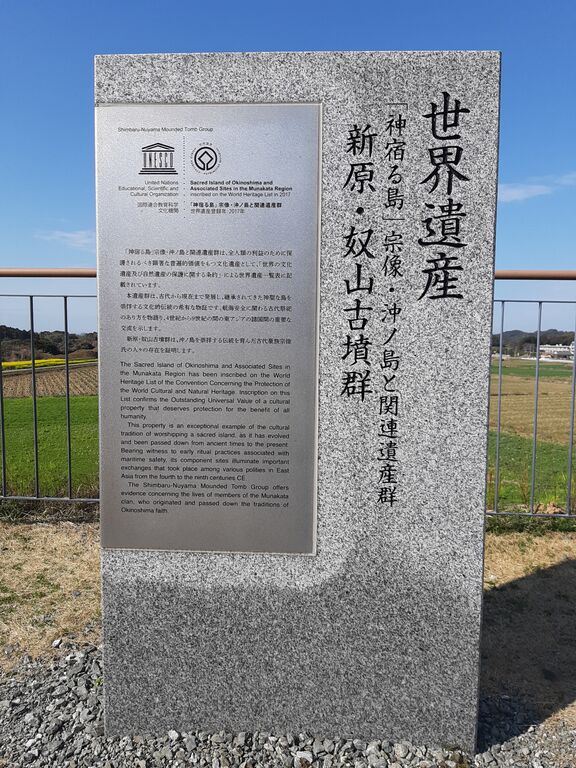
I climbed steadily to the observation point overlooking the ancient tomb cluster.
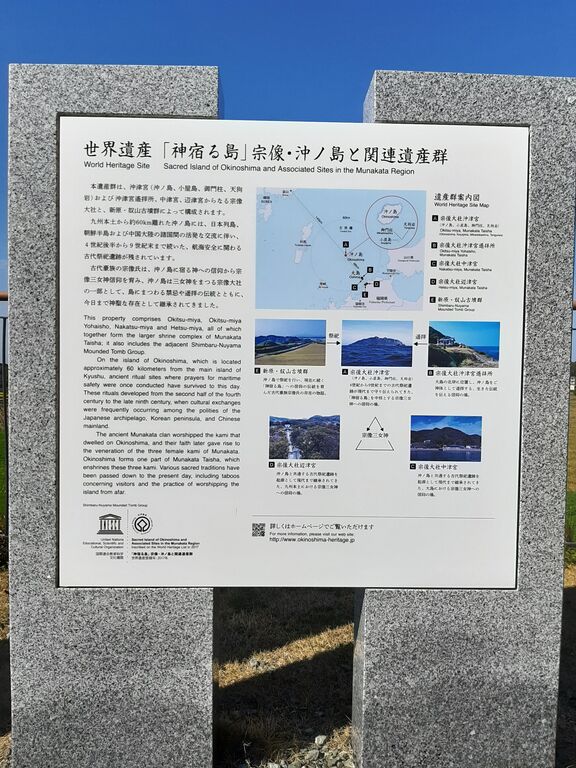
In Kansai, like in Nara, I've seen large keyhole-shaped burial mounds before, so when I first visited here after it was designated a UNESCO World Heritage Site, I couldn't help but wonder, "Why here?"
The Munakata Grand Shrine consists of the Okitsu Shrine on Okinoshima Island, the Nakatsu Shrine on Oshima Island, and the Hetsu Shrine in Munakata. It's a comprehensive shrine that enshrines the three goddesses.
The Munakata clan was a maritime group with control over the Genkai Sea.
They monopolized the import of various goods, including iron, which was crucial for Japan at the time.
They monopolized the import of various goods, including iron, which was crucial for Japan at the time.
From the perspective of the Yamato court, they were indispensable.
Emperor Tenmu's empress was from the Munakata clan, and their son & grandson were Prince Takachi and Prince Nagaya.
The Okinoshima Island, situated between the peninsula and the mainland, has been the site of rituals conducted by successive generations of the Munakata clan and the Yamato court.
Every year, from October 1st to 3rd, there is a grand festival where the three goddesses gather, continuing the tradition of worship from ancient times to the present.
The primordial Munakata Grand Shrine is located on Takamiya Mountain and is considered a sacred place where the goddesses descend. It is a space that reflects the primitive rituals.
With this in mind, when you look at the ancient tombs (constructed in 5C~6C) where the Munakata clan rests, the sizes of the burial mounds seem less significant.
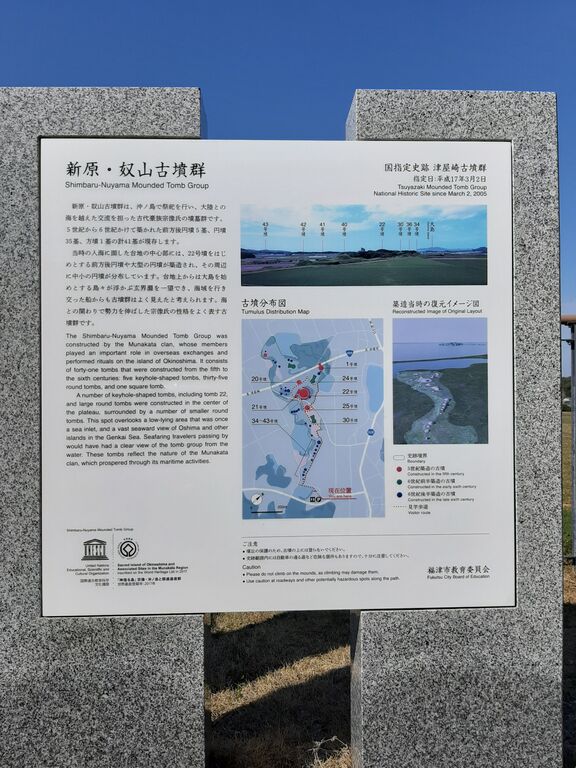
I had a chat with a volunteer guide.
He said that last year, this green area below us was in full bloom with rapeseed flowers.
More visitors came for the rapeseed flower viewing rather than to see the ancient tombs.
The Munakata clan buried in these ancient tombs had triangular tattoos on their chests.
Similarly, the maritime group people, the Azumi tribe, who lived around Shiikanosima Island, had tattoos around their eyes.
The Munakata clan was also referred to as the "chest-shaped group."
In discussions about the history of Japan, particularly in debates about Yamatai-koku, the focus tends to be on the direction of migration and timelines.
However, when we look at the original Chinese historical texts like the "Records of the Three Kingdoms," they describe the appearance, clothing, lifestyle, burial practices, and weapons (bows, arrows) of the indigenous people in detail.
They also discuss their main products and dietary habits in detail, often diverging significantly from what we see in artifacts excavated from the Kinki and Yamato regions.
It's quite puzzling that there isn't more discussion about these details.
However, when we look at the original Chinese historical texts like the "Records of the Three Kingdoms," they describe the appearance, clothing, lifestyle, burial practices, and weapons (bows, arrows) of the indigenous people in detail.
They also discuss their main products and dietary habits in detail, often diverging significantly from what we see in artifacts excavated from the Kinki and Yamato regions.
It's quite puzzling that there isn't more discussion about these details.
The people of Yamatai-koku had tattoos.
If that's the case, then just like the Ainu people, whose lives depended on fishing, hunting, and navigation, the appearance of the people who lived under the divine providence should come to mind.
They lived under the divine providence, relying on fishing, hunting, and navigation.
These people were deeply connected to the heavens.
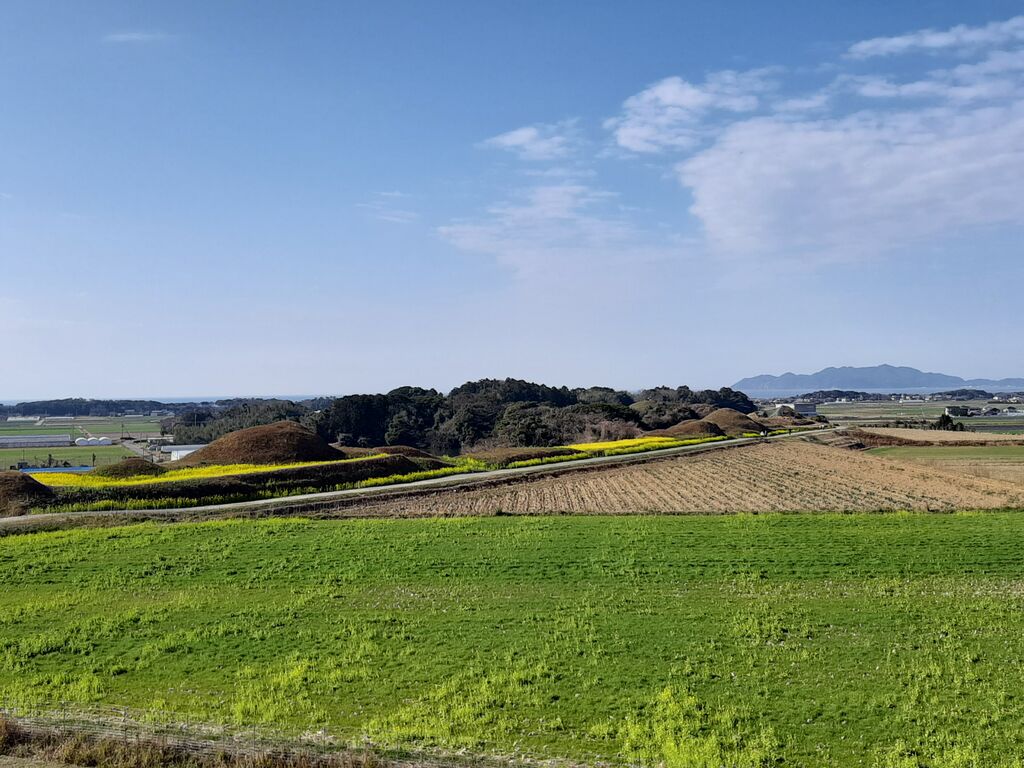
Down below, you can see a row of burial mounds stretching vertically along the low hills.
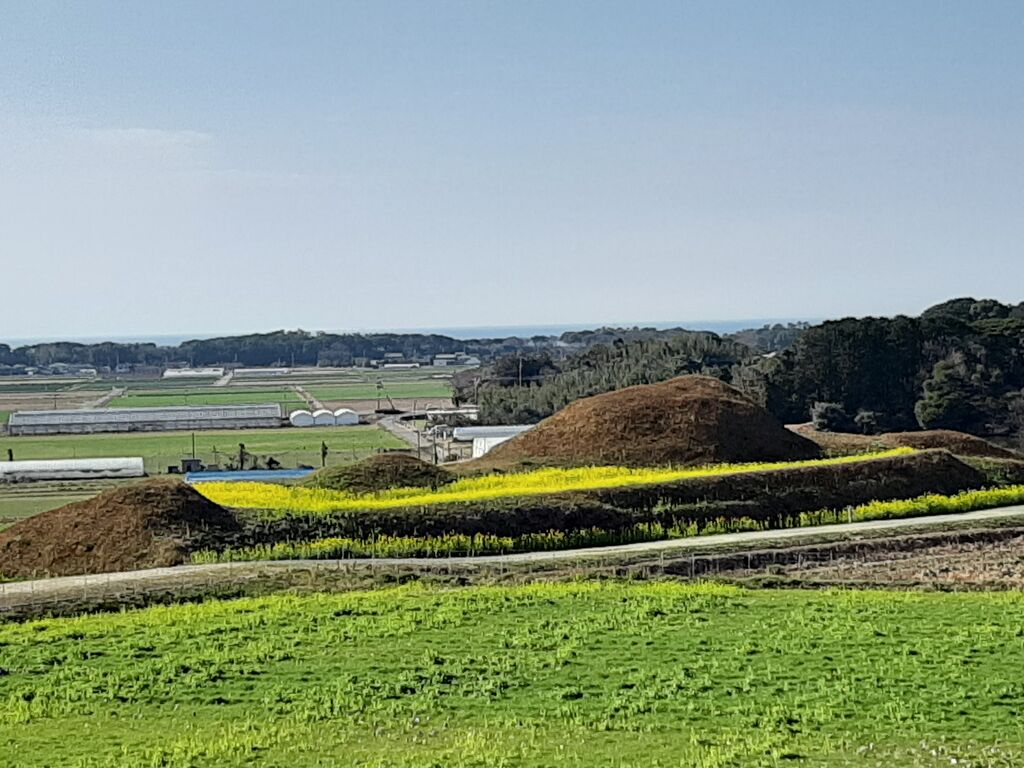
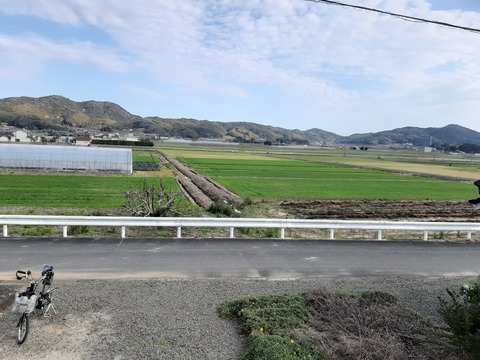
The flat land at the foot of the hills used to be an inlet, they say.
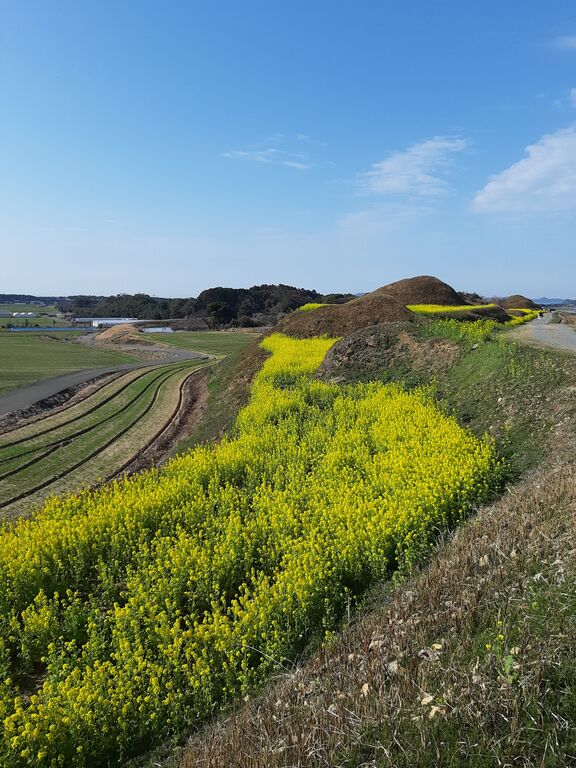
It's believed that visitors from the continent and the peninsula would travel by boat along the route to the Munakata clan's residence.
The numerous imposing burial mounds adorned with paving stones would have gleamed in the sunlight, resembling a modern architectural ensemble, surely attracting curious gazes from afar.
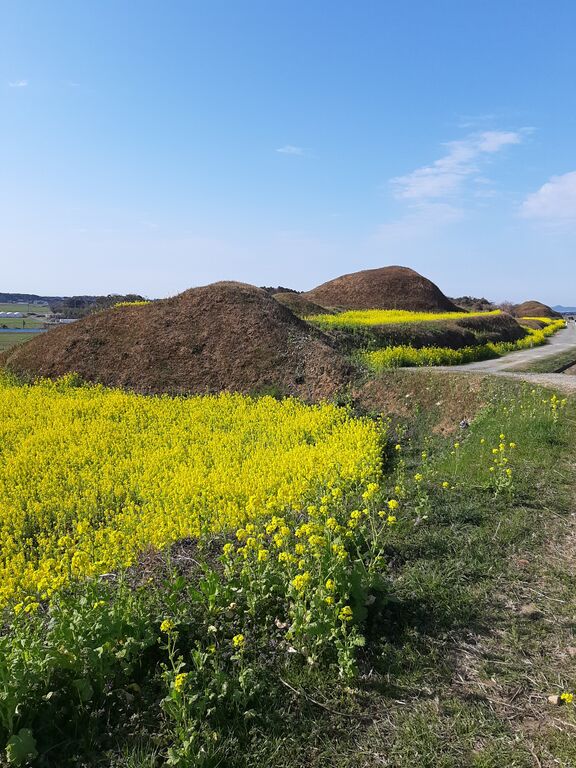
So, riding along this wild path bursting with rapeseed flowers feels quite delightful.
There are even some burial mounds under excavation.
In the photo, the light blue area represents the former inlet, while the area outlined in red is designated as the burial mound area.
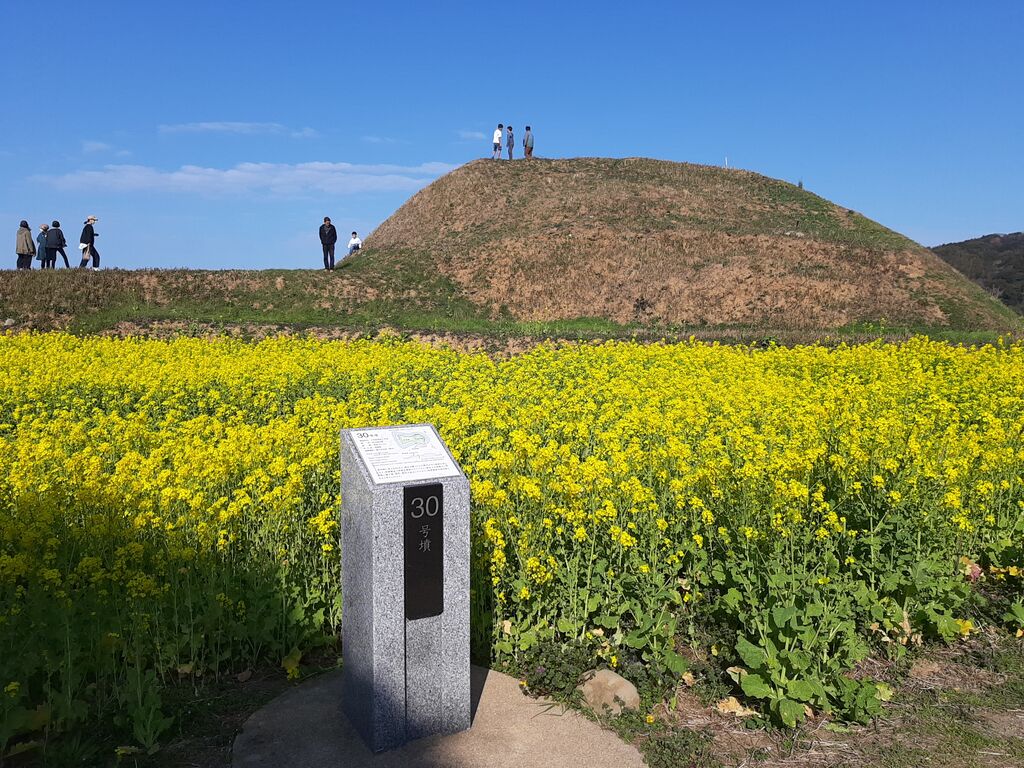
And here's the distinctive keyhole-shaped burial mound, Tomb No. 30, clearly visible among this burial mound cluster.
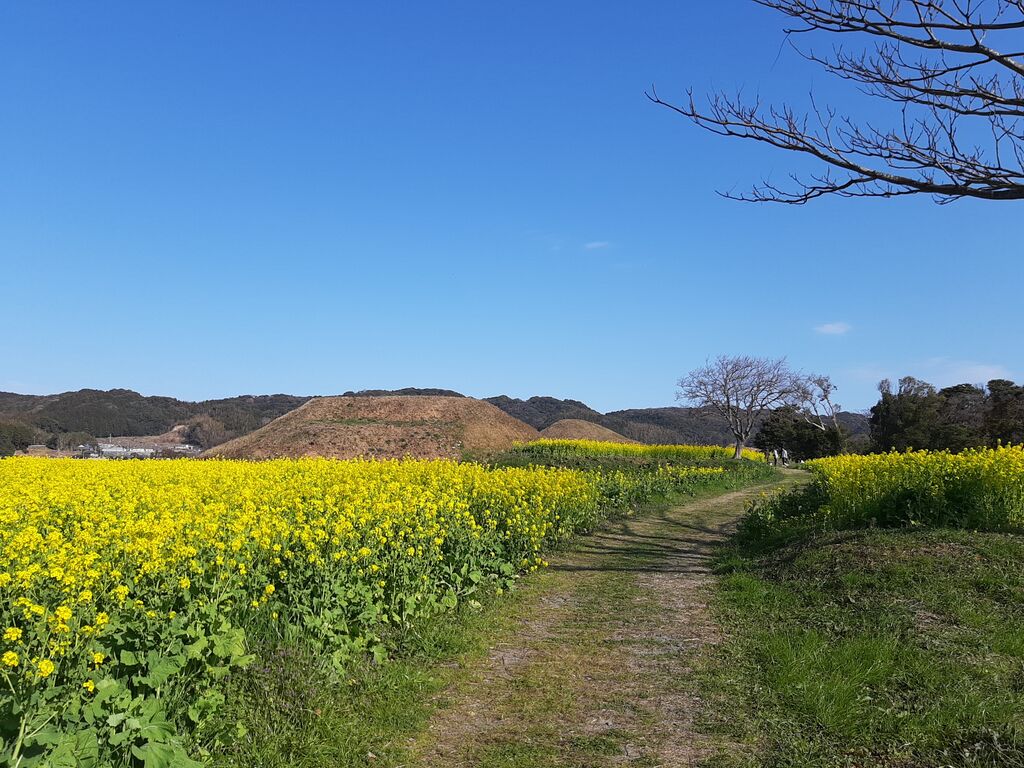
After completing the tour of the burial mounds and heading back towards the national highway, you'll come across something called the "Shinbaru Hyakuto Ita-hi" (Shinbaru's Hundred Tower Stone Tablet), enclosed within a wire fence atop one of the burial mounds.
It's said to date back to the Kamakura period, around the mid-1200s.
Deciding to take the leisurely village road in the Katsu-ura district instead of retracing the long uphill slope of the national highway on the way back.
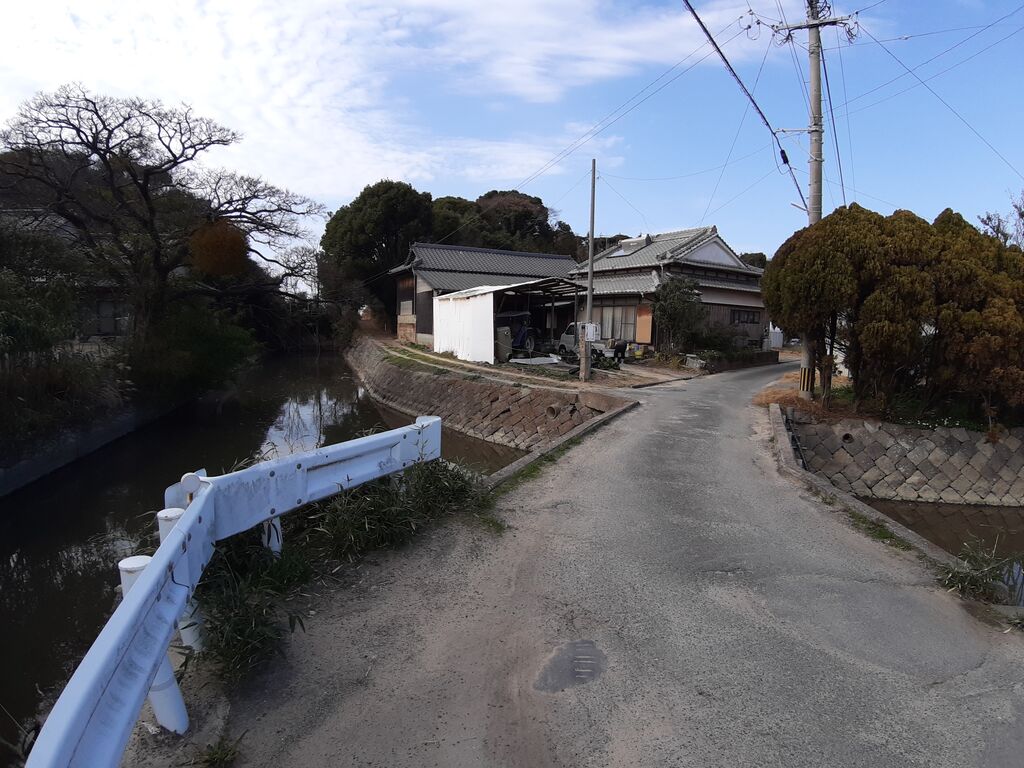
The road of flowers.

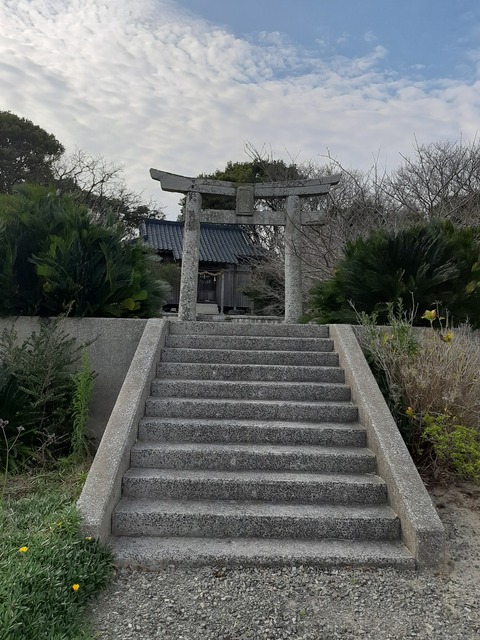
Along the way, I sat on the stone steps of a shrine, sipping a sports drink and nibbling on snacks I brought while gazing at the Shinbaru and Nuyama burial mounds.
Before me lay the former inlet...
It was a spring day thoroughly enjoyed.


Comments
Post a Comment