Exploring the Enchanting Gardens Linked to Sesshu in Miyama City
When You Hear "Sesshu"
Most people probably think of vaccine shots, right? (sounds similar in Japanese)
Even the older generation might think the same.
But back in the day, I used to hear old folks tell children stories, tales from the past...
・・・
One story goes like this: a young monk who loved to paint so much that he couldn't focus on his training.
Eventually, he was tied to the pillars of the main hall with ropes.
Some time later, the head monk entered the hall to check on him, only to find mice scurrying around.
Worried that the boy might get bitten, he took a closer look and realized those mice were actually drawings of mice, tears and all, painstakingly painted by the young monk...
・・・
In another version, it's said that those mice chewed through the ropes to rescue the young monk...
That young monk grew up to become Sesshu.
Although I'm not well-versed in Japanese history, let alone classical art and culture, I find myself drawn to places associated with Sesshu when I'm out and about.
Since moving to Fukuoka, it's become a habit to seek out local spots mentioned in Fukuoka-related books, piquing my curiosity.
The first Sesshu-linked place I visited was the nationally designated scenic garden, Fujie-shi Gyo-rakuen, in Kawasaki, Tagawa City.
Another famous one is the former Kameishi-bo Garden near Mount Hikosan.
While I've visited Mount Hikosan a few times, my trips often revolve around the nearby apple orchards and bargain apple shopping, so I've yet to see Sesshu's garden at the former Kameishibo.
In other prefectures, I've leisurely explored Sesshu gardens like the Jouei-ji in Yamaguchi City, and the gardens of Manpuku-ji and Ikou-ji in Masuda City, during drives along the Japan Sea coast.
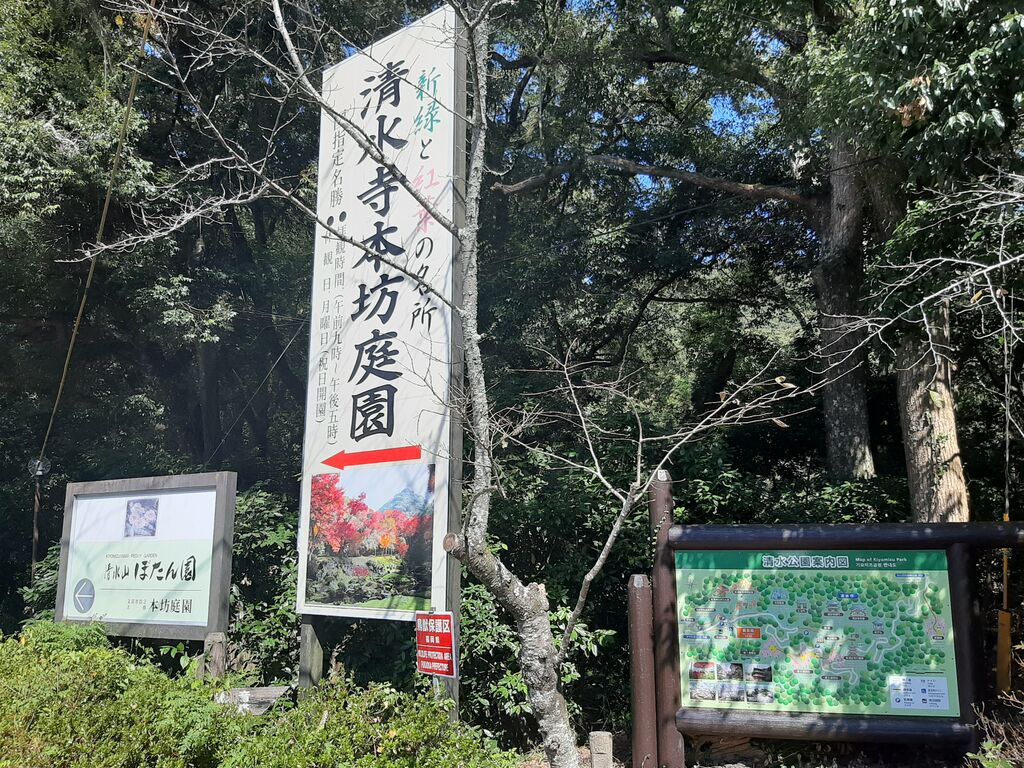
Though it might still be a tad early, I can't help but be intrigued by the "Autumn leaves" reports.
If a place like Kiyomizu Temple in Miyama City is listed as a recommended spot for autumn leaves, it's bound to be a sight to behold.
Of course, during peak Autumn season, these places will be teeming with people.
Right now, it's likely to be relatively quiet, a perfect environment!
Back on the Highway After a Long Time...
The car in front of me is moving slowly on the highway.
Alright, I'll overtake!
Just as I press the accelerator, I glance in the rearview mirror.
I see red lights approaching in the overtaking lane.
Alright, never mind!! I decide to stay put.
Just then, the car behind me accelerates and overtakes.
Shortly after, a police car flashes its lights as it passes.
After a few minutes' drive from Miyama Interchange, I arrive at the road leading to Kiyomizu Temple.
My trusty companion, Brompton "Pota-kichi", is waiting in the back seat.
It's not a slope that I could easily cycle up, though.
After a bit of climbing, I reach the parking area.
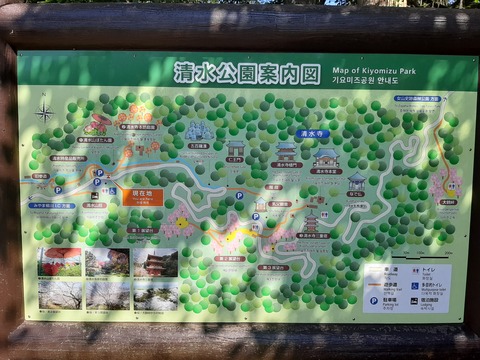
Given the name "Honbo," I initially assumed it would be near the main hall.
However, it's actually much lower, below the Niou Gate.
It wouldn't be unusual for the monks' living quarters to be situated apart from the main hall and the main deity.
Judging by the layout on the map, it seems like a walkable distance... well, at least in illustrations.
For now, I'll park here, visit the Honbo Garden, and then decide whether to continue on foot or move the car.
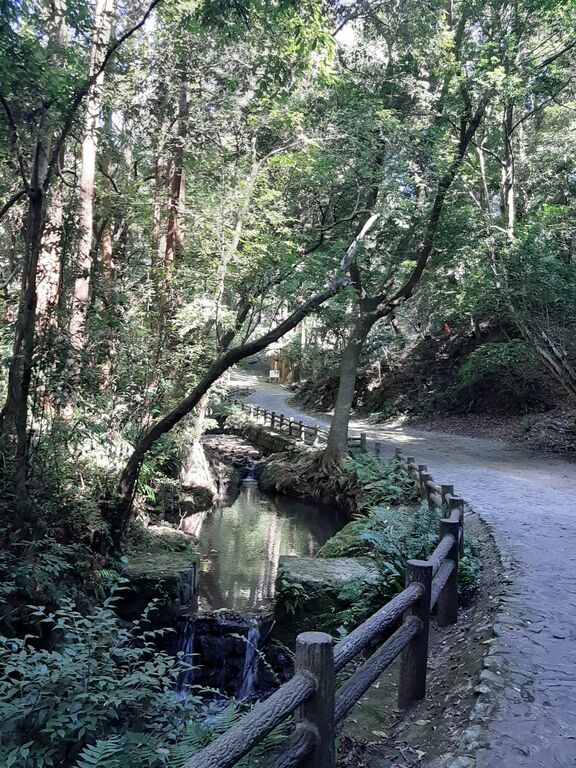
Just a Short Descent from the Parking Lot, but the Atmosphere Changes Dramatically.
There's an Exciting Feeling!
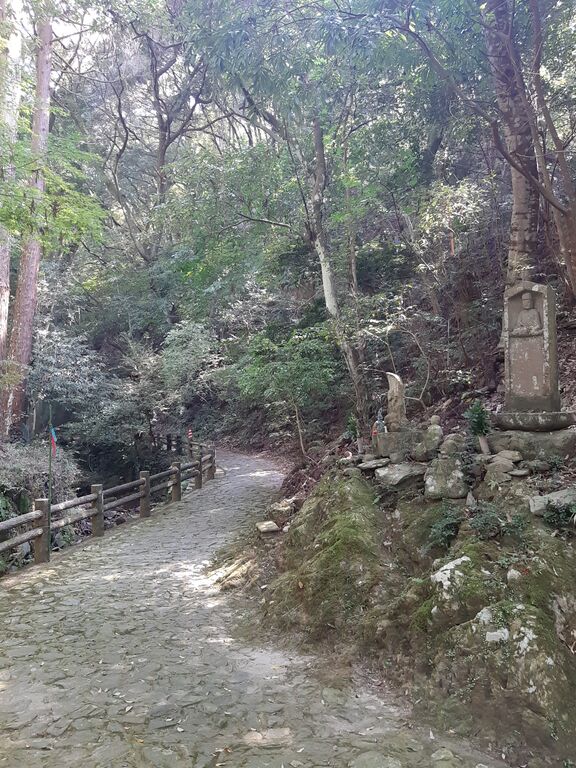
Seems Like
There's Also a Peony Garden...
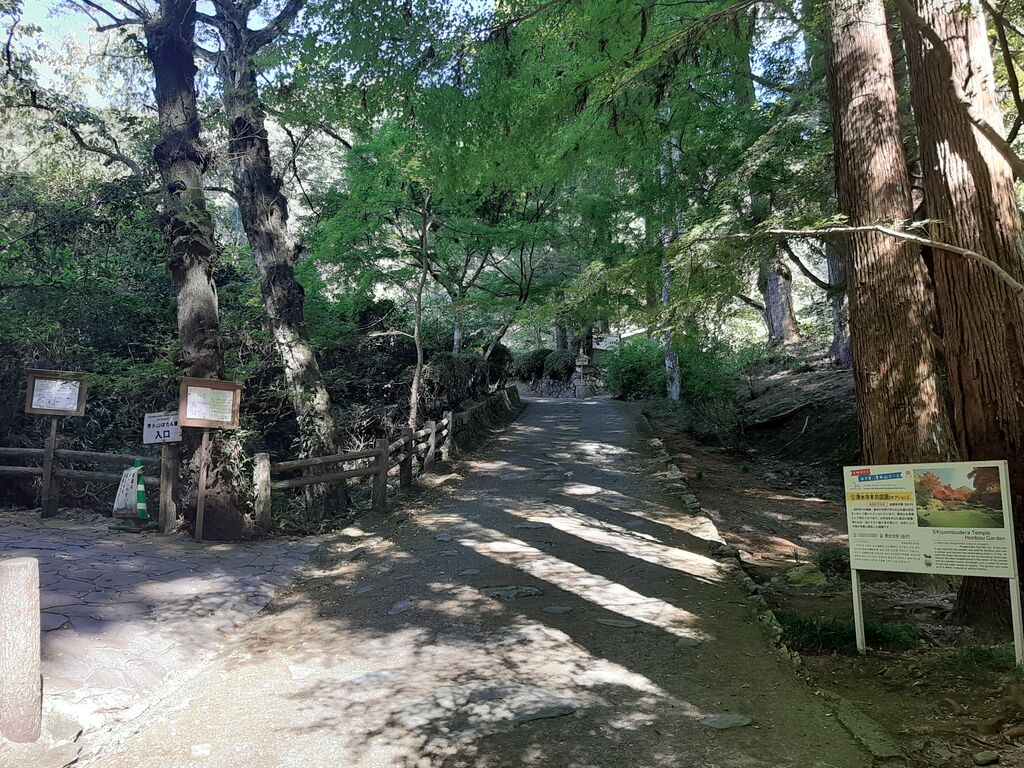
Peonies Aren't in Bloom This Season, and the Area is Closed Off by a Fence.
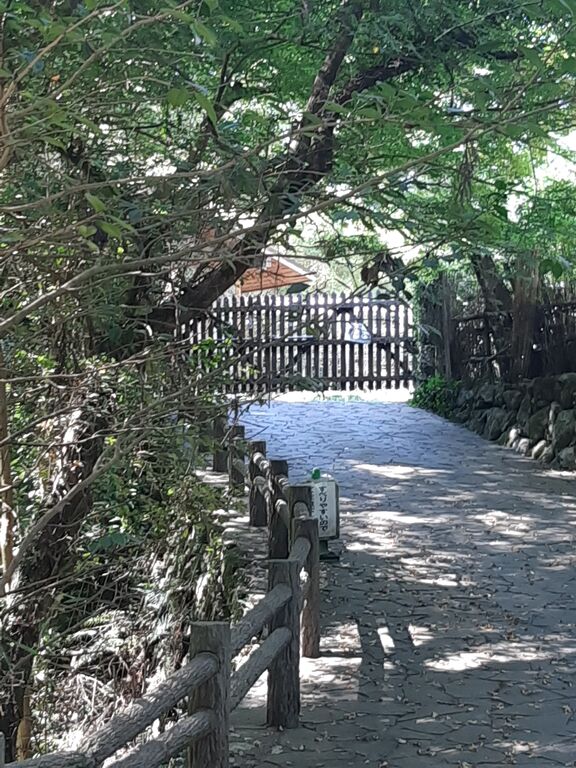
Information about the Honbo Garden
It's quite impressive!
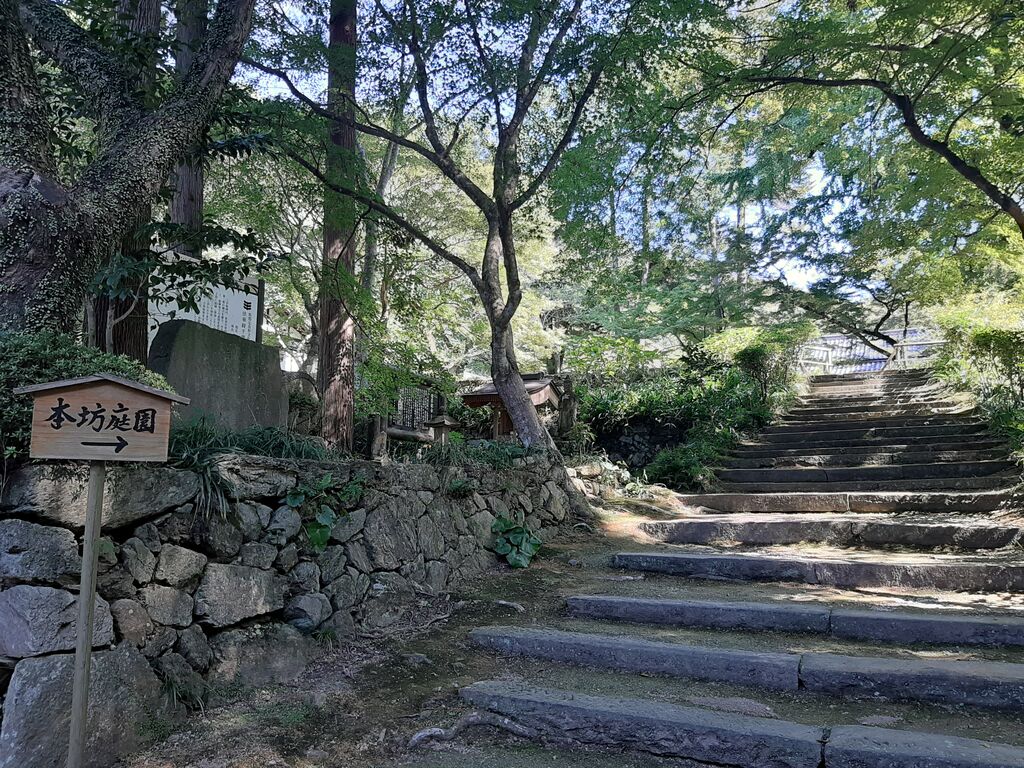
When it comes to Buddhism, you often see ancient Indian characters you don't understand.
If someone explains what it means and I'm left speechless, well, there's not much I can do but stay silent.

Why is there a "Mara (linga) Kannon" on the slope leading to the Honbo?
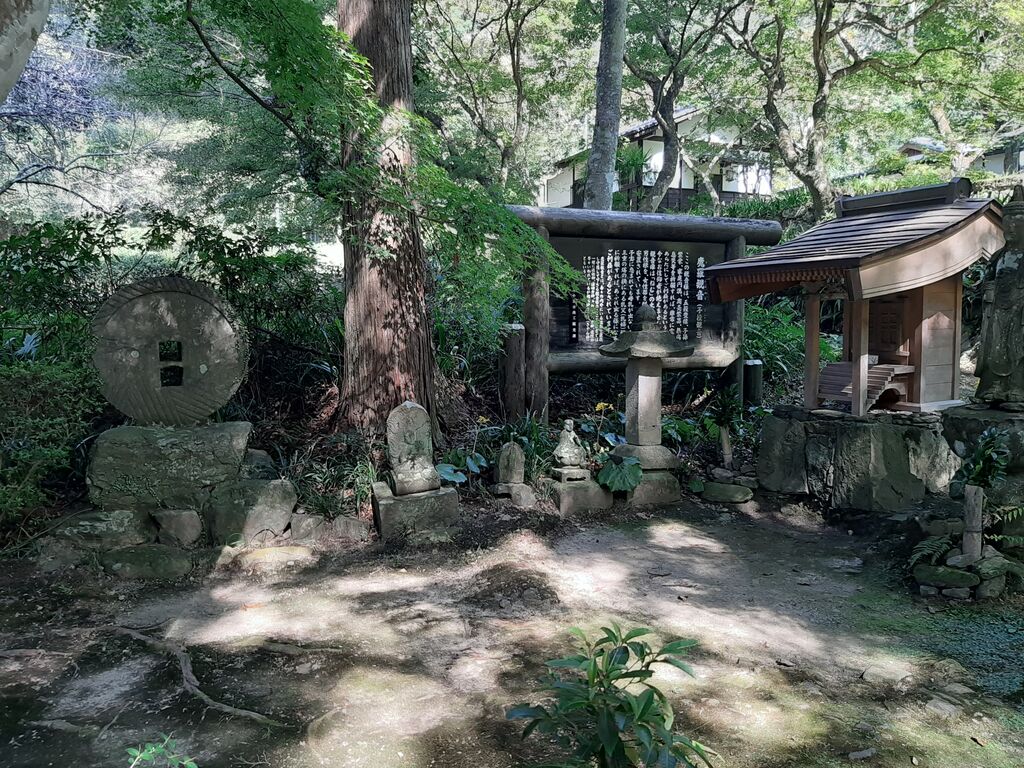
Even after reading the explanation, it's still a bit unclear.
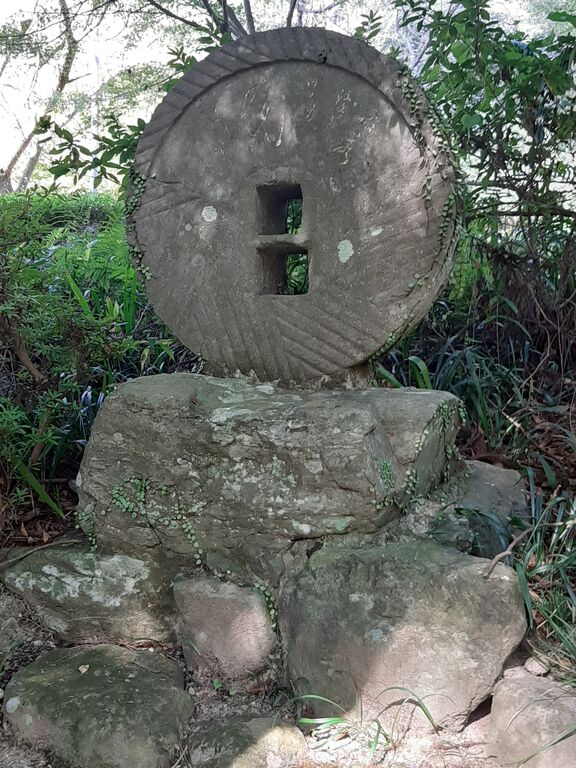
Although the Name Differs, Near Tawarayama Onsen in Yamaguchi Prefecture, There's a "Mara Kan-non" with a Display of Giant Lingas Side by Side
(There are quite a few photos, but I'll refrain from posting them).
This is where the last governor of the Ouchi clan, Ouchi Yoshitaka, committed seppuku after succumbing to a rebellion by Sue Harukata.
After his suicide, Yoshitaka's seven-year-old son, who was hiding here, was discovered and killed.
As proof of his identity as a boy, he was dismembered, and the severed part was taken back.
To mourn and pity this, the local people enshrined Kan-non.
This "Mara Kan-non" in front of Kiyomizu Temple Honbo grants wishes for abundant harvests, prosperity in descendants, family harmony, thriving businesses, and good health.
Writing about all this is making me crave for some spicy "Ma-Ra" ramen.
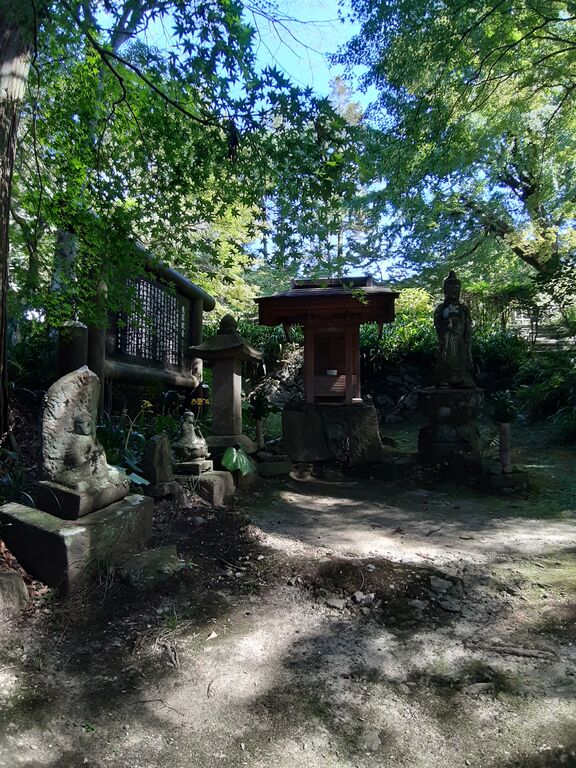
That in the Distance is Kiyomizu Temple Hon-bo
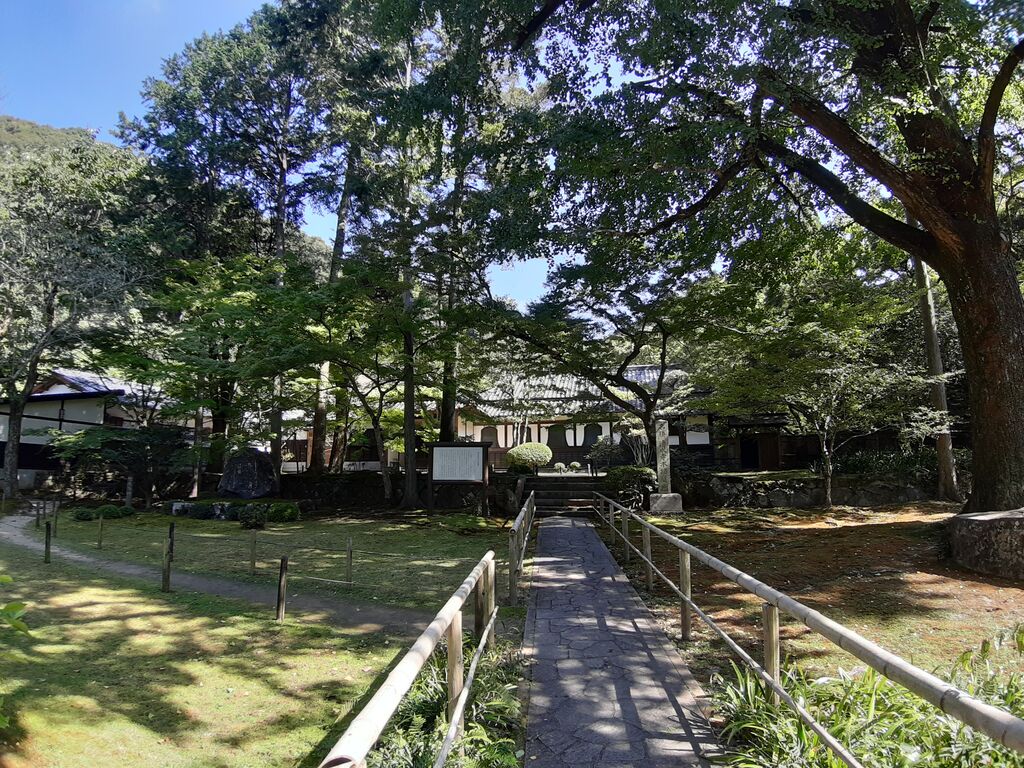
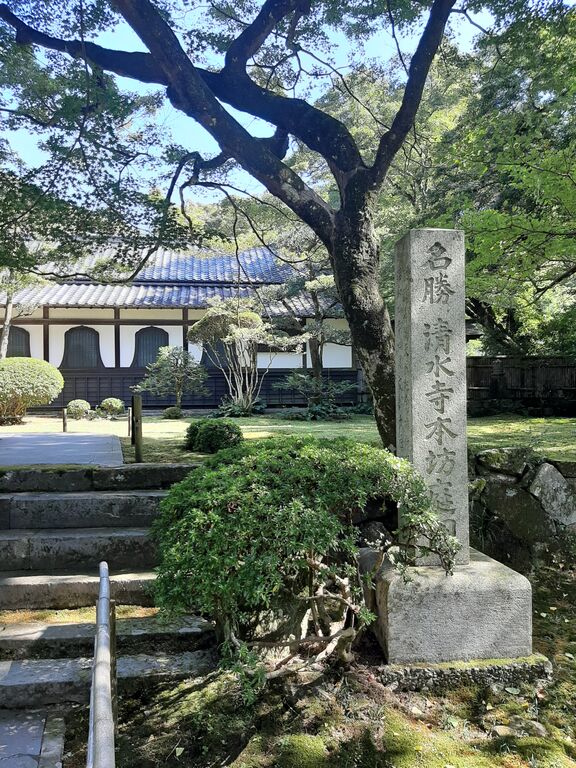
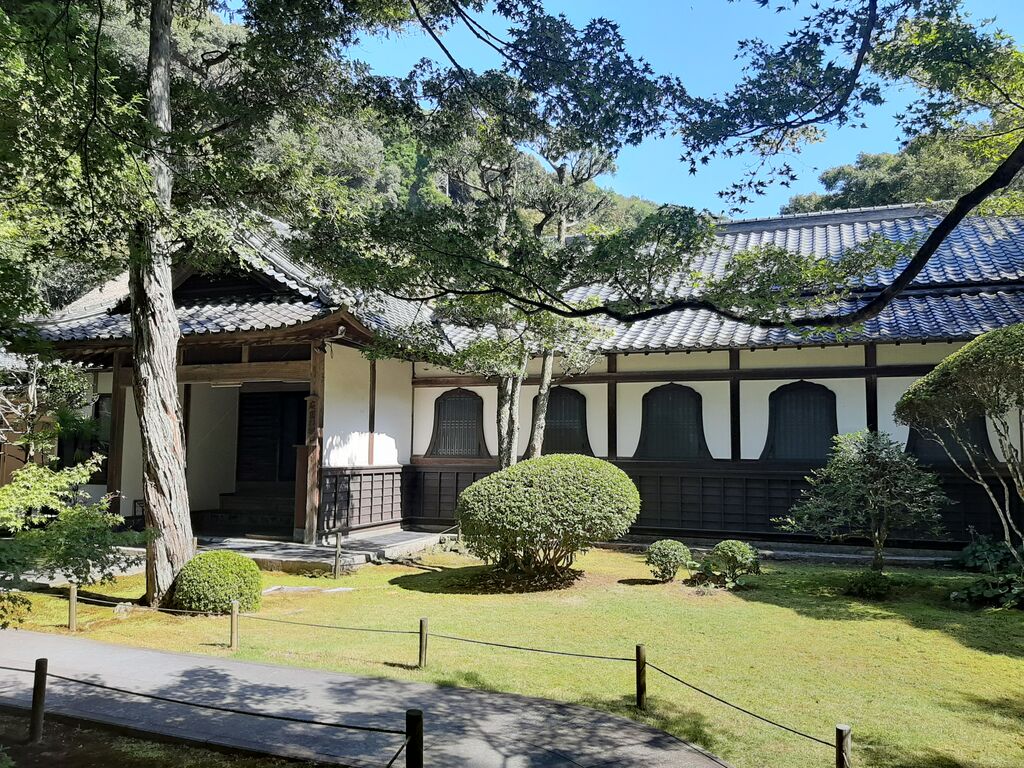
For me, fortunately, there's not a soul in sight.
I have this space all to myself.
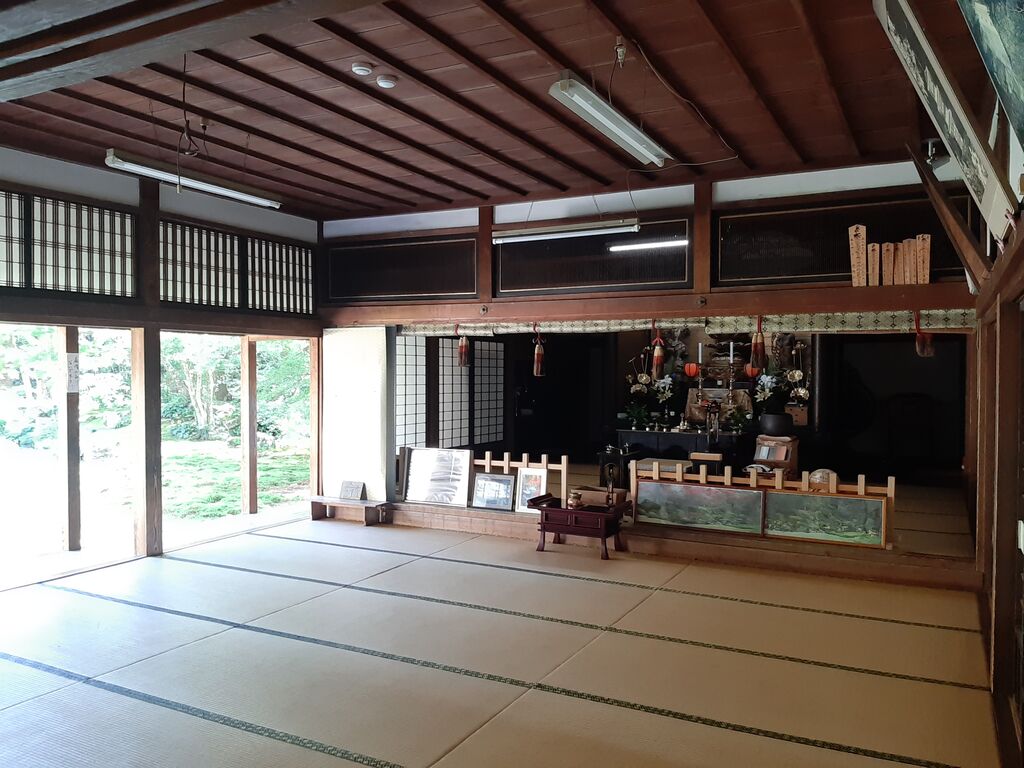
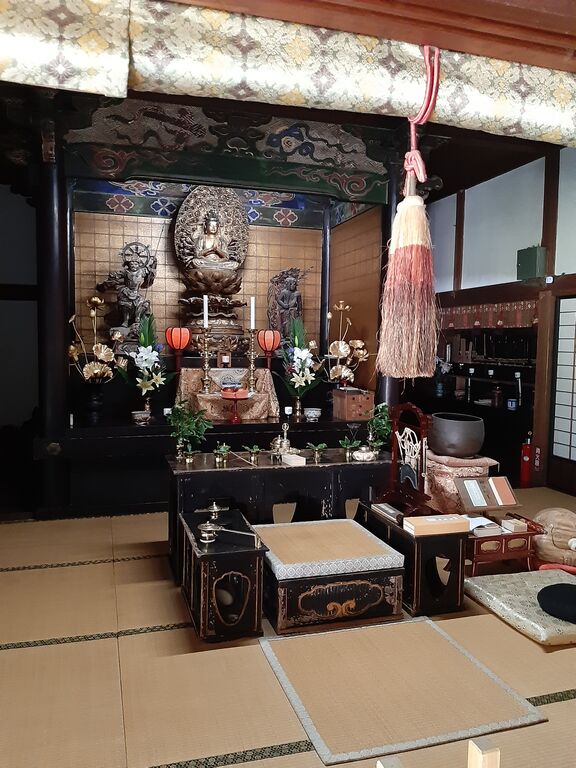
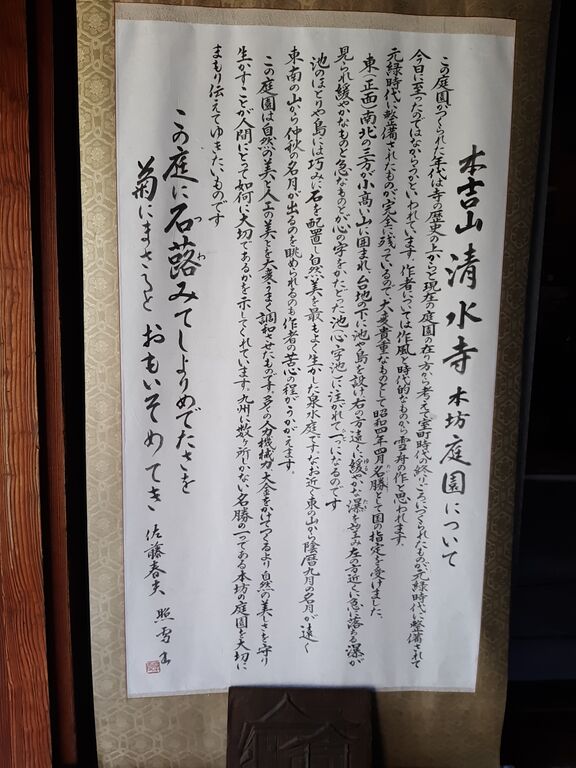
Exiting from the Borrowed Landscape, the View of the Full Moon is Stunning.
During the autumn leaves season, you can probably enjoy the vibrant colors, but personally, I find this green world more fitting for appreciating things like the mossy green, evergreen mountain shadows, the arrangement of stones in the Heart-shaped Pond, small islands, and miniature waterfalls.
I was able to catch a glimpse of Sesshu's garden craftsmanship.
I sat formally and meditatively, and then lay prostrate to gaze upward...
These indulgent moments of appreciation are perhaps only possible in the pre-autumn leaves season.
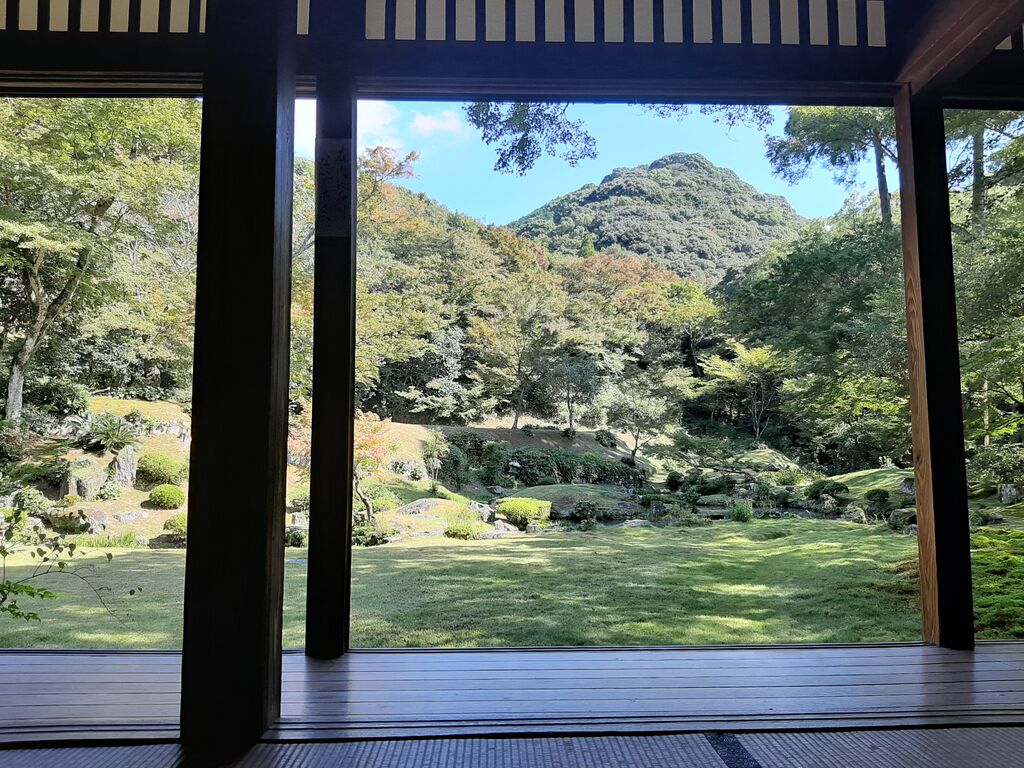
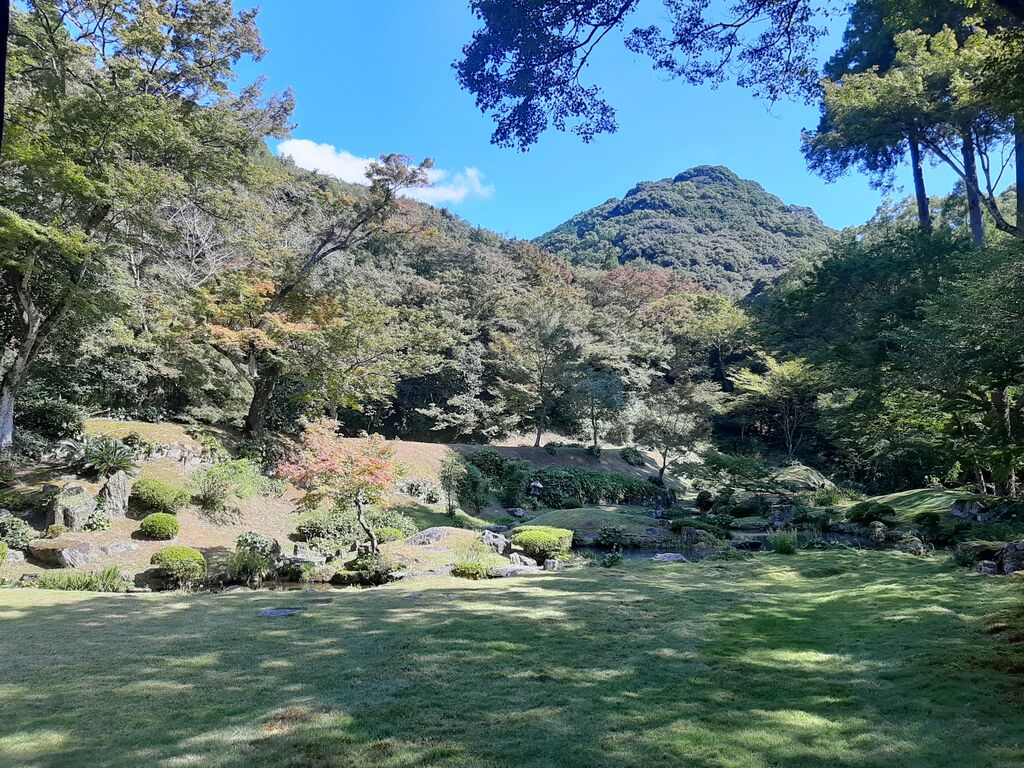
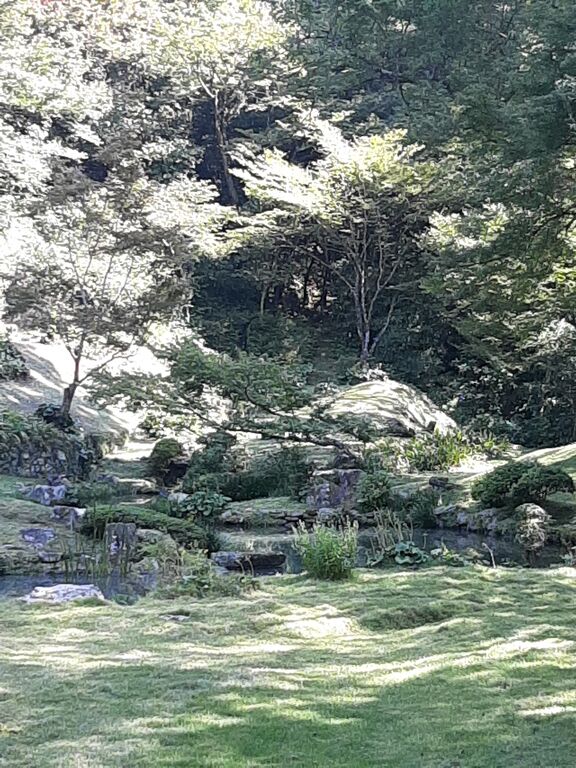
Having a View of These Gardens Makes Me Feel How Wonderful Japan Is!
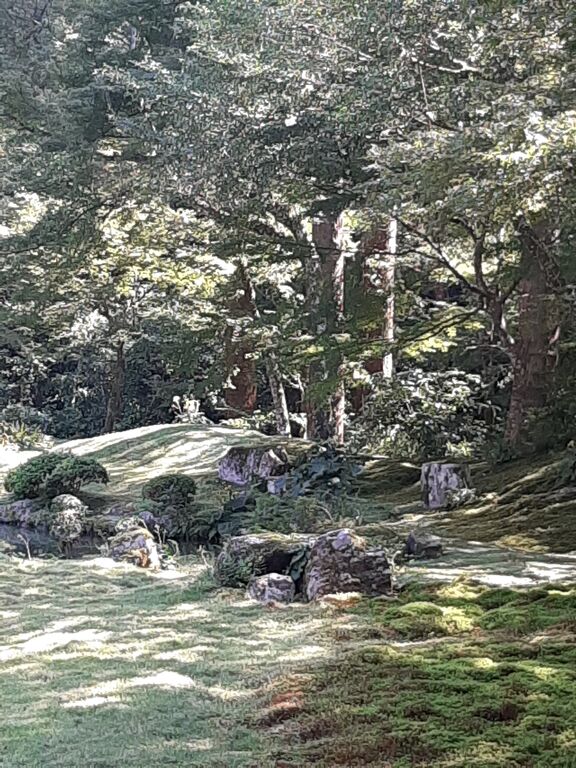
As a Token of My Appreciation for Enjoying the Garden's Scenery, I Ring the Bell and Bow.
Thank you very much.
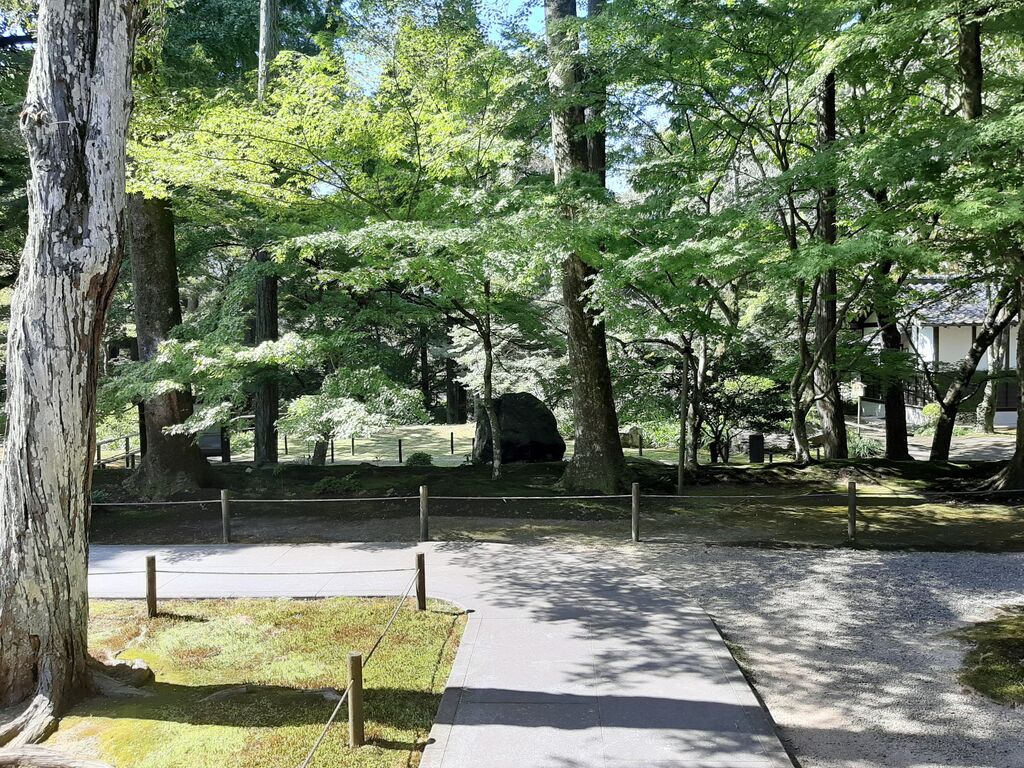
The Brightness Outside is Dazzling.
As I descend the stone steps, something moves!
Upon closer inspection, it's a striped snake slithering across the steps.
(I captured it on video, but I don't feel the urge to watch it again.)
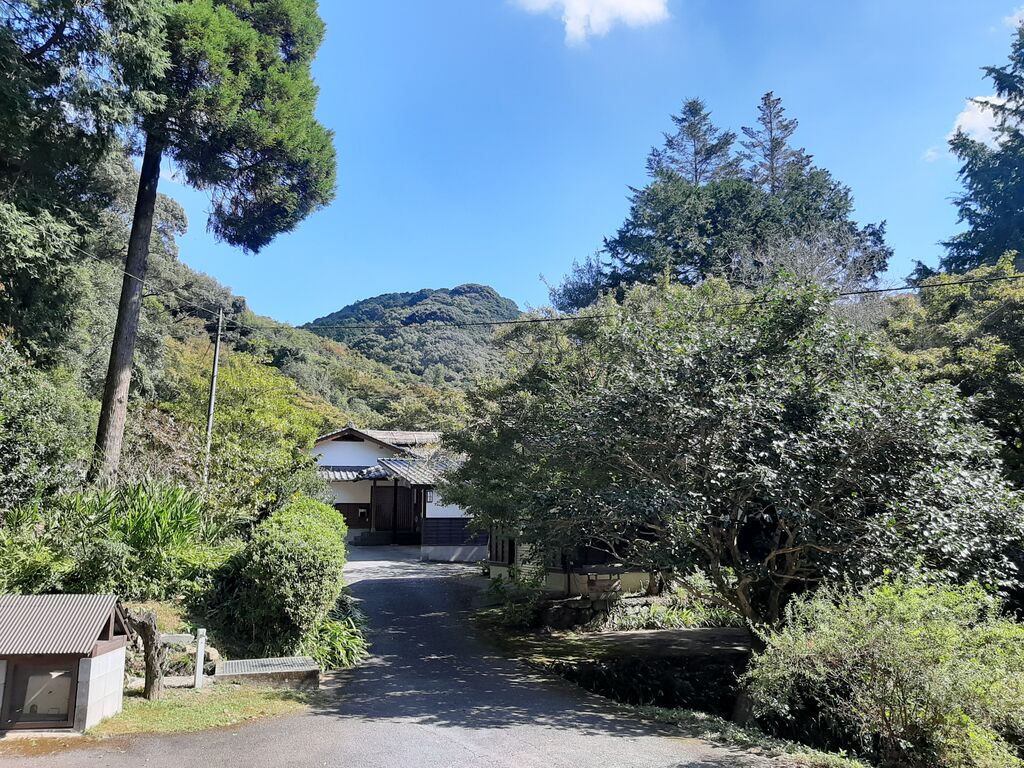
I've Climbed Up to the Back of the Hon-bo.
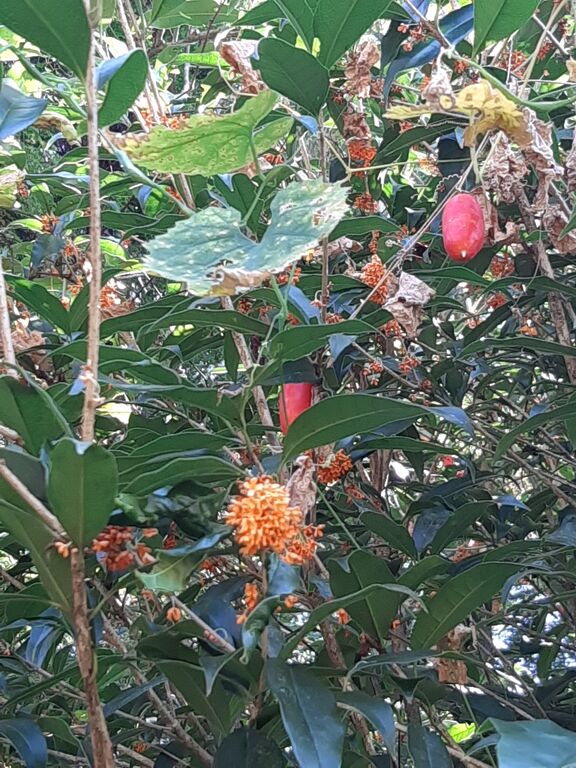
Golden Osmanthus and Ripe, Bright Red Bitter Melon Fruits.
As much as I appreciate the green world, these vibrant colors are truly a blessing.
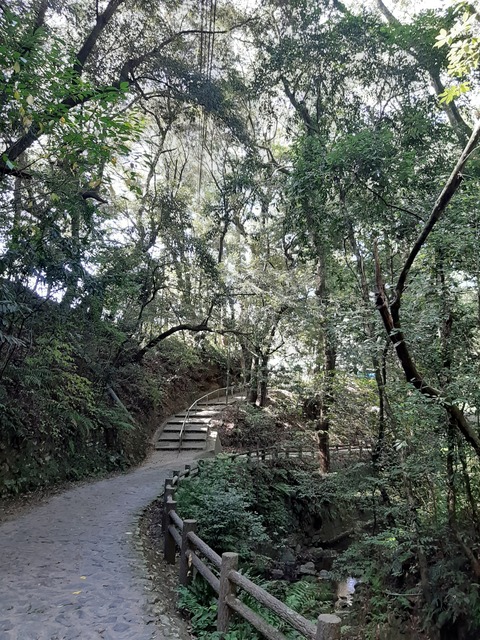
Now, I'll return to the parking lot and decide on the next destination.
After getting back home, when I was going over the guide materials, I found out that inside the Hon-bo grounds, there's a monument inscribed with a poem by Kitahara Hakushu:
"Longing for father, yearning for mother, the child's pheasant Is dyed in shades of red and green."
What a shame! I completely overlooked it.


Comments
Post a Comment