A Leisurely Ride Along the Canals of Yanagawa
As the autumn sun began to dip, I arrived in Yanagawa.
I parked my car at the free public parking lot, and set up my trusty Brompton, "Pota Kichi."
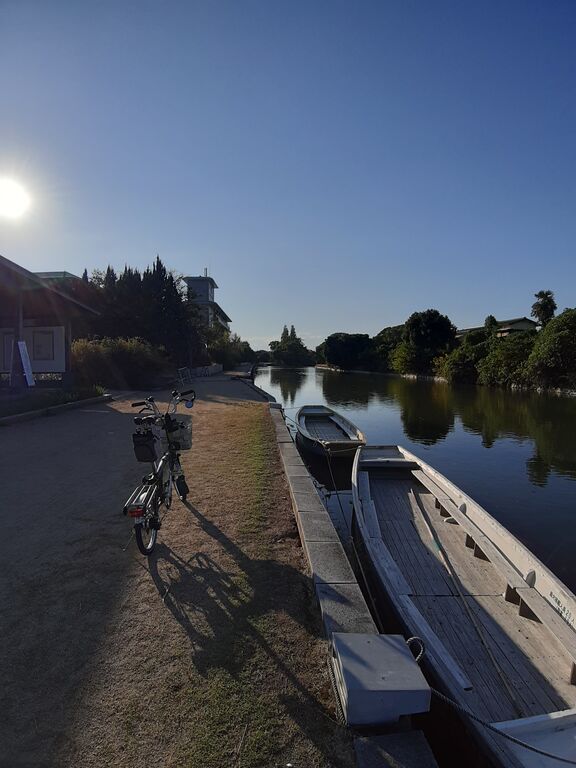
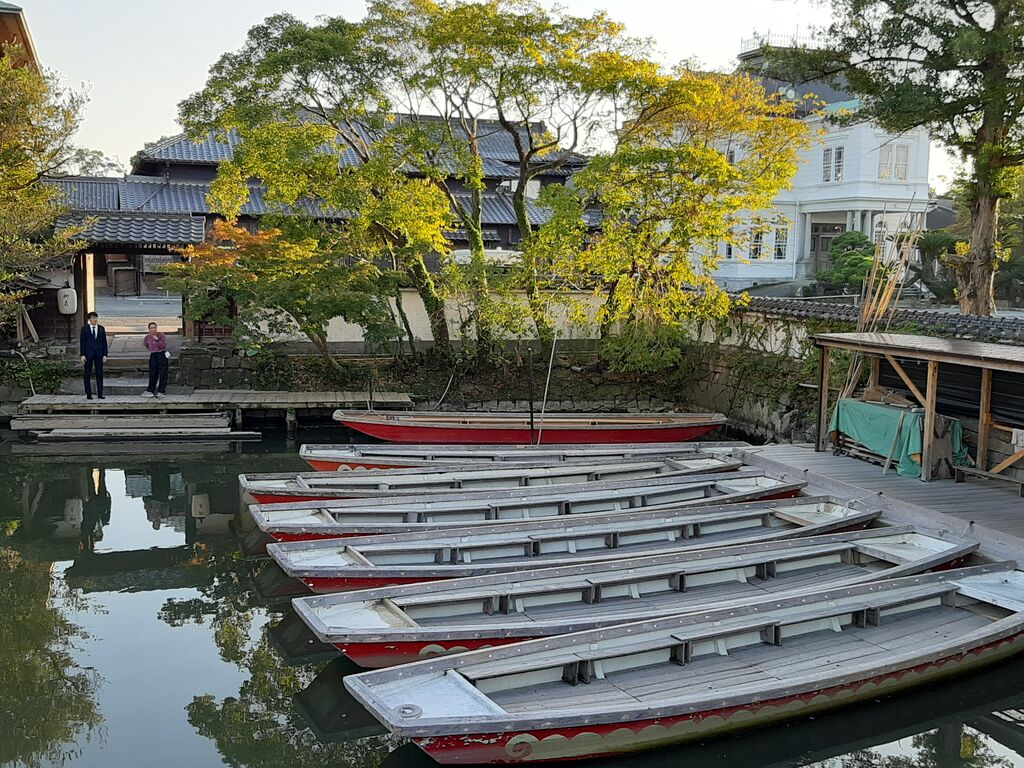
By this time, the boats that had been ferrying hordes of visitors along the moats all day had returned to the wider stretch near Ohana (the former Load residence), shrouded in mist.
From somewhere, a song echoed.
From beyond the moat, a single boat approached.
I didn't wait, but crossed the wooden bridge over the moat and left Pota Kichi, eager to catch a glimpse of Ohana's Sho-to-en garden through the pines.

When I reached the middle of the bridge, the boat, which I thought was moving slowly, had already turned the corner and was heading back to its starting point.
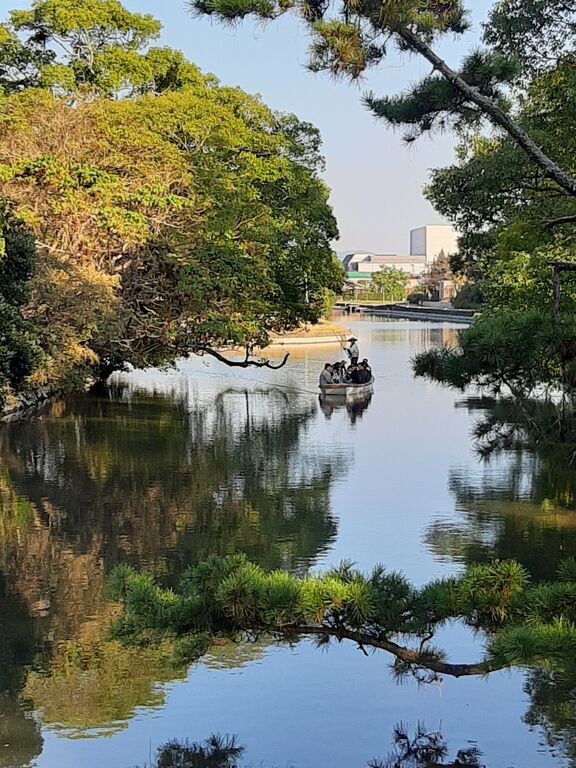
Surprisingly, the boatman was singing a kid's song about Momotaro.
"Who could the passengers be?" I wondered.
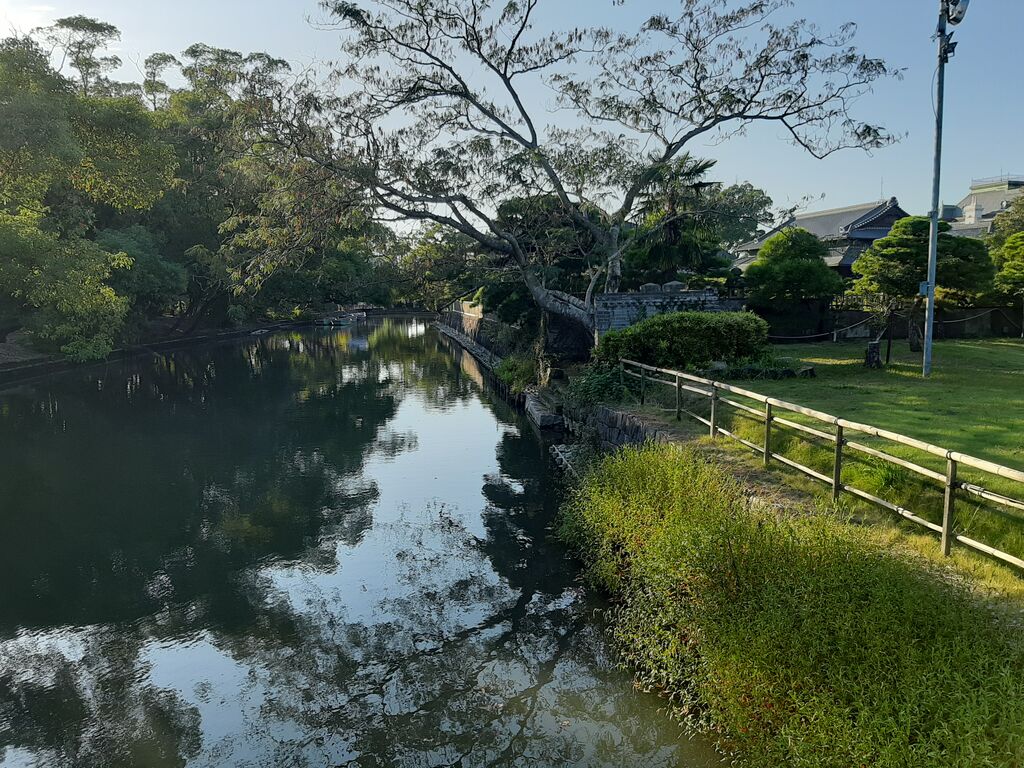
As the boat passed under the bridge, visitors from China or Taiwan came into view.
This was probably the last trip for this boat.
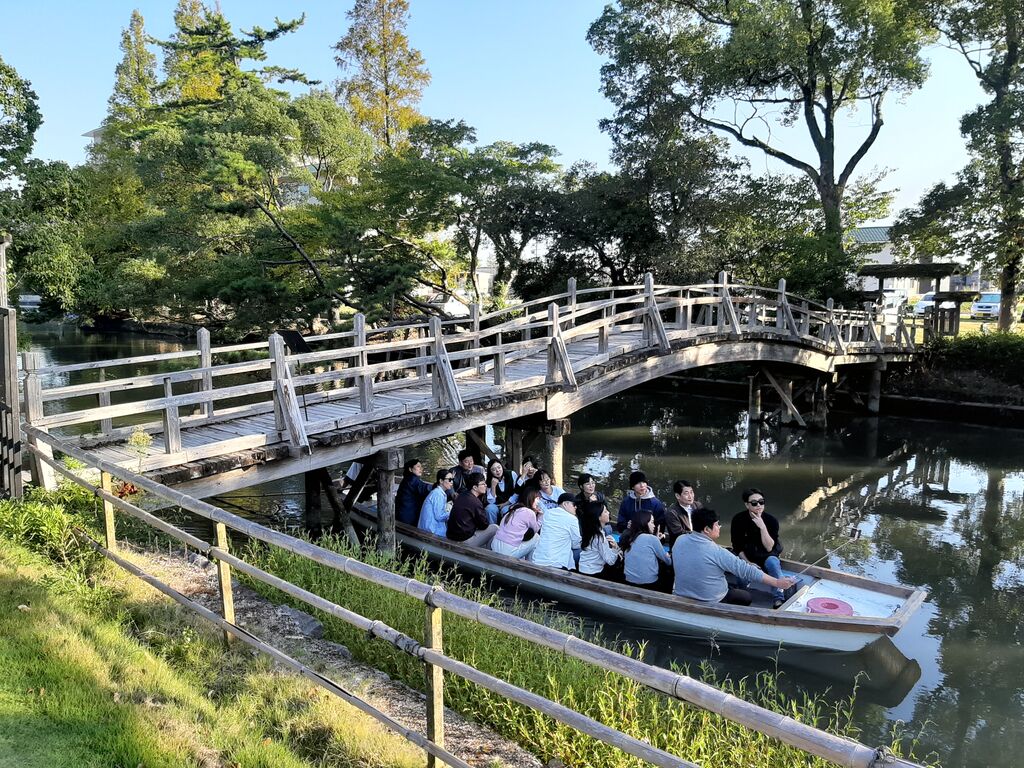
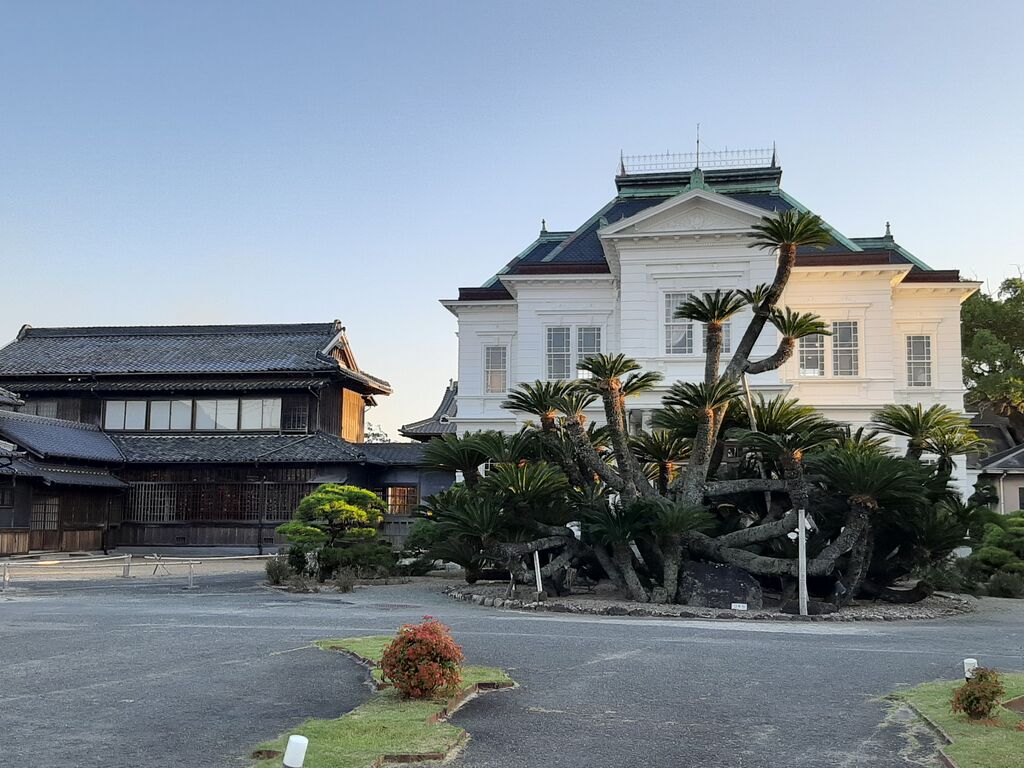
Walking on the grass towards the fence, I caught a glimpse of Ohana & Sho-to-en Garden.
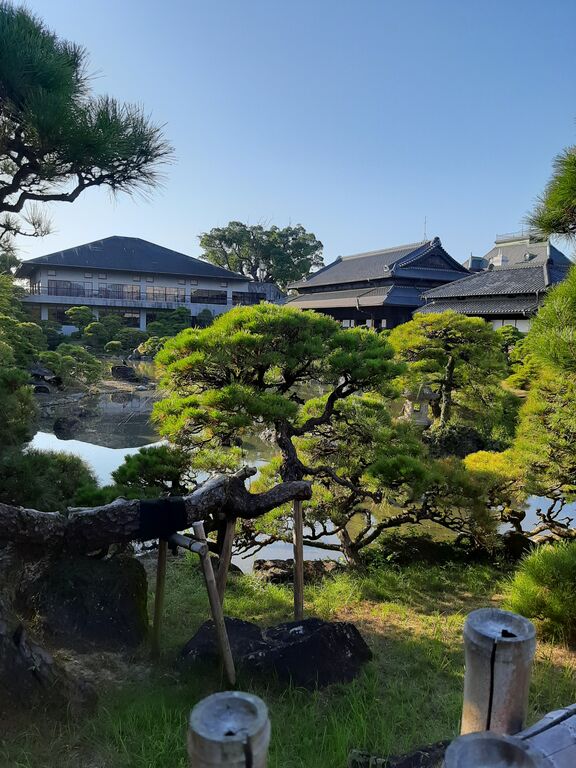
When you think of Yanagawa, images of a 4-kilometre downstream boat ride along the canals, quaint white-walled storehouses, and red-brick buildings immediately come to mind.
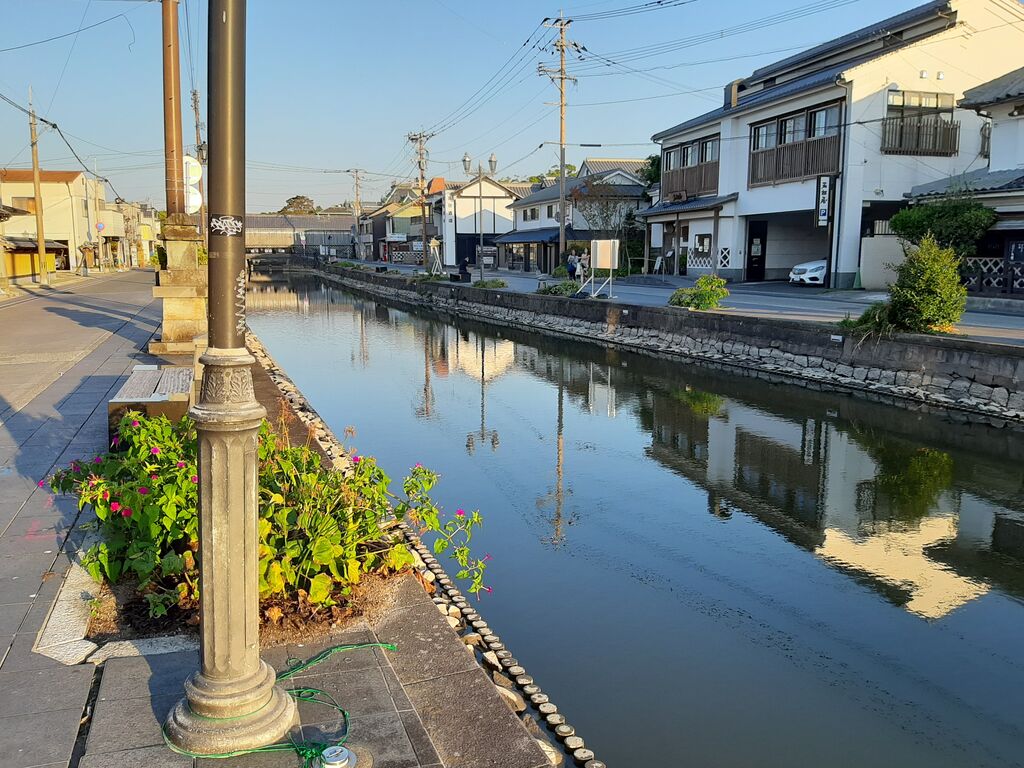
As you stroll through the town, you'll come across numerous canals, making it aptly known as the "Water Land."
Although Yanagawa Castle, once called the "Water Castle," was originally dug for defence, it also served as an irrigation canal, a transportation route, and an essential source of daily life, providing drinking water and washing facilities.
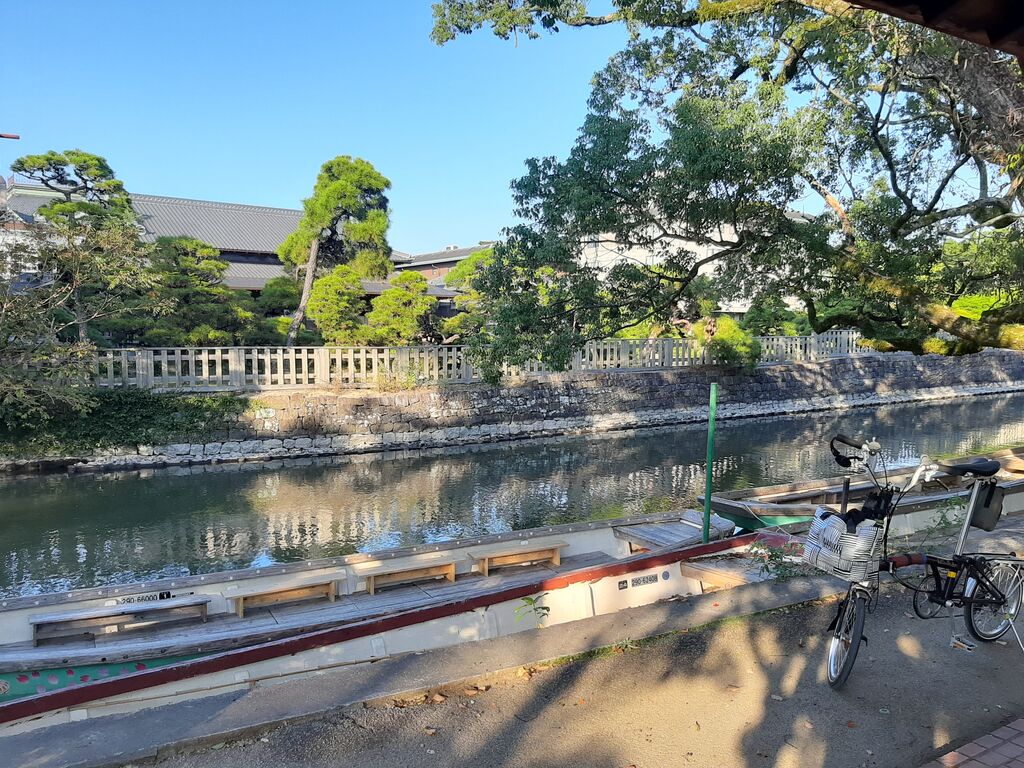
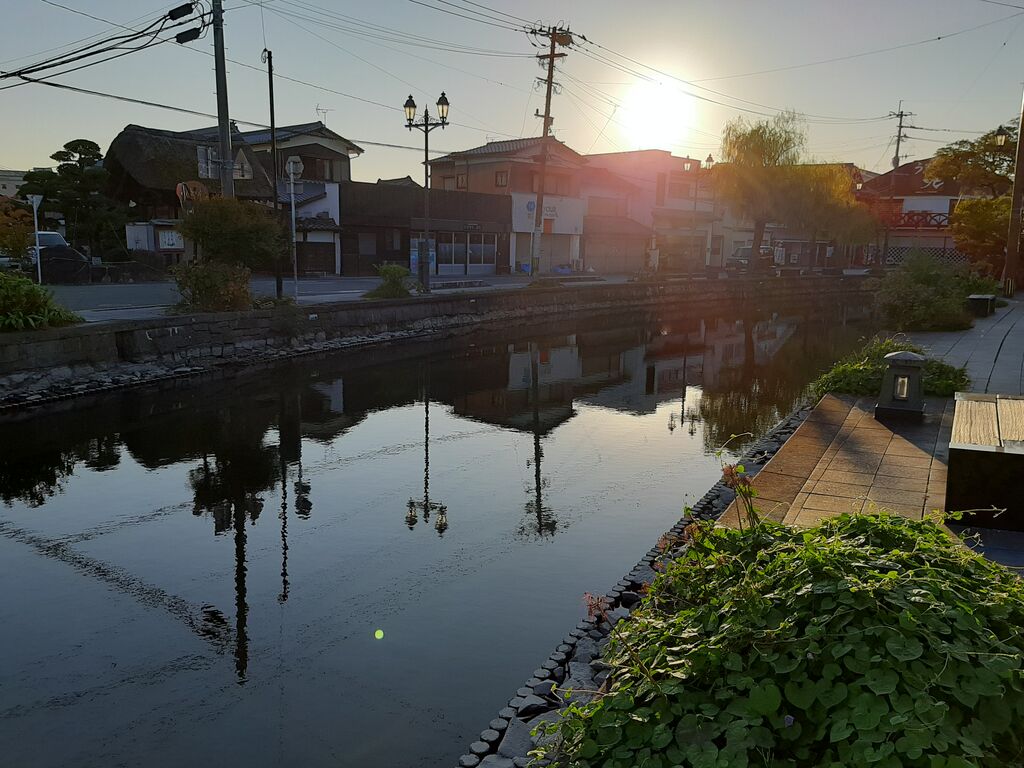
As the autumn sun started to set, time seemed to pass swiftly until sunset.
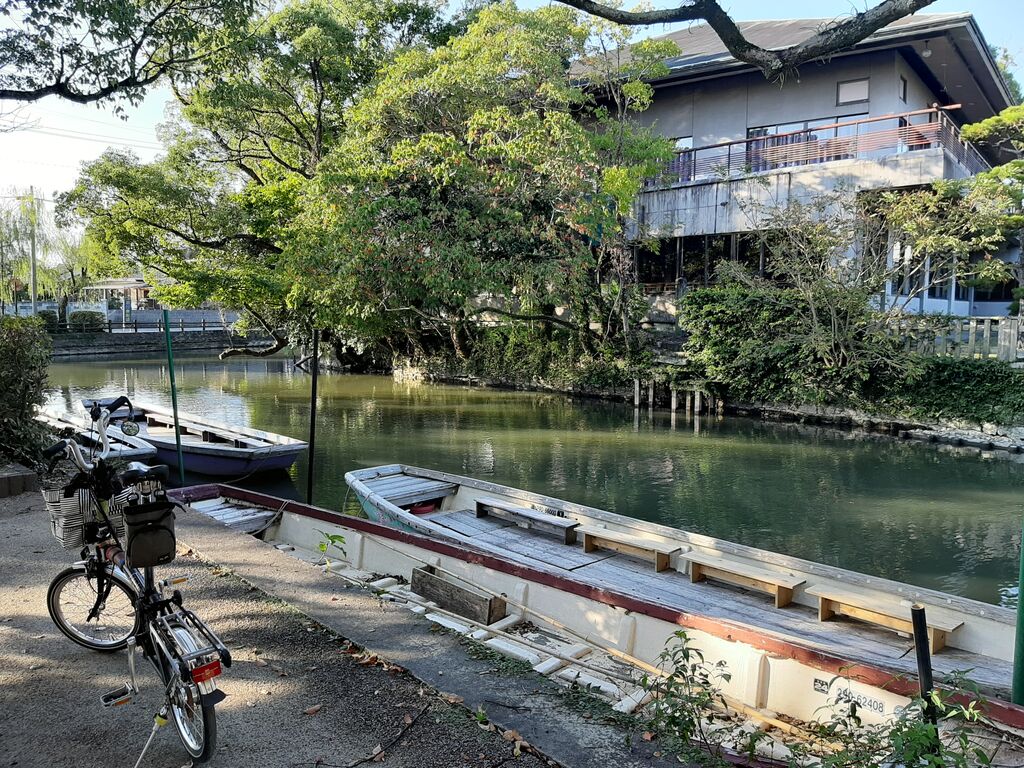
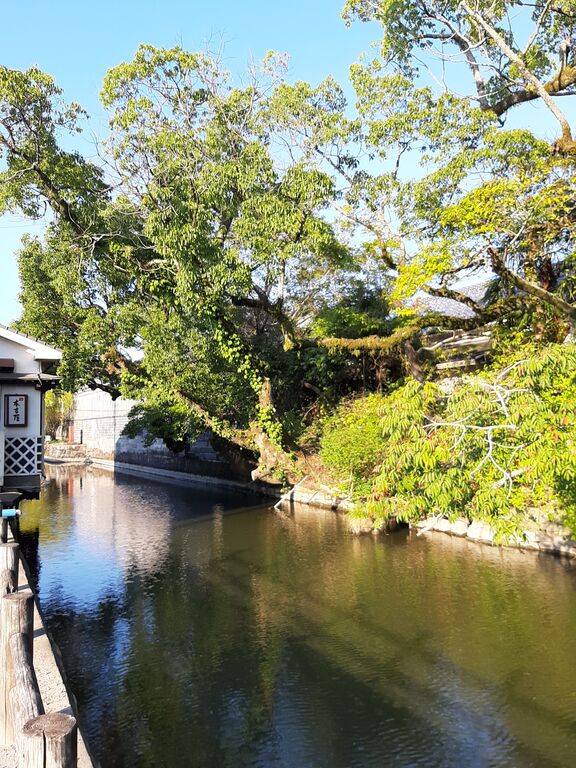
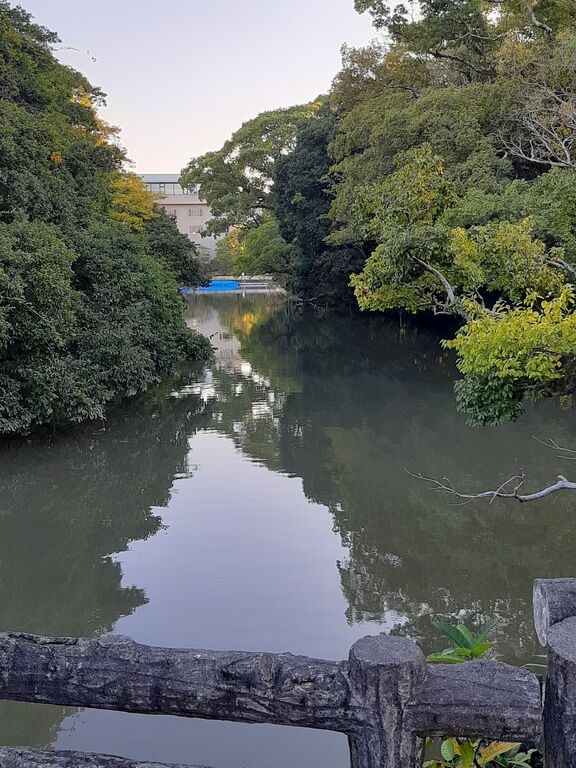
Amidst the charm of the canals, you can feel the essence of this place as you gaze upon the boats and the green trees reflected on the water's surface.
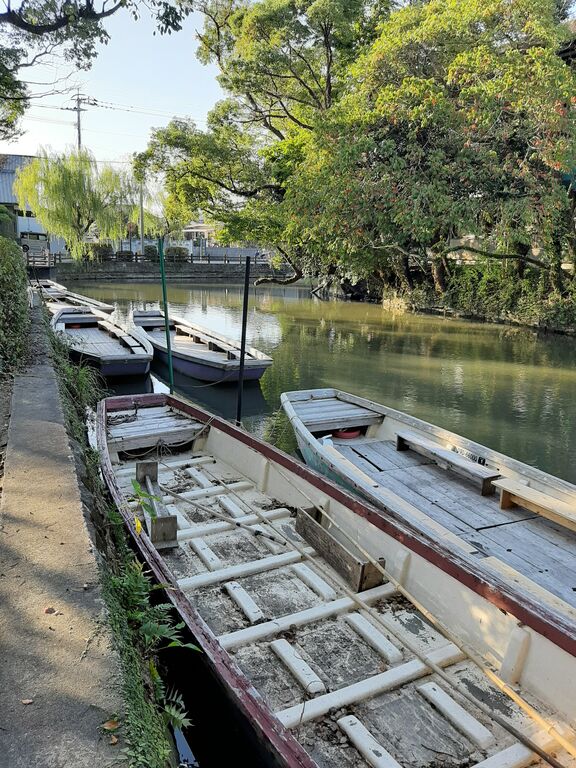
Heading towards the town a bit, it reveals a different face.
The red monument near the willows is a monument to Kitahara Hakushu.
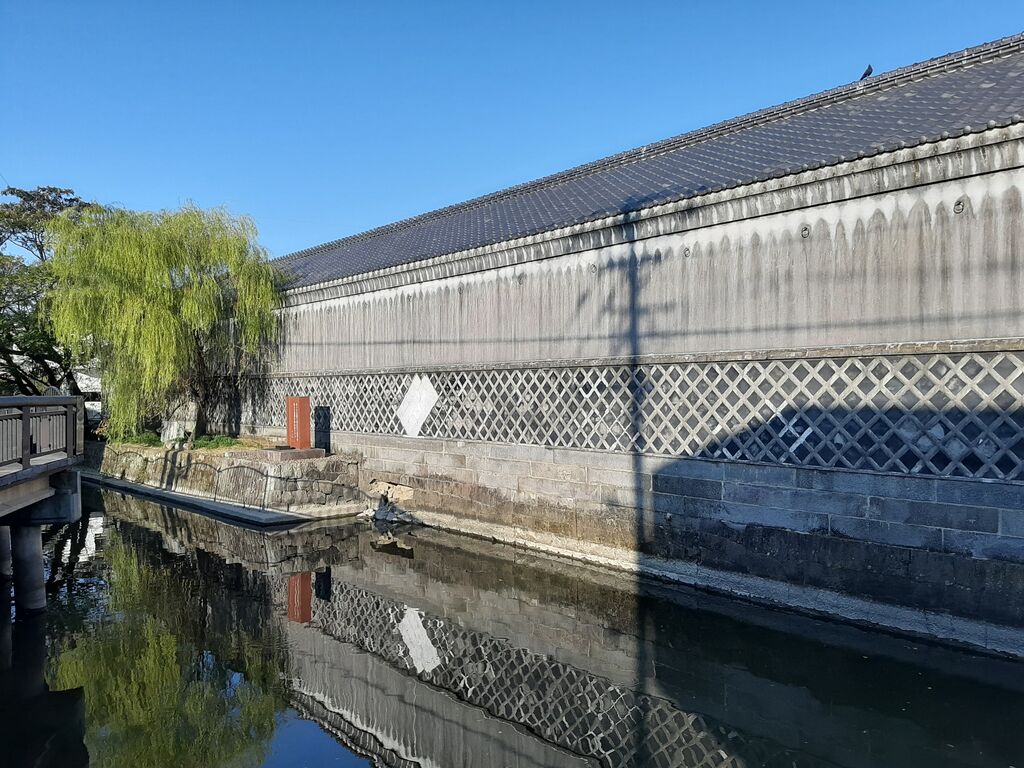
Throughout the town, you'll come across monuments and inscriptions, carved in legible fonts (normally written in the fude-brush handwriting style), only the handwriting name of the author attached with.
While they're easy to read and understand, there's an inexplicable sense of incongruity.
During the day, this place must have been bustling.
There are long-standing eateries alongside trendy establishments that gather the youth.
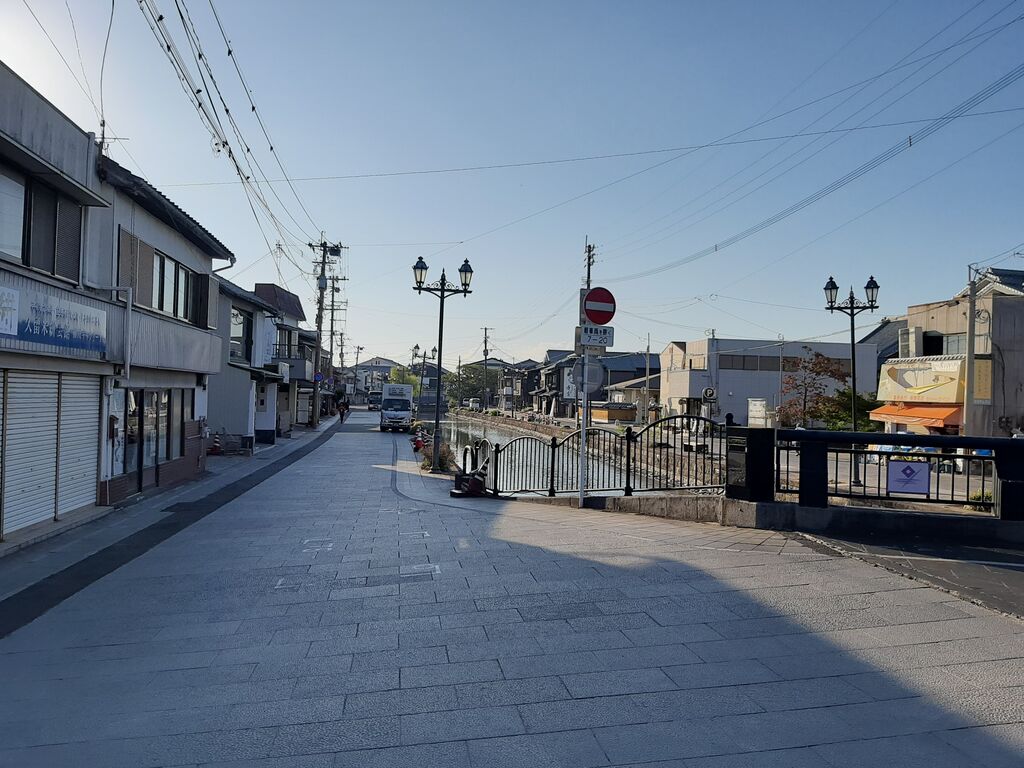
If you follow the canals to the west, you'll reach the district known as Okihata.
It's here that Kitahara Hakushu was born, spending his blessed childhood in the sake breweries of this area.
His poetic soul was nurtured by such experiences.
At the age of 16, Hakushu witnessed the Okihata Great Fire, which consumed the sake brewery, and left his family business in ruins.
He left his hometown, heartbroken, and after interacting with literary figures in Tokyo the capital, he completed "Jashu-mon" at the age of 26, receiving praise and making his literary debut.
His longing for his hometown of Yanagawa, where he couldn't return, has been cherished by people as children's songs among many of his poems and songs.
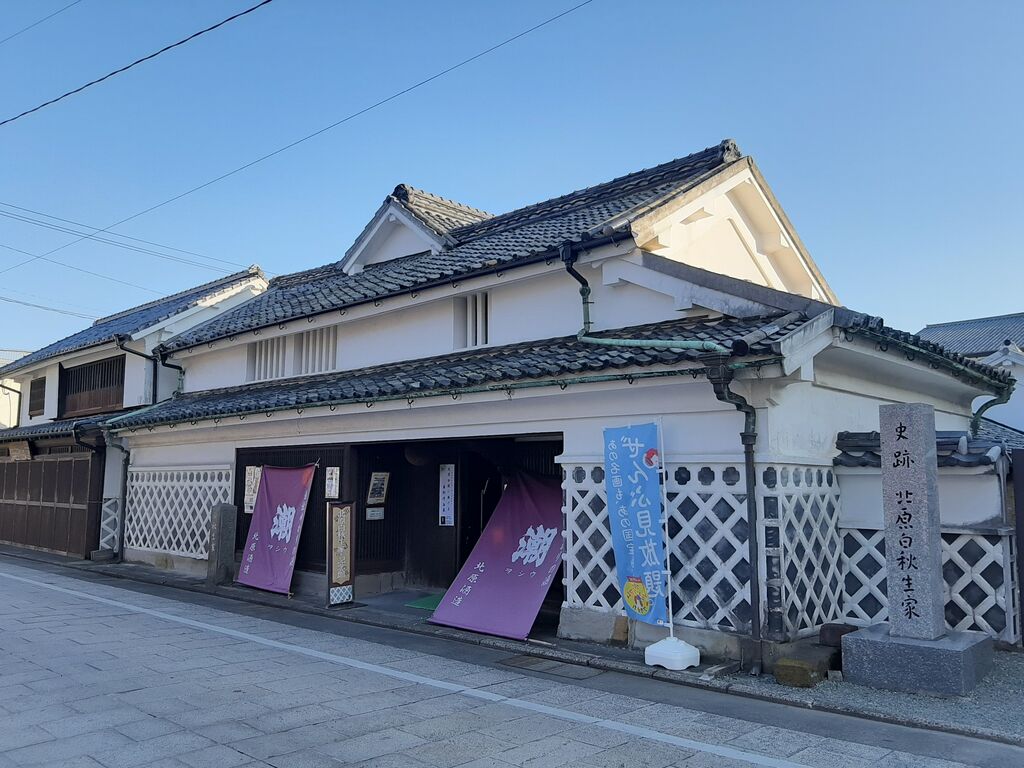
Now, the remaining main house has been restored as the Hakushu Memorial Hall, displaying his personal belongings and works.
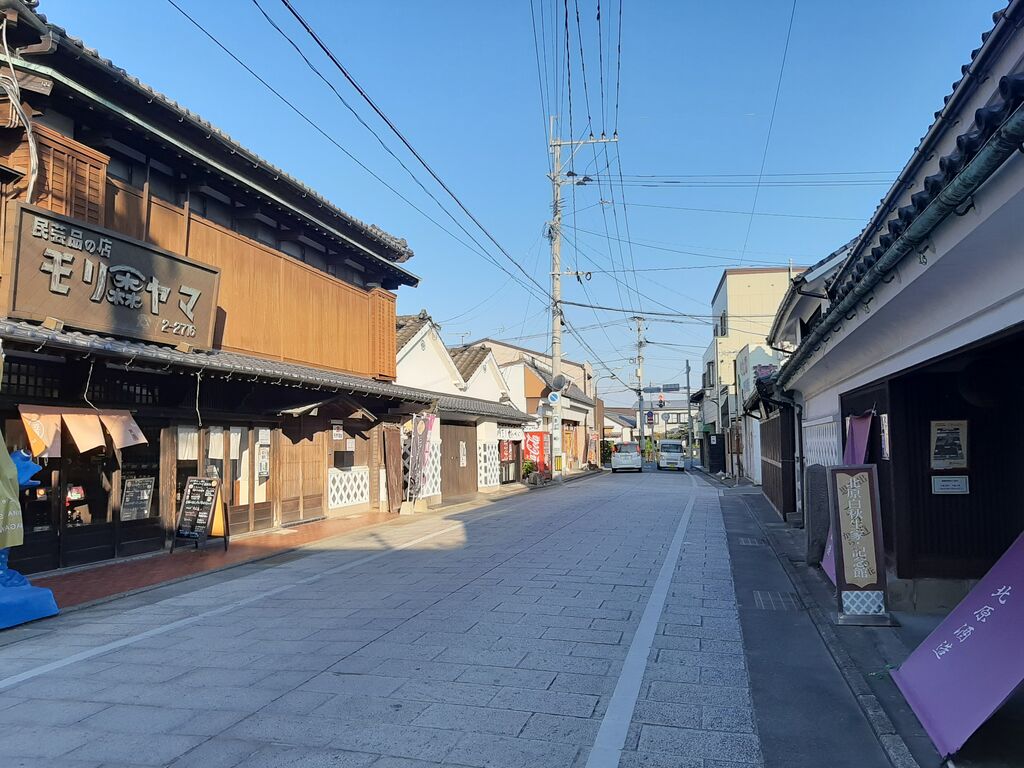
Given the constraints of time on this bike ride, I focused on the Okihata district which I couldn't thoroughly explore last time.
Before his passing, Hakushu, who had lost his sight, visited Fukuoka for an awards ceremony, and I had planned to take my time and listen to the choral piece set to his poem "Kikyorai (Come Away Home)."
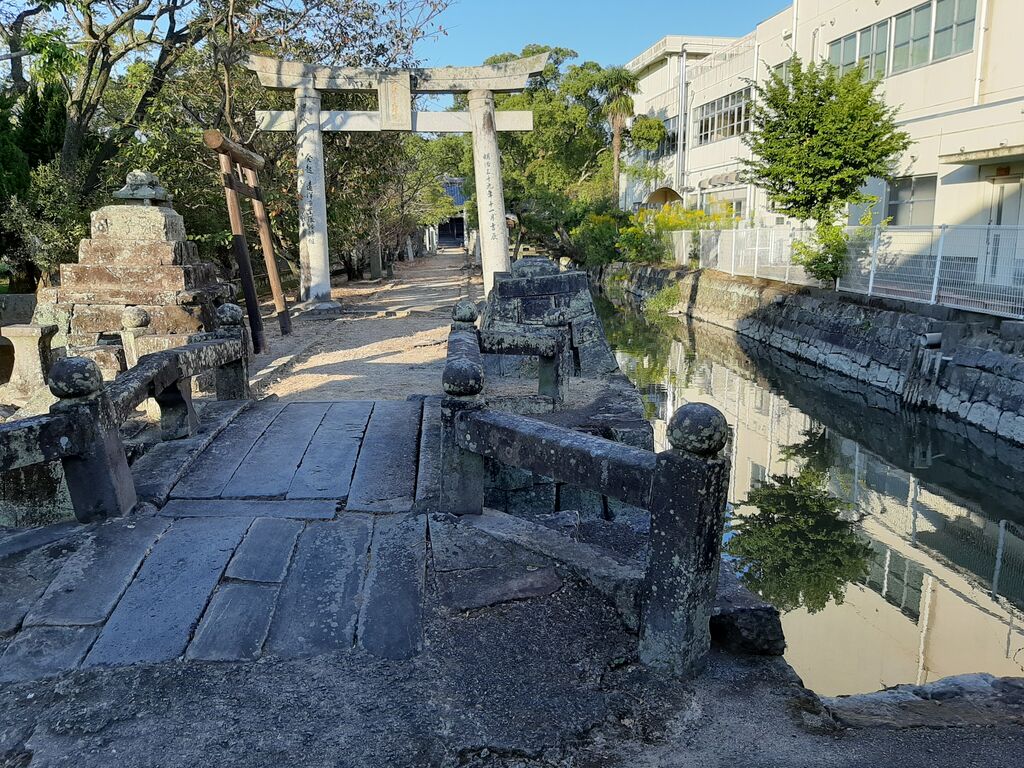
After a winding ride through Okihata Minamimachi (south), I arrived at the spacious shrine where the Yatome Shrine is situated.
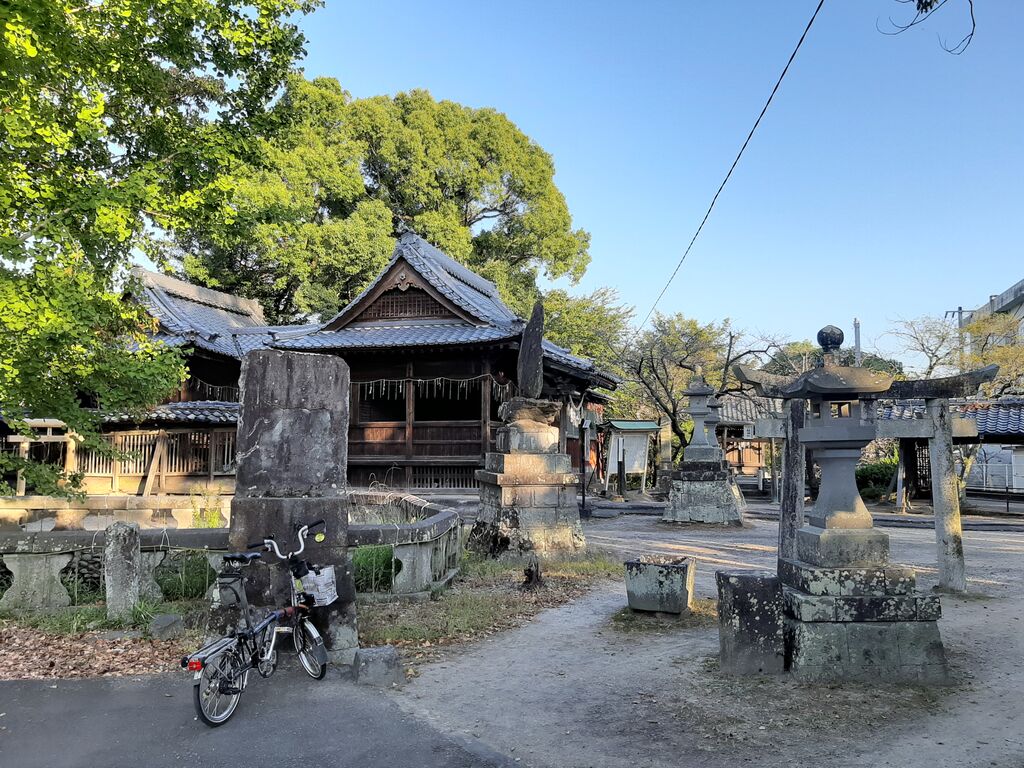
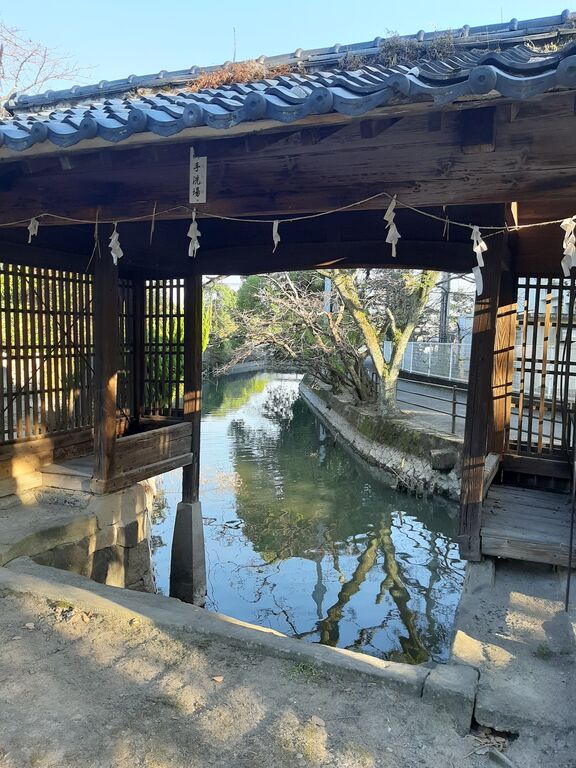
Yatome Jingu shrine, with its hands-wash building drawing in the canals, adds a unique charm to this waterside locale.
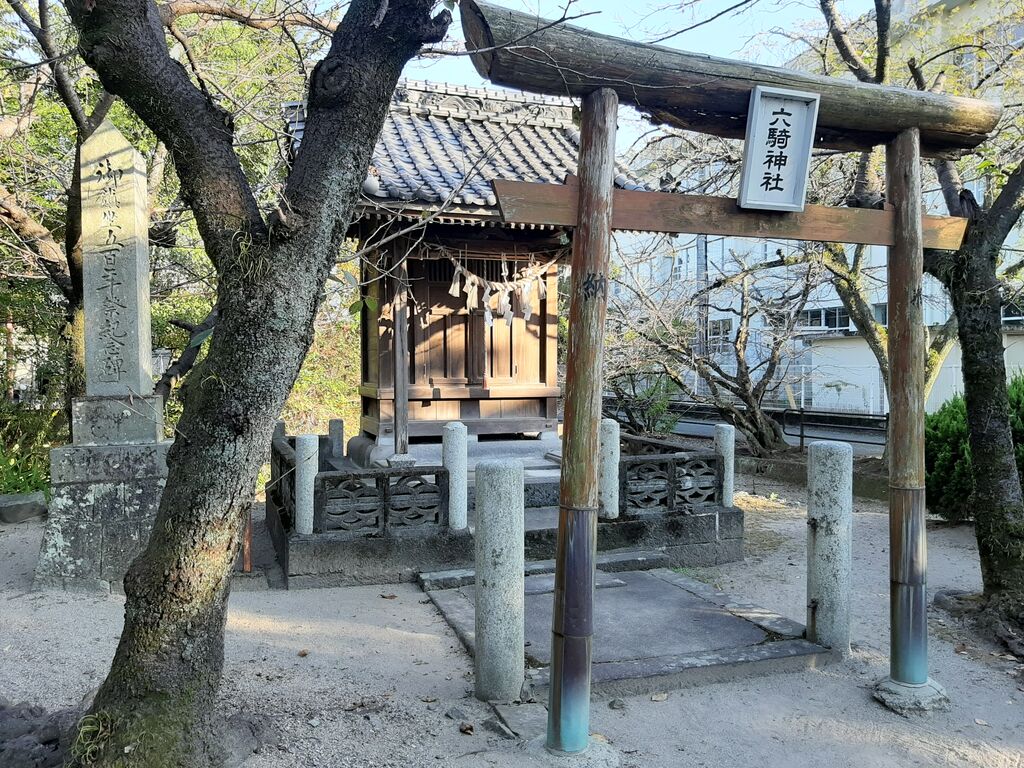
Inside the precincts of Yatome Jingu, there is the Rokki Shrine with a small torii gate.
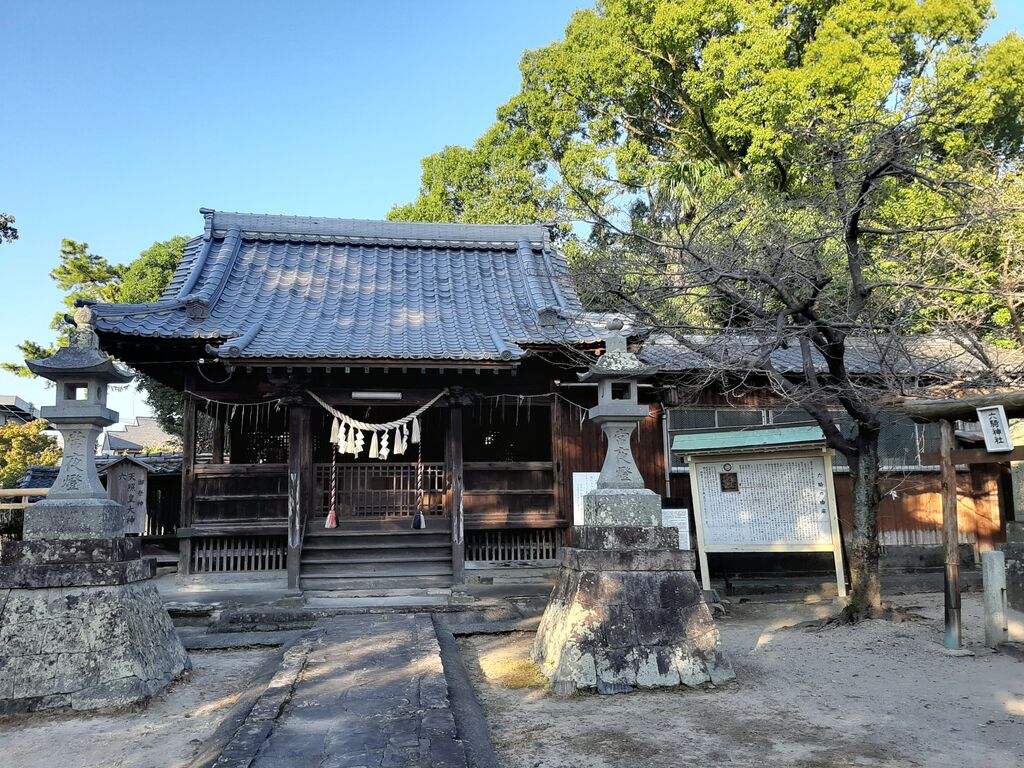
It enshrines six Heike warriors who were said to have settled in Yanagawa after the fall of the Heike clan and were instrumental in building the port of Okihata.
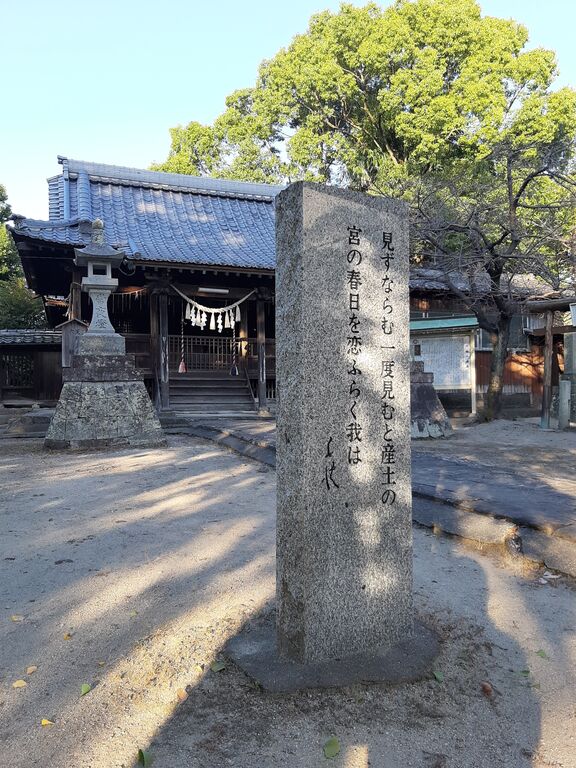
Unfortunately, the printed letters on this monument somehow dampen the spirit of Hakushu's nostalgic thoughts.
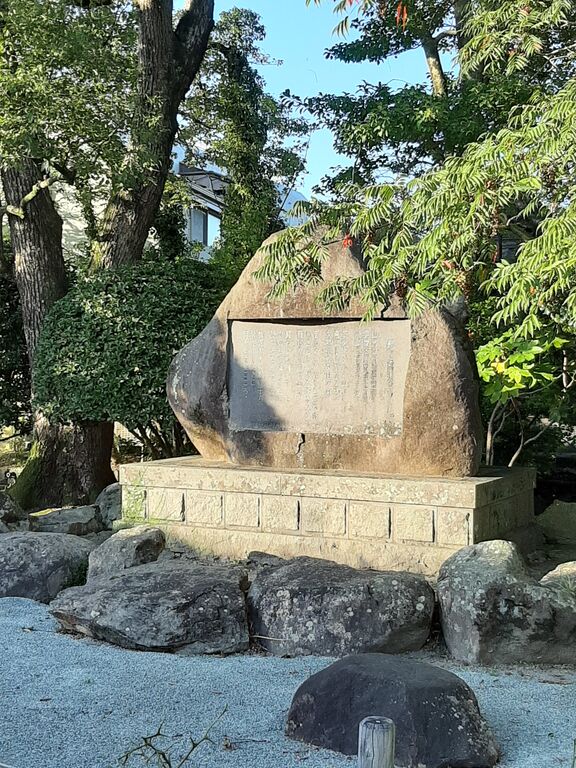
To the left of it stands the poem monument of "Kikyorai."
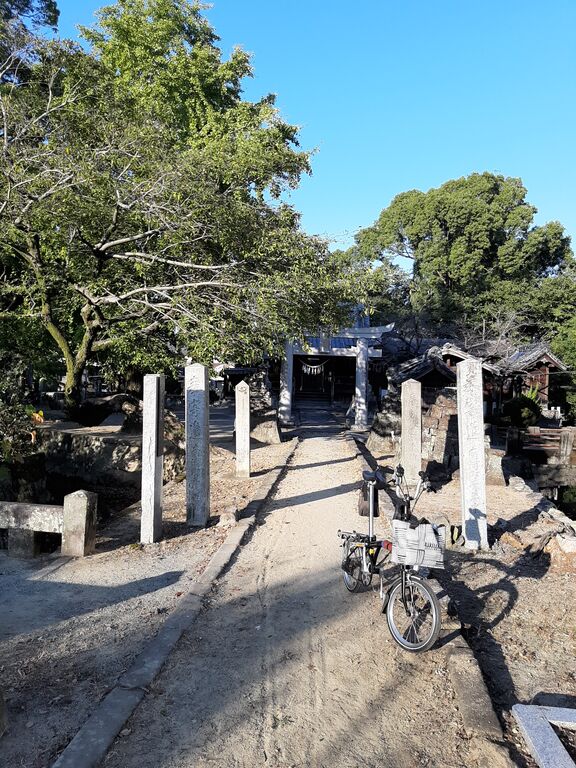
I recall the refined lady who, during my previous visit, kindly informed me, "If you stand in front of the 'Kikyorai' poem monument, you can listen to an automatic audio introduction."
It might seem a bit contrived, but there are karatachi trees planted in part of the hedge.
("Karatachi" is one of the most popular songs with its lyrics written by Kitahara Hakusyu,)
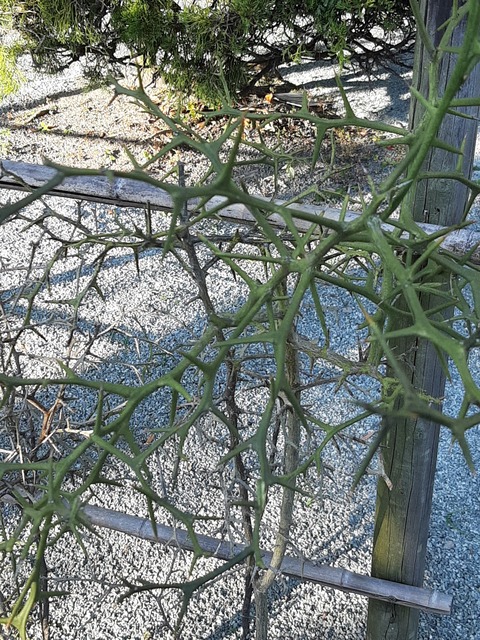
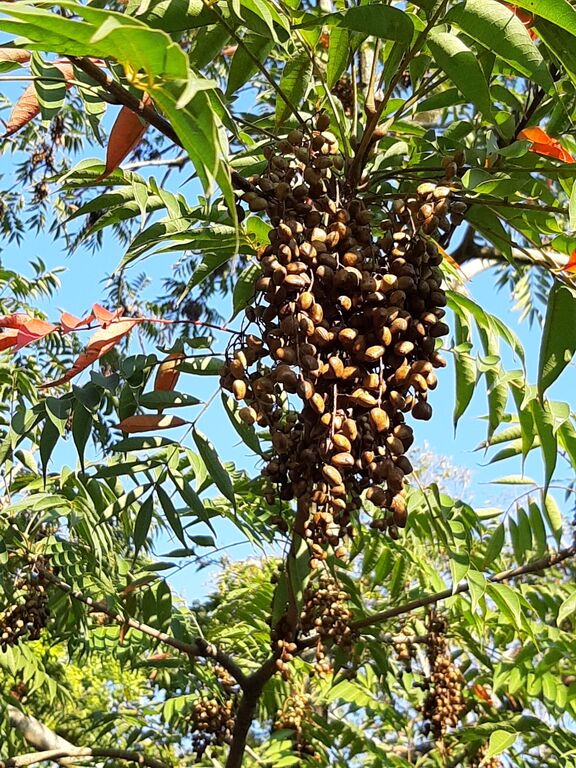
The fruits of the Japanese wax tree, which became the raw material for Japanese candles, are abundant.
北原白秋 『帰去来』
Kitahara Hakushu's "Kikyo Rai":
山門(やまと)は我(わ)が産土(うぶすな)、
The Yamato is my native land,
雲騰(あが)る南風(はえ)のまほら、
A pavilion of southern winds soaring in the clouds.
飛ばまし、今一度(いまひとたび)。
Let's fly once more.
筑紫よ、かく呼ばへば 戀(こ)ほしよ潮の落差、
Oh Chikushi, if you are called, yearn for the tidal range,
火照沁む夕日の潟。
The burning sunset over the inlet.
盲(し)ふるに、早やもこの眼、 見ざらむ、また葦かび、
Though my eyes are already blind, may I see once more,
籠飼(ろうげ)や水かげろふ。
The reeds and the basket by the water's edge.
帰らなむ、いざ鵲(かささぎ) かの空や櫨(はじ)のたむろ、
Shall I return, oh magpies in that sky or the gatherings at the Japanese Judas tree?
待つらむぞ今一度(いまひとたび)。
Should they wait for me once more.
故郷やそのかの子ら、皆老いて遠きに、何ぞ寄る童ごころ。
Homeland and those children, all growing old and distant, are what stirs the hearts of children.
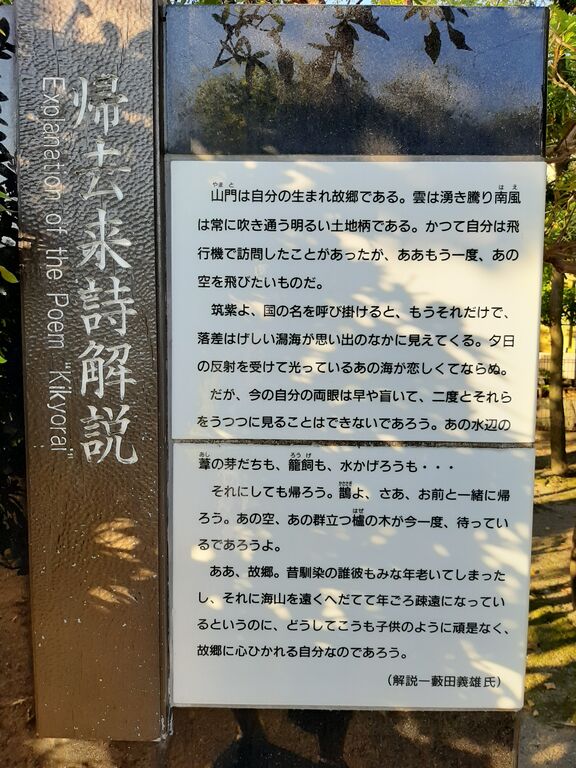
After an explanation of the poem's origins, a choral piece played.
I had the privilege to listen to it twice.
Let's explore Okihata a bit more.
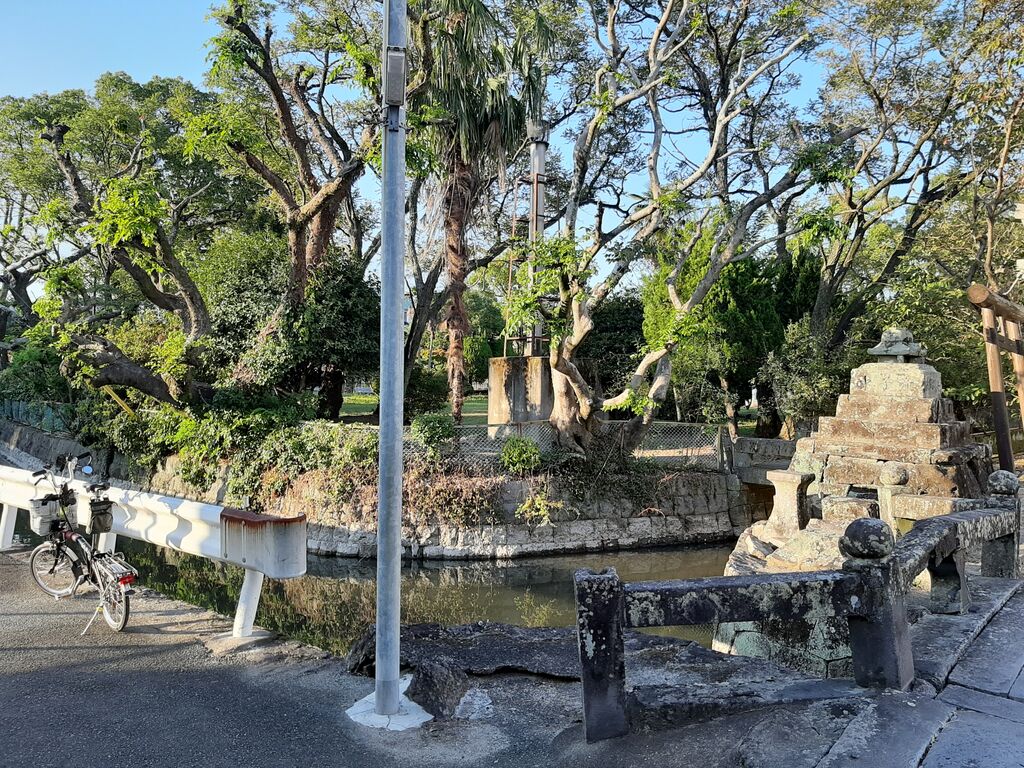
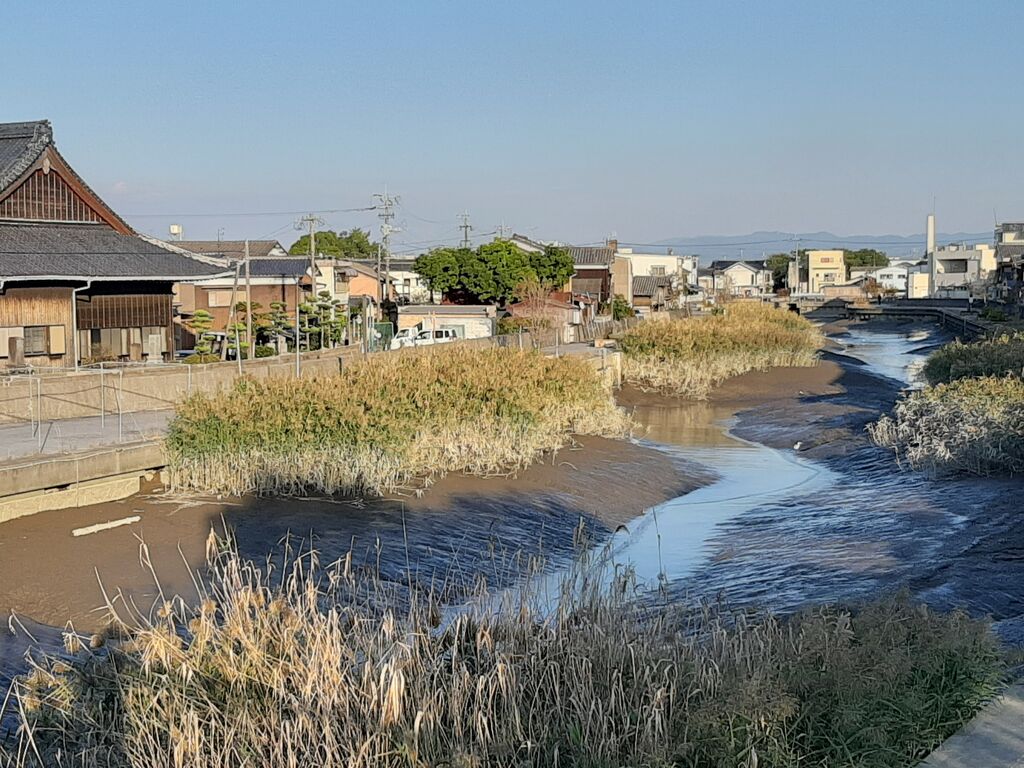
From the Suisan Bridge connecting the north and south of Okihata, I looked at the Okihata River and upstream, but perhaps due to low tide, the water level in the river was low.
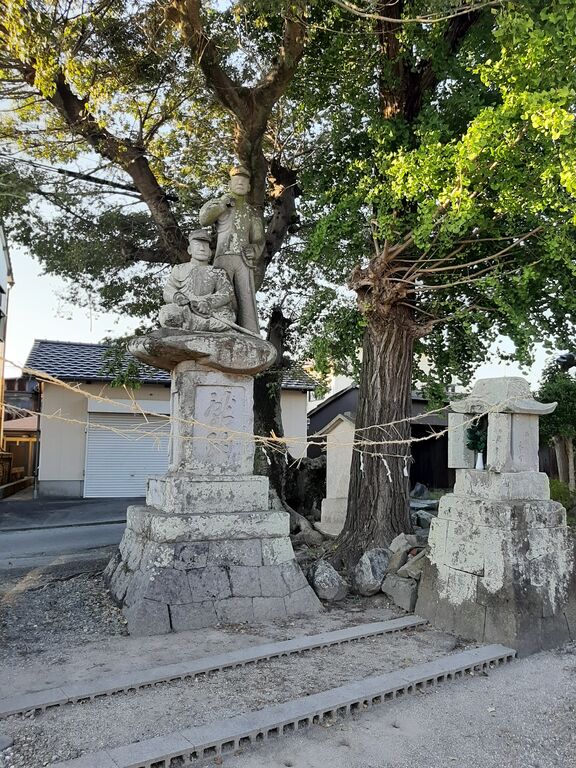
I visited the western area of Okihata known as Okihata Kitamachi (north)for the first time.
Amidst the rows of houses, peculiar monuments caught my eye.
Urashima Taro and a pair of cranes.
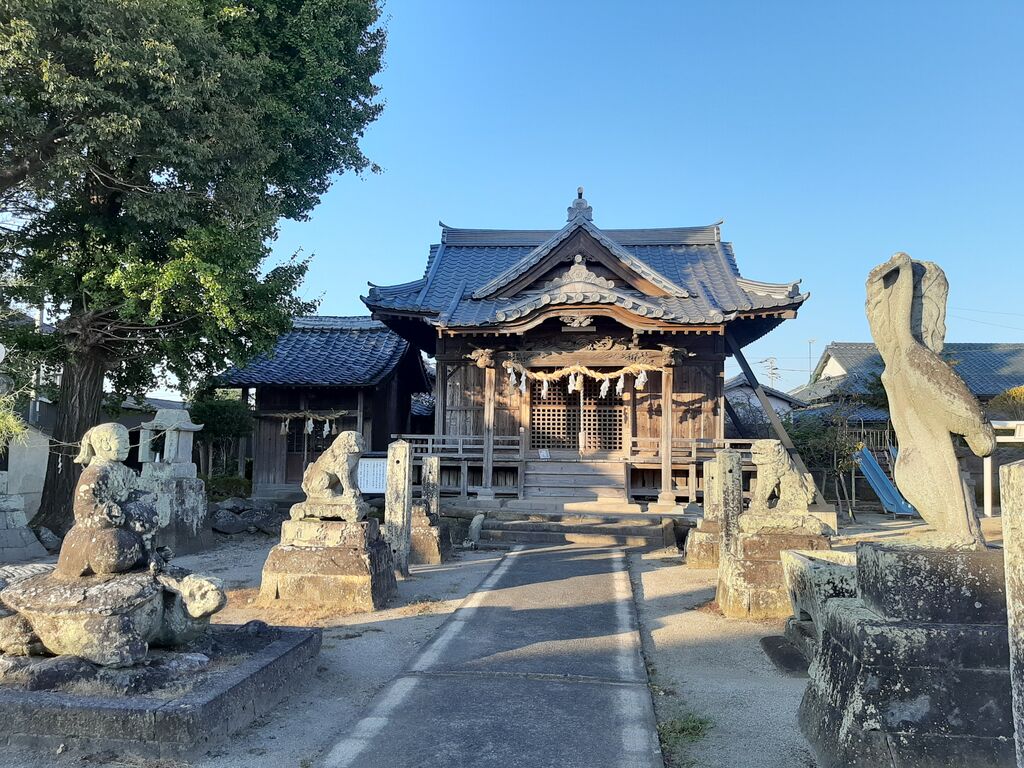
There's even something like this.
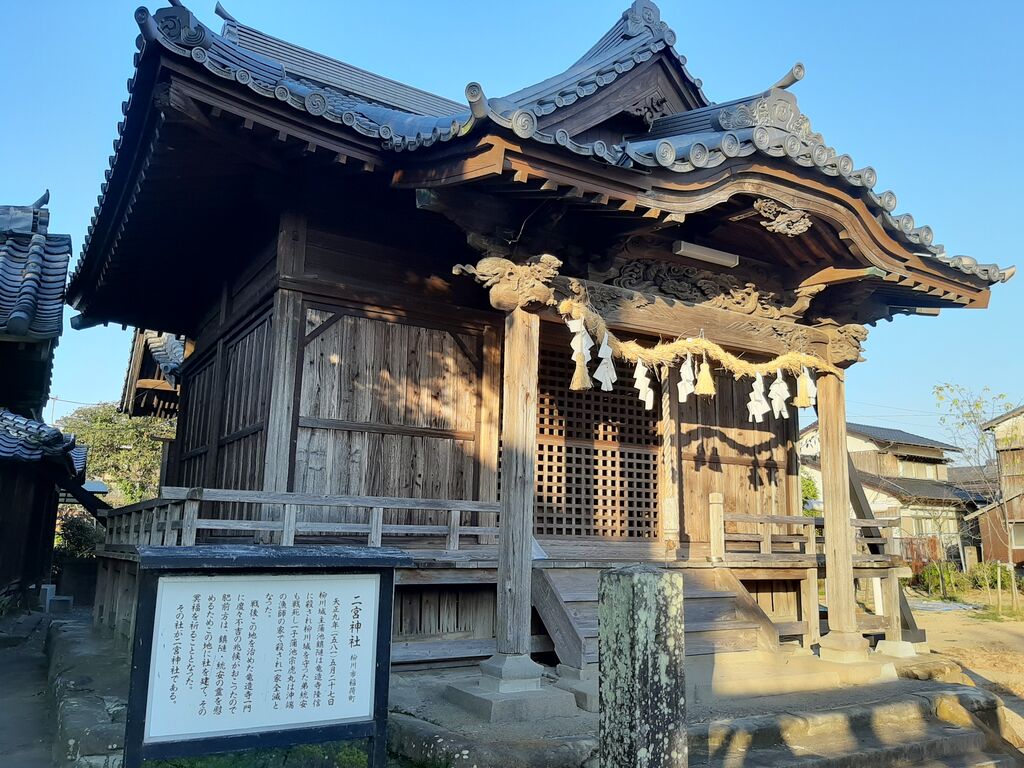
Ninomiya Shrine.
According to the signboard, in the Warring States period, in 1581, the Kamaike family, the lords of Yanagawa Castle at the time, were all killed by the Ryuuzouji clan.
Among them, the young heir was killed in a fisherman's house in Okihata.
Later, ominous signs continued to plague the Ryuuzouji clan, so to soothe their spirits, they built this shrine and paid their respects, and so on.
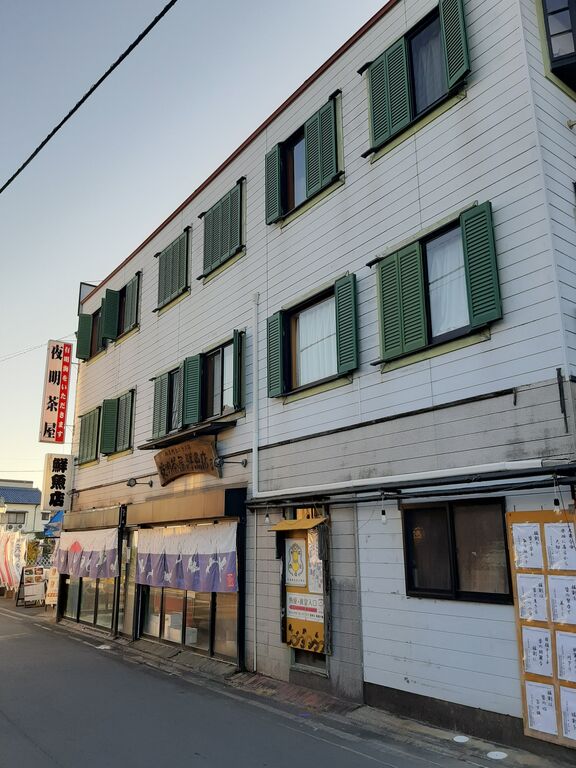
The Yoake Chaya is a shop where a fresh fish store and a dining room are combined.
You can enjoy the rare delicacies of the Ariake Sea.
Preparations for the evening seemed to be underway.
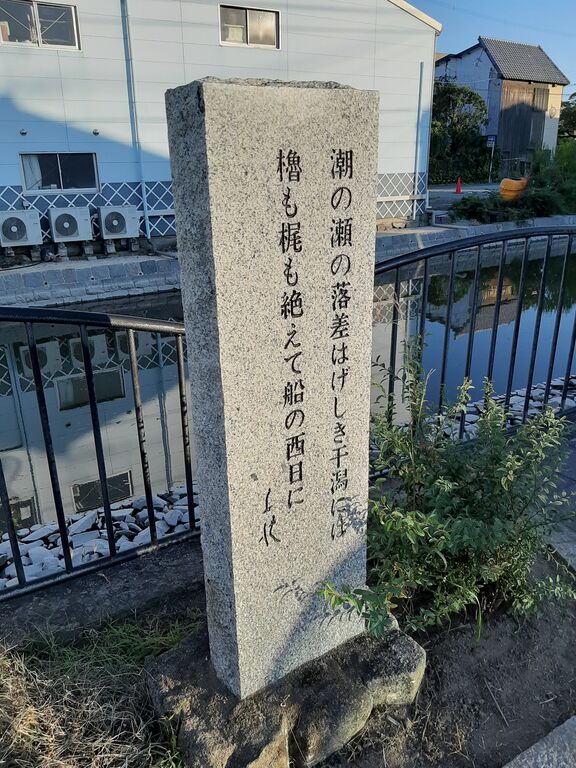
There's also a monument here.
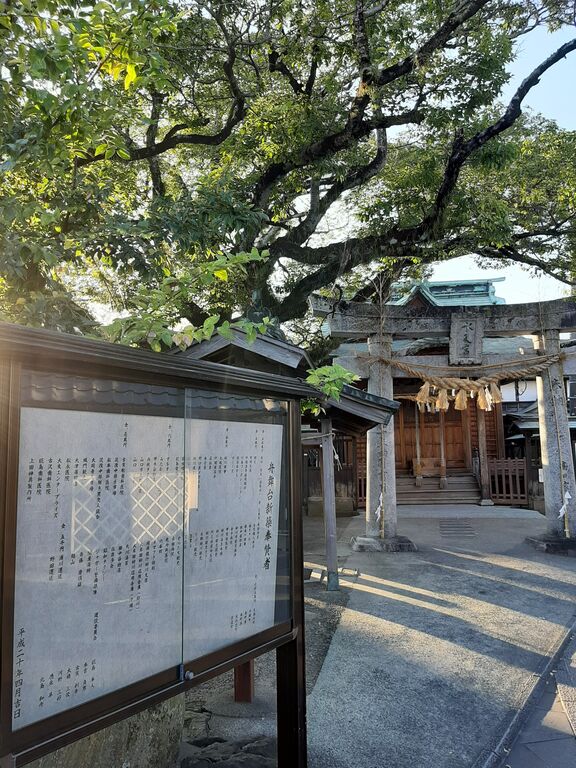
The Suitengu Shrine at the corner of Horiwari (canal) Street.
The bustling town, lively during the day, had now emptied.
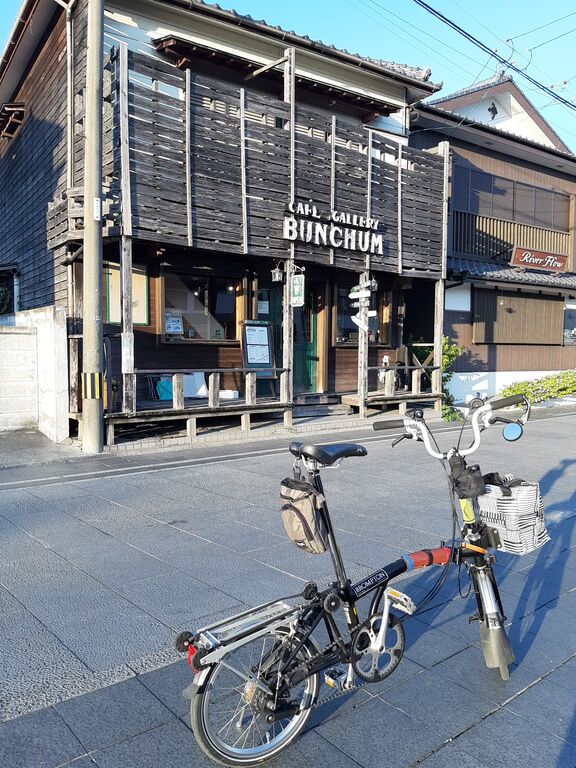
A delicious cup of coffee seems to be on offer, but perhaps next time.
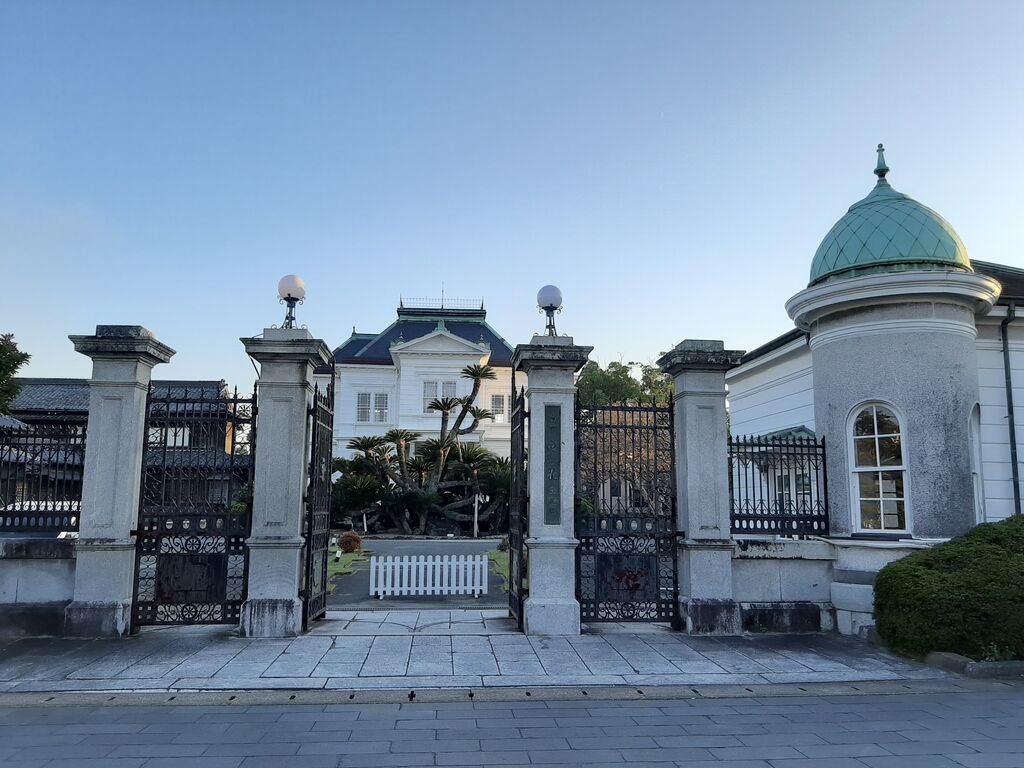
In front of Ohana, tourists from Europe gathered.
Every now and then, I caught snippets of French.
Is someone performing a final check on the boat mooring, as the day's work comes to an end?
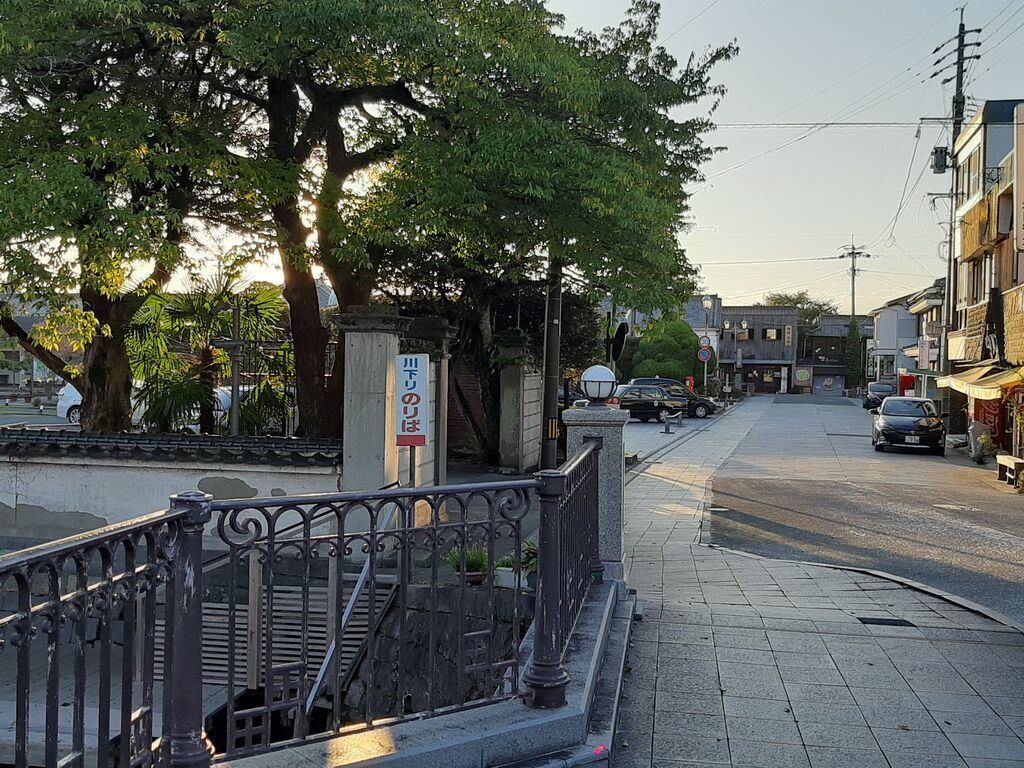
The sunset is drawing near.
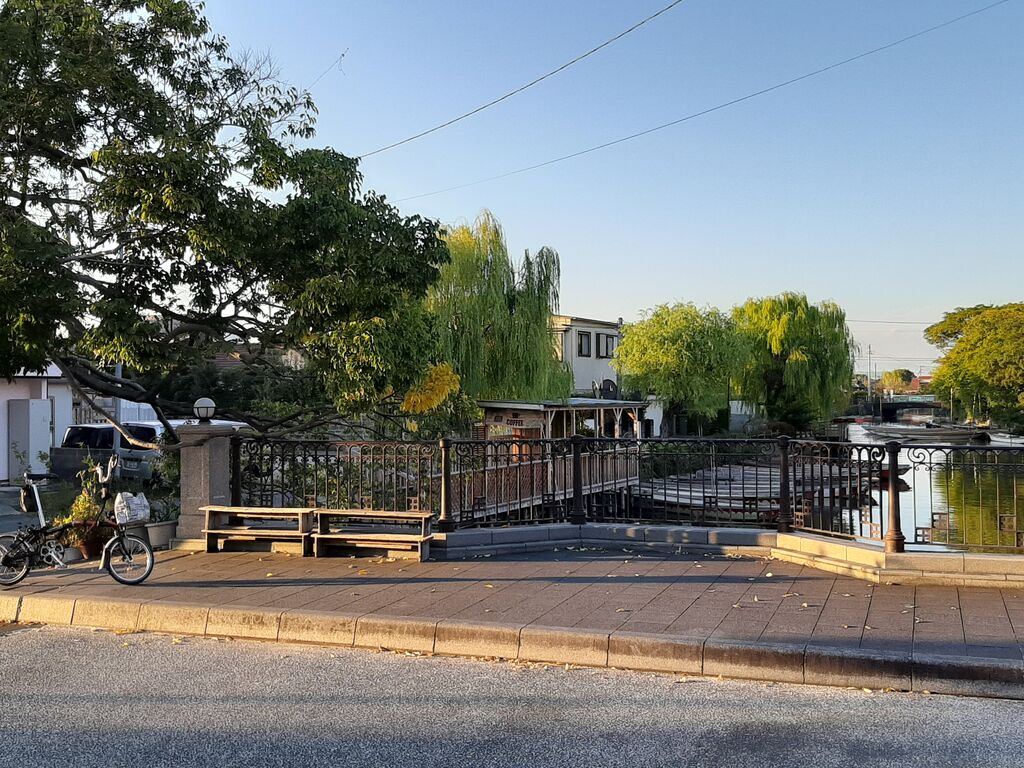
Yanagawa, the Water Land, I'll be back to potter around!


Comments
Post a Comment