A Casual Bike Ride: Exploring Tonda Reservoir, Toake Shrine, and Namikake Promenade
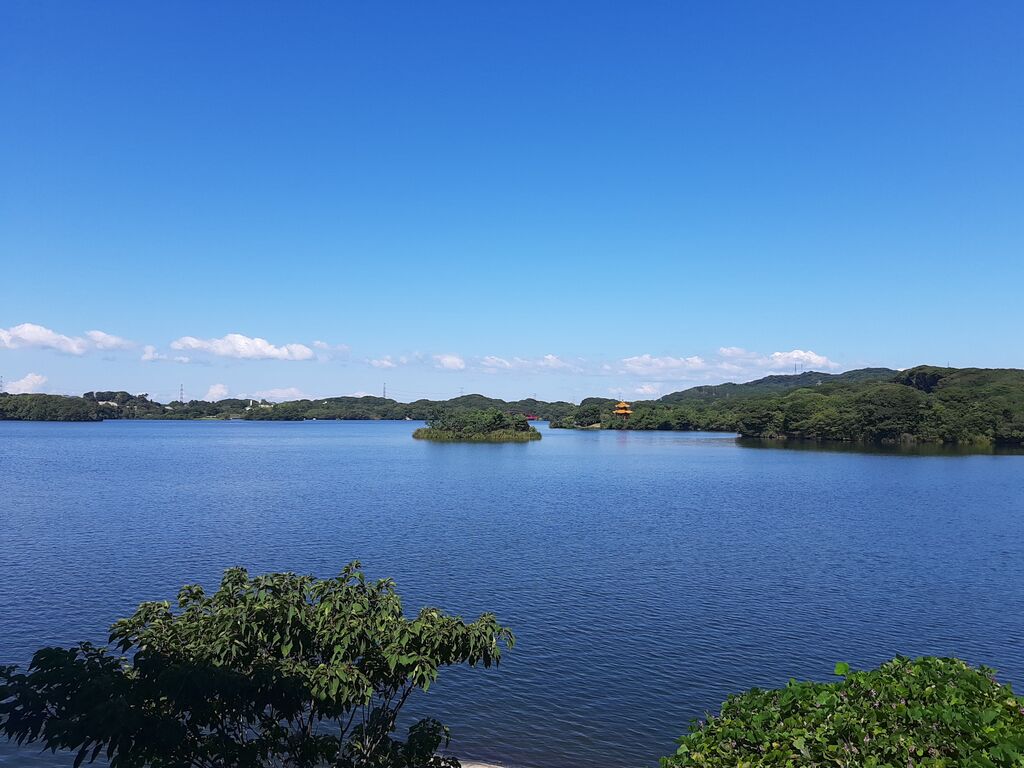
I tried a short ride recently, but it didn't quite hit the spot.
So, I decided to take on the classic route after a break: the Hibiki-nada Green Park, Tonda Reservoir and the cycling path around it, and Namikake Promenade.
I parked my car at the reservoir's west side parking lot and hopped on my trusty Brompton, "Pota-kichi."
However, to my disappointment, the usual outer loop was closed.
The inner route was family-friendly, with several attractions along the way.

I spotted a Chinese-style gazebo, the Dai-Hoku-Tei Pavilion, beautifully reflecting in the water.
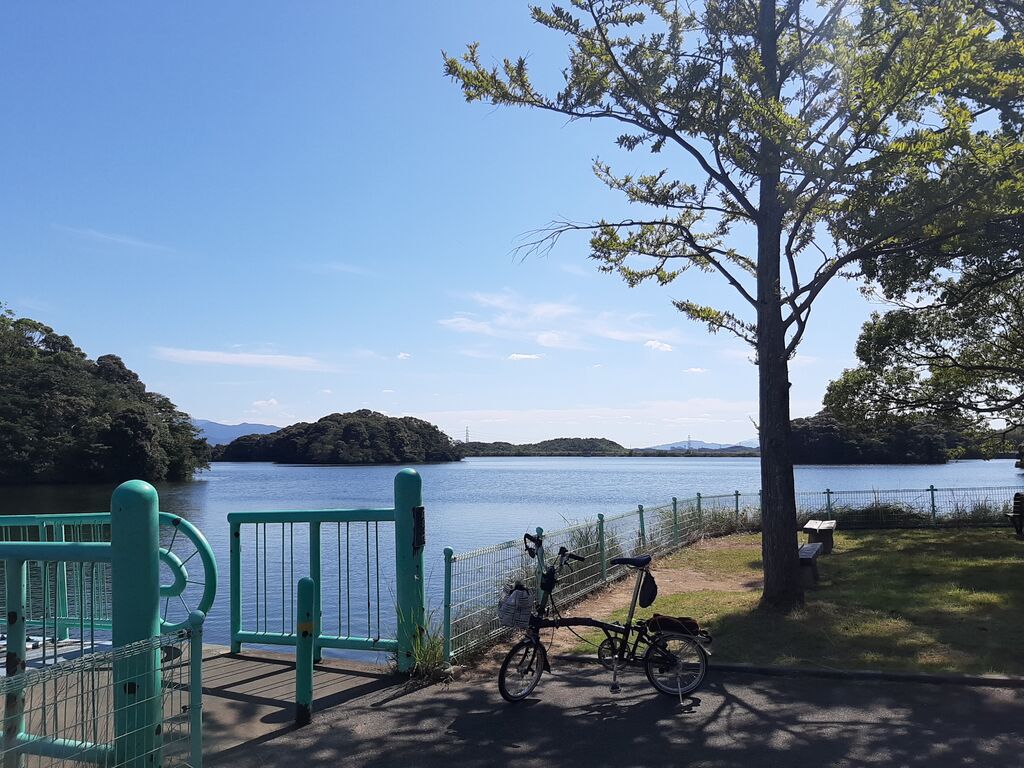
There was even a floating bridge!
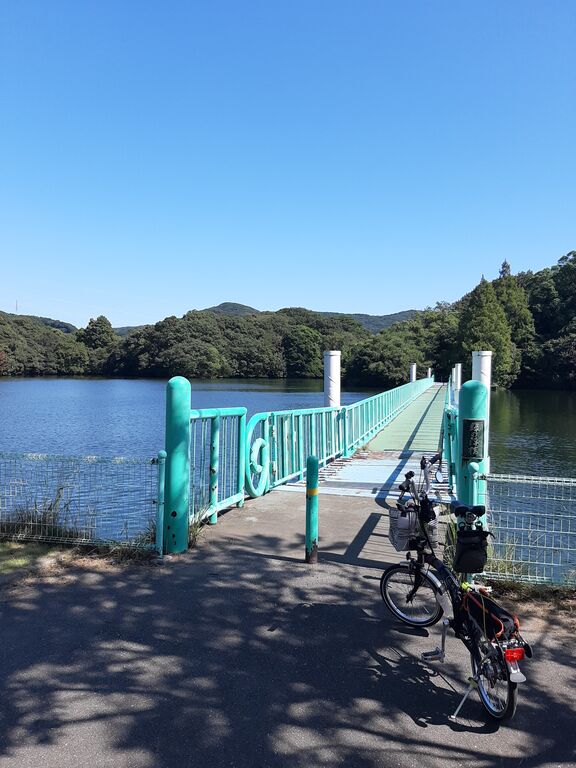
Heading towards the Dai-Hoku-Tei Pavilion, I took a detour from the cycling road, crossed a small bridge, and climbed a hill.
That's where I stumbled upon the Wu Changshe statue and the Dai-Hoku-Tei Pavilion.
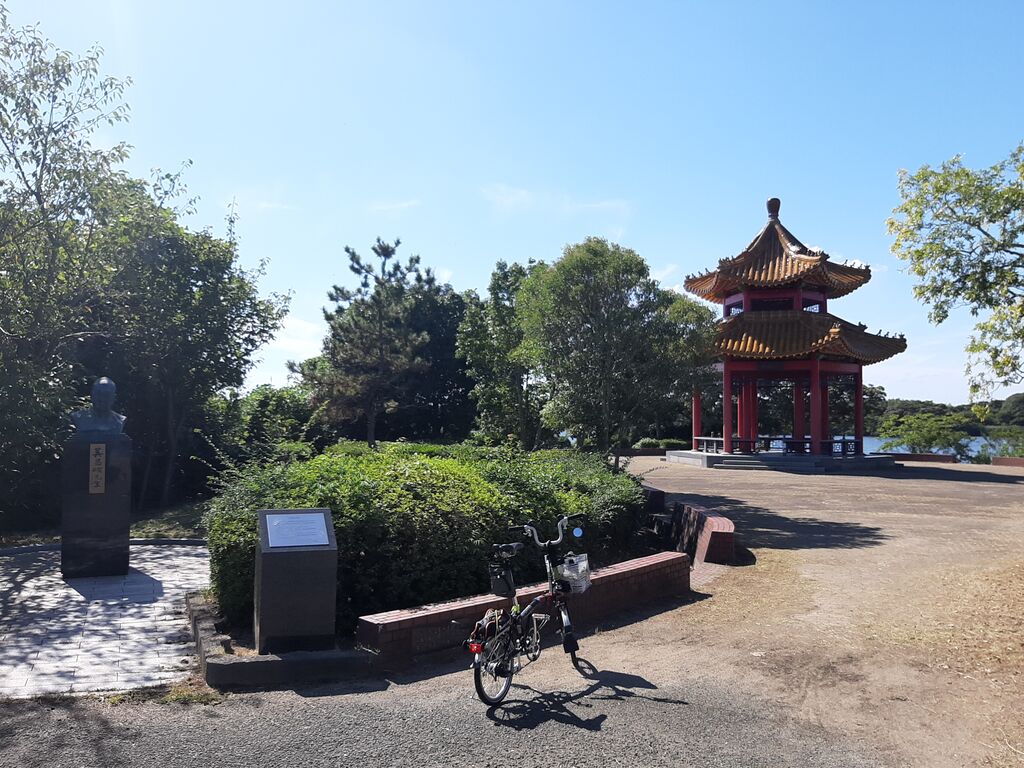
According to the information board, these were gifts from Dalian, China, a sister city of Kitakyushu.
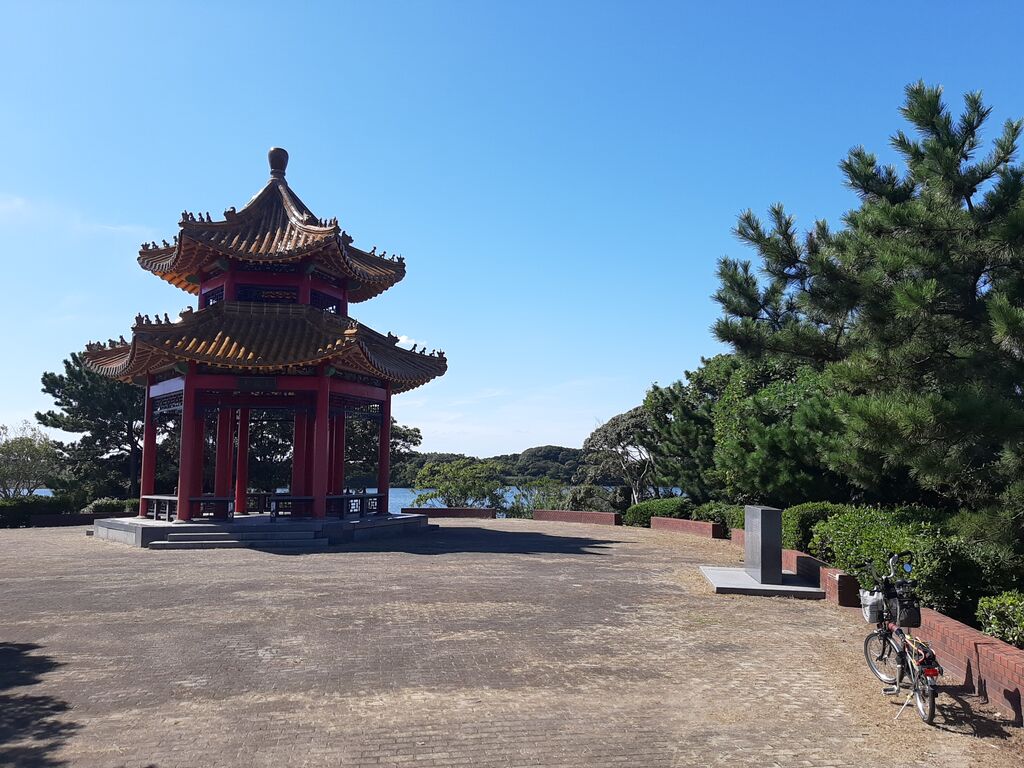
As a couple on a tandem bike passed by, I decided to head back to the original cycling road.
I discovered a shrine I had always missed while cycling.
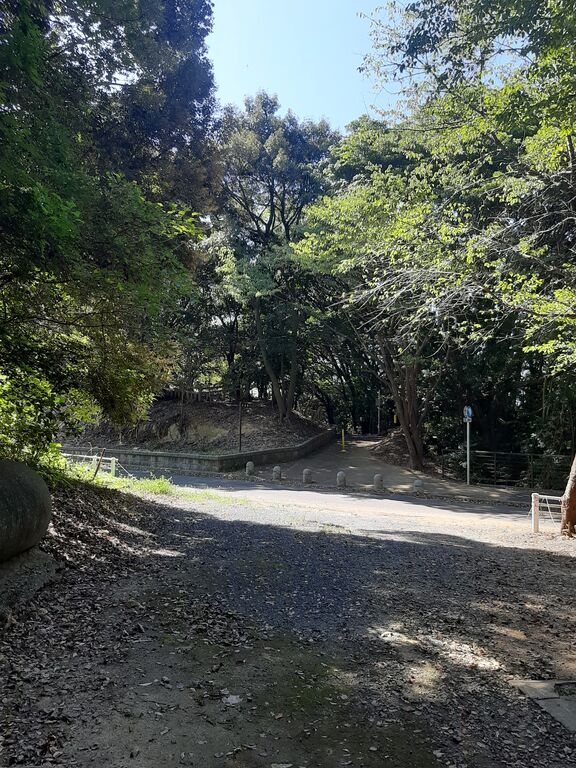
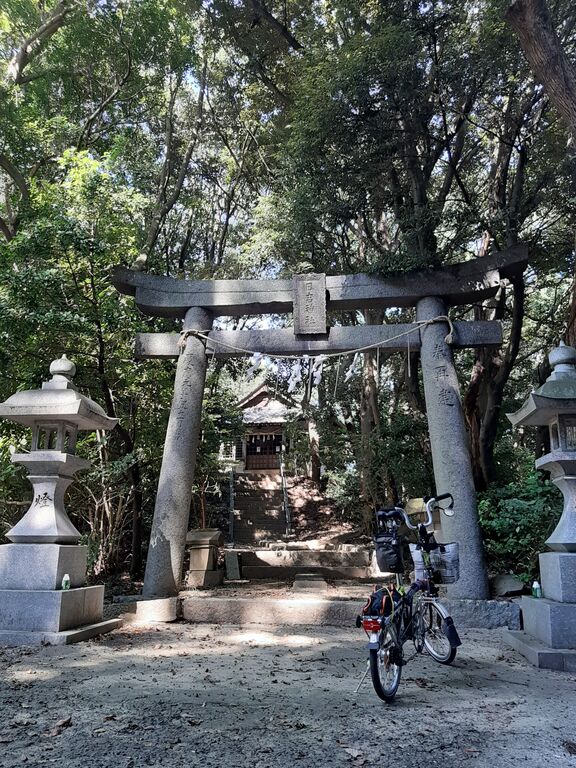
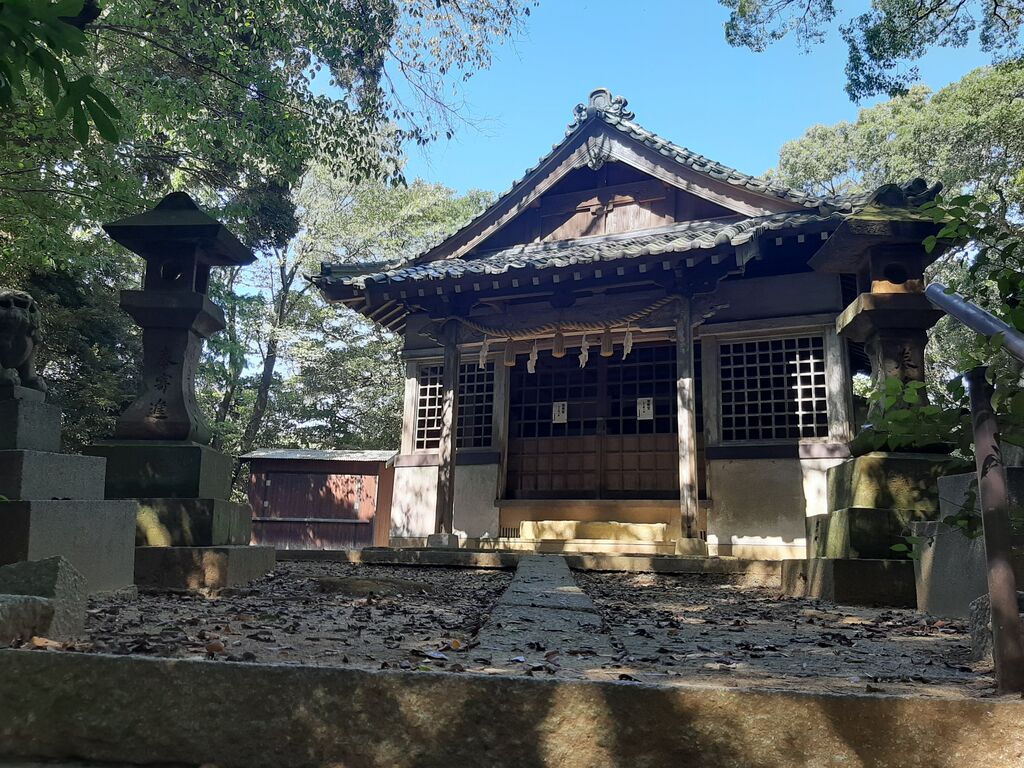
It was the Hiyoshi Shrine, and it was well-maintained, despite a few fallen leaves.
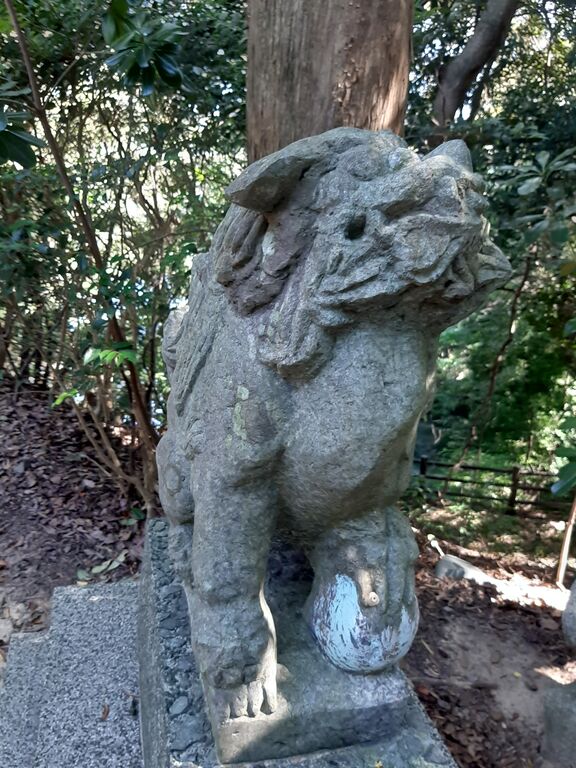
The guardian lion statues there seemed to be enjoying the sky-blue ball.

After a sweeping turn down a hill and merging with the outer loop road, I continued along the prefectural road and arrived at the park.
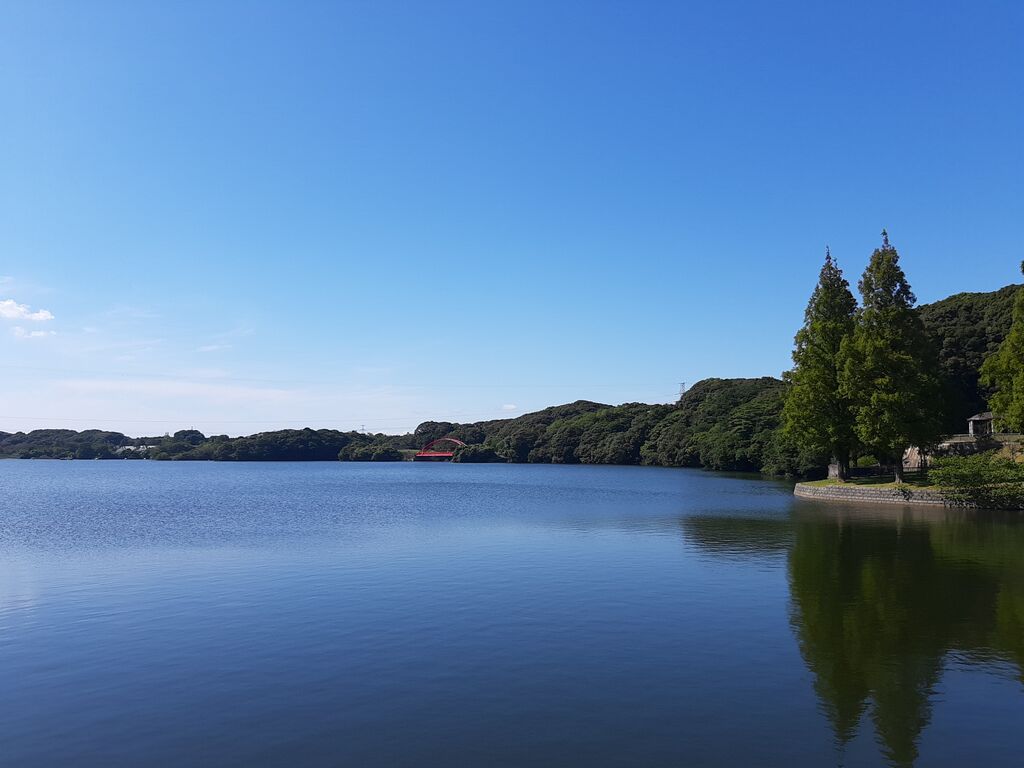
There was a slight uphill ahead, leading to a red suspension bridge, but it was blocked due to a collapse incident.
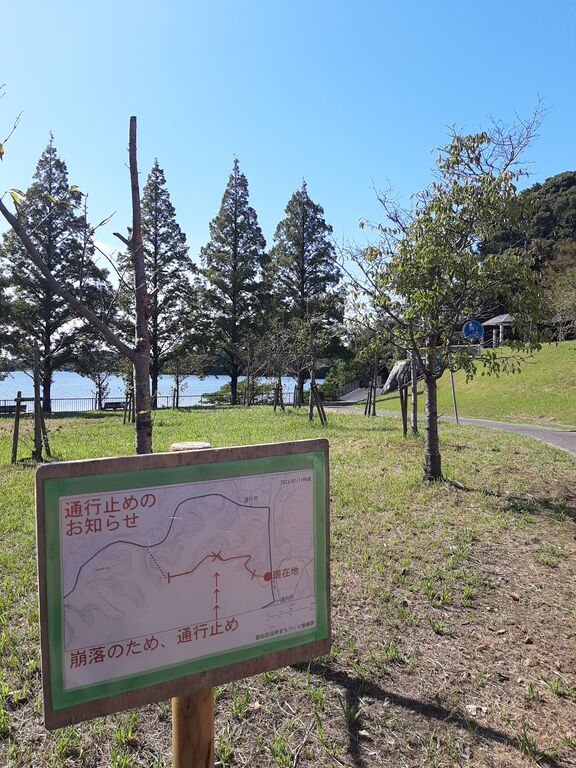
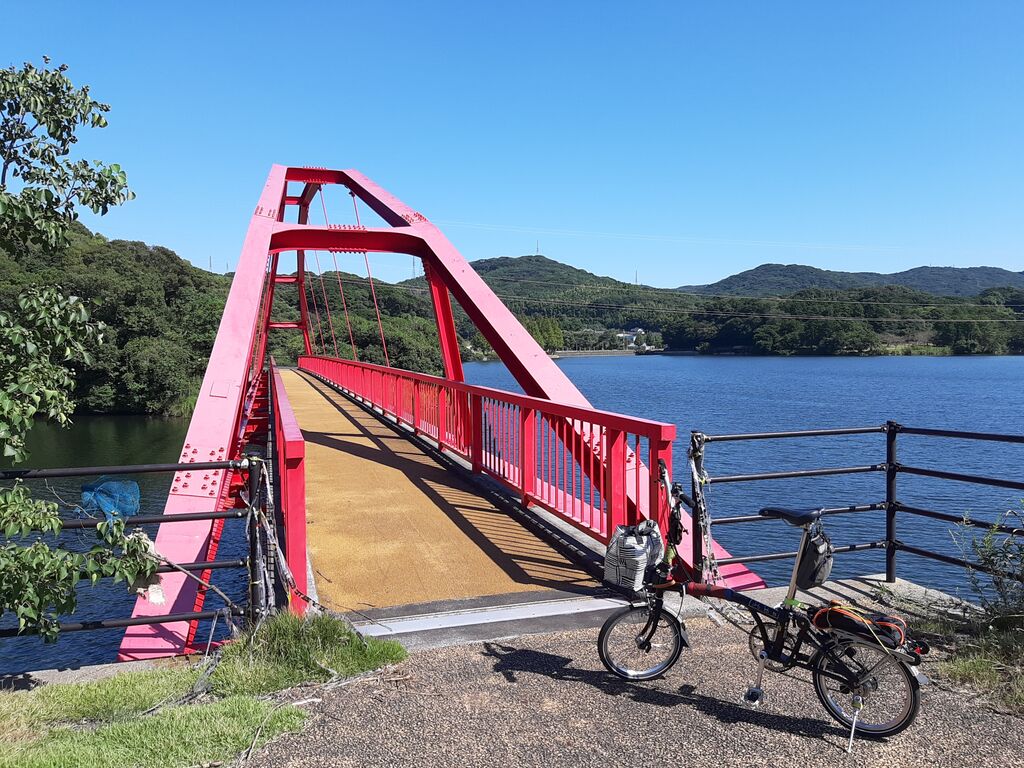
I followed a temporary cycling road along the prefectural road to reach the suspension bridge.
It seemed the black and yellow tape blocking it had been removed.
I returned to the original path and decided to check out the "Genkai Youth House," a place I'd never stopped at before.
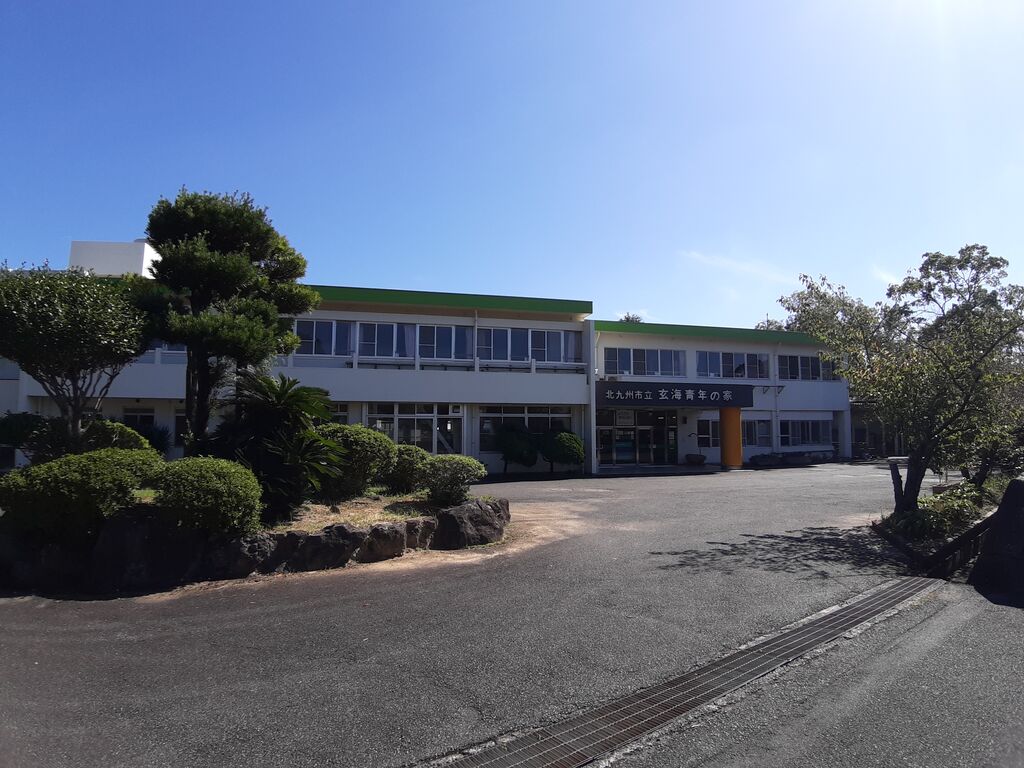
Apparently, it's used for adult education programs, although I remember seeing firefighters training there by the boat pond.
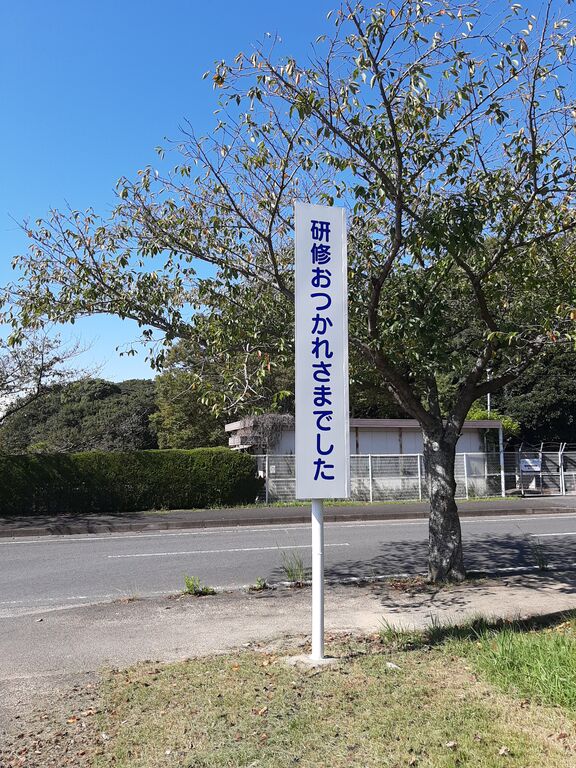
The presence of a "Good job!" sign was quite uplifting.
At Hibikinada Green Park, there seemed to be an event going on, with many people gathered.
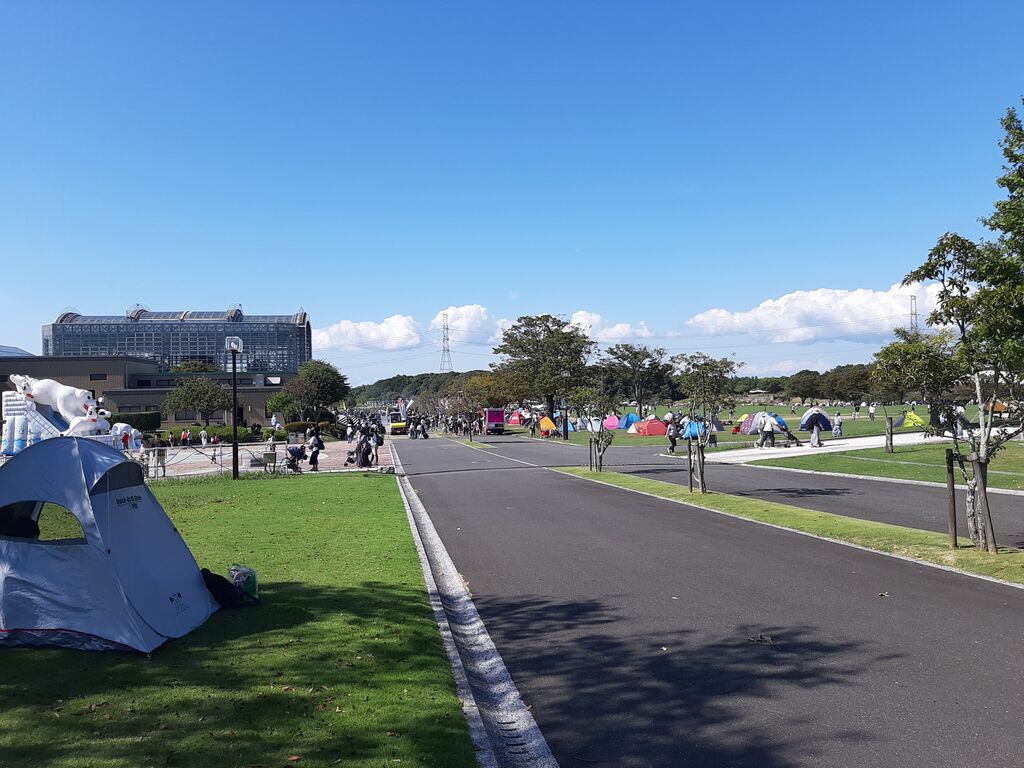
I could hear children's excited voices as they pedalled and rotated screws on some contraption.
It looked like water bikes of some sort.
It looked like water bikes of some sort.
I sat on a bench, munching on the apple I'd brought, feeling a bit unsatisfied for not completing the outer route.
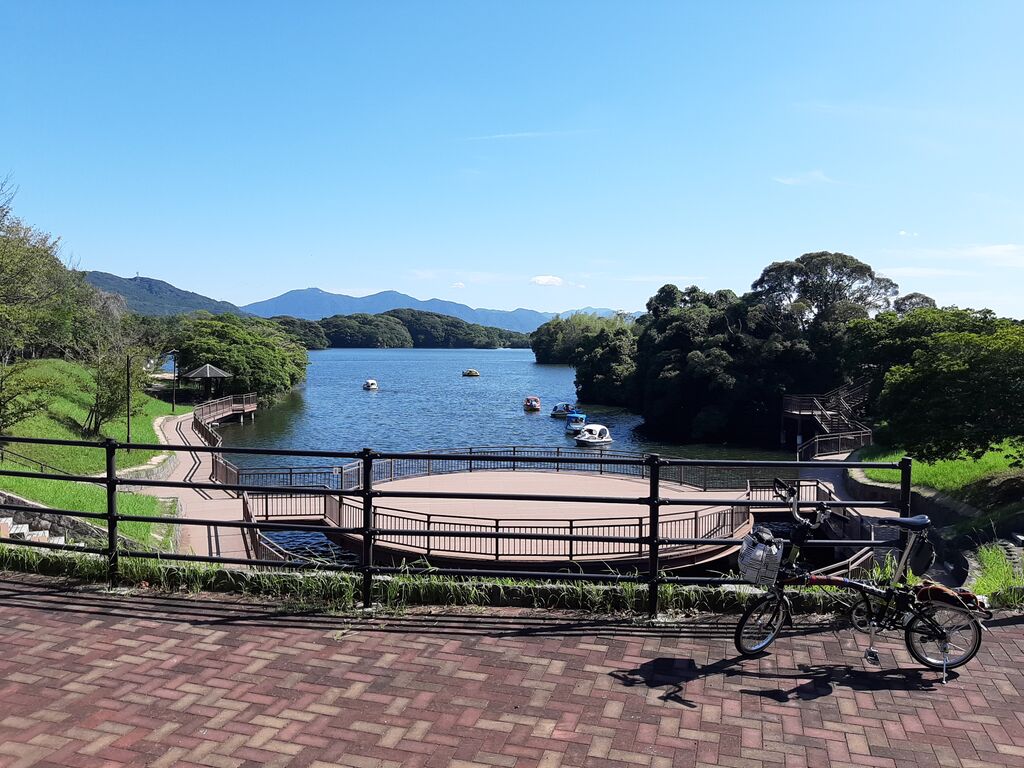
However, as I cycled along the straight path back to the parking lot, I spotted a flock of swans on the water's surface.
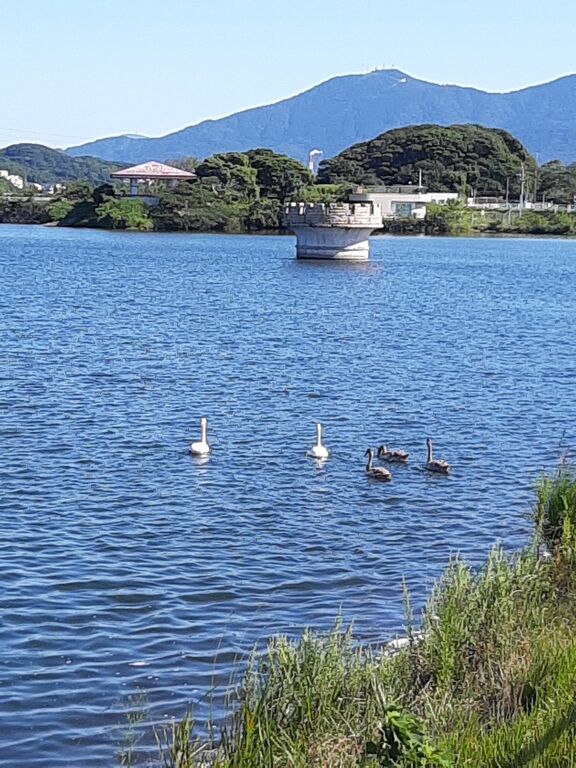
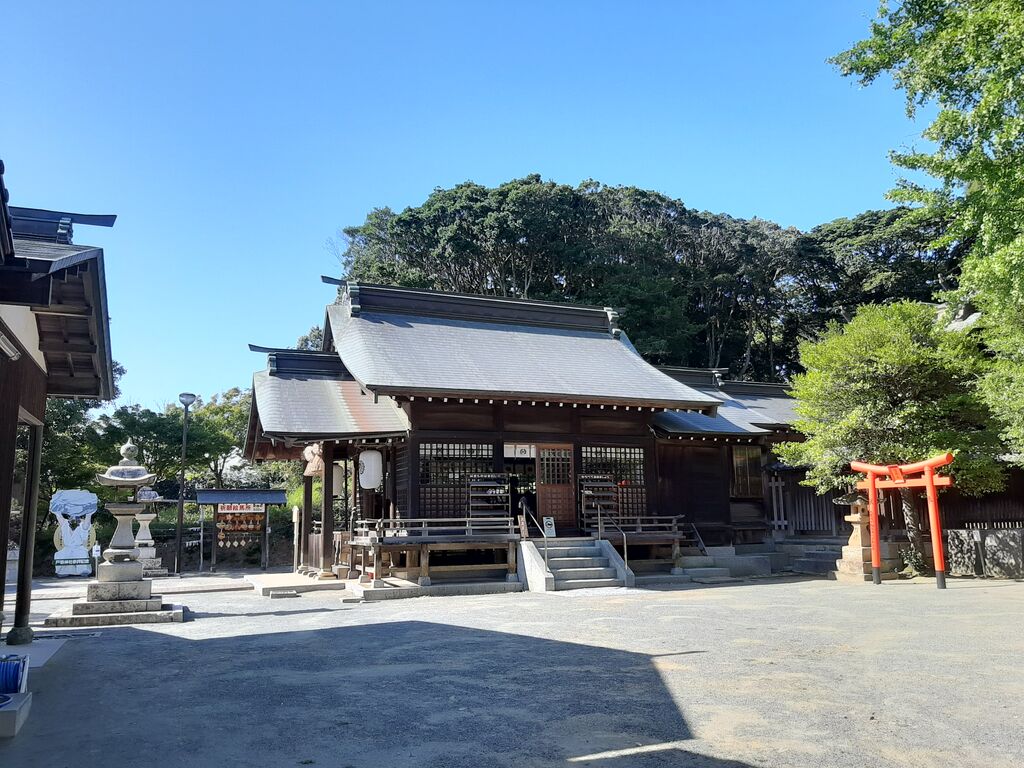
Without a set destination in mind, I continued to cycle aimlessly and eventually arrived at the Toake Shrine.
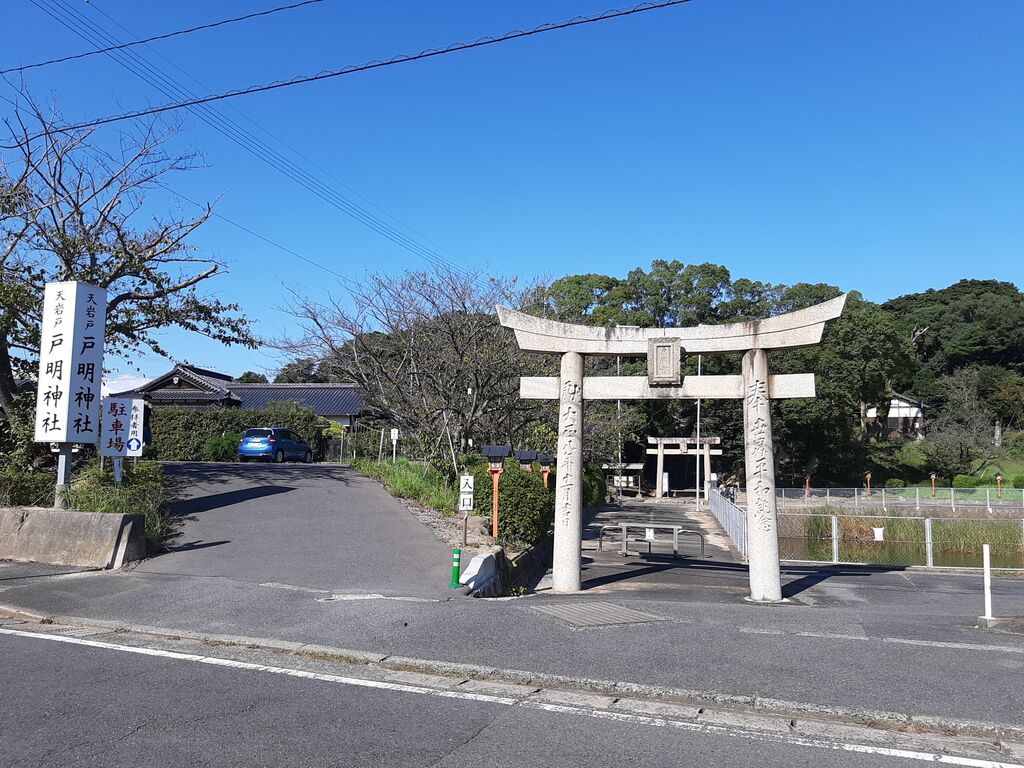
It felt like a good place to recharge, with an inspiring atmosphere.
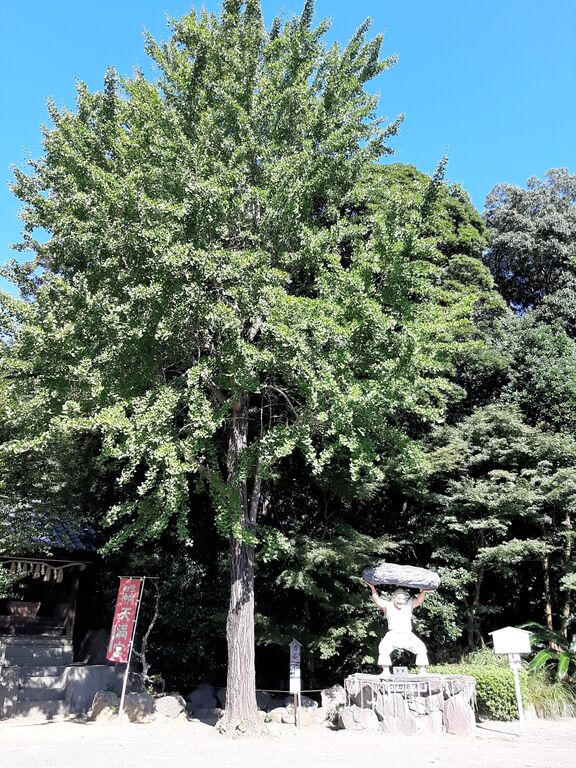
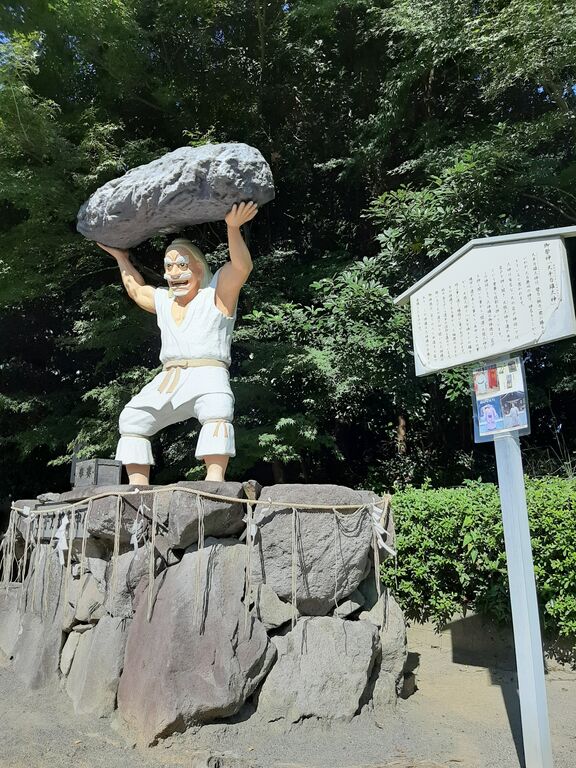
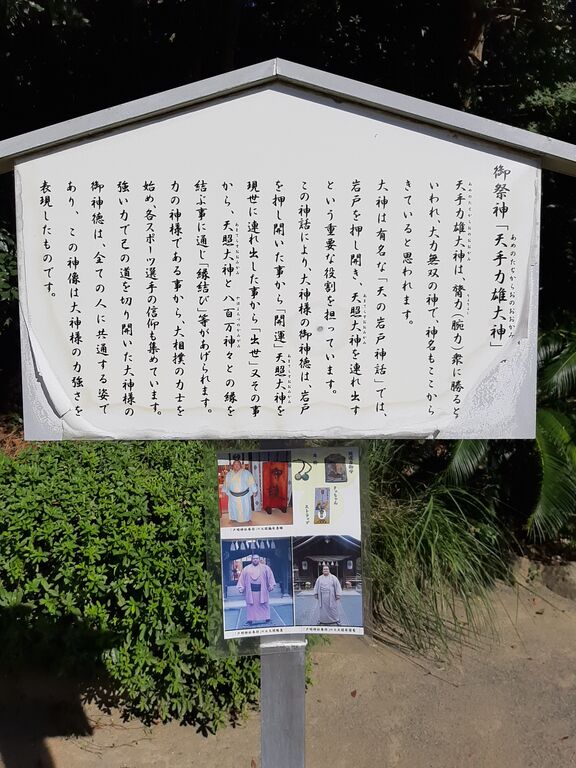
There were some peculiar things around, like the Taji-kara-o shrine, known for its legend of opening the heavenly rock door.
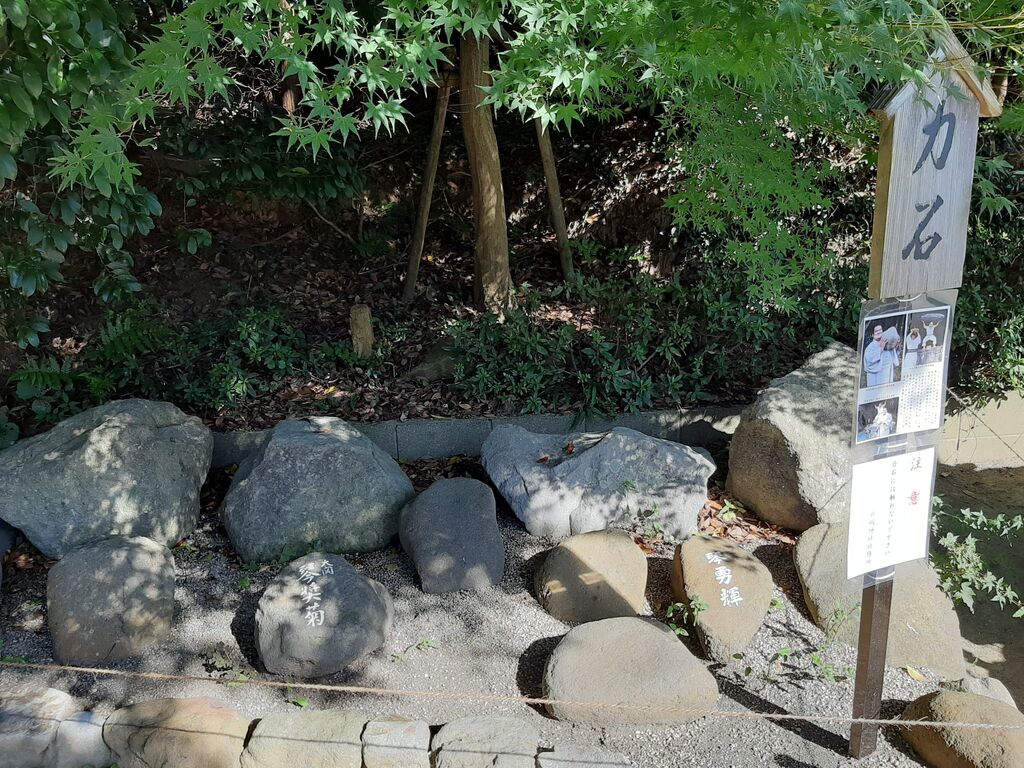
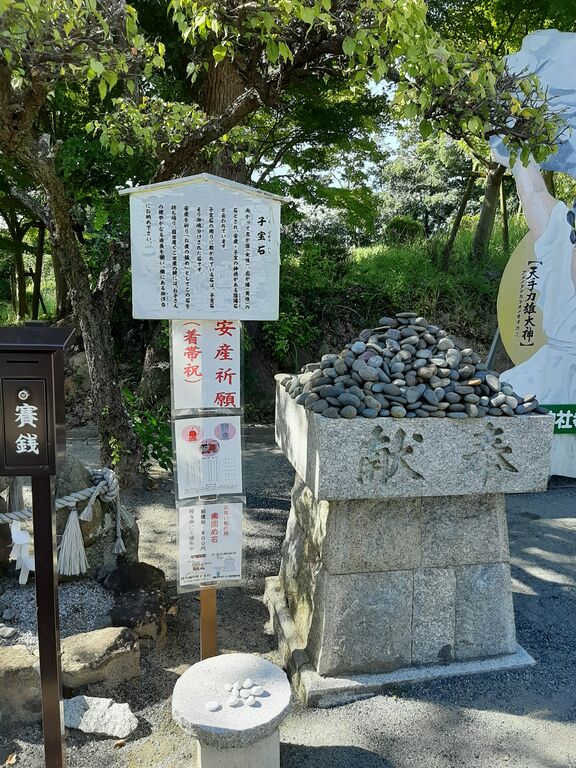
Some aspects of the shrine were quite unusual.
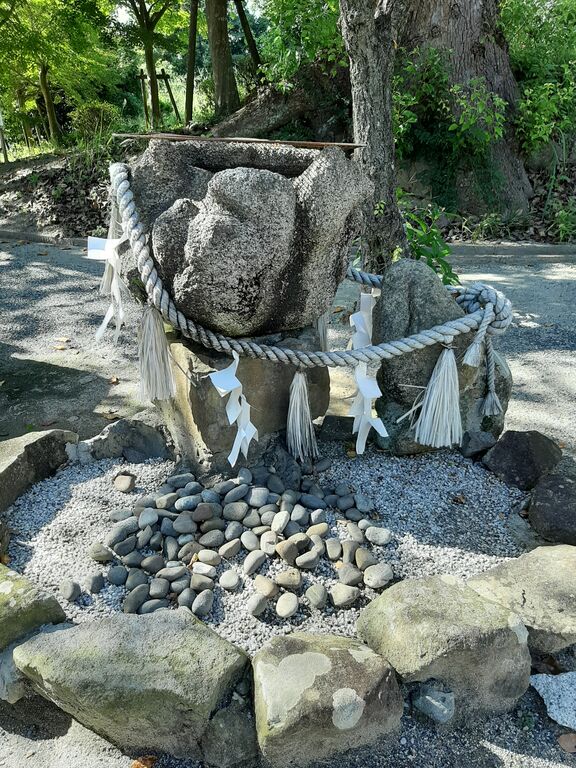
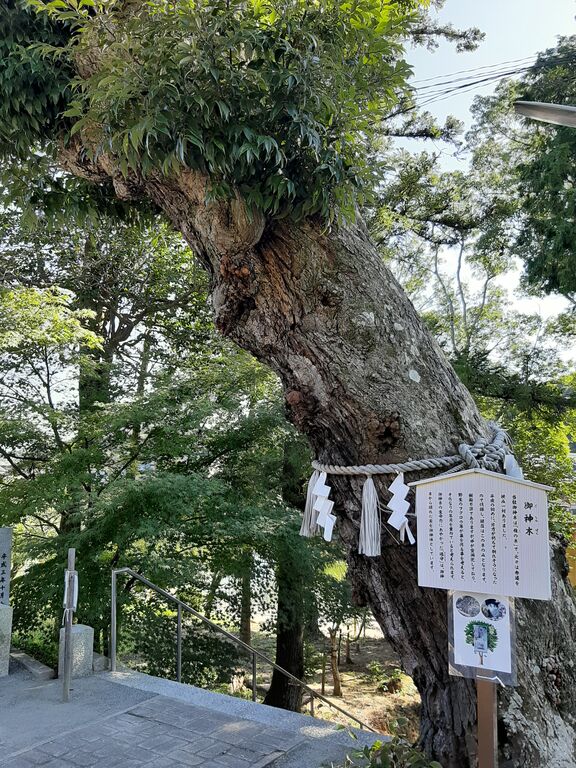
Feeling the sea breeze, I became intrigued by the rocky coastal cycling path.
I decided to park my car at the Kario Relay Station and enjoy a leisurely ride.
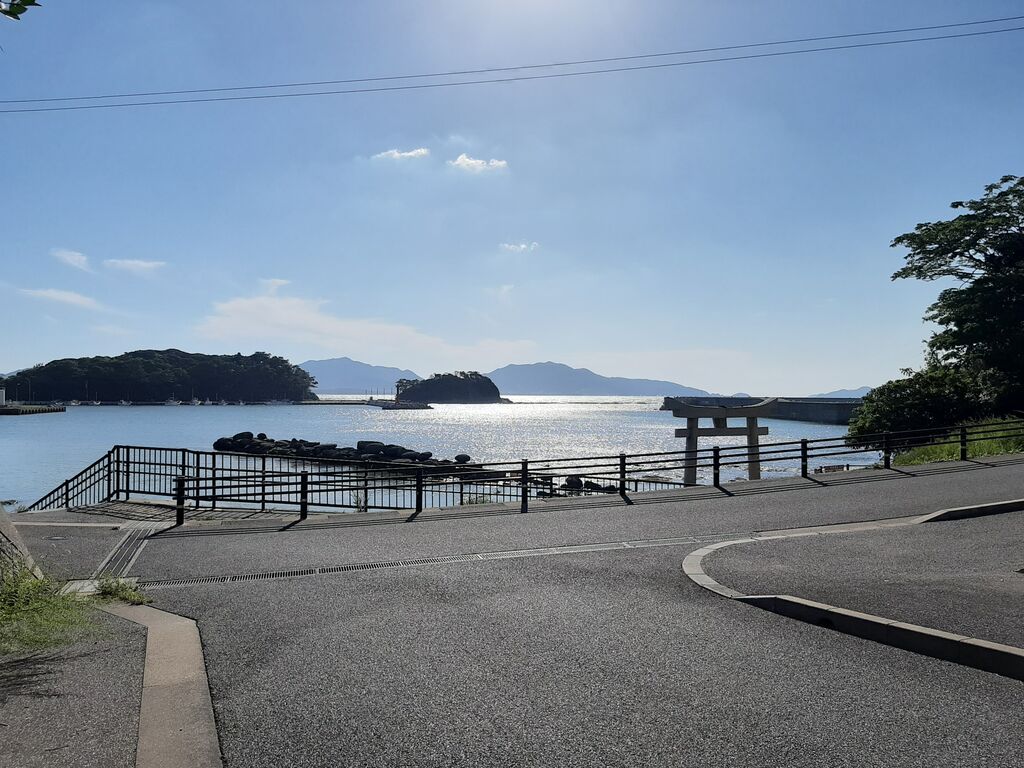
In the middle of the sea, there stood a stone torii gate. In the past, there was a local shrine called Kario Shrine in the nearby mountains.
However, only remnants like wide stone steps, building foundations, and broken stone lanterns remain today.
A scenic walking trail leads from the shrine site to Kario Cape.
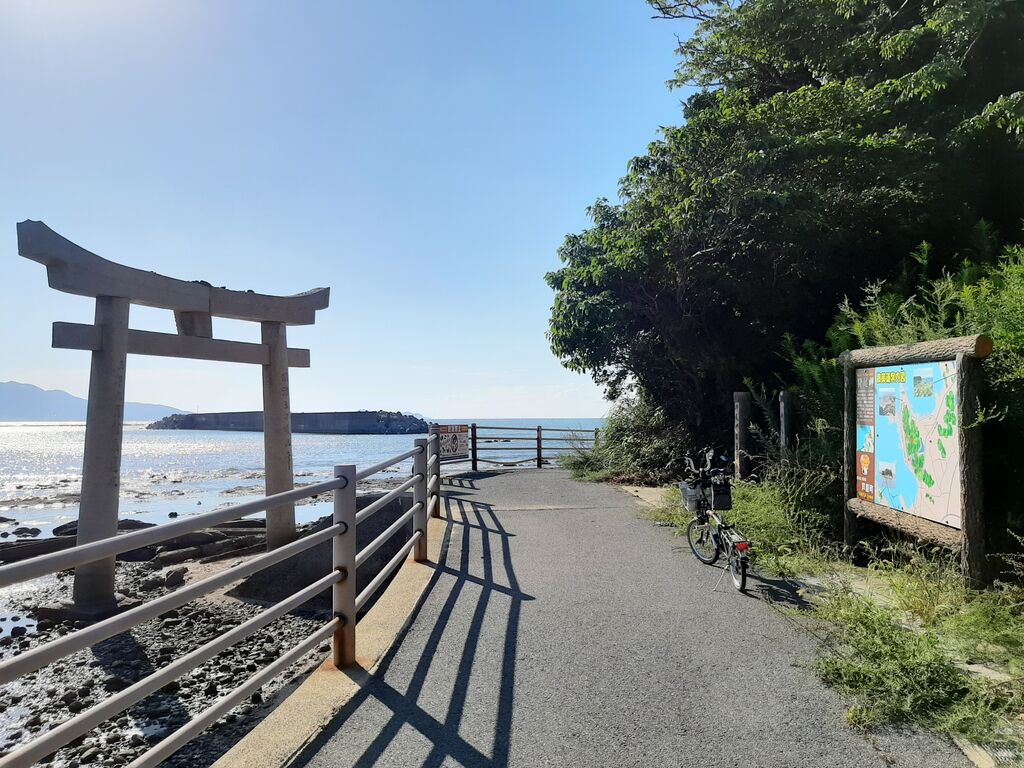
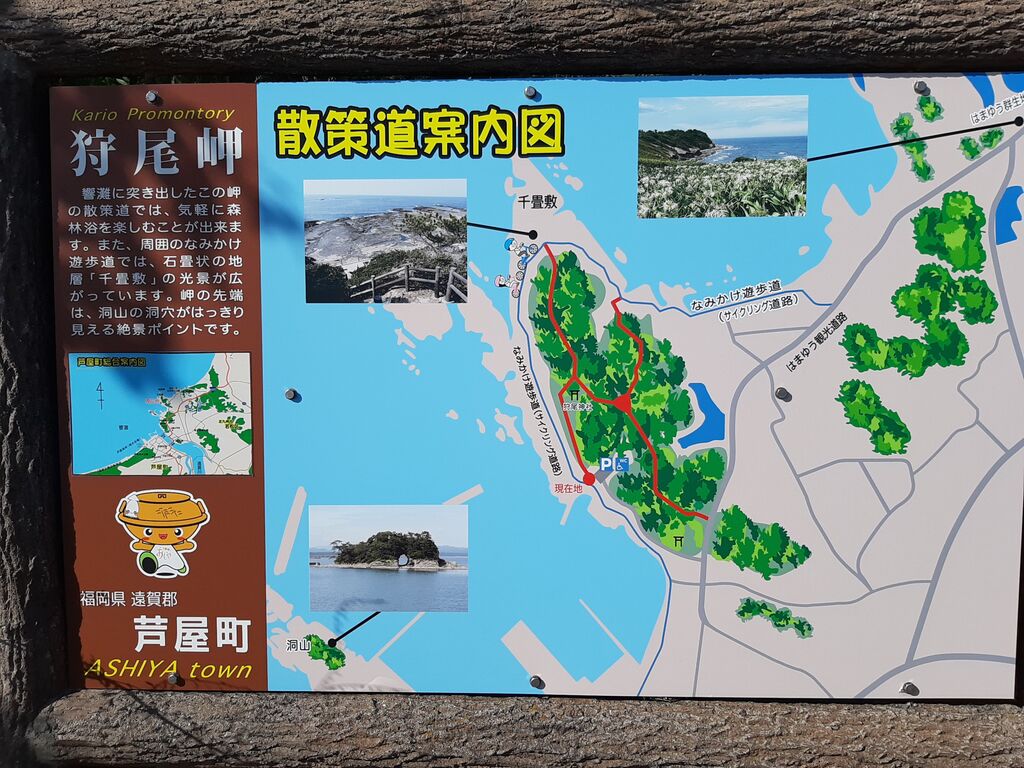
Stretching for about 3 kilometres from the right bank of the Namikake Ohashi bridge at the Onga River mouth's eastern foothills, there's a dedicated cycling path known as the "Namikake Promenade."
"The mist rises on the sunny side, and the water stem's mound creates waves in the harbour." – From the Manyoshu, Book Seven, (1231)
This path is aptly named, considering the poetic descriptions of waves from ancient times.
The wind blowing over Genkai and Hibiki-nada was a pleasant surprise for someone who had spent most of their life in Kansai and the Yamato Basin.
On windy days, the power lines would sing...
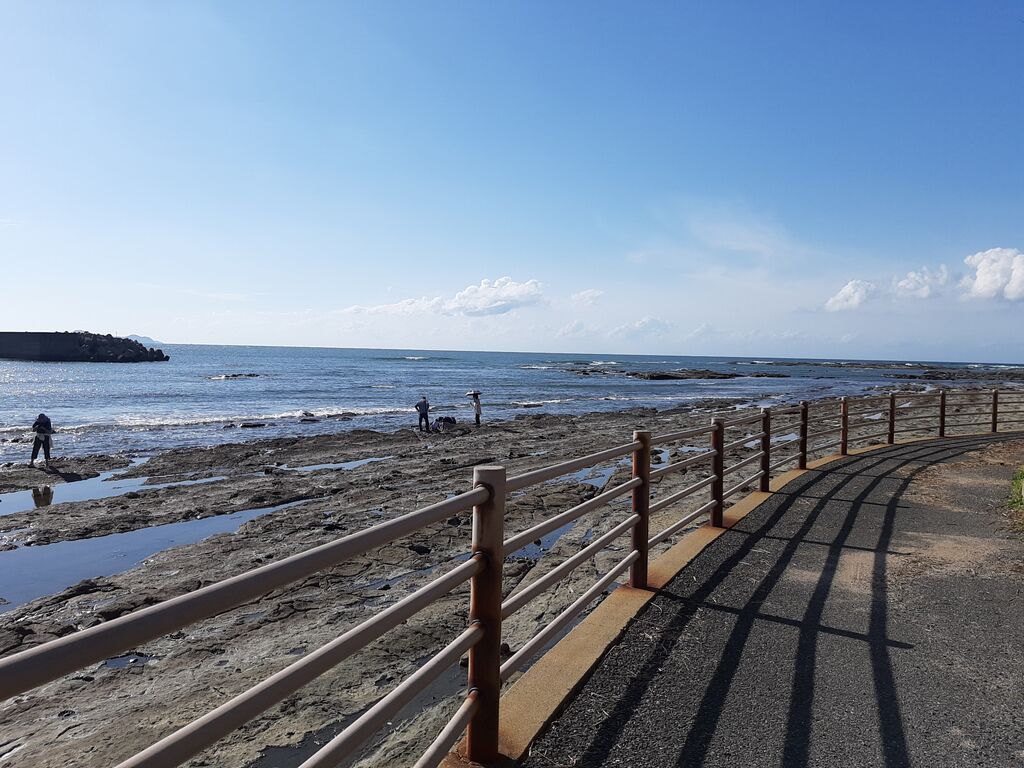
During low tide, the rocky reefs known as Kario Senjojiki become visible.
I wonder if someone was collecting something by the shore.
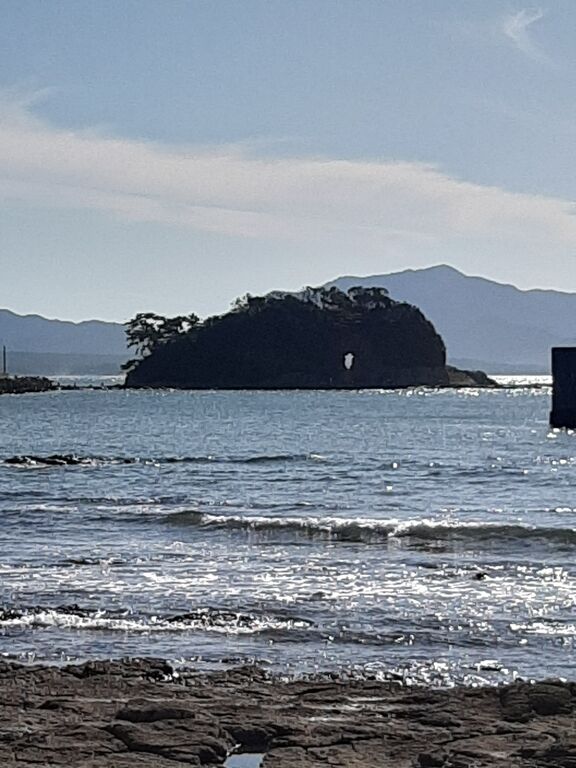
There's a small island with an opening called Doh-Yama.
It's famous for a legend involving Empress Jingū's test of her luck.
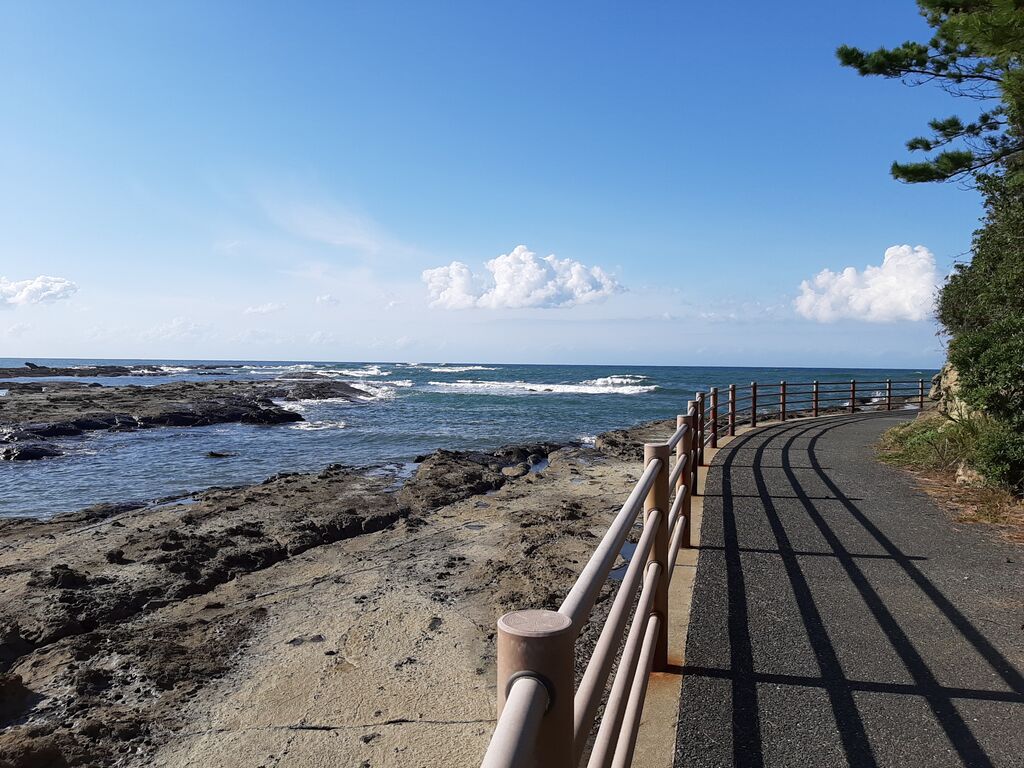
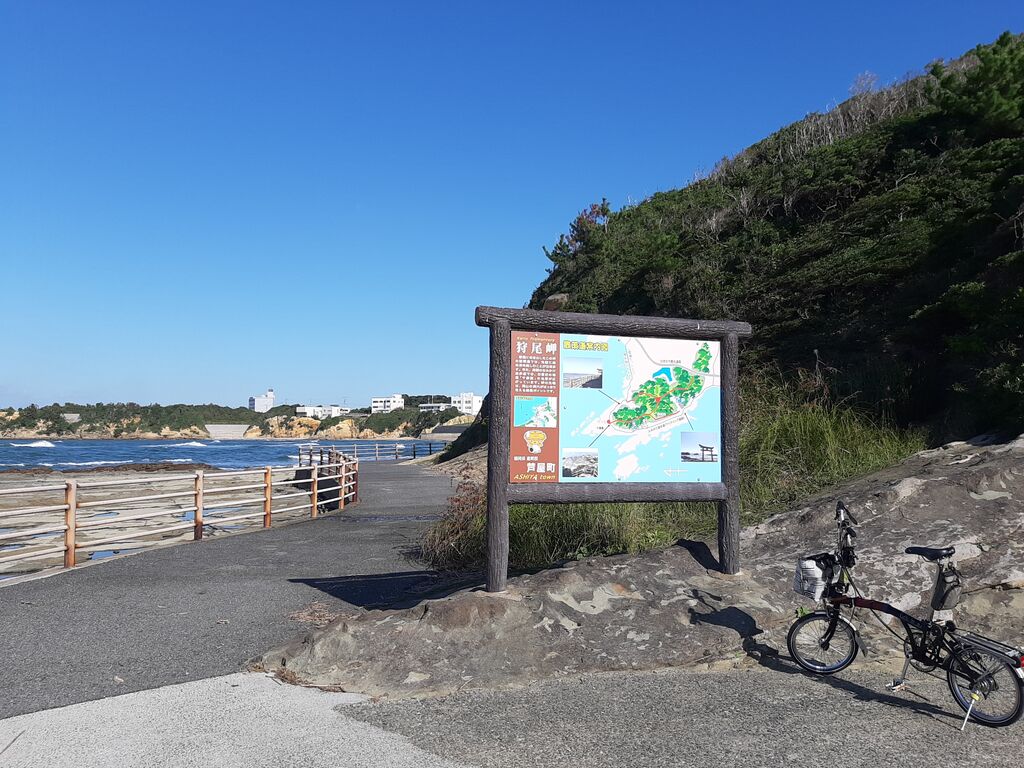
At the tip of the cape, the road ahead looked a bit challenging. It might be best to avoid it on windy days.
While tetrapods lined the path, shielding against direct waves, be prepared to get splashed by the spray.
But does the Namikake (splashing waves) Promenade have to be so faithful to its name? Probably not...
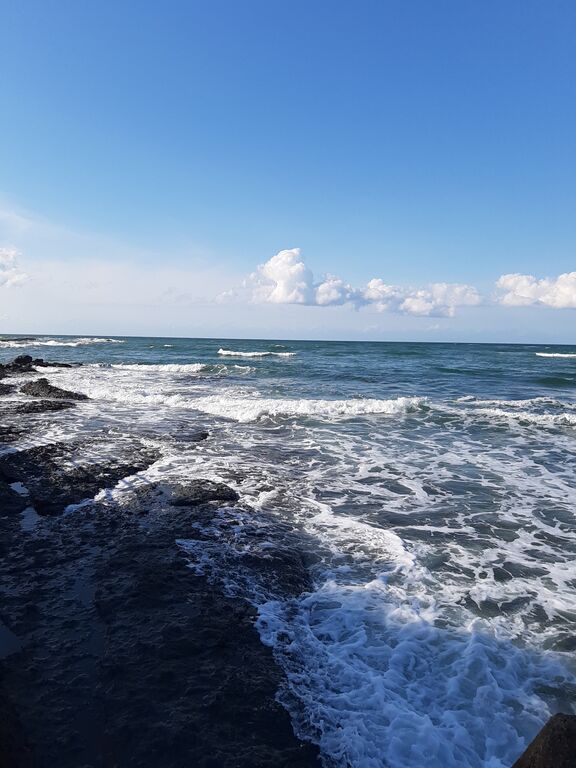
After conquering the tough spots and climbing the last steep hill, I reached Toto Market.
Here, you'll find a seafood market, dining spots, and a specialty coffee shop.
Here, you'll find a seafood market, dining spots, and a specialty coffee shop.
Taking a breather here is definitely a good idea.
It's been a while since I revisited the Manyoshu (Collection of Ten Thousand Leaves), but I couldn't help but recall the verses I had marked from my time living in Nara.
From the poetry gatherings in Daizaifu to the numerous poems recited during diplomatic missions to the continent and the Korean Peninsula, there's a world of discovery awaiting these autumn nights when you flip through the pages.


Comments
Post a Comment