Shiranoe Botanical Garden - Exploring Kitakyushu Local
When I arrived at the initial destination, Shiranoe Botanical Garden, it was already well past 2:30 PM.
The parking lot was only available until 5:00 PM, which posed a bit of a challenge for the pottering to the next end.
A large number of tourists disembarked from the tour bus, seemingly visitors from Korea.
Even for us locals who live nearby, this is a place we rarely visit, and it doesn't seem like a typical tourist spot.
So, why are people coming here? Where are they getting the information from?
I haven't fully recovered from the previous ups and downs of Takatou-yama yet, so let's take a break before exploring.
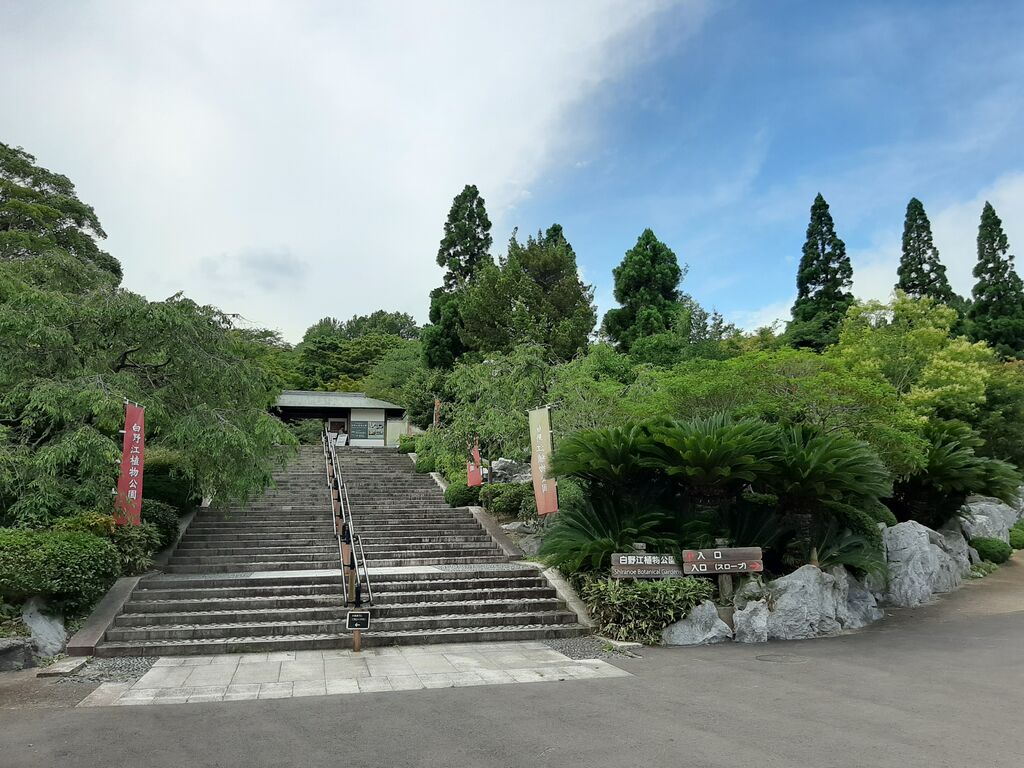
At the entrance, a staff member asked me if I were a resident of Kitakyushu City or Fukuoka City.
Replied, "I live right in the middle of nowhere, in Onga District."
"Well, then you'll need to pay the entrance fee..." she said.
Although it was obvious that I was far over 65 years old, I wasn't eligible for any discounts, so paid the normal entrance fee in full amount and received a pamphlet.
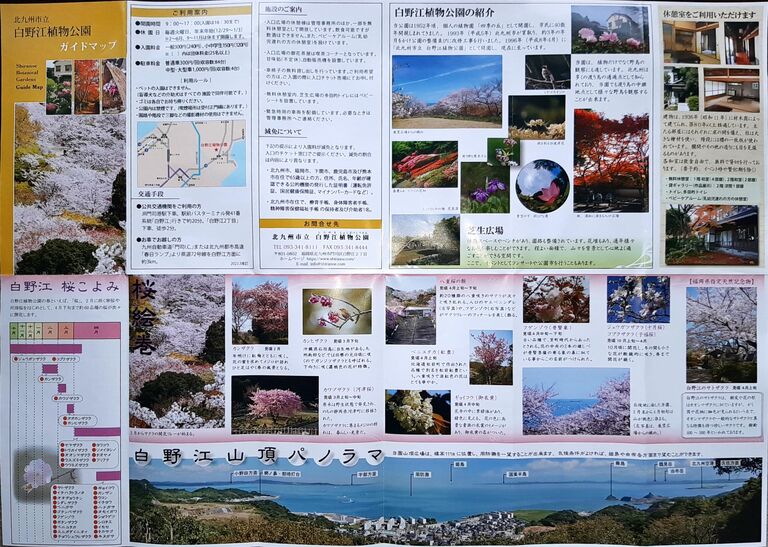
They kindly provided me with a detailed introduction to the garden.
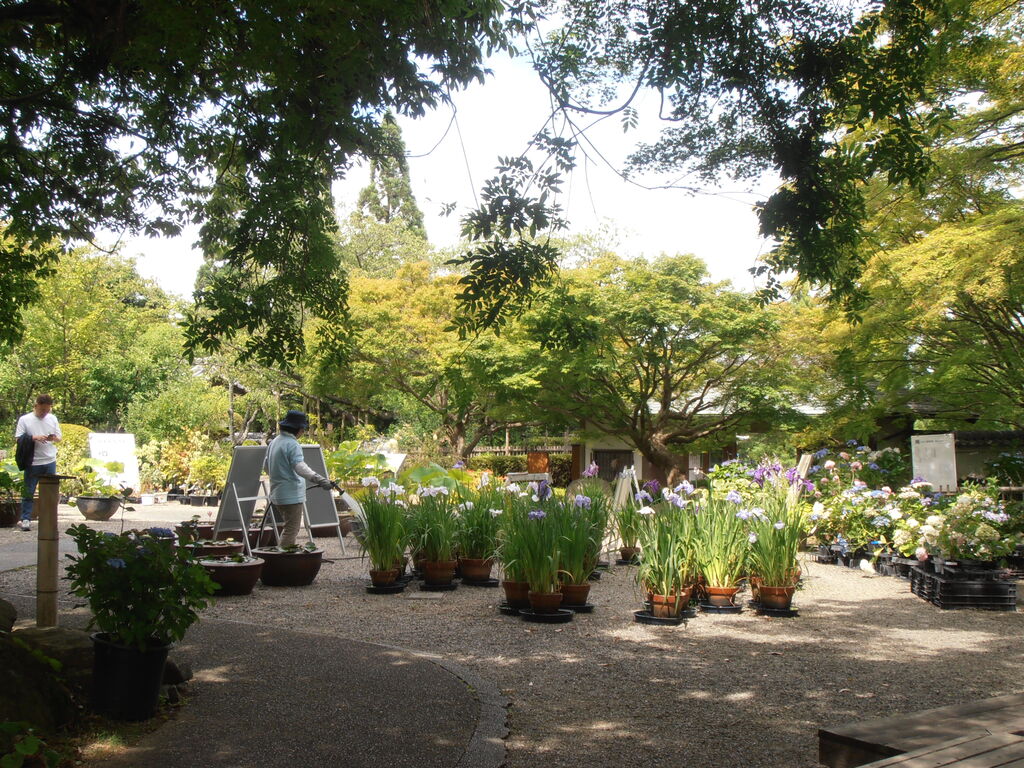
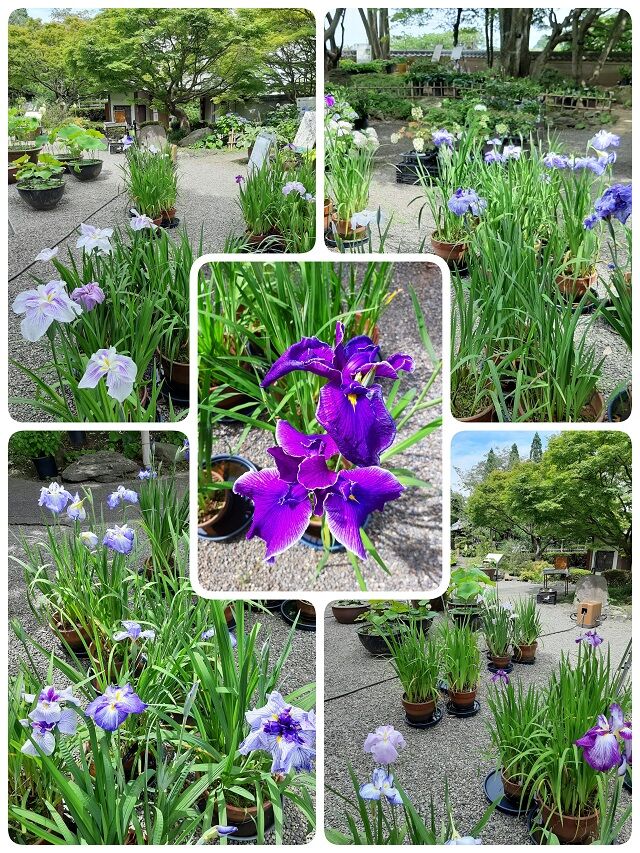
Even though the season for iris flowers was already over, there were still beautiful Japanese irises, hydrangeas, water lilies, and lotuses on display in the plaza.
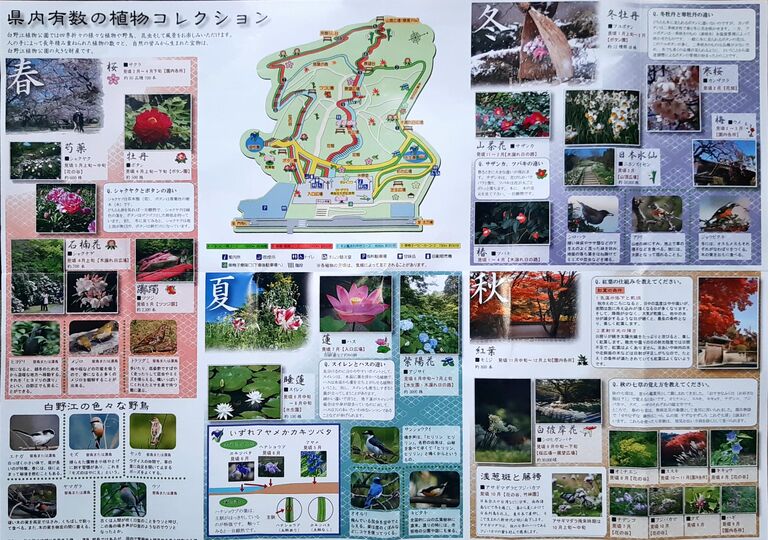
They mentioned that it would take about an hour to explore the entire garden if I walked around the perimeter.
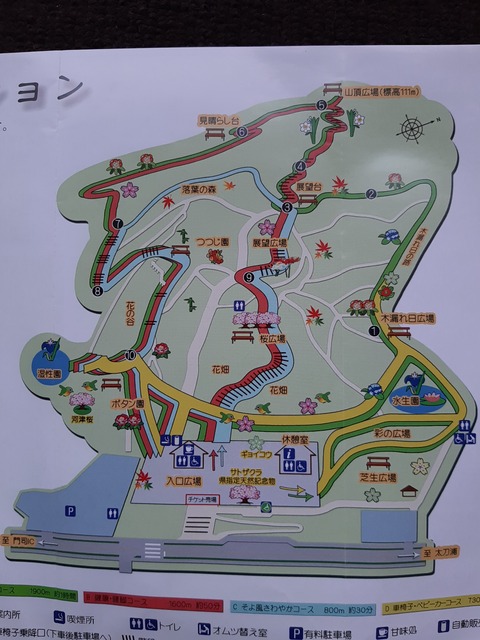
I'll need some determination for this.
After enjoying the displays in the plaza, I will visit the Button Garden, Flower Valley, and Azalea Garden, and then head to the mountaintop plaza via the stairs.
For the descent, I'll leisurely follow the outer path.
(Although the red-marked roads bother me a bit.)
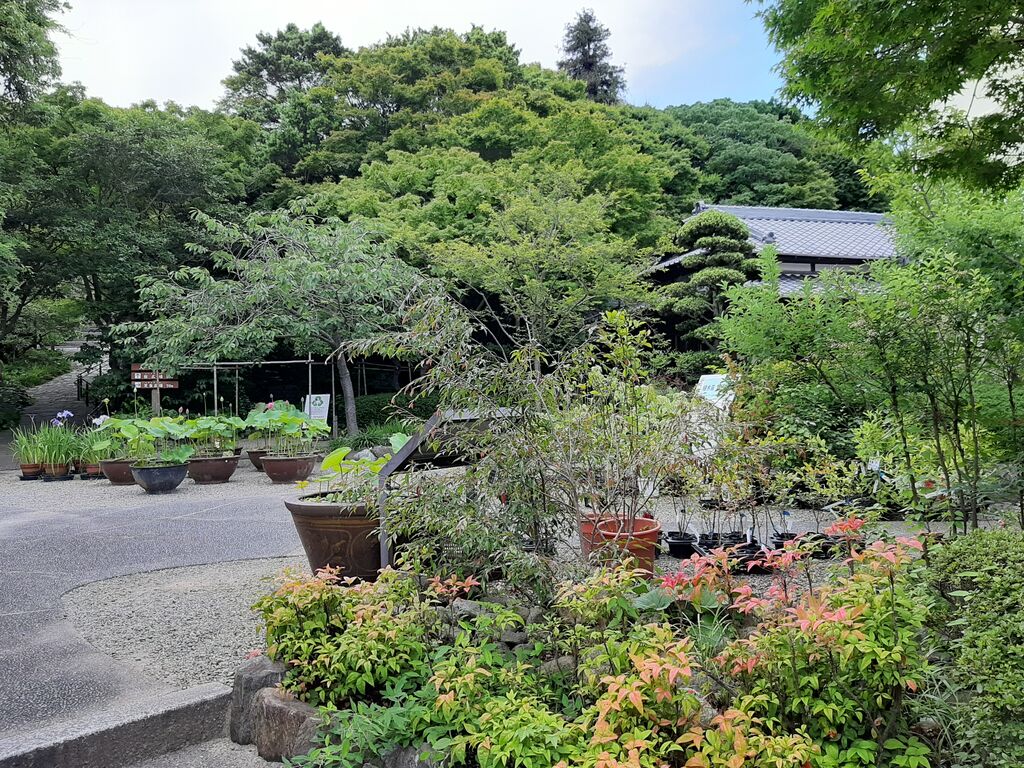
In the afternoon, the direct sunlight doesn't reach the shady parts of the garden anymore.
The lotuses and water lilies are closing their flowers.
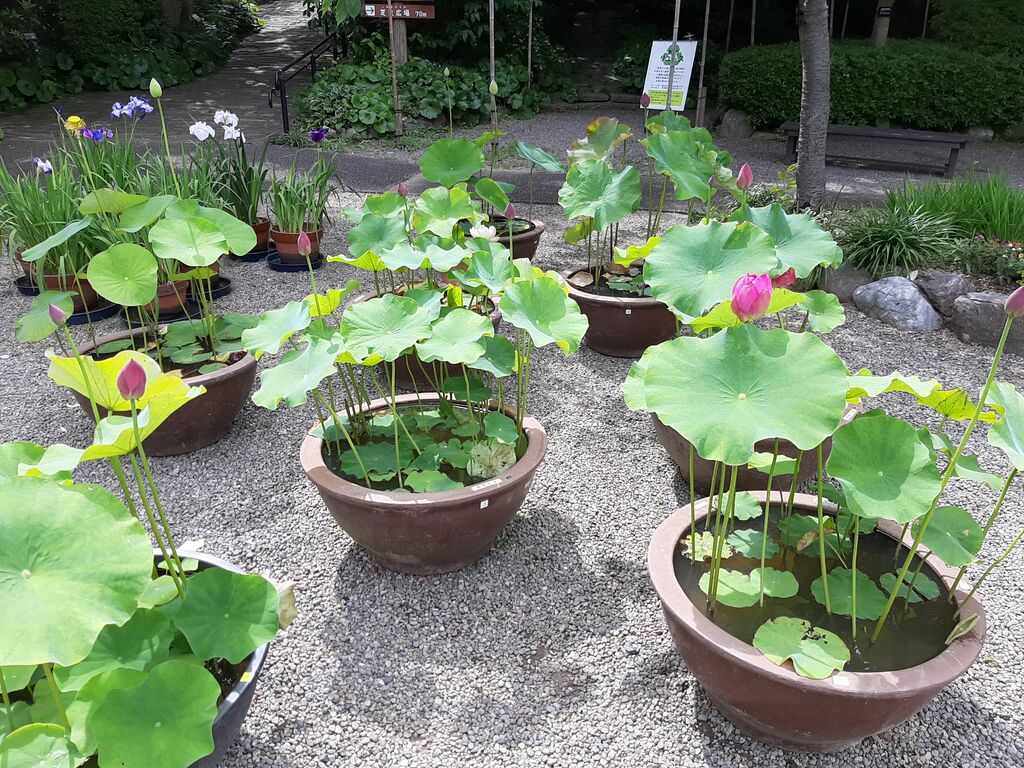
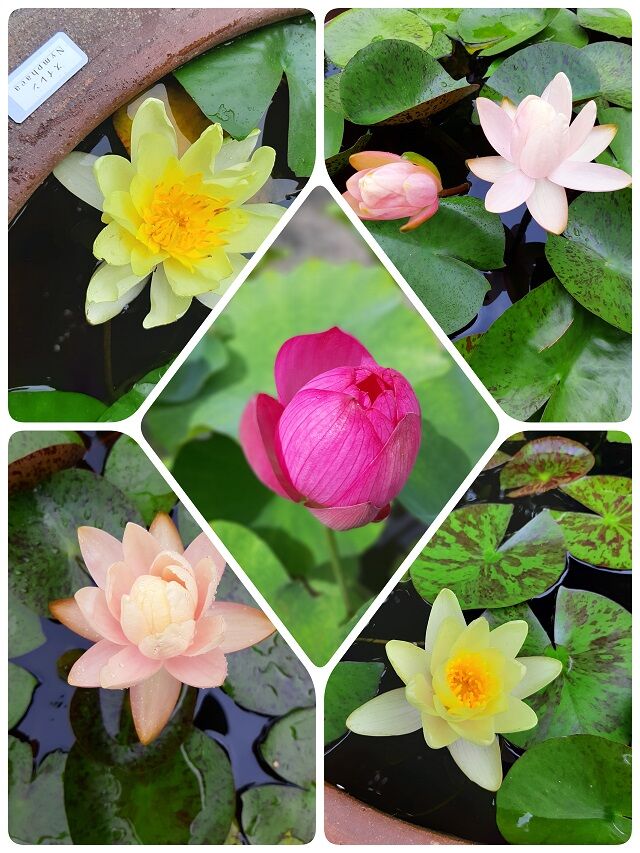
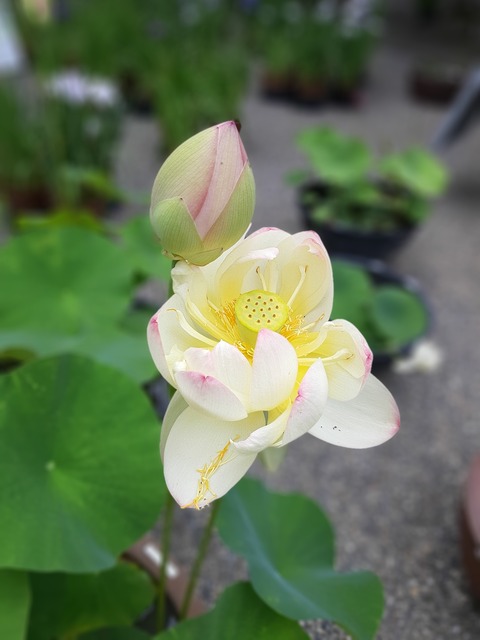
The white lotus somehow gives off a noble feeling.
I once learned about "achieving fruit through flowers."
I had heard the name "Hitsuji-gusa" for Japanese water lilies before, but I didn't realize it referred to this specific flower.
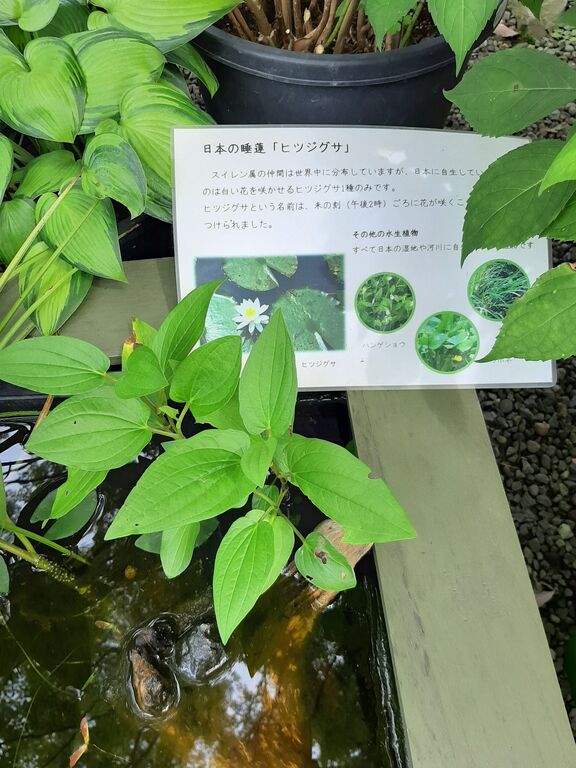
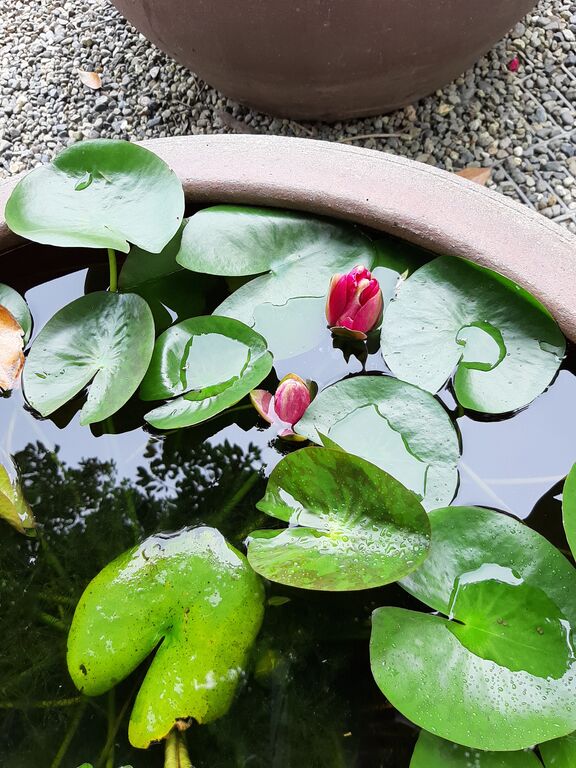
In the pots of water lilies, medaka fish and tadpoles were swimming.
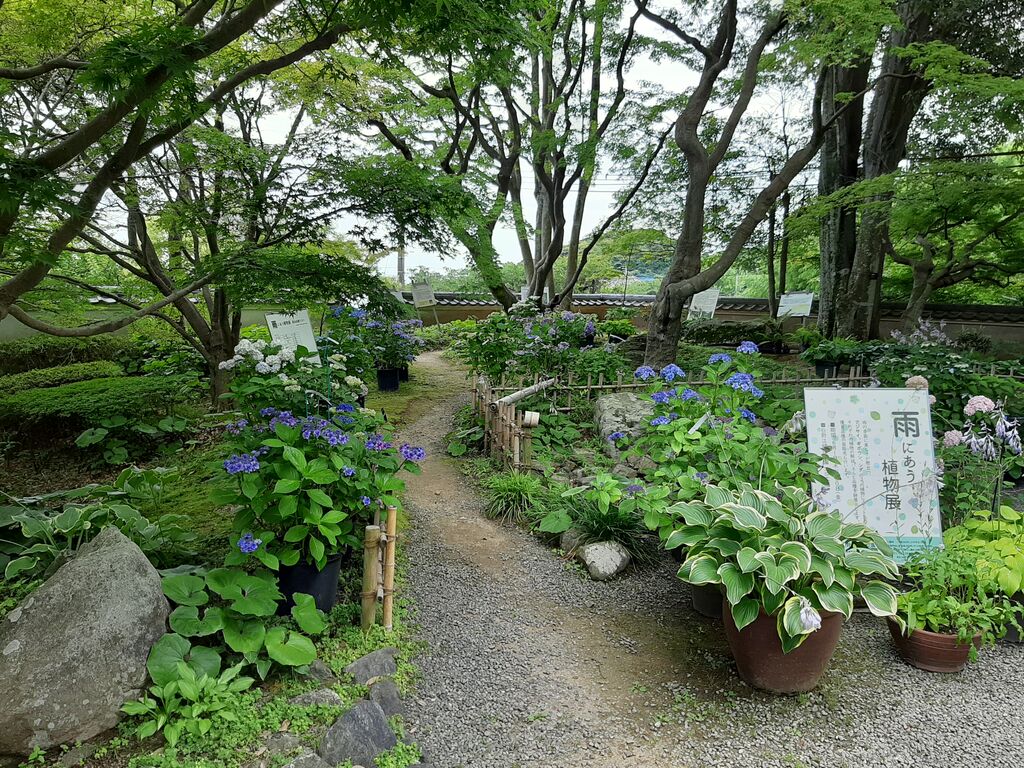
Various hydrangeas were planted throughout the garden.
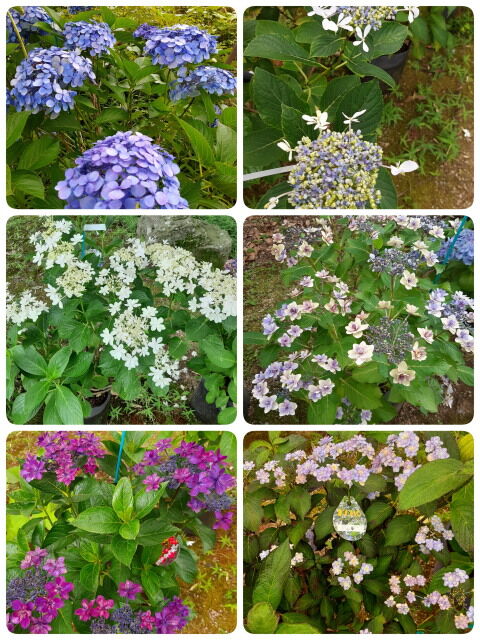
These are the original species of mountain hydrangeas, and they have bloomed beautifully thanks to generations of breeding and improvement efforts.
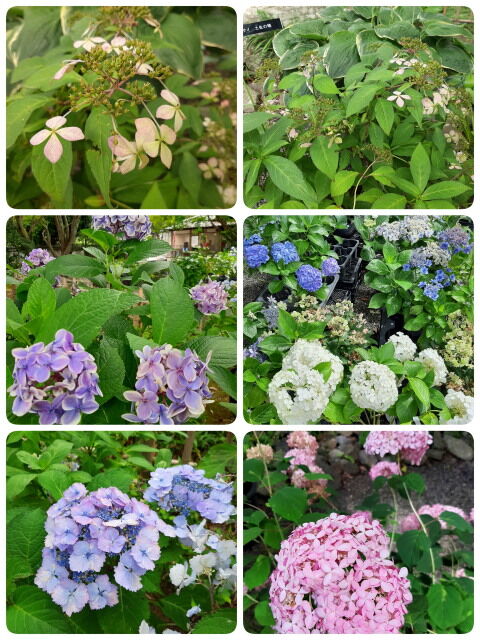
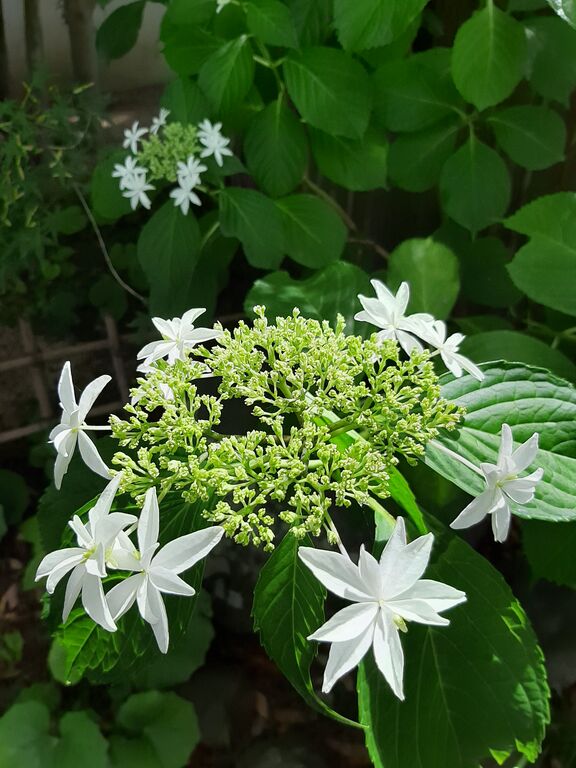
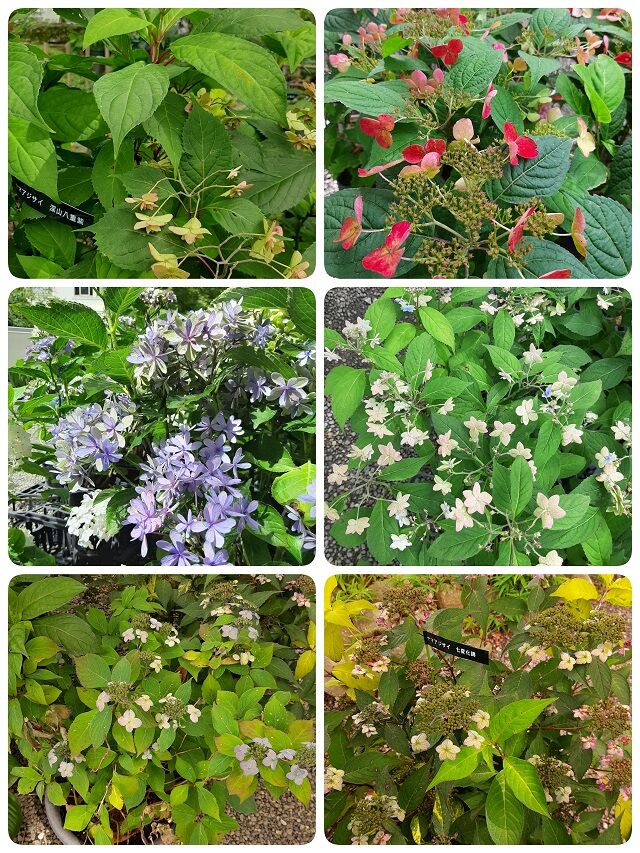
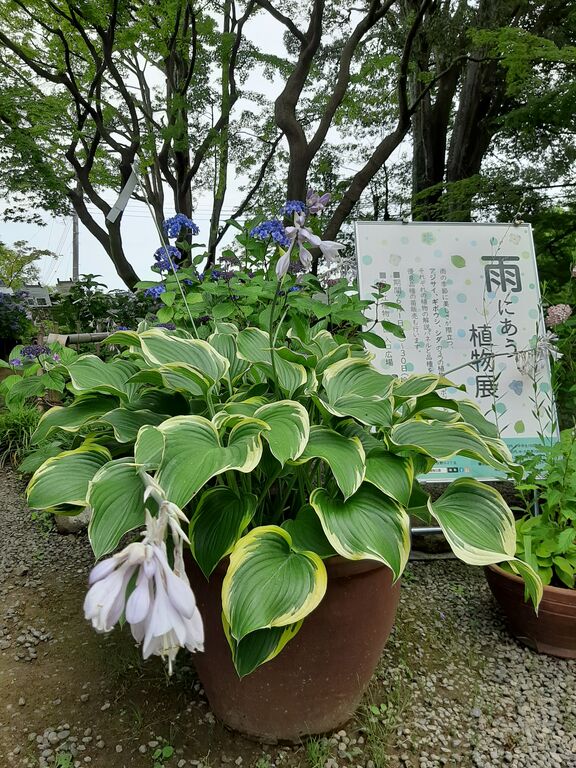
At the entrance to the hydrangea garden, there was a sign that read "Plants match with rain "
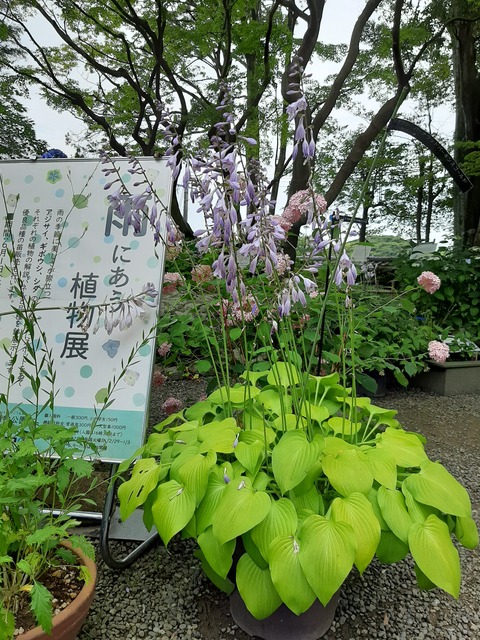
Our astilbe plants at home haven't bloomed yet.
The potted displays of Japanese irises were also stylish and nice.
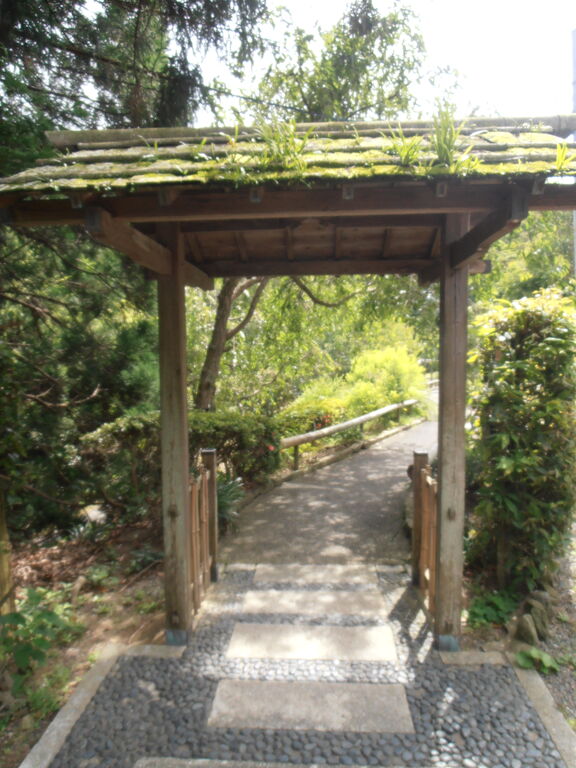
Now, let's start walking.
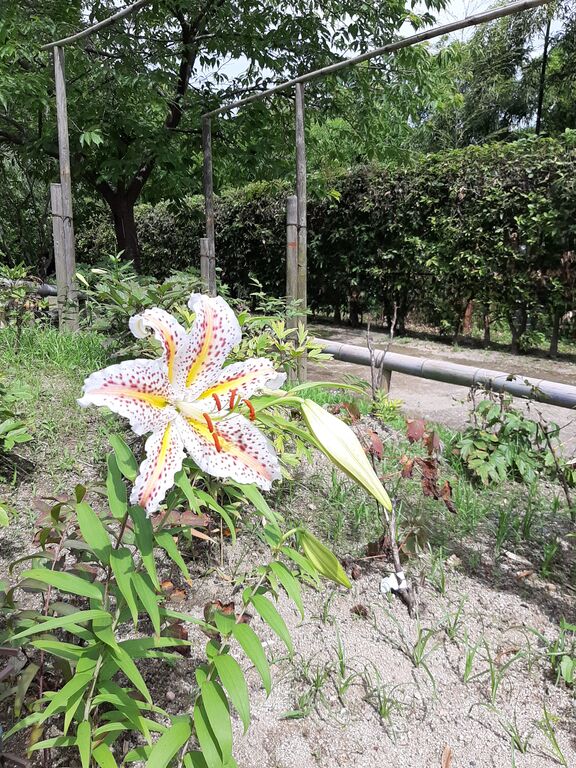
A slightly flashy lily greeted us.
I prefer the Sasayuri lilies that bloom gracefully in the mountains of northern Settsu Osaka.
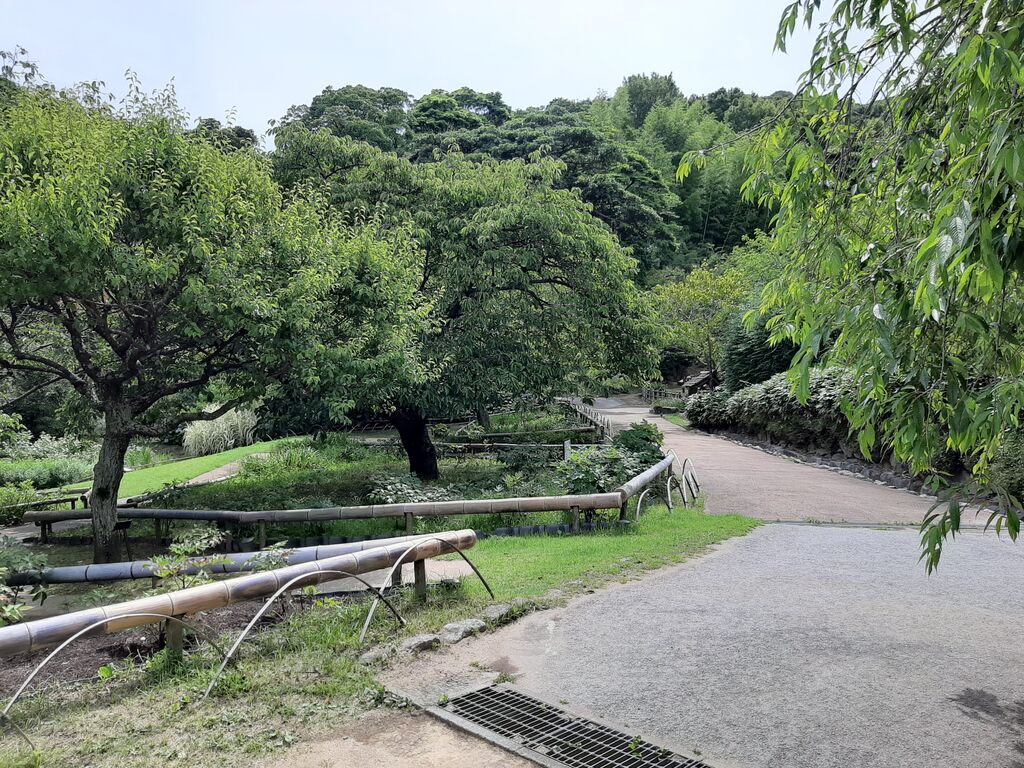
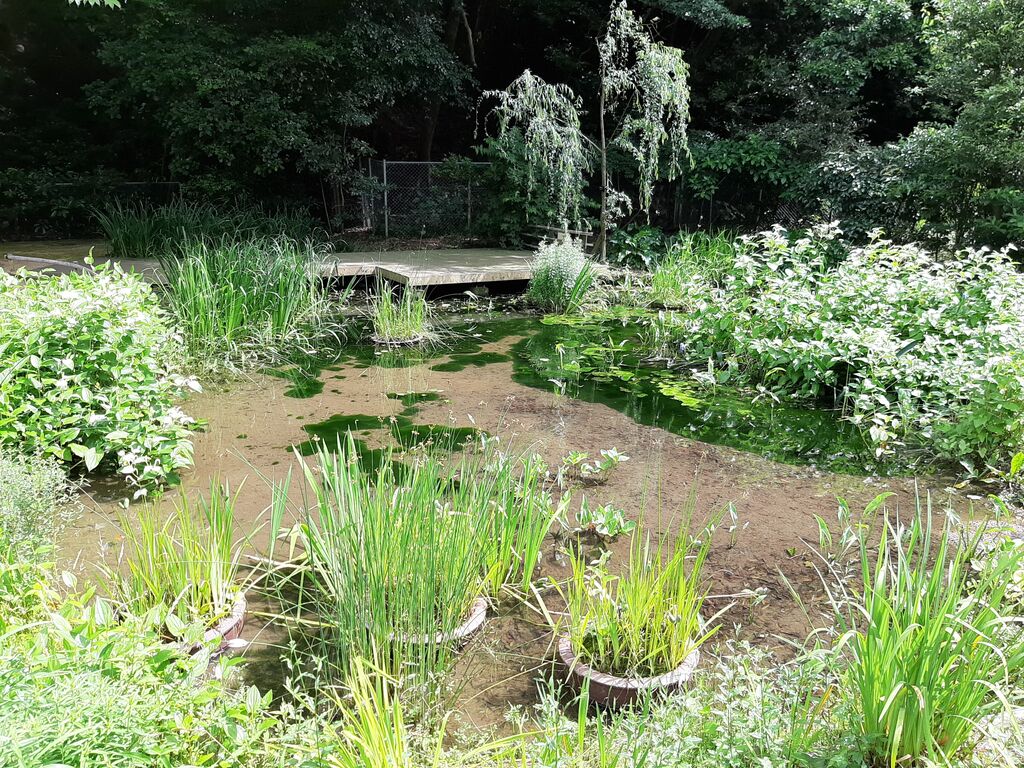
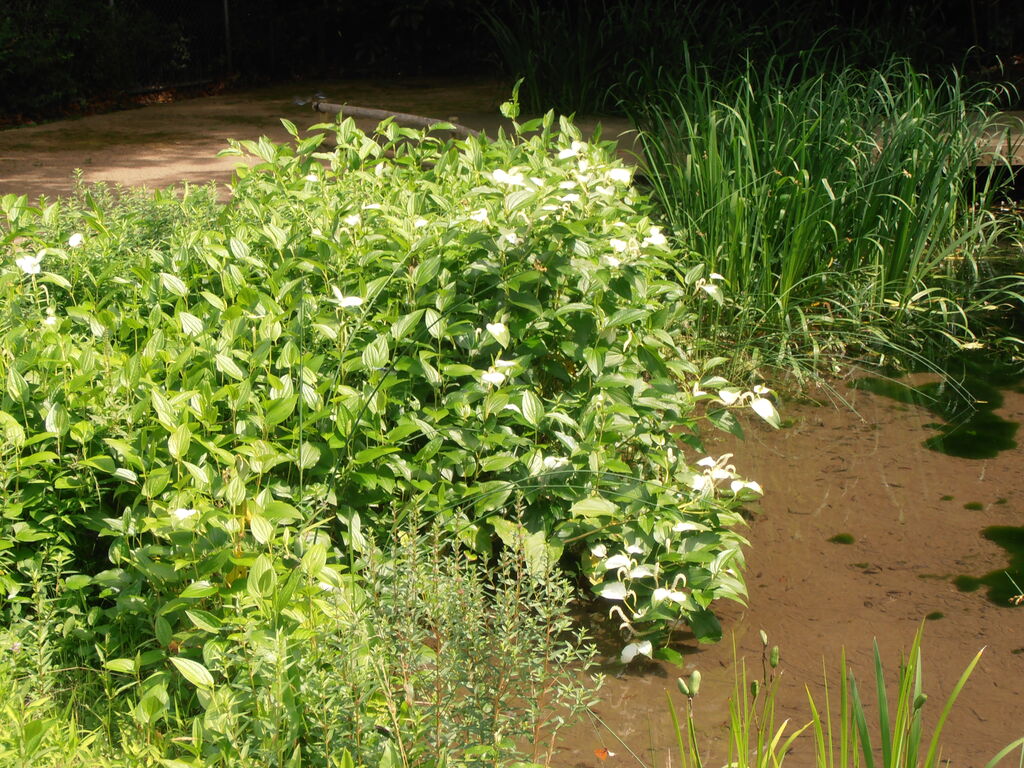
By the pond, the half-summer plant (Hangeshou) showed its distinct leaf colour.
It's already the middle of summer.
Just seeing the stone steps makes me lose the will to move.
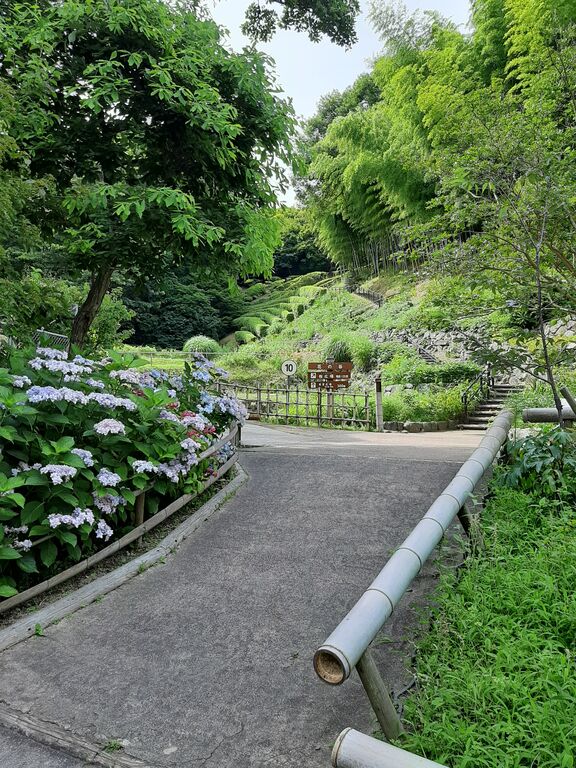
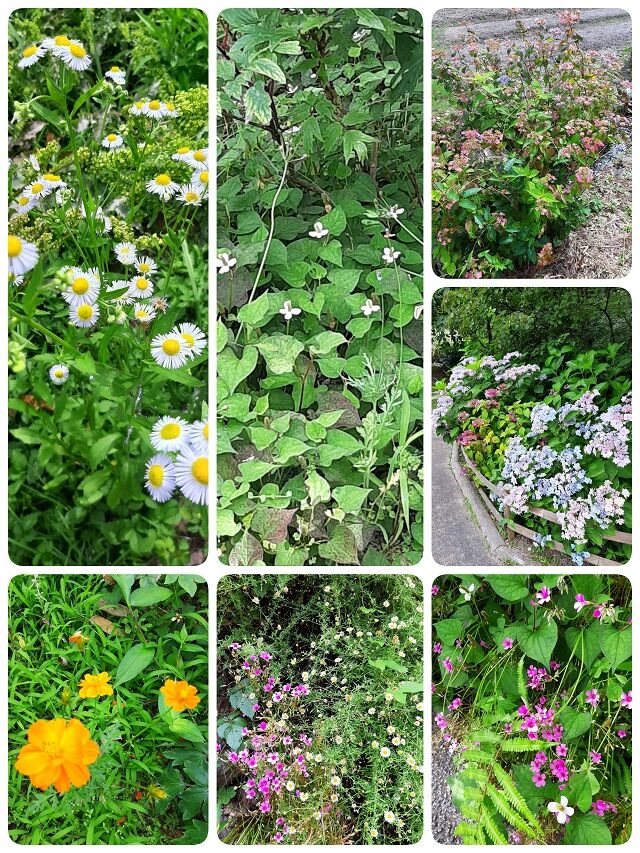
It's comforting to see these various wildflowers growing densely.
That's why I can relax.
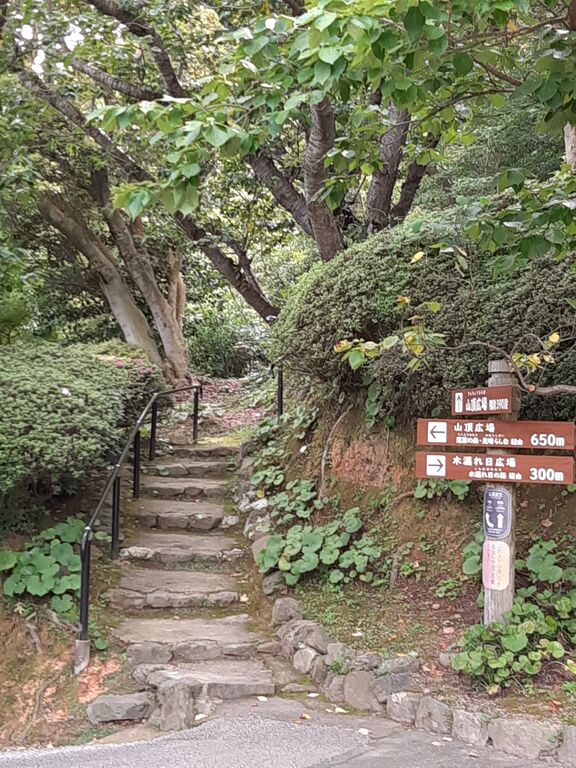
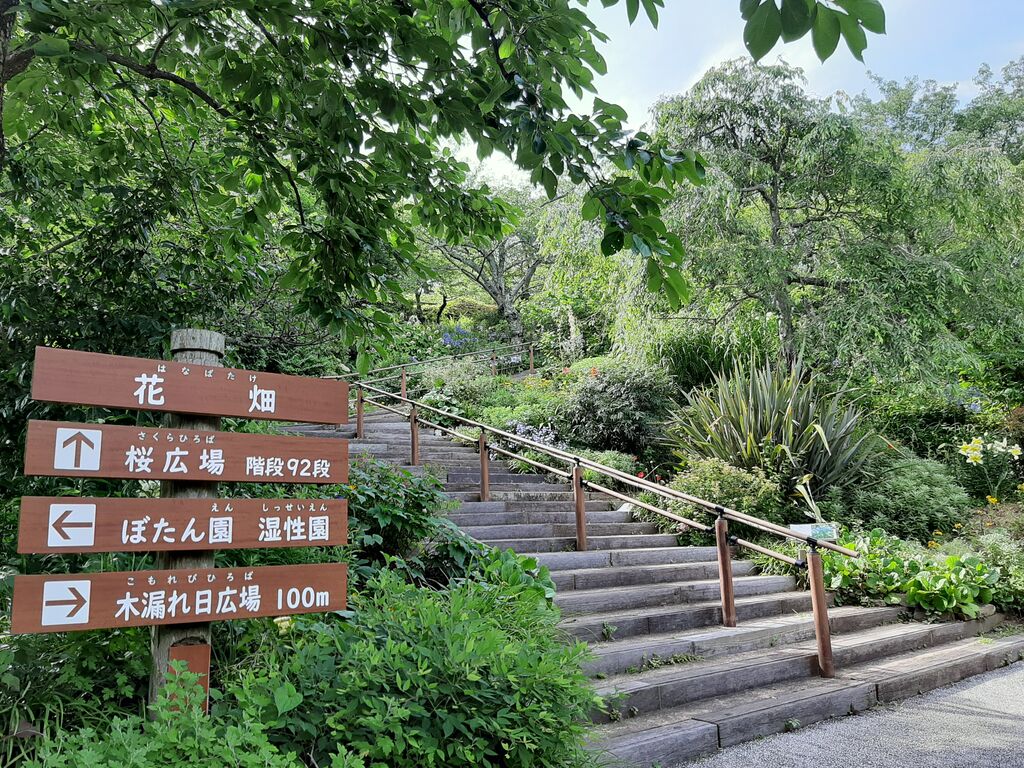
Using the stairs to head directly to the mountaintop
or
leisurely following the sloping road?
or
leisurely following the sloping road?
Alright, let's go all out!
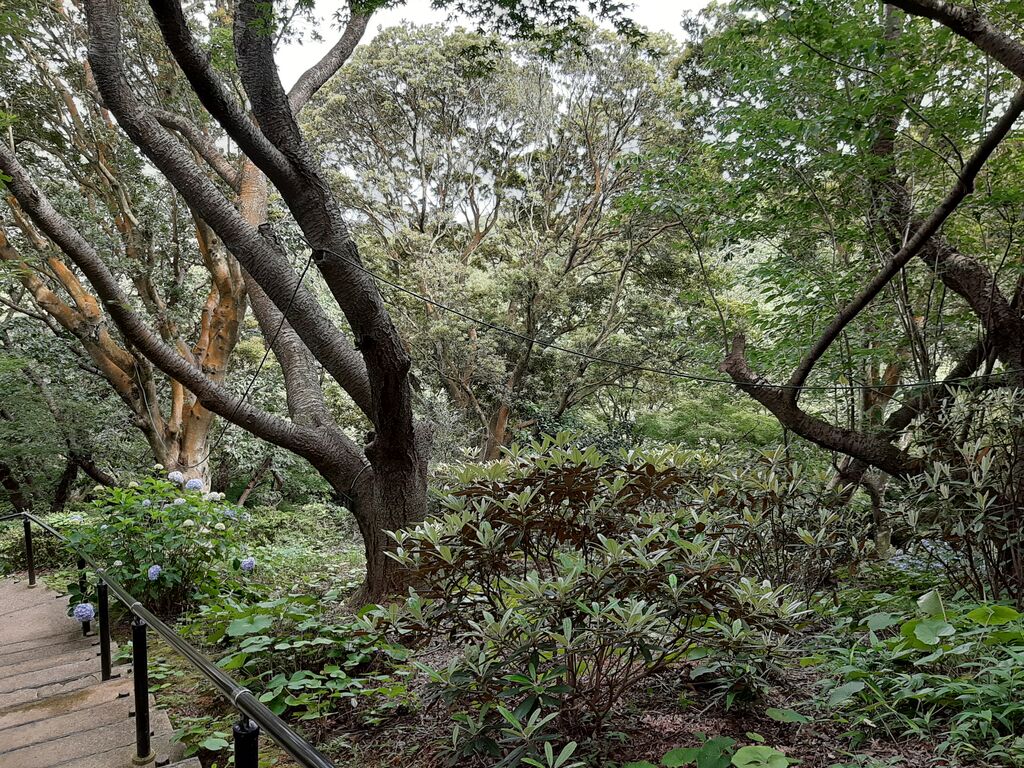
The blooming season of rhododendrons must be spectacular.
Just when I thought I could take a break, more stairs awaited me.
It's tougher than I expected.
On the way, there were signs along the way indicating the locations of several AEDs (Automated External Defibrill.
To avoid needing the help of an AED, let's take it easy and continue at a moderate pace.
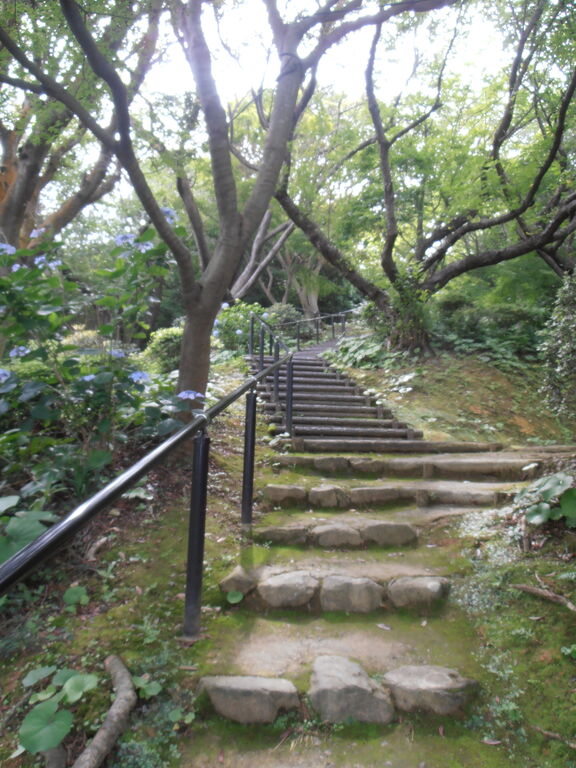
Once reached the top of the slope, the atmosphere became brighter.
Getting close to the summit.
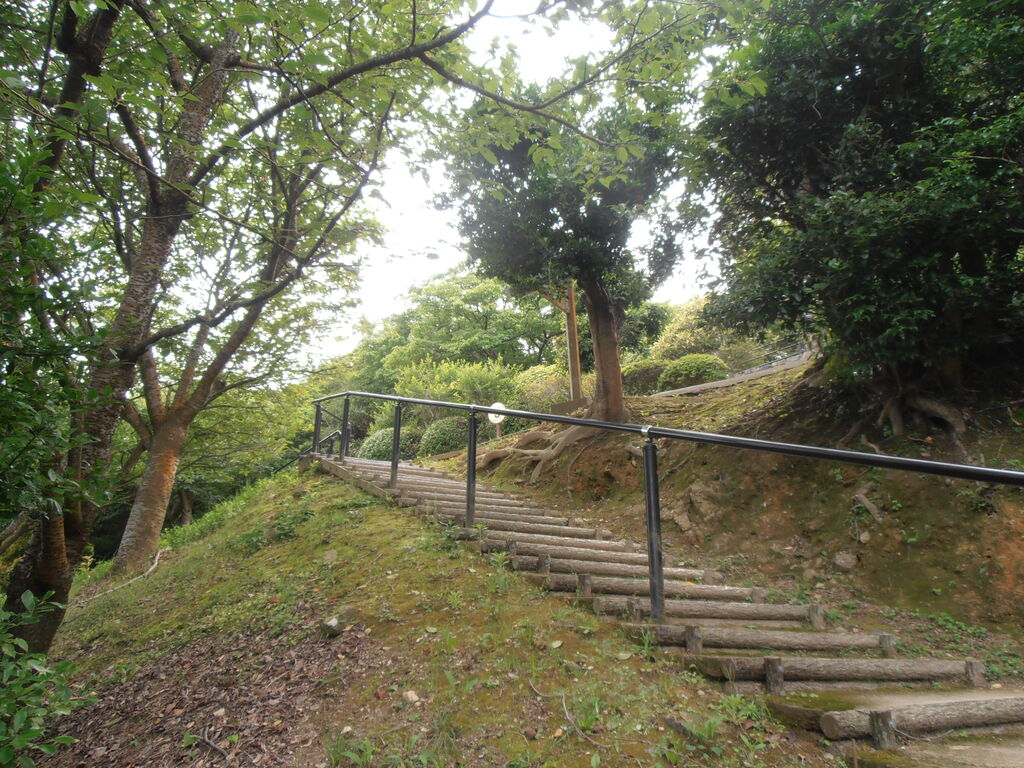
Still there ...
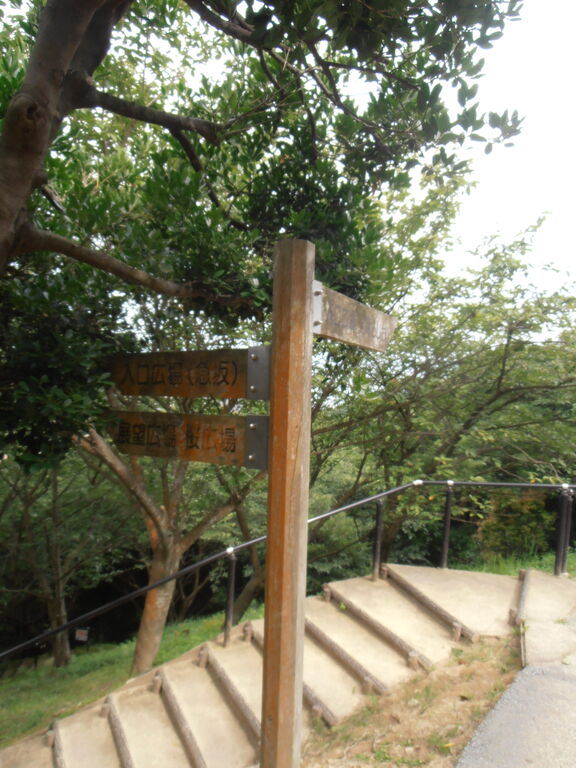
Finally, reached the mountaintop.
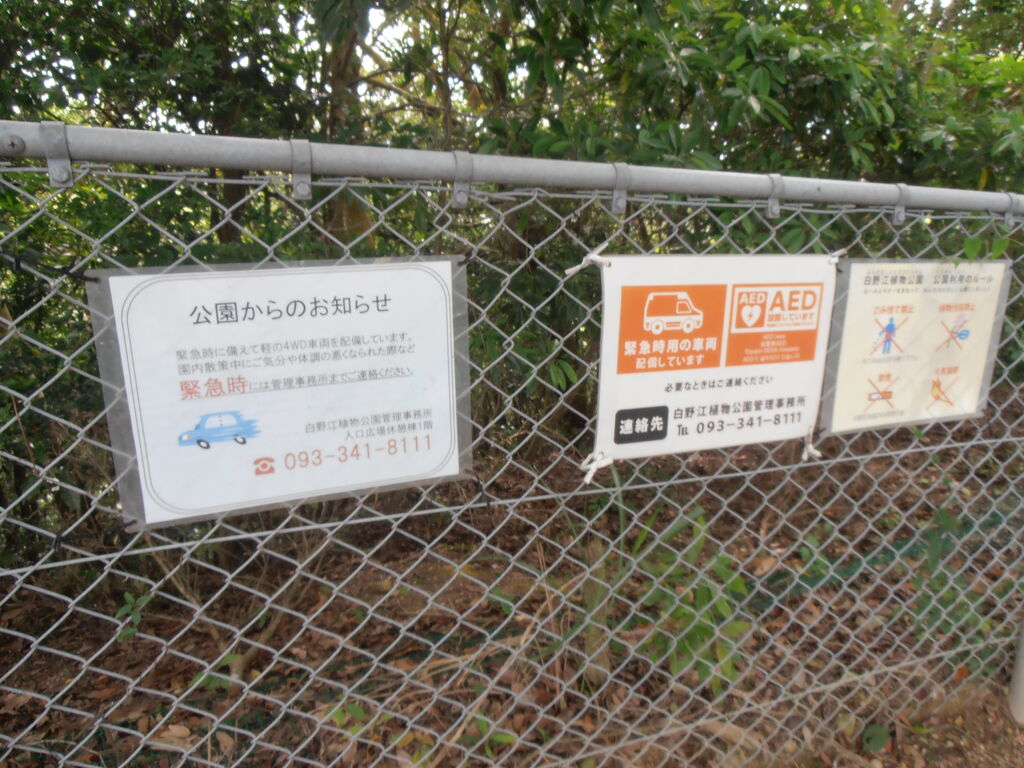
It said that there were 4WD vehicles available, and I wanted a ride!
Recently, I got caught in a sudden rain shower and got soaked in pottering.
But this made it hard to tell if I were wet from the rain or from sweat, through walking the bloody slopes.
But this made it hard to tell if I were wet from the rain or from sweat, through walking the bloody slopes.
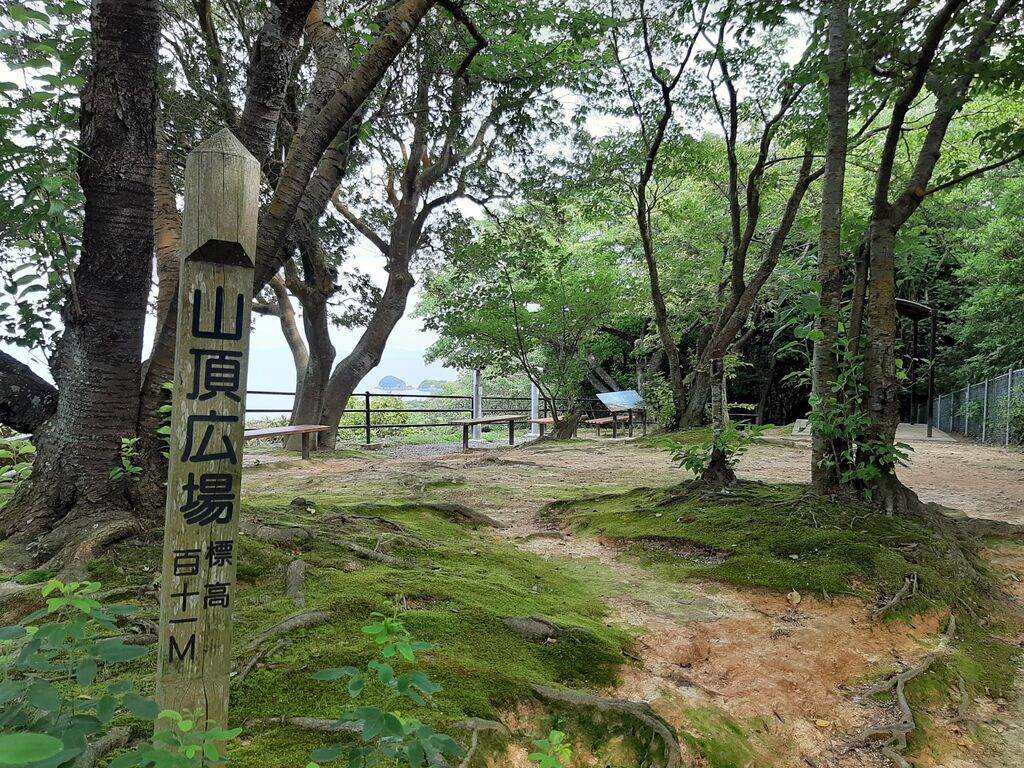
Only 111 meters in elevation, but it was much tougher than expected.
Getting older is not something I look forward to.
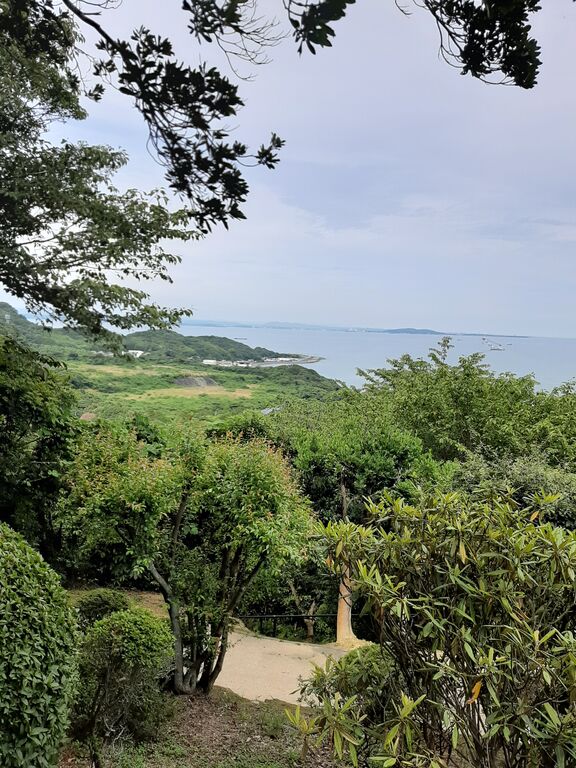
Took a slow and well-deserved break.
At that moment, I realized that I had left my bottled drink in the car.
Somehow satisfied my thirst by munching on salt replenishment candies.
Water, please!
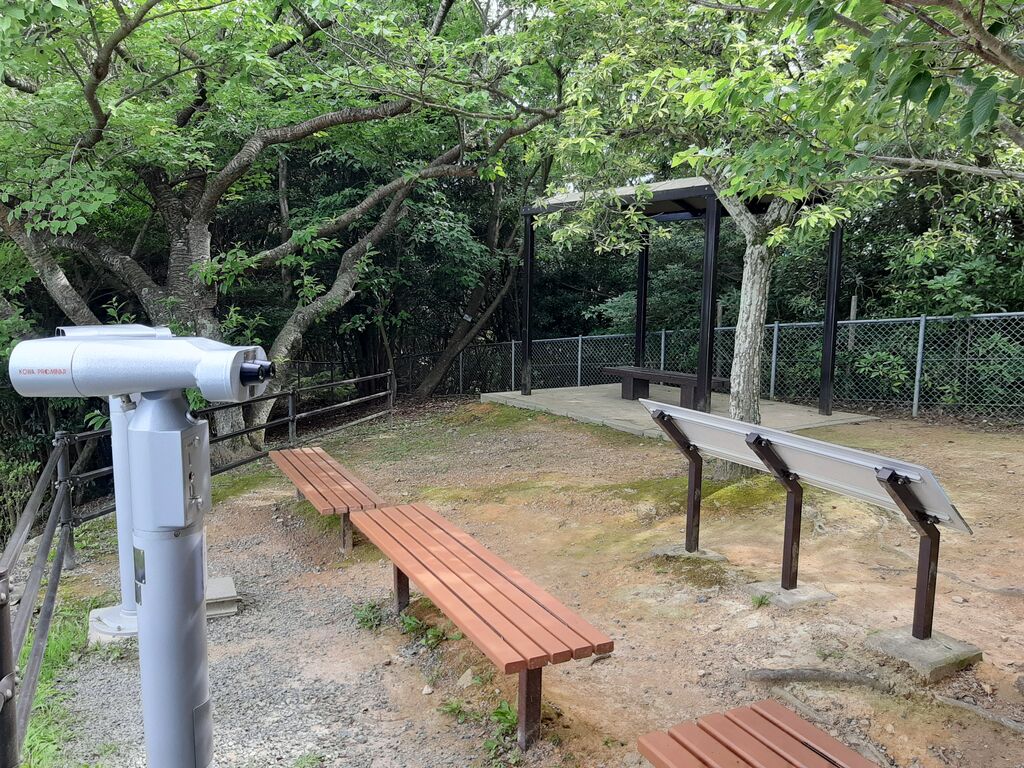
After a long break, it was finally time to descend.
Red and black fruits were scattered on the white concrete surface.
Someone must have picked them.
They were the fruits of Japanese cornel cherry.
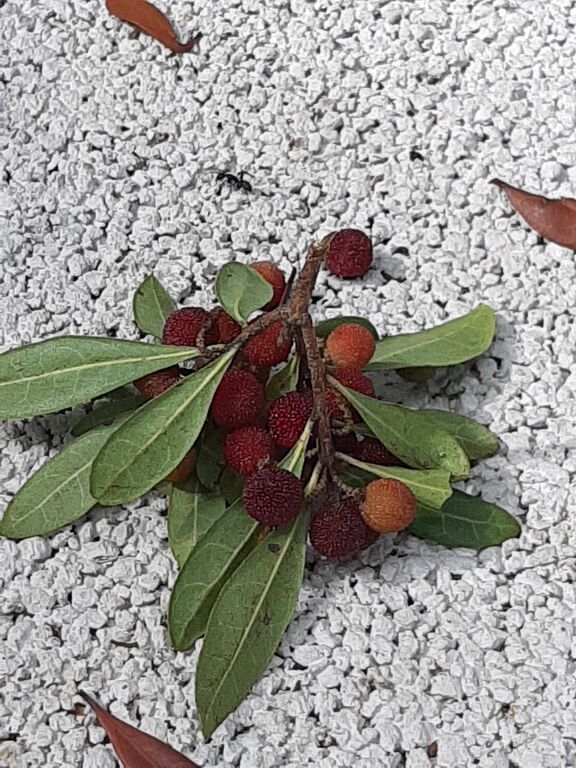
Speaking of the Japanese cornel cherry, it is currently the official tree and fruit of Kochi Prefecture, where Dr Makino was born.
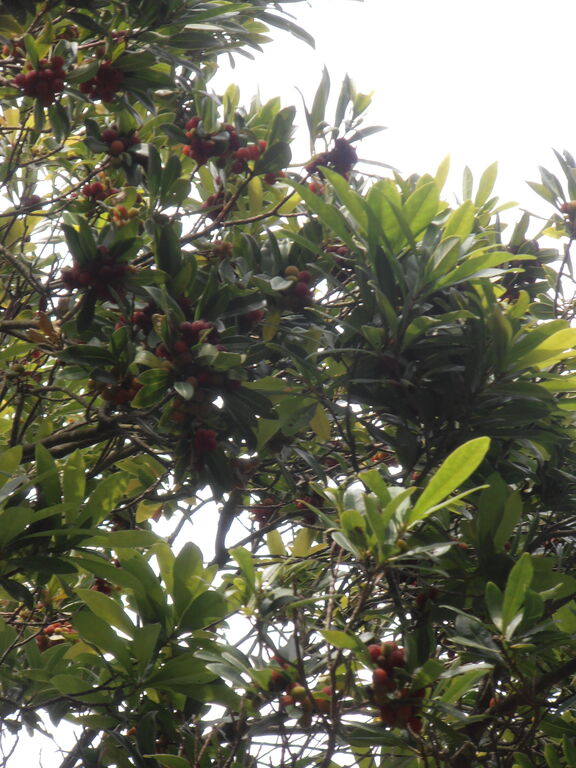
During my childhood, I used to roam around the low mountain ranges of northern Settsu, finding and indulging in the fruits of each season. It brought me happiness.
Children these days may not be interested even if they come across such precious treasures.
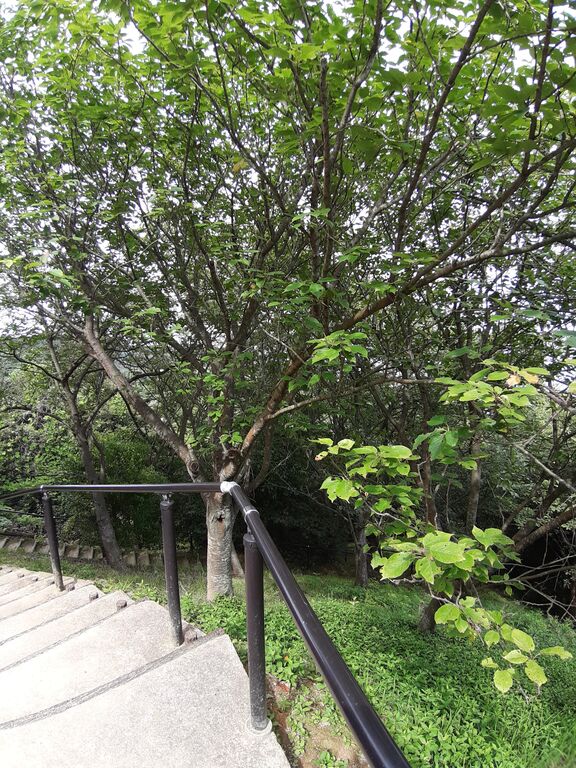
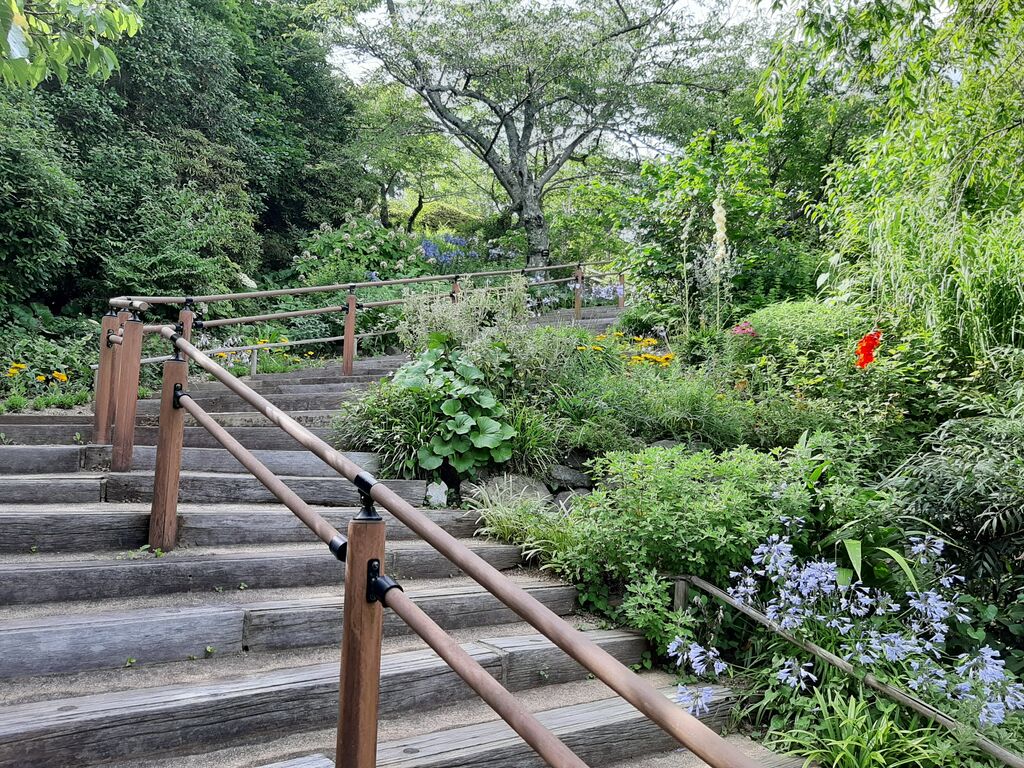
Going down the stairs was comfortable.
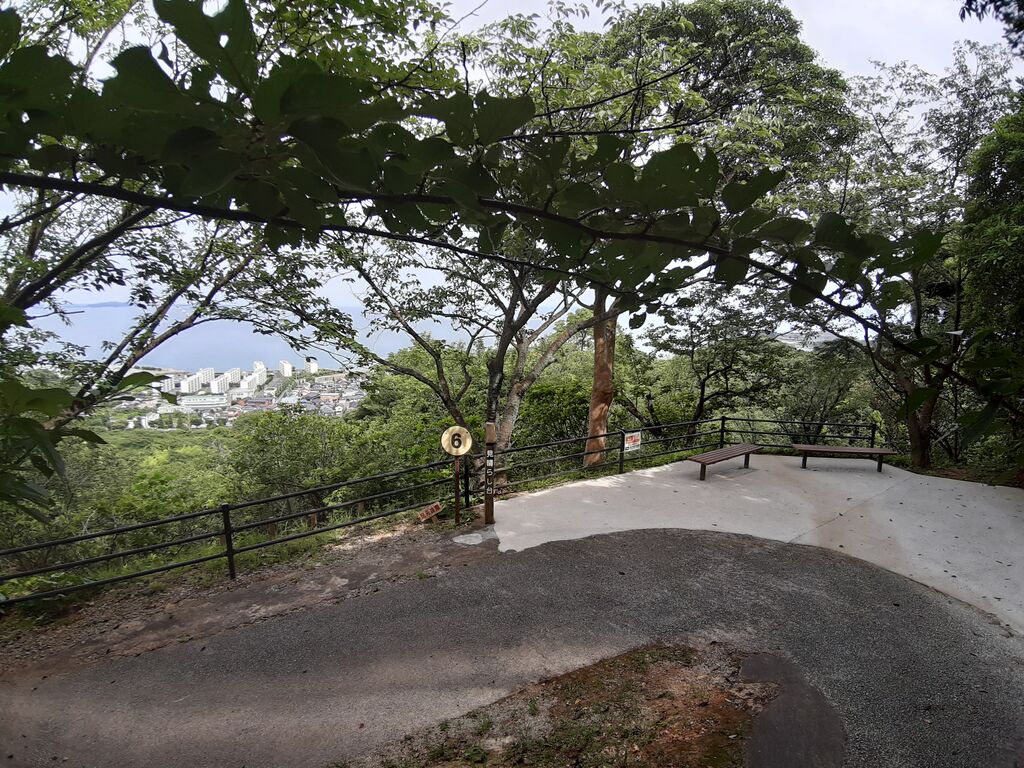
Entered the outer path and enjoyed the cool forest air bathing.
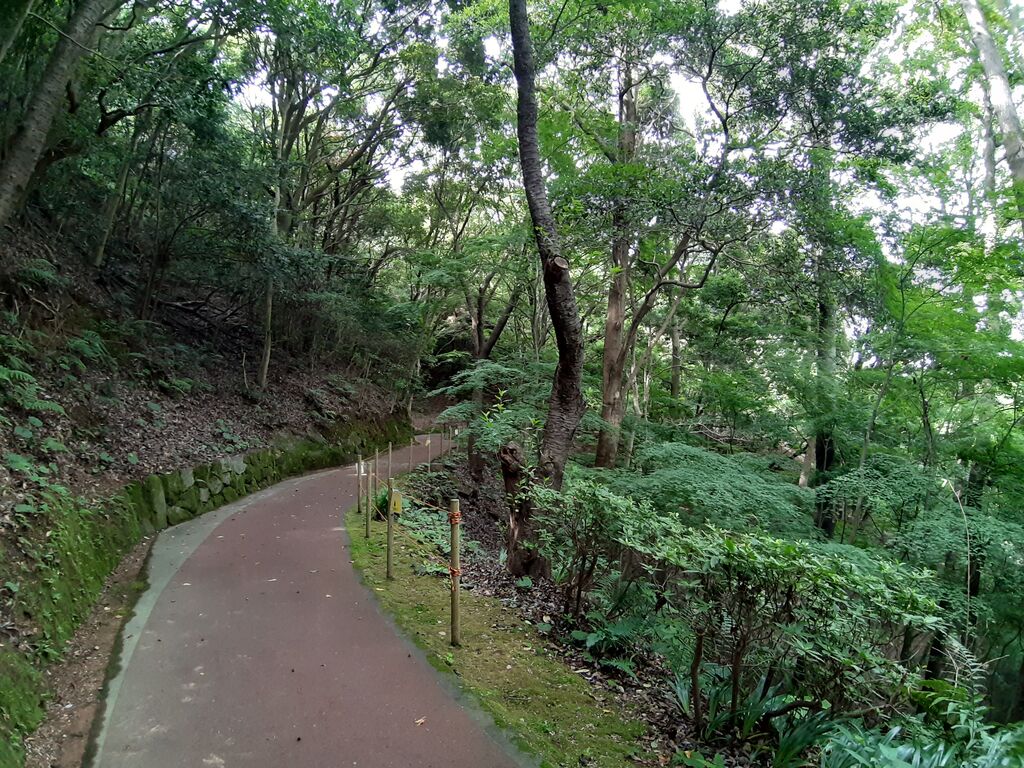
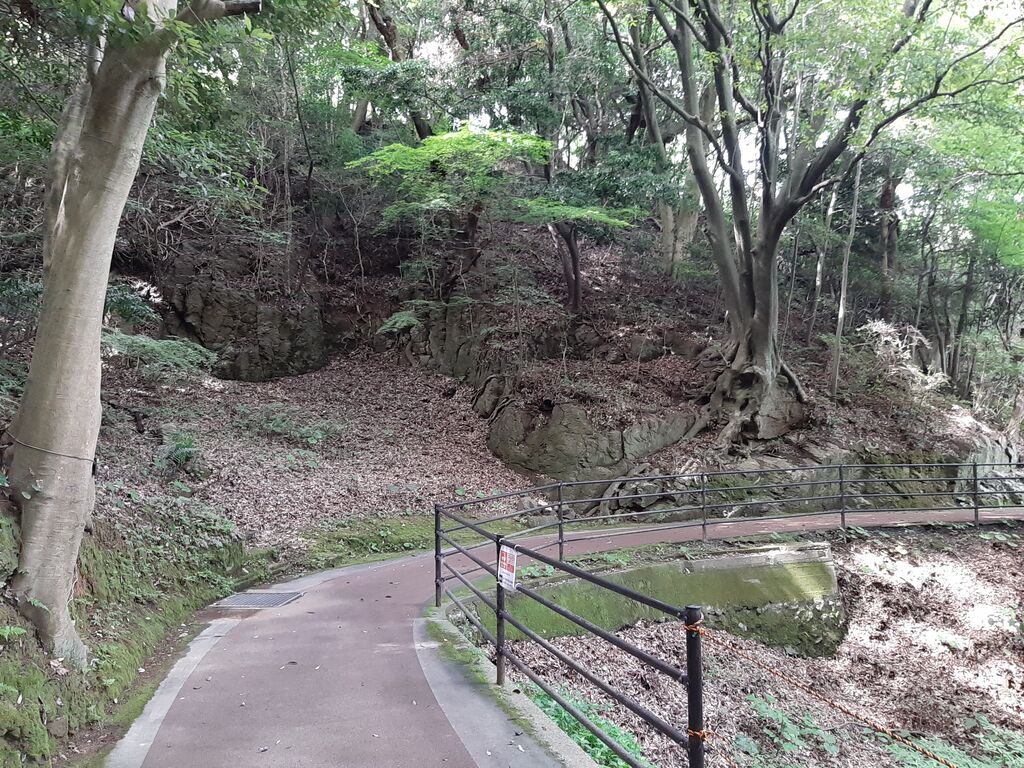
Seeing these rocky surfaces reminds me of my past work in photogrammetric analysis, where we measured the slope and inclination using aerial photographs.
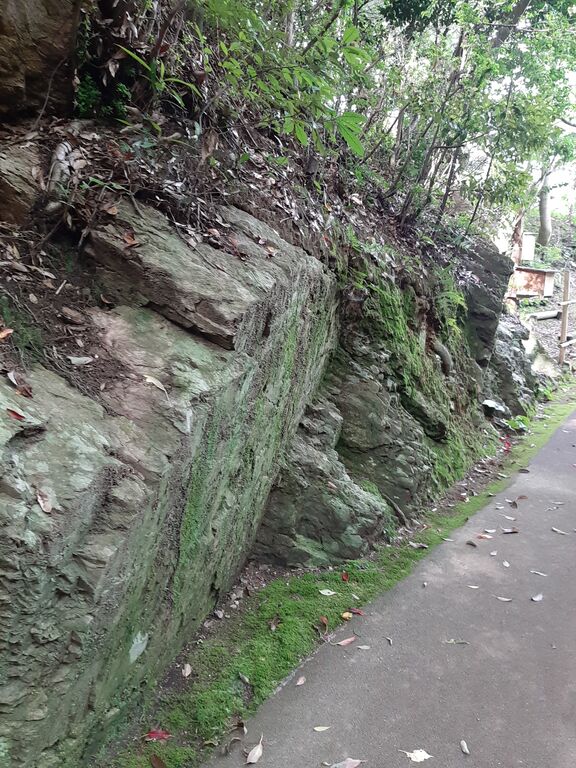
By conducting 3D analysis based on digital stereo photographs and obtaining data necessary for mining and measures to prevent accidents in hazardous areas, digital photogrammetry became a technique.
When I find these lovely flowers on the roadside, I forget about my fatigue.
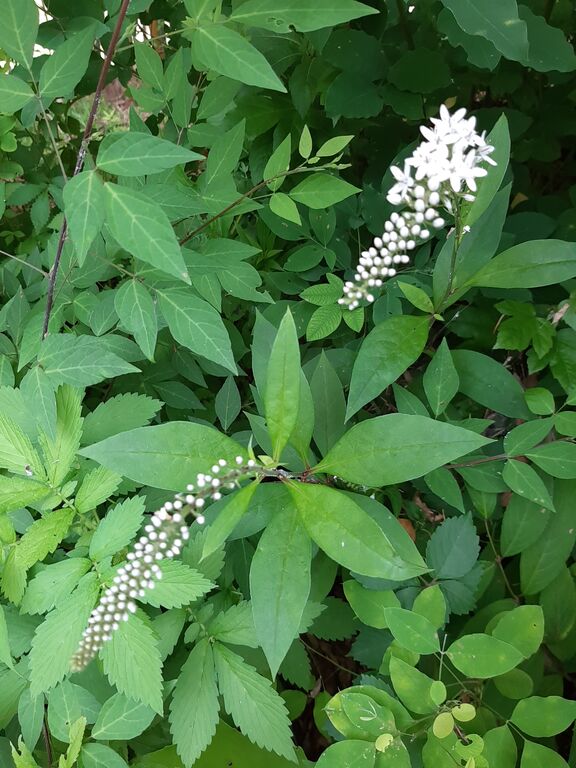
Rather than calling it "Kuchinashi" (gardenia), I feel more familiar with the name "Gardenia."
Near the place where I spent my childhood, there was a café or teahouse with a beautiful young woman working there.
Sometimes, I was invited and treated to various delicious sweets.
Sometimes, I was invited and treated to various delicious sweets.
The name of that place was Gardenia.
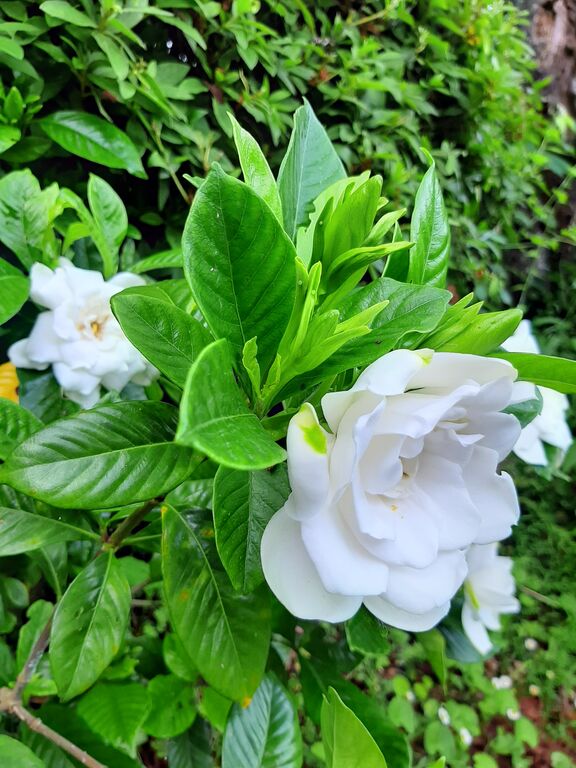
The Japanese spirea also had flowers blooming.
The small purple fruits with tiny bumps must be beautiful when they fully ripen.
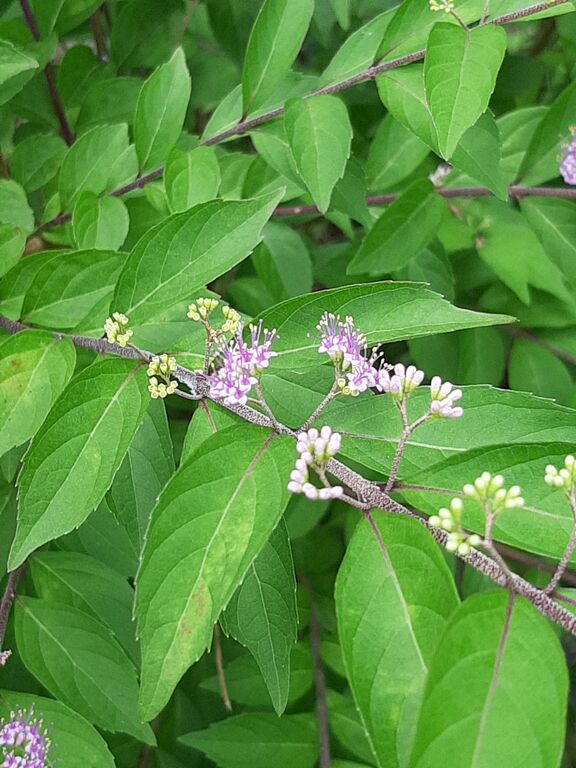
As descending further, the course is coming to a near end.
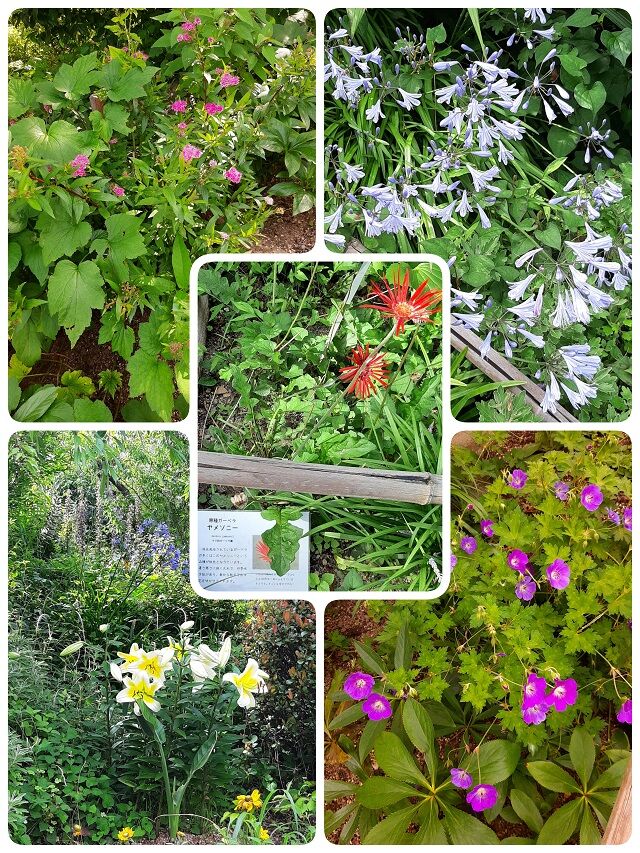
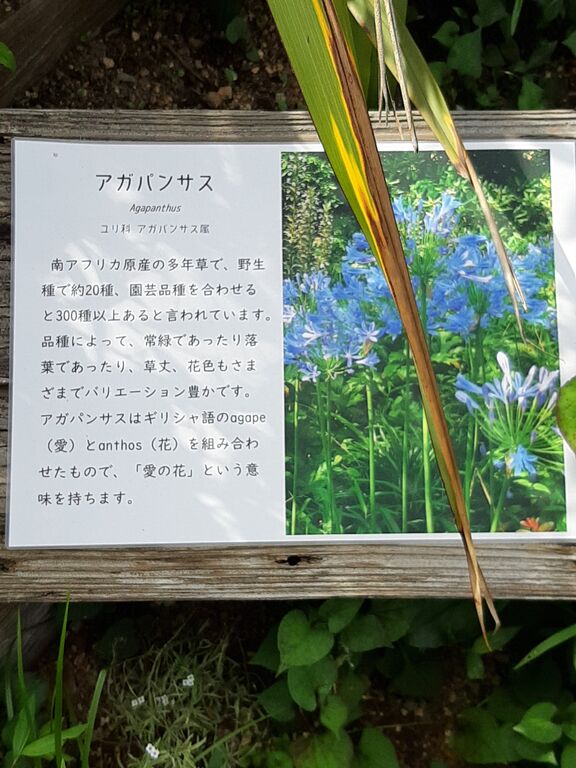
I have been too innocent or quite careless, but I always believed that the "Aga" in "Agapanthus" came from the Sanskrit word "aqua" meaning water, due to the flower's blue water-like colour.
But suddenly, I became curious and looked it up in a plant guide.
But suddenly, I became curious and looked it up in a plant guide.
I found out that "Aga" comes from the Greek word "agape," meaning love, and "anthos" means flower.
During my student days, I learned that Western culture has three types of "love":
• Eros (passionate love, desire for what cannot be satisfied)
• Philia (love for friends, companionship)
• Agape (selfless love, giving love to others)
Perhaps I placed too much emphasis on the first type.
In any case, I must admit that I'm not in a position to discuss "love."
Now, reading the description of Agapanthus again, I realized it's called the "Flower of Love."
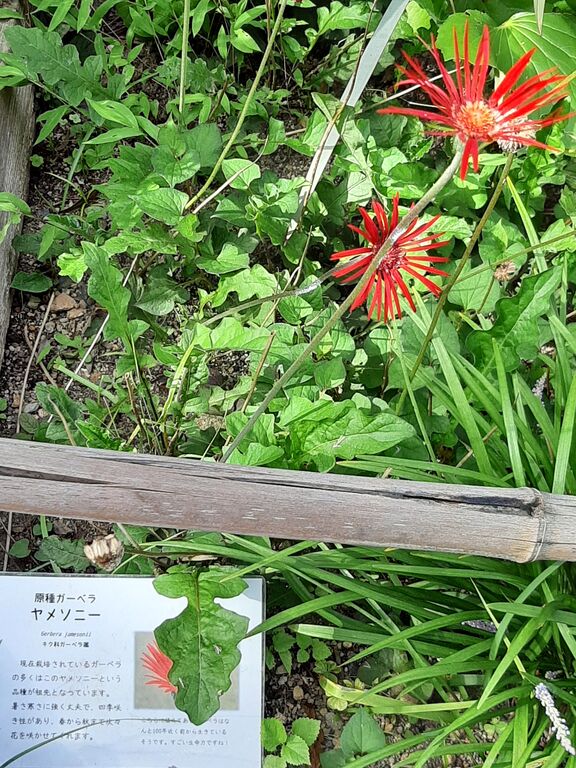
This is the original species of Gerbera.
Colourful Gerberas are nice, but there's a different charm to this one.
When I returned to the entrance plaza, the water lilies and lotus flowers had already closed their blossoms.
I had a conversation with the person in charge of maintaining the water lily pots:
Plants cannot move on their own, but through the sympathetic connection between plants and humans in the universe of life, they come and go to people who love themselves through those individuals.
It reminded me of the world of strange and supernatural stories from the Qing Dynasty, called "Liaozhai Zhiyi."
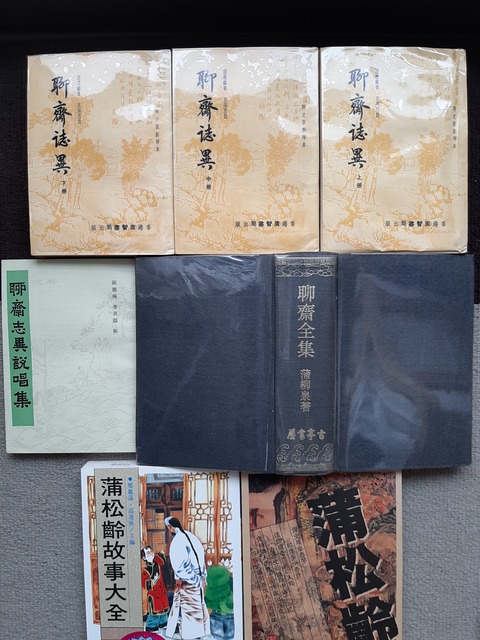
It reminded me of the world of strange and supernatural stories from the Qing Dynasty, called "Liaozhai Zhiyi."
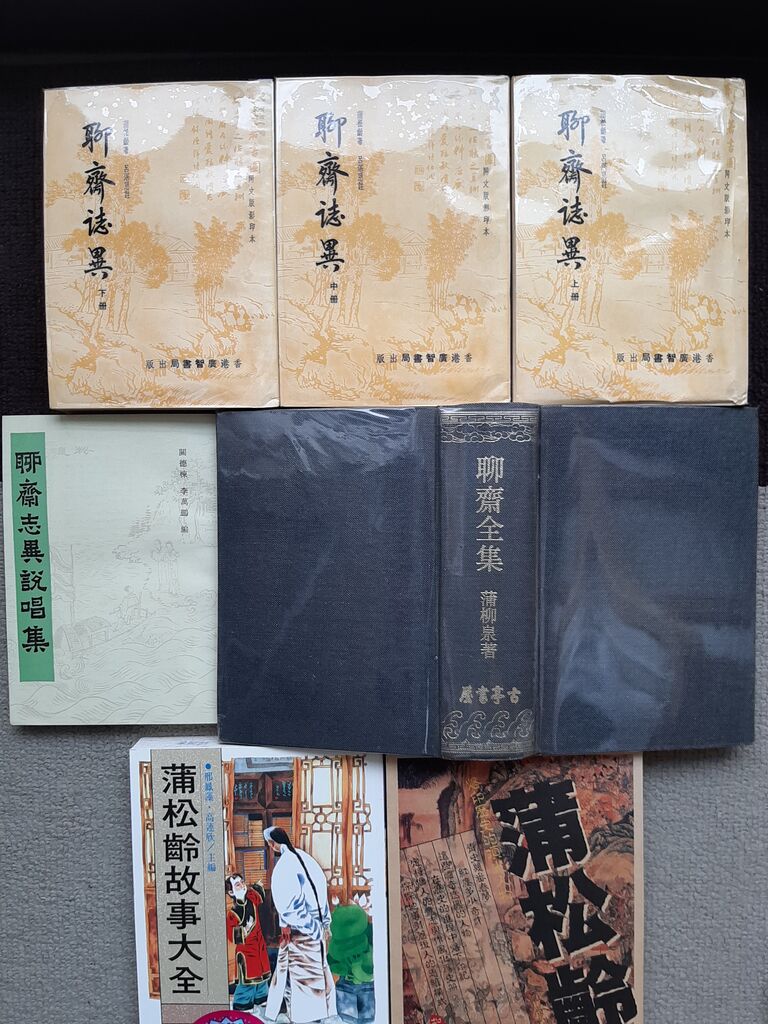
While talking about it, the woman in charge mentioned that the lotus came from China.
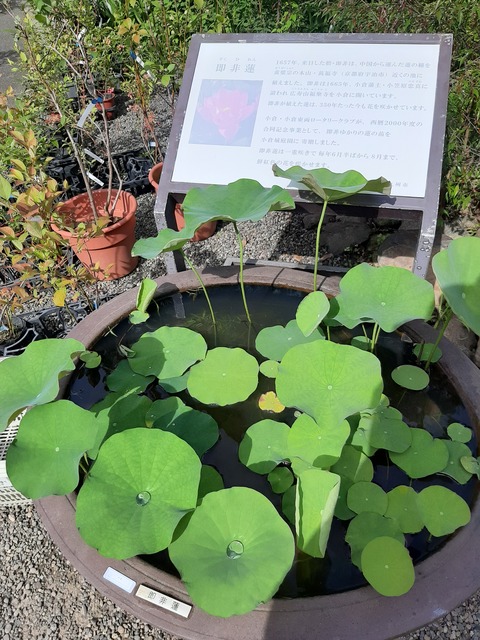
The sun had already begun to set.
No matter how much I hurried, I couldn't make it to our destination, the Hesaki Lighthouse, and return within the parking lot's closing time.
My Brompton bicycle, "Potayoshi," sitting in the back seat for a long, must be very dissatisfied.


Comments
Post a Comment