Pottering the usual path as usual @Hibikinada Cycle Road
Day 2 of the Long Holiday: Sunny weather
After a long time, I rode my bicycle down the usual path as usual.
Along the Shioiri River embankment, I found Tsukushi and was reminded of the Indonesian batik pattern by the red spots on the Itadori plant.
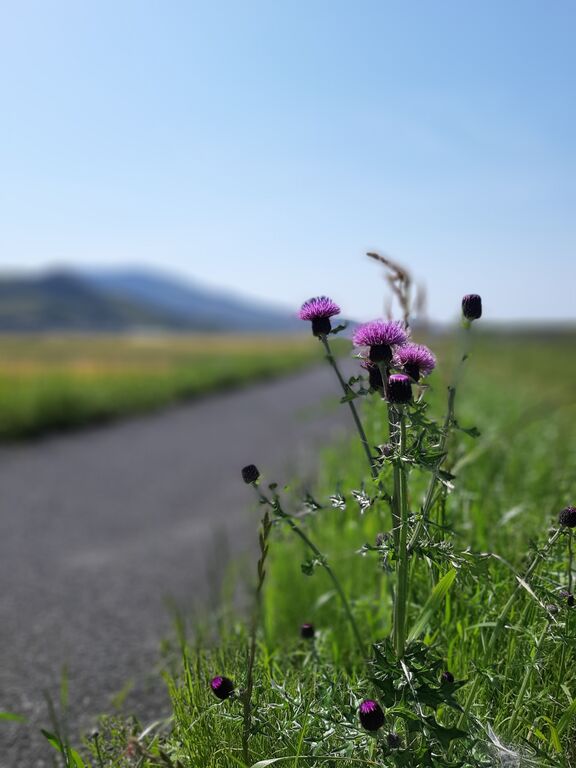
Amid lush greenery, thistles were blooming.
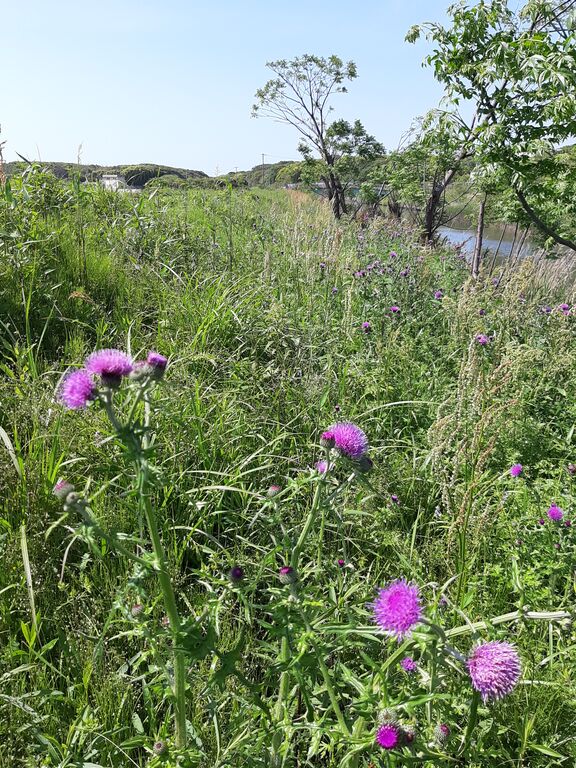
As I gazed at the group of them, I thought the name "Azami-No" (thistle field) was quite fitting.
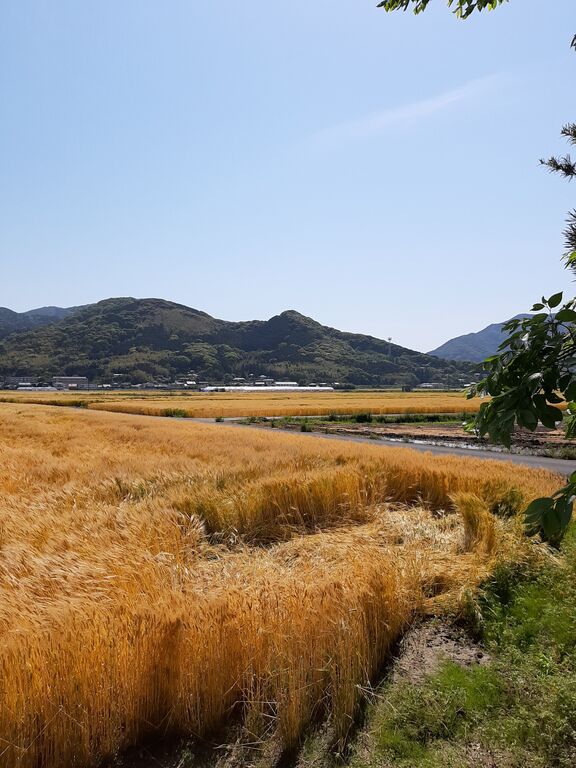
The wheat stalks that used to stand tall and sway in the wind have been cut down, marking the arrival of the "Autumn of Wheat."
In one of the villages, there was a house with a watchdog tied to a long rope.
He came out to greet me with a suspicious expression as I approached while whistling from afar.
It seemed like he had aged quite a bit.
In one of the villages, there was a house with a watchdog tied to a long rope.
He came out to greet me with a suspicious expression as I approached while whistling from afar.
It seemed like he had aged quite a bit.
At the motorcycle parking lot near Hatsuz Beach, dozens of large motorcycles were parked, and riders were chatting with each other, which was heartwarming to see.
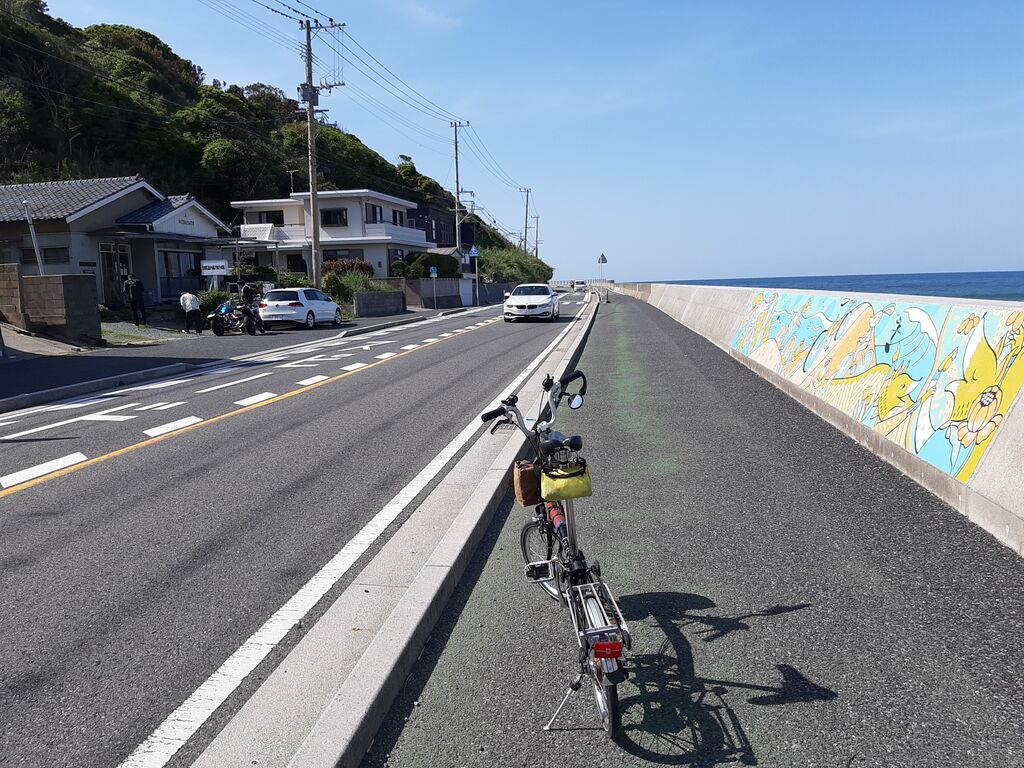
As I cycled along the coastal bike path, I passed by a breakwater adorned with illustrations just beyond the Hatsuz Fishing Port.
A family was taking pictures there.
There was a café serving hot sandwiches at the spot where you could view the illustrations, but I've never visited it.
A family was taking pictures there.
There was a café serving hot sandwiches at the spot where you could view the illustrations, but I've never visited it.
Heading from Hatsuz to Ashiya Town, the coastline of Okagaki is a "San-ri Matsubara" (three-mile pine grove) that extends to the sandy beach.
It is a nestling ground for sea turtles and has recently become known as a destination for Asagi-Madara (migrating painted lady butterflies).
It is a nestling ground for sea turtles and has recently become known as a destination for Asagi-Madara (migrating painted lady butterflies).
On the other hand, the coastline heading from Hatsuz to the direction of Kanezaki is a series of rocky reefs.
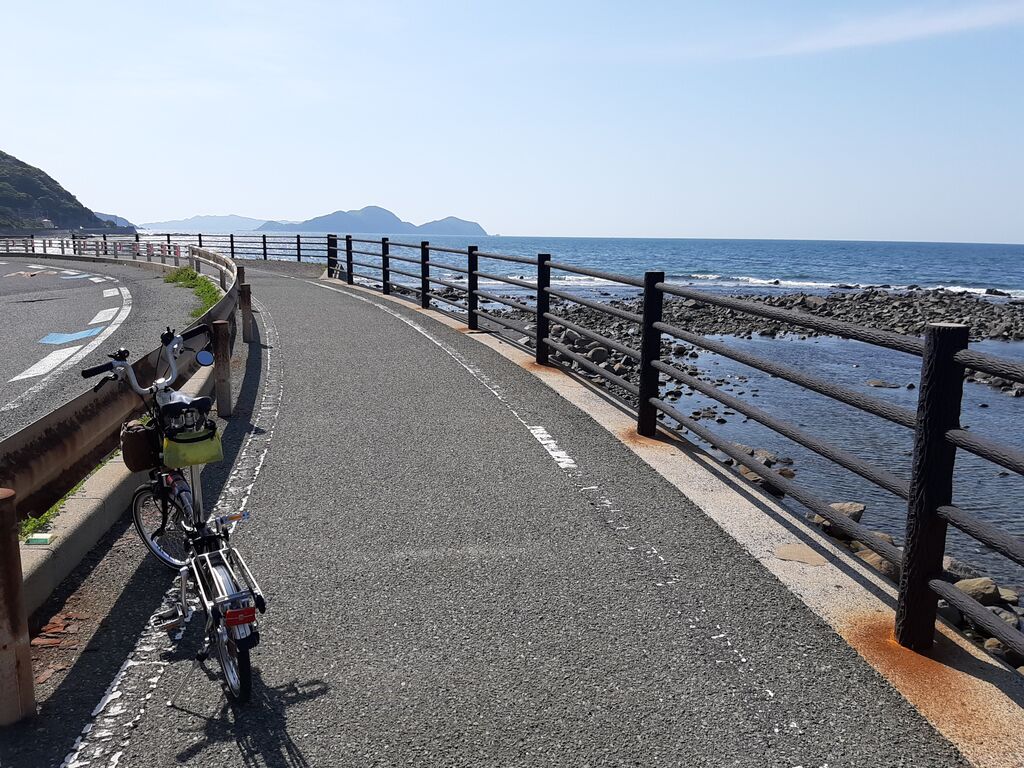
There is a monument to the landing site of the Fuku-tari Shrine's deity, and there are also rocky areas with circular flat black stones that play a hard percussion duet with the waves crashing onto them.
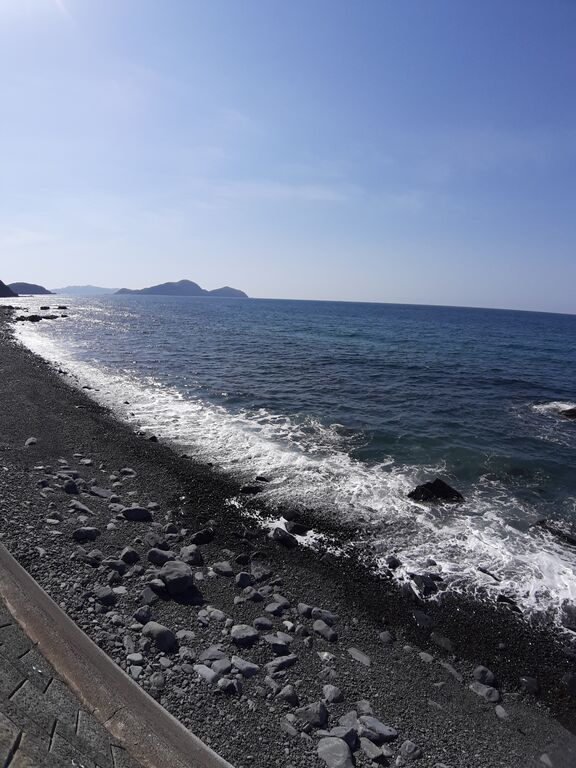
It's impossible to enjoy this beautiful performance from a car comfortably.
After a typhoon or other severe weather, it's interesting to see the black stone formations move to different locations.
Today, I stopped my bicycle numerous times to listen to the percussion concert at different spots with varying sizes of black stones.
Since sunset time has become much later, I decided to head to the Munakata Road Station, which I haven't visited in a long time.
On the way, I passed by a family of cyclists I met at the RINRIN Cycle Center in Okagaki before
There were too many people at the roadside station, so I didn't stop and went to Hokuto Mizukumi Park before returning to the bike path.
On my way there, I passed a family coming out of the pine forest.
It's a strange encounter.
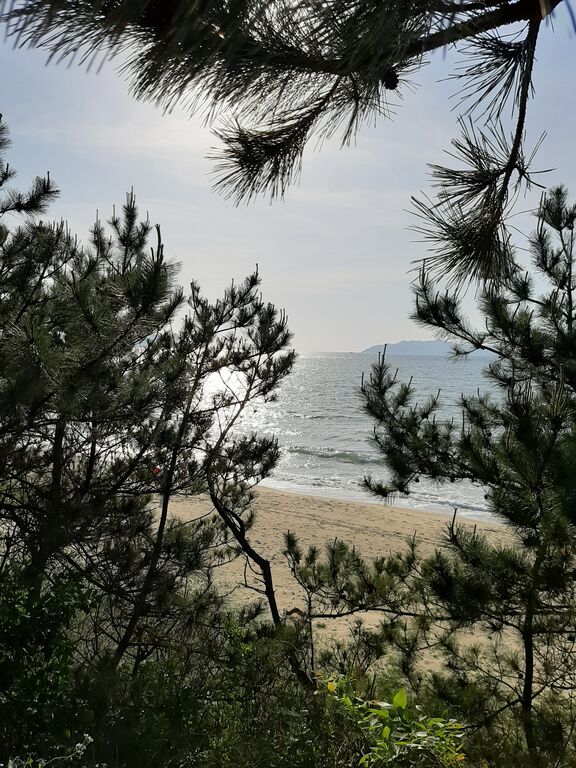
I walked along the promenade at Satsuki Matsubara, and from a bench on a hill overlooking the sea, I gazed at the silhouette of the Oshima and Chi-no-Shima islands far in the distance.
The waves that hit the sandy beach were gentle, and the sound of the waves had a regular rhythm.
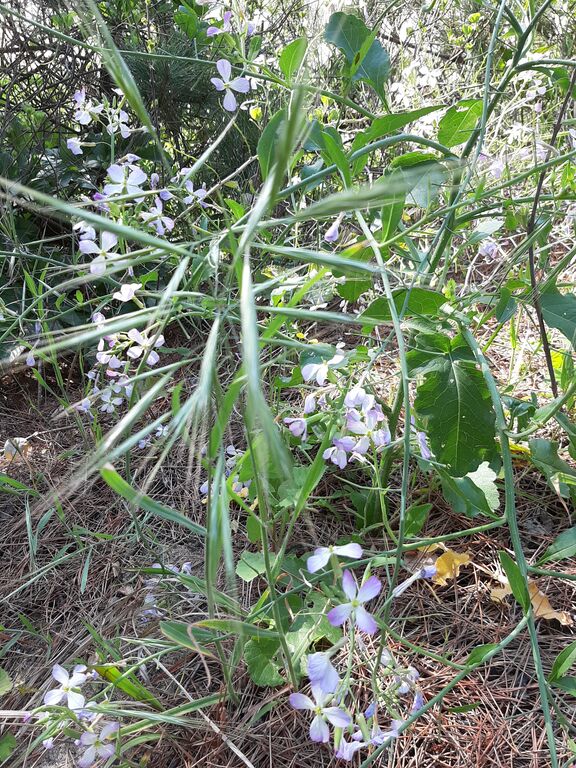
The flowers of the beach's wild radish swayed in the wind, and it was peaceful.


Comments
Post a Comment